
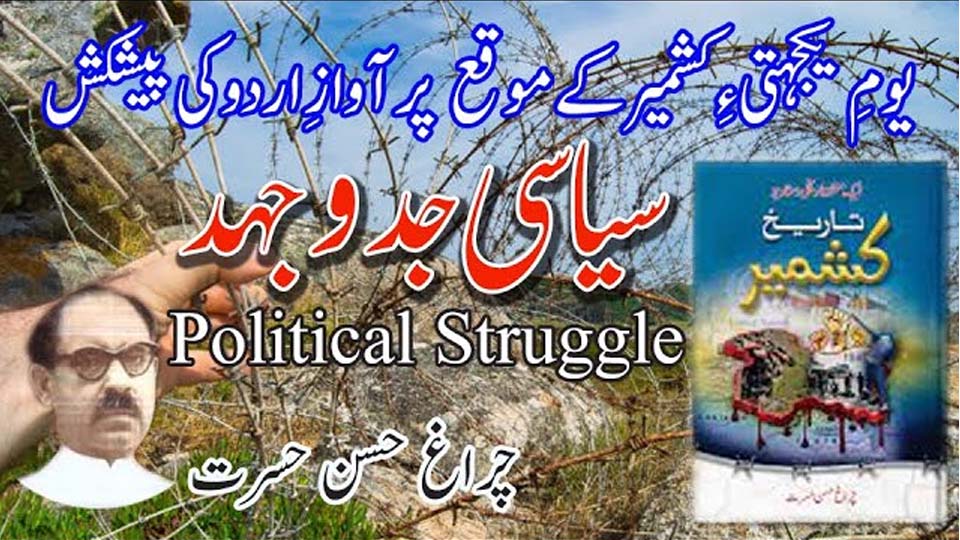
Kashmir freedom struggle is not a sudden or accidental movement; it is the outcome of decades of oppression, denial of rights, and systematic injustice faced by the Muslim majority of the region. History bears witness to the fact that whenever a state abandons equality, suppresses religious freedom, and institutionalizes discrimination, resistance becomes inevitable. Kashmir stands as a powerful example of this universal historical truth.
Across the world, societies that ensure equal citizenship, religious liberty, and peaceful coexistence enable minorities to make positive contributions to national development. In contrast, when prejudice and coercion shape state policy, social unrest, distrust, and conflict take root. The Kashmir freedom struggle emerged precisely from such conditions, beginning long before the partition of the Indian subcontinent and continuing to this day under changing political realities.
Historical Roots of the Kashmir Freedom Struggle
To understand the Kashmir freedom struggle, one must revisit the Dogra rule, during which Muslims were subjected to political exclusion, economic deprivation, and social humiliation. Despite being the overwhelming majority, Kashmiri Muslims were treated as second-class subjects. Government offices, administrative power, and economic privileges remained firmly in the hands of a Hindu elite, particularly Kashmiri Pandits, while Muslims were denied fair employment opportunities.
These injustices did not initially produce calls for revolution. Instead, early Muslim demands were modest: equal citizenship, access to education, and fair representation. However, prolonged neglect and arrogance of power gradually transformed these demands into a collective yearning for freedom.
Chiragh Hasan Hasrat: A Voice of History and Conscience
Chiragh Hasan Hasrat, an eminent Urdu poet, journalist, satirist, and intellectual, documented this painful journey with clarity and courage. Born in 1904 in Poonch, Kashmir, Hasrat was not merely a literary figure; he was a keen observer of politics, society, and historical change. His writings appeared in leading newspapers such as Zamindar, Nawa-i-Waqt, Imroze, and Inqilab, earning him widespread recognition.
Hasrat authored more than sixteen books, but his work Kashmir, stands out as a serious and thought-provoking analysis of the region’s history. In this book, Kashmir is not romanticized as a land of scenic beauty alone; instead, it is presented as a complex political and social problem deeply embedded in the broader politics of the subcontinent.
Political Awakening Before Partition
According to Hasrat, the political consciousness that fueled the Kashmir freedom struggle intensified during the 1920s and 1930s. After the Khilafat and Non-Cooperation movements, communal tensions spread across India. Movements like Shuddhi and Sangathan sharpened religious divisions, making minority rights a pressing issue for Muslims.
The Simon Commission of 1928 further exposed the fragmentation of Muslim politics. While Muhammad Ali Jinnah supported the boycott, other Muslim leaders opposed it, deepening internal divisions. The Nehru Report, prepared under Motilal Nehru, alienated many Muslim groups and accelerated their political separation from the Indian National Congress.
Muslim Political Mobilization and Regional Impact
The formation of the All-India Muslim Conference, which later evolved into the Muslim Conference, marked a turning point. Although some Muslim nationalists remained aligned with Congress, the majority increasingly felt politically marginalised. Events such as Gandhi’s Salt Satyagraha and the violent incidents in Peshawar heightened political awareness in regions neighbouring Kashmir, including Punjab and the North-West Frontier Province.
These developments influenced Kashmir profoundly. While Muslim organizations existed within the state, their activities remained cautious and limited. Newspapers avoided confrontation—until reports published in Lahore’s Inqilab exposed systematic discrimination against Muslims in state institutions. This journalism played a critical role in articulating collective grievances.
Religious Suppression and Mass Uprising
Religious interference proved to be the spark that ignited mass resistance. Restrictions on prayers, interference in religious practices, and incidents of Quran desecration deeply wounded Muslim sentiments. Protests erupted across Srinagar and other cities, and for the first time, slogans of religious identity merged with calls for freedom.
It was during these gatherings that Sheikh Muhammad Abdullah, then known as Master Abdullah, emerged as a powerful orator. His simple yet compelling speeches resonated with the masses, giving voice to long-suppressed emotions.
The arrest of Abdul Qadeer, followed by the killing of protesters outside the jail, transformed the Kashmir freedom struggle into a full-scale movement. These events were not spontaneous reactions but the natural outcome of decades of humiliation and repression.
Kashmir Freedom Struggle as a Historical Continuum
Chiragh Hasan Hasrat makes it clear that the Kashmir freedom struggle cannot be reduced to a single incident or year. It is a historical continuum shaped by injustice, resistance, and an unyielding desire for dignity. The movement reflects a universal principle: when a people are denied their identity, faith, and basic rights, the quest for freedom becomes unavoidable.
Remembering History on Kashmir Solidarity Day
Every year on February 5, Kashmir Solidarity Day reminds the world that this struggle is rooted in history, not propaganda. Revisiting works like Hasrat’s Kashmir is essential to understanding why the issue remains unresolved. Remembering this past is not merely an academic exercise; it is a moral commitment to stand against oppression and support the voices of the marginalised.
The Kashmir freedom struggle continues to symbolize resistance against injustice and hope for a future built on equality, dignity, and genuine self-determination.
If you’re interested in reading this book, click the link below for a free download.
https://drive.google.com/file/d/1rdwGfgoZRwy-H0tQJiWzcjOIca6cAuTh/view?usp=sharing
If you’d like to listen to this book in audio format, click the CONTACT button below to get in touch with the AwazeUrdu team to order the audiobook.
You can also watch the same video on these social media platforms.
For readers and listeners who wish to explore Kashmir through the lens of powerful Urdu fiction, AwazeUrdu has also presented a remarkable espionage novel by Tahir Javed Mughal. The blog titled “Rediscovering the Magic of Urdu Espionage Novels: Tahir Javed Mughal’s Legacy” offers deep insight into his narrative craft and thematic depth. We invite you to listen to this gripping novel on AwazeUrdu and read the full blog to experience how Urdu literature blends suspense, history, and the Kashmir question into an unforgettable literary journey.
دنیا کی تاریخ اس حقیقت کی شاہد ہے کہ آزادی کی تمام بڑی تحریکیں جبر، ظلم اور ناانصافی کے بطن سے جنم لیتی ہیں۔ جہاں ریاستیں اور حکومتیں اپنی اقلیتوں کو برابر کے شہری حقوق دیتی ہیں، انہیں مذہبی و سماجی آزادی کی ضمانت فراہم کرتی ہیں اور امن و بقائے باہمی کو ریاستی اصول بناتی ہیں، وہاں اقلیتیں بھی ریاست کی تعمیر و ترقی میں مثبت اور مؤثر کردار ادا کرتی ہیں۔ اس کے برعکس جب تعصب، امتیاز اور جبر کو حکومتی پالیسی کا حصہ بنا لیا جائے تو یہی رویے ریاست کے اندر بے چینی، بداعتمادی اور تصادم کو جنم دیتے ہیں، اور بالآخر خود اسی ریاست کے امن و استحکام کو نقصان پہنچاتے ہیں۔ کشمیر، برصغیر پاک و ہند کا ایک ایسا ہی دیرینہ اور سلگتا ہوا مسئلہ ہے، جس کی بنیاد ہندو ڈوگرہ راج کے دور میں مسلمانوں پر ڈھائے جانے والے مظالم میں پڑی، اور جو تقسیمِ ہند کے بعد وادیٔ کشمیر پر بھارت کے غاصبانہ قبضے کی صورت میں آج تک جاری ہے۔ اسی پس منظر میں ہر سال 5 فروری کو دنیا بھر میں یومِ یکجہتیٔ کشمیر منایا جاتا ہے۔ اسی مناسبت سے آوازِ اردو نے اپنی ایک ویڈیو میں چراغ حسن حسرت کی کتاب کشمیر سے ایک اقتباس پڑھ کر سنایا، جس کا تفصیلی اور مربوط بیان اس مضمون کا مقصد ہے۔
چراغ حسن حسرت، جن کا اصل نام چراغ حسن تھا، اردو کے ممتاز شاعر، ادیب، طنز نگار اور صحافی تھے۔ ان کا تعلق پونچھ، کشمیر سے تھا اور وہ 1904ء میں پیدا ہوئے۔ انہوں نے صحافت اور ادب دونوں میدانوں میں نمایاں خدمات انجام دیں اور اپنی بے باک، شگفتہ مگر بامعنی تحریروں کے ذریعے ایک منفرد پہچان قائم کی۔ نئی دنیا، زمیندار، احسان، شہباز، امروز اور نوائے وقت جیسے معروف اخبارات میں ان کی طنزیہ اور مزاحیہ تحریریں شائع ہوئیں، جنہوں نے انہیں وسیع حلقۂ قارئین میں مقبول بنایا۔ وہ صرف مزاح نگار ہی نہیں تھے بلکہ تاریخ، سیاست اور سماجی مسائل پر گہری نظر رکھتے تھے۔ انہوں نے سولہ سے زائد کتابیں تصنیف کیں۔ قیامِ پاکستان کے بعد وہ لاہور میں مقیم ہوئے اور 26 جون 1955ء کو یہیں انتقال کیا۔
چراغ حسن حسرت کی کتاب” کشمیر” ایک سنجیدہ، معلوماتی اور فکری تصنیف ہے، جس میں وادیٔ کشمیر کو محض قدرتی حسن کے استعارے کے طور پر نہیں بلکہ ایک تاریخی، سماجی اور سیاسی مسئلے کے طور پر پیش کیا گیا ہے۔ اس کتاب میں کشمیر کی قدیم تاریخ، جغرافیائی حیثیت، معاشرتی ڈھانچے اور برصغیر کی مجموعی سیاست کے تناظر میں اس کے حالات کو نہایت سادہ مگر مدلل انداز میں بیان کیا گیا ہے۔ مصنف واقعات کو محض بیان کرنے پر اکتفا نہیں کرتے بلکہ ان کے اسباب اور نتائج کو بھی واضح کرتے ہیں، جس سے قاری کو مسئلۂ کشمیر کی تہہ تک پہنچنے میں مدد ملتی ہے۔
یومِ یکجہتیٔ کشمیر، 5 فروری کے موقع پر آوازِ اردو نے اس کتاب سے تقسیمِ ہند سے قبل کشمیر میں جاری سیاسی جدوجہد سے متعلق ایک باب کا اقتباس پیش کیا۔ اس اقتباس میں چراغ حسن حسرت بیان کرتے ہیں کہ کس طرح ریاست جموں و کشمیر کے مسلمانوں کے دلوں میں آزادی کی شمع بتدریج روشن ہوئی۔ ان کے مطابق خلافت اور عدم تعاون کی تحریکوں کے بعد پورے ہندوستان میں شدھی اور سنگھٹن جیسی تحریکوں نے زور پکڑا، فرقہ وارانہ فسادات پھیلے اور اقلیتوں، خصوصاً مسلمانوں کے حقوق ایک سنگین مسئلہ بن کر سامنے آئے۔ اگرچہ اس وقت تک کئی بڑے مسلمان رہنما کانگریس کے ساتھ وابستہ تھے، لیکن فضا میں بے چینی اور اضطراب نمایاں تھا اور یہ احساس مضبوط ہوتا جا رہا تھا کہ ہندو اور مسلمان سیاست میں زیادہ دیر تک ایک راستے پر نہیں چل سکیں گے۔
1928ء میں برطانوی حکومت نے ہندوستان کے آئینی مستقبل کے تعین کے لیے سر جان سائمن کی سربراہی میں کمیشن مقرر کیا۔ کانگریس نے اس کمیشن کا بائیکاٹ کیا، مگر یہی سوال مسلم لیگ میں اختلاف کا سبب بن گیا۔ ایک گروہ، جس کی قیادت محمد علی جناح کر رہے تھے، بائیکاٹ کا حامی تھا، جبکہ دوسرا گروہ میاں سر محمد شفیع کی قیادت میں اس کا مخالف تھا۔ بعد ازاں آل پارٹیز کانفرنس میں پنڈت موتی لال نہرو کی صدارت میں جو آئینی مسودہ تیار ہوا، اس کی مسلمانوں کی کئی جماعتوں نے شدید مخالفت کی اور کانگریس سے راستے جدا ہونے لگے۔
اسی دوران آل انڈیا مسلم کانفرنس وجود میں آئی، جو آگے چل کر مسلم کانفرنس کے نام سے ایک مستقل سیاسی جماعت بنی۔ اگرچہ عام مسلمانوں کی اکثریت کانگریس سے نالاں تھی، تاہم مسلمان نیشنلسٹ کہلانے والا ایک طبقہ بدستور کانگریس کے ساتھ تھا۔ 1930ء میں گاندھی کی نمک ستیہ گرہ تحریک میں بہت سے مسلمان شریک ہوئے اور قربانیوں میں پیش پیش رہے۔ پنجاب اور صوبہ سرحد، جو کشمیر کے ہمسایہ علاقے تھے، اس تحریک سے خاص طور پر متاثر ہوئے۔ پشاور میں فائرنگ کے واقعات اور جانی نقصان نے فضا کو مزید کشیدہ کر دیا۔
ان حالات کے کچھ ہی عرصے بعد کشمیر میں ایسے واقعات پیش آئے جنہوں نے مسلمانوں کو براہِ راست حکومت کے مقابل لا کھڑا کیا۔ اگرچہ کشمیر میں مختلف مسلم انجمنیں موجود تھیں، مگر ان کی سرگرمیاں زیادہ تر تعلیمی مطالبات تک محدود تھیں۔ اخبارات میں شائع ہونے والے مضامین بھی نہایت محتاط اور مؤدبانہ ہوتے تھے۔ تاہم لاہور کے اخبار انقلاب میں شائع ہونے والے مراسلات نے پہلی بار یہ واضح کیا کہ ریاستی محکموں پر ہندو، خصوصاً کشمیری پنڈت، کس طرح حاوی ہیں اور مسلمانوں کو ملازمتوں اور ترقی کے مواقع سے محروم رکھا جا رہا ہے۔ اس وقت تک مسلمان کسی بڑے انقلاب کے خواہاں نہیں تھے، بلکہ ان کا مطالبہ صرف یہ تھا کہ انہیں بھی برابر کا شہری سمجھا جائے۔
جلد ہی بعض مذہبی واقعات نے اس دبے ہوئے غصے کو بھڑکا دیا۔ جموں اور اس کے نواح میں نماز اور مذہبی شعائر میں مداخلت، اور قرآن کی بے حرمتی جیسے واقعات نے ریاست بھر میں بے چینی پھیلا دی۔ سری نگر میں احتجاجی جلسے اور جلوس نکلے، جن میں پہلی بار اسلام زندہ باد کے نعروں کے ساتھ آزادی کا احساس شدت سے ابھرا۔ انہی جلسوں میں شیخ محمد عبداللہ، جو اس وقت ماسٹر عبداللہ کے نام سے جانے جاتے تھے، پہلی مرتبہ ایک مؤثر عوامی مقرر کے طور پر سامنے آئے۔ ان کی سادہ مگر پُراثر تقریر نے مجمع کے دلوں پر گہرا اثر ڈالا۔
بعد ازاں عبدالقدیر کی گرفتاری، اس کے مقدمے کے دوران جیل کے باہر عوام کا جمِ غفیر، اور بالآخر فائرنگ کے نتیجے میں قیمتی جانوں کا ضیاع، وہ واقعات تھے جنہوں نے کشمیری مسلمانوں کی جدوجہد کو ایک نئے مرحلے میں داخل کر دیا۔ چراغ حسن حسرت کے مطابق یہ واقعات محض وقتی ردعمل نہیں تھے بلکہ برسوں کے جبر، ناانصافی اور محرومی کا فطری نتیجہ تھے۔
چراغ حسن حسرت کی کتاب کشمیر اور اس میں بیان کردہ یہ اقتباس ہمیں یہ سمجھنے میں مدد دیتا ہے کہ کشمیر کی تحریکِ آزادی کسی ایک دن یا ایک واقعے کا نتیجہ نہیں، بلکہ ایک طویل تاریخی عمل کا حاصل ہے۔ یہ جدوجہد اس اصول کی زندہ مثال ہے کہ جب کسی قوم کو اس کے بنیادی حقوق سے محروم رکھا جائے، اس کی شناخت، مذہب اور عزتِ نفس کو پامال کیا جائے، تو آزادی کی خواہش ناگزیر ہو جاتی ہے۔ یومِ یکجہتیٔ کشمیر کے موقع پر اس تاریخ کو یاد کرنا دراصل اس عہد کی تجدید ہے کہ ظلم کے خلاف آواز اٹھانا اور مظلوموں کے ساتھ کھڑا ہونا انسانی اور اخلاقی فریضہ ہے۔