
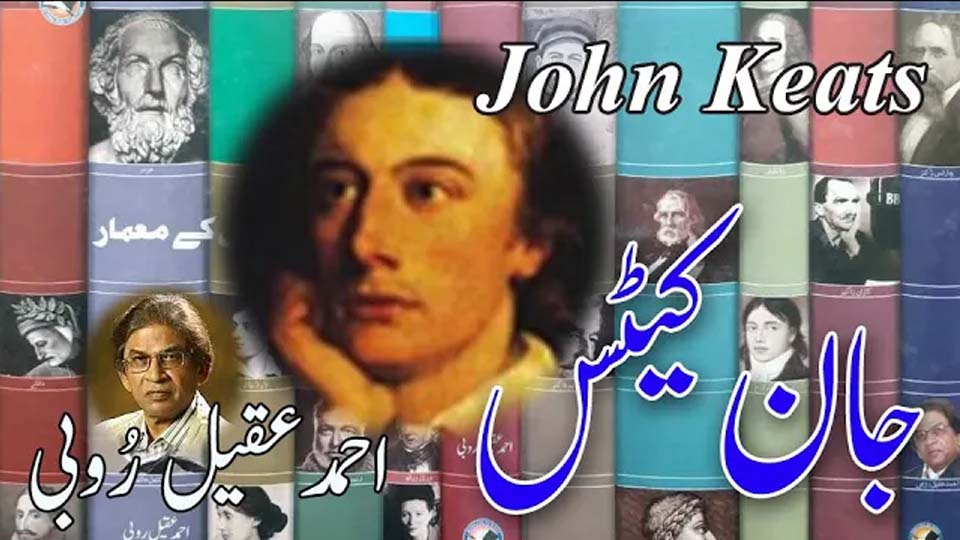
Architects of Knowledge have always played a decisive role in shaping the intellectual identity of nations and civilizations. History repeatedly confirms that societies do not rise through the force of swords but through the power of ideas, wisdom, and thoughtful inquiry. Knowledge, philosophy, and literature build minds, nurture consciousness, and guide humanity toward progress. Those civilizations that honored their thinkers, scholars, and writers earned lasting intellectual leadership, while others faded into obscurity. Literature, history, and philosophy serve as bridges between past brilliance and future direction, allowing readers to engage with great minds beyond the limits of time.
Knowledge as the Foundation of Civilizations
Architects of Knowledge are not merely individuals who write books; they are the builders of human consciousness. Through critical thinking and intellectual courage, they transform scattered ideas into coherent traditions. Literature becomes more than an aesthetic expression—it evolves into a means of mental training and moral development. By studying great thinkers, readers refine their worldview and gain the ability to question, analyze, and understand life more deeply.
Urdu literature holds a special place in this global intellectual exchange. Several Urdu scholars successfully transferred world philosophy and intellectual traditions into the Urdu language, expanding the intellectual horizons of readers. Among these distinguished figures stands Ahmed Aqeel Ruby, whose scholarly dedication enriched Urdu prose with global knowledge and critical depth.
Ahmed Aqeel Ruby: A True Architect of Knowledge
Ahmed Aqeel Ruby was a multidimensional Urdu writer—an author, researcher, translator, and intellectual. His writings reflect vast reading, analytical depth, and a sincere commitment to intellectual honesty. As one of the true Architects of Knowledge, Ruby introduced Urdu readers to Western philosophy, Greek thought, and global intellectual movements with remarkable clarity.
He firmly believed that literature was not just a source of artistic beauty but a powerful tool for intellectual refinement. Through biographies, translations, and critical essays, he presented world-renowned thinkers in a manner that was both accessible and intellectually rigorous. His prose established a dignified tradition of scholarly writing in Urdu, making serious knowledge available to common readers and students alike.
“Ilm o Danish Ky Meamar” (Architects of Knowledge) as a Literary Monument
Ruby’s book, “Ilm o Danish Ky Meamar”, is an intellectually rich and informative work that explores the lives and ideas of the great minds who shaped human civilization. The book features 55 influential intellectuals, most of whom belong to Western philosophical and literary traditions. However, Ruby does not merely narrate their biographies. Instead, he highlights their intellectual impact, philosophical contributions, and lasting influence on human thought.
The language of the book is simple, fluent, and informative, making it equally valuable for general readers and serious scholars. By engaging with Architects of Knowledge, readers are invited to reflect on the universal history of wisdom and the shared intellectual heritage of humanity.
John Keats: A Fragile Life, An Eternal Voice
One of the most powerful chapters in Architects of Knowledge focuses on the English Romantic poet John Keats. In a deeply moving and thoughtful portrayal, Ahmed Aqeel Ruby captures Keats’s tragically short yet profoundly meaningful life. Nature granted Keats very little time for love, poetry, and life itself. While Byron and Shelley also lived short lives, Keats’s existence feels painfully compressed, echoing Bahadur Shah Zafar’s famous lament about life’s brevity.
Keats began writing poetry at nineteen, embraced love, and passed away at just twenty-five. Unlike Byron and Shelley, who lived intensely and actively engaged with society, Keats endured a life shadowed by illness, grief, and quiet suffering. His true creative period lasted only six years, yet those years secured his immortality in English literature.
Struggles, Poverty, and Inner Strength
Born into a poor family, Keats faced financial hardship from childhood. His father worked at a modest inn in London and could not afford an elite education for his son. Fortunately, Keats found guidance under John Clarke, a teacher who introduced him to classical Greek literature and nurtured his literary instincts.
Tragedy struck early—his father died in an accident, his mother passed away soon after, and by fourteen, Keats was orphaned. Forced into a surgical apprenticeship, he considered this period the most painful chapter of his life. Yet even during medical training, poetry remained his refuge and passion.
Criticism, Love, and Immortality
Despite publishing his poetry, Keats faced brutal criticism from influential literary magazines such as The Quarterly Review and Blackwood’s Magazine. These attacks deeply wounded him, and Shelley later claimed that hostile criticism contributed to Keats’s death. Yet Keats never abandoned poetry. His belief that “Beauty is truth, truth beauty” reflects his philosophy that genuine emotion and imagination define true art.
Among the Ilm o Danish Ky Meamar (Architects of Knowledge), Keats stands as a symbol of creative resilience. His silent, dignified love for Fanny Brawne sustained him during illness and despair, leaving emotional traces in his poetry and letters.
A Living Document of Human Thought
Ilm o Danish Ky Meamar is not merely a book; it is a living document of intellectual history. Ahmed Aqeel Ruby proves that greatness is not measured by lifespan but by the intensity of thought and sincerity of creation. Through John Keats and other intellectual giants, Ruby invites readers to reflect on their own intellectual journeys.
If you’re interested in reading this book, click the link below for a free download.
https://drive.google.com/file/d/1EsINOnjJomcOptKpnaIH1WsA6ea7BFYr/view?usp=sharing
If you’d like to listen to this book in audio format, click the CONTACT button below to get in touch with the AwazeUrdu team to order the audiobook.
You can also watch the same video on these social media platforms.
In preserving and presenting these luminous minds, Architects of Knowledge continues to enlighten readers, reminding us that ideas outlive bodies—and wisdom, once created, never truly dies.
کسی بھی قوم کی فکری تشکیل اور ذہنی ارتقا میں علم و دانش کا کردار بنیادی حیثیت رکھتا ہے۔ انسانی تاریخ اس حقیقت کی گواہ ہے کہ تہذیبیں تلوار سے نہیں بلکہ فکر، قلم اور علم سے پروان چڑھتی ہیں۔ جن معاشروں نے اپنے مفکرین، دانشوروں اور اہلِ علم کی قدر کی، وہی دنیا میں فکری رہنمائی کا مقام حاصل کر سکے۔ ادب، فلسفہ اور تاریخ کے ذریعے نہ صرف ماضی کے عظیم اذہان سے رابطہ قائم ہوتا ہے بلکہ حال اور مستقبل کی سمت بھی متعین ہوتی ہے۔ اردو ادب میں چند ایسے اہلِ قلم بھی پیدا ہوئے جنہوں نے عالمی فکری روایت کو اردو زبان میں منتقل کر کے قاری کے شعور کو وسعت دی۔ احمد عقیل روبی انہی نامور ادیبوں میں شامل ہیں، جن کی کتاب علم و دانش کے معمار علم کے ان چراغوں سے روشناس کراتی ہے جنہوں نے دنیا کی فکری بنیادیں استوار کیں۔
احمد عقیل روبی اردو ادب کے ایک ہمہ جہت ادیب، محقق، مترجم اور دانشور تھے۔ ان کا شمار ان اہلِ قلم میں ہوتا ہے جنہوں نے اردو زبان میں عالمی ادب، فلسفہ اور فکری روایت کو نہایت سنجیدگی اور دیانت کے ساتھ متعارف کرایا۔ ان کی تحریروں میں مطالعے کی وسعت، فکری گہرائی اور تحقیقی ذوق نمایاں طور پر محسوس ہوتا ہے۔ روبی صاحب نے سوانح، تراجم، تنقید اور فکری مضامین کے ذریعے اردو قاری کو یونانی، مغربی اور عالمی دانش سے روشناس کرایا۔ وہ ادب کو محض جمالیاتی اظہار نہیں بلکہ ذہنی تربیت اور فکری بالیدگی کا ذریعہ سمجھتے تھے۔ ان کی تصانیف اردو ادب میں علمی نثر کی ایک مضبوط، معتبر اور وقار رکھنے والی روایت کی نمائندہ ہیں۔
احمد عقیل روبی کی کتاب “علم و دانش کے معمار” ایک فکری اور تعارفی نوعیت کی اہم تصنیف ہے، جس میں انسانی تہذیب کی تعمیر میں کردار ادا کرنے والی عظیم علمی و فکری شخصیات کا جامع مطالعہ پیش کیا گیا ہے۔ اس کتاب میں مجموعی طور پر 55 مشاہیر کے حالاتِ زندگی، افکار اور علمی خدمات کو موضوع بنایا گیا ہے، جن میں اکثریت مغربی دنیا کے فلسفیوں، مفکرین، ادیبوں اور اہلِ علم پر مشتمل ہے۔ مصنف نے ہر شخصیت کو محض سوانحی انداز میں پیش نہیں کیا بلکہ اس کے فکری اثرات، علمی ورثے اور انسانی شعور پر اس کے مرتب ہونے والے اثرات کو بھی نمایاں کیا ہے۔ کتاب کی زبان سادہ، رواں اور اسلوب معلوماتی ہے، جس کے باعث یہ تصنیف عام قاری اور سنجیدہ طالبِ علم دونوں کے لیے یکساں طور پر مفید بن جاتی ہے۔ یہ کتاب قاری کو مغرب کی فکری روایت سے آگاہ کرنے کے ساتھ ساتھ علم و دانش کی عالمی تاریخ پر غور و فکر کی دعوت دیتی ہے۔
اس کتاب میں سے مشہور انگریز رومانوی شاعر”جان کیٹس” سے متعلق مضمون میں سے کچھ اقتباس آوازِاردو نے اپنی ایک ویڈیو میں پڑھ کرسنایاہے، جس میں احمد عقیل روبی نے نہایت درد مندی اور فکری گہرائی کے ساتھ جان کیٹس کی مختصر مگر بامعنی زندگی کا احاطہ کیا ہے۔ روبی صاحب کے مطابق قدرت نے جان کیٹس کو محبت، شاعری اور زندگی—تینوں کے لیے نہایت کم وقت عطا کیا۔ اگرچہ رومانوی شاعروں میں بائرن اور شیلے کی زندگیاں بھی مختصر رہیں، مگر بہادر شاہ ظفر کا یہ مصرع
“عمر دراز مانگ کے لائے تھے چار دن”
جان کیٹس پر غیر معمولی طور پر صادق آتا ہے۔ اس کی پوری زندگی گویا چند ہی دنوں میں سمٹ گئی۔ اس نے انیس برس کی عمر میں شاعری کا آغاز کیا، محبت کے جذبے کو دل میں جگہ دی، اور محض پچیس برس کی عمر میں موت نے اسے آ لیا۔
مصنف بائرن، شیلے اور کیٹس کے درمیان ایک بنیادی فرق کی نشان دہی کرتے ہیں۔ بائرن اور شیلے نے اگرچہ کم عمر پائی، مگر انہوں نے زندگی کو پوری شدت سے جیا، تجربات کیے، ادبی معرکے سر کیے اور سماجی کشمکش میں فعال کردار ادا کیا۔ اس کے برعکس جان کیٹس کی زندگی بیماری، غم اور خاموش اذیت کے سائے میں گزری۔ وہ میر تقی میر کی طرح دل برداشتہ اور اندر سے ٹوٹا ہوا شاعر تھا۔ مصنف کے مطابق کیٹس کی حقیقی تخلیقی زندگی محض چھ برس پر محیط تھی، مگر اسی قلیل مدت میں اس نے وہ شاعری تخلیق کی جو اسے ہمیشہ کے لیے زندہ کر گئی۔
جان کیٹس کسی خوش حال گھرانے میں پیدا نہیں ہوا۔ اس کا باپ لندن کے ایک شراب خانے میں معمولی ملازم تھا اور وہ اپنے بیٹے کو کسی اعلیٰ اسکول میں نہ پڑھا سکا۔ معاشی تنگی نے کیٹس کی راہیں محدود رکھیں۔ اسے اینفیلڈ کے ایک چھوٹے سے اسکول میں داخل کرایا گیا، جہاں خوش قسمتی سے جان کلارک جیسا استاد ملا، جو خود ادبی ذوق رکھتا تھا۔ اسی استاد نے کیٹس کی ذہنی اور ادبی تربیت کی اور اسے یونانی ادب کے تراجم سے روشناس کرایا۔
کم عمری میں ہی کیٹس پر مصیبتوں کا پہاڑ ٹوٹ پڑا۔ اس کے باپ کا ایک حادثے میں انتقال ہو گیا۔ چند ماہ بعد ماں نے دوسری شادی کی، مگر یہ رشتہ ناکام رہا۔ طلاق کے بعد وہ بچوں سمیت اپنی ماں کے پاس آ گئی، لیکن جلد ہی وہ بھی دنیا سے رخصت ہو گئی۔ اس وقت جان کیٹس کی عمر محض چودہ برس تھی۔ یوں یتیمی، محرومی اور تنہائی اس کا مقدر بن گئیں۔ اسے اسکول سے اٹھا کر ایک سرجن کے پاس بطور شاگرد بھیج دیا گیا۔ مصنف کے مطابق یہ دور کیٹس کی زندگی کا سب سے اذیت ناک زمانہ تھا، جسے اس نے محض ایک سزا سمجھ کر گزارا۔
1814ء سے 1816ء تک کیٹس نے لندن کے اس علاقے میں، جہاں آج گائے اسپتال واقع ہے، طب اور سرجری کی تعلیم حاصل کی۔ دن بھر کلاسیں، رات کو اسپتال کے کمروں میں قیام، اور انہی راتوں میں شاعری—یہی اس کی زندگی کا معمول تھا۔ اسے اس بات کا شدید خوف رہتا تھا کہ کہیں طب اس کی تخلیقی قوت کو ختم نہ کر دے، مگر ایسا نہ ہوا۔ اسی دوران اس نے اپنی پہلی نظم لکھی۔
1816ء میں سند حاصل کرنے کے بعد کیٹس نے صاف اعلان کر دیا کہ وہ حکیم یا عطار نہیں بلکہ شاعر ہے۔ اگرچہ کچھ عرصہ اس نے اسپتال سے تعلق قائم رکھا، مگر اس کا دل مکمل طور پر شاعری میں لگ چکا تھا۔ اسی زمانے میں مشہور ادیب لی ہنٹ سے اس کا تعارف ہوا، جو The Examiner کے نام سے ایک ادبی رسالہ نکالتا تھا۔ لی ہنٹ نے کیٹس کی حوصلہ افزائی کی اور اس کی نظمیں شائع کرنا شروع کیں، جس کے نتیجے میں اس کا پہلا شعری مجموعہ منظرِ عام پر آیا۔
The Quarterly Review اور Blackwood’s Magazine
شہرت کے ساتھ مخالفت بھی آئی جیسے رسالوں نے کیٹس کی شاعری پر سخت حملے کیے، اس کے اسلوب اور صلاحیت کو نشانہ بنایا اور یہاں تک کہا کہ وہ شاعری چھوڑ کر دوا کی دکان کھول لے۔ مصنف کے خیال میں اگرچہ کیٹس کی موت بیماری سے ہوئی، مگر ان زہریلی تنقیدوں نے بھی اس کی جان لینے میں اہم کردار ادا کیا۔ اسی لیے شیلے نے کہا تھا کہ کیٹس کو بلیک ووڈ نے مار ڈالا۔
کیٹس نے اپنی مختصر زندگی کا ہر لمحہ شاعری کے نام کر دیا۔ اس کی شاعری حسن اور تخیل کے ایسے باغ کی مانند ہے جس کی خوشبو سے انگریزی شاعری مہک اٹھی۔ اس کے نزدیک جذبے کی سچائی اور تخیل کی صداقت ہی اصل حسن تک پہنچاتی ہے۔ یہی تصور اس نے اپنی ایک نظم میں ان ان مشہور سطروں کے ذریعے پیش کیا:
“حسن ہی سچائی ہے، اور سچائی ہی حسن—
دنیا میں جاننے کے لیے بس یہی کافی ہے۔”
کیٹس کی زندگی دو گروہوں کے درمیان گزری: ایک ہمدرد گروہ، جس میں بائرن، شیلے اور لی ہنٹ شامل تھے، اور دوسرا مخالف گروہ، جس نے اس کی شاعری کو Cockney School کہہ کر حقیر جانا۔ بیماری کے عالم میں اسے زندہ رکھنے والی سب سے بڑی قوت فینی براون سے اس کی محبت تھی—ایک خاموش، باوقار اور ضبط سے بھرپور عشق، جس کی جھلک اس کی شاعری اور خطوط میں محفوظ ہے۔
علم و دانش کے معمار محض ایک کتاب نہیں بلکہ انسانی فکر کی تاریخ کا ایک زندہ دستاویز ہے، جس میں احمد عقیل روبی نے علم کے ان چراغوں کو روشن کیا ہے جن کی روشنی آج بھی دنیا کو منور کر رہی ہے۔ جان کیٹس پر لکھا گیا مضمون اس کتاب کی فکری گہرائی اور مصنف کی بصیرت کا واضح ثبوت ہے۔ روبی صاحب نے ثابت کیا کہ عظمت عمر کی درازی کی محتاج نہیں، بلکہ فکر کی سچائی اور تخلیق کی شدت ہی انسان کو امر کرتی ہے۔ یہ کتاب قاری کو نہ صرف عظیم اذہان سے روشناس کراتی ہے بلکہ اسے خود اپنے فکری سفر پر بھی غور کرنے کی دعوت دیتی ہے—اور یہی کسی بھی بڑے ادبی اور علمی کام کی اصل پہچان ہے۔