
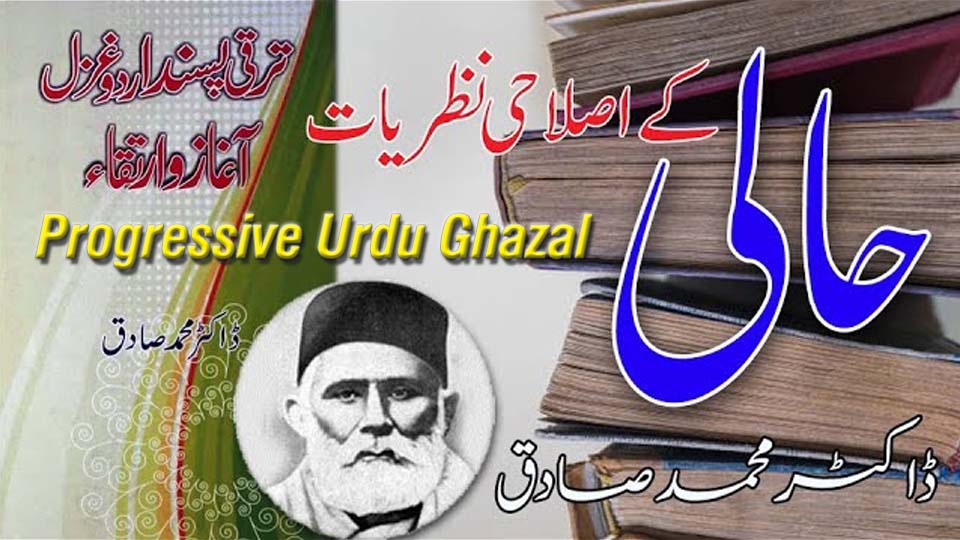
Progressive Urdu Ghazal represents not merely a poetic genre but a powerful intellectual movement that reshaped the direction of Urdu literature. From rigid classical conventions to a socially aware and purpose-driven expression, the journey of the Urdu ghazal mirrors the historical, cultural, and political transformations of the subcontinent. Understanding this transition is essential to grasping how literary reform and revolutionary thinking breathed new life into a form once accused of stagnation.
Urdu Literary History Beyond Creative Expression
Urdu literary history is far more than a compilation of creative texts; it is a continuous narrative of intellectual, social, and civilizational consciousness. Each literary era reflects the anxieties, struggles, and aspirations of its time. When creative stagnation sets in, reformist and ideological movements naturally emerge to restore vitality. The Progressive Urdu Ghazal emerged from such a historical necessity, challenging artistic inertia and redefining the poetic purpose.
Dr. Muhammad Sadiq: A Scholar of Literary Consciousness
Among the scholars who critically examined this transformation, Dr. Muhammad Sadiq occupies a distinguished position. As a renowned researcher, critic, historian, translator, and teacher, he approached Urdu literature not as an isolated artistic expression but as a reflection of social reality and historical awareness. His contributions to literary criticism, research methodology, and historical analysis strengthened the academic foundations of Urdu studies.
Dr. Muhammad Sadiq’s writings on literary movements, especially his analysis of progressive trends in Urdu poetry, remain authoritative references. He consistently emphasized that literature must be evaluated within its social, cultural, and political context—a principle central to understanding the Progressive Urdu Ghazal.
Progressive Urdu Ghazal: Aims and Intellectual Framework
In his seminal book “Taraqqi Pasand Urdu Ghazal: Aaghaz o Irtiqa” (Progressive Urdu Ghazal: Origin and Evolution), Dr. Muhammad Sadiq offers a comprehensive intellectual and historical study of the ghazal under the influence of the Progressive Writers’ Movement. He demonstrates how the ghazal evolved from conventional romantic themes to a medium addressing class struggle, political awareness, social injustice, and collective human suffering.
The Progressive Urdu Ghazal did not reject tradition outright. Instead, it used classical foundations to articulate modern sensibilities. This balance between continuity and change allowed the ghazal to absorb new realities without losing its aesthetic essence.
Hali’s Reformist Vision and the Formation of Progressive Ghazal
A crucial chapter of Dr. Muhammad Sadiq’s book focuses on Hali’s Reformist Thought in the Formation of Progressive Ghazal. According to him, Hali emerged at a time when Urdu poetry had fallen into imitation, artificiality, and intellectual decline. His arrival marked a turning point in literary consciousness.
Hali’s association with literary giants like Ghalib and Shafta refined his aesthetic sensibility, but the catastrophic events of 1857 left a deeper imprint on his mind. Witnessing the collapse of an entire civilization, social order, and moral framework awakened in him a profound sense of social responsibility.
Influence of Sir Syed and Literary Reform
Dr. Muhammad Sadiq highlights that Sir Syed Ahmad Khan’s reformist movement played a decisive role in shaping Hali’s intellectual direction. Like Sir Syed, Hali sought to liberate society from ignorance, outdated customs, and meaningless traditionalism. This reformist impulse directly influenced his vision of poetry.
Hali believed that Urdu poetry—especially the ghazal—should be rooted in real life. He opposed restricting the ghazal to conventional love themes and artificial metaphors. Instead, he advocated for a ghazal that reflects contemporary issues, moral consciousness, and genuine human emotions. This philosophy laid the ideological groundwork for the Progressive Urdu Ghazal.
New Ideas, New Possibilities in Urdu Ghazal
One of Hali’s greatest contributions, as emphasized by Dr. Muhammad Sadiq, was introducing awareness of new ideas and creative possibilities. In Muqaddama Sher-o-Shairi, Hali strongly rejected the blind imitation of past poets. He argued that poetry must emerge from the poet’s own experiences, observation of reality, and awareness of the present age.
He criticized hollow exaggeration, artificial romance, and repetitive themes, insisting instead on truth, imagination, and meaningful expression. These principles later became defining characteristics of the Progressive Urdu Ghazal, which sought authenticity and relevance over ornamentation.
Purpose, Humanity, and Moral Depth
Dr. Muhammad Sadiq concludes that Hali envisioned an Urdu ghazal aligned with purpose, moral depth, and the breadth of human experience. Love and romance, he believed, should transcend physical desire and reflect spiritual connection, ethical values, and social responsibility. This reformist approach revitalized the ghazal and prepared it for engagement with modern intellectual currents.
A Lasting Scholarly Contribution
Undoubtedly, Dr. Muhammad Sadiq’s work stands as an indispensable scholarly document for understanding the intellectual history of the Urdu ghazal. His analysis of Hali’s reformist ideas within the framework of the Progressive Urdu Ghazal invites serious readers to reflect on the dynamic relationship between tradition and innovation.
If you’re interested in reading this book, click the link below for a free download.
https://drive.google.com/file/d/1k6KRCgRlktJdRX1vum7de5av0J1u_aCZ/view?usp=sharing
If you’d like to listen to this book in audio format, click the CONTACT button below to get in touch with the AwazeUrdu team to order the audiobook.
You can also watch the same video on these social media platforms.
This book not only illuminates the past but also clarifies future intellectual directions of Urdu poetry. As such, Dr. Muhammad Sadiq’s research remains a vital reference for anyone seeking to understand the revolutionary revival of the Urdu ghazal and its enduring relevance in literary discourse.
اردو ادب کی تاریخ محض تخلیقی متون کا مجموعہ نہیں بلکہ فکری، سماجی اور تہذیبی شعور کی ایک مسلسل داستان ہے۔ ہر دور کا ادب اپنے عہد کے مسائل، اضطرابات اور خوابوں کی عکاسی کرتا ہے۔ یہی وجہ ہے کہ جب کسی زبان میں جمود پیدا ہو جاتا ہے تو اصلاحی اور فکری تحریکیں جنم لیتی ہیں جو ادب کو نئی زندگی عطا کرتی ہیں۔ اردو شاعری، خصوصاً غزل، بھی ایسے ہی ادوار سے گزری ہے جہاں اسے روایت اور جدت کے سنگم پر نئے راستے تلاش کرنا پڑے۔ اس فکری ارتقاء کو سمجھنے کے لیے جن محققین نے سنجیدہ اور وقیع کام کیا، ان میں ڈاکٹر محمد صادق کا نام نمایاں حیثیت رکھتا ہے۔
ڈاکٹر محمد صادق اردو ادب کے ایک ممتاز محقق، مصنّف، نقاد، مترجم اور استاد تھے جنہوں نے اردو ادب کو بالخصوص تحقیق، تنقید اور تاریخی شعور کے حوالے سے مضبوط بنیادیں فراہم کیں۔ انہوں نے اپنی علمی زندگی تدریس اور تحقیق کے لیے وقف رکھی اور طلبہ کی فکری تربیت کے ساتھ ساتھ اردو ادب کے مختلف گوشوں پر گراں قدر کام کیا۔ ان کی تحریروں میں ادب کو محض فنی اظہار نہیں بلکہ سماجی، تہذیبی اور تاریخی تناظر میں دیکھنے کا رجحان نمایاں ہے۔ اردو ادب کی تاریخ، ترقی پسند تحریک، شاعری اور تنقیدی رجحانات پر ان کے مقالات اور کتب آج بھی سنجیدہ علمی حلقوں میں معتبر حوالہ سمجھی جاتی ہیں۔
ڈاکٹر محمد صادق کی تصنیف”ترقی پسند اردوٖغزل: آغاز و ارتقاء” اردو غزل کے فکری اور تاریخی مطالعے کی ایک اہم کتاب ہے۔ اس میں مصنف نے ترقی پسند تحریک کے پس منظر میں اردو غزل کے مزاج، موضوعات اور فکری سمتوں کا تفصیلی جائزہ لیا ہے۔ کتاب یہ واضح کرتی ہے کہ اردو غزل کس طرح محض عشقیہ اور رومانی اظہار تک محدود نہیں رہی بلکہ سماجی شعور، طبقاتی کشمکش، سیاسی آگہی اور انسانی مسائل کی ترجمان بنتی چلی گئی۔ کلاسیکی روایت کو بنیاد بنا کر مصنف نے ترقی پسند رجحان کے مختلف ارتقائی مراحل کی نشاندہی کی ہے اور دکھایا ہے کہ ہر دور میں غزل نے اپنے عہد کے تقاضوں کو کس طرح جذب کیا۔ متوازن تنقیدی اسلوب اور مستند حوالوں کے باعث یہ کتاب تحقیق کے طلبہ اور اردو غزل کی فکری تاریخ میں دل چسپی رکھنے والوں کے لیے نہایت اہم ہے۔
اس کتاب کے باب”ترقی پسند غزل کی تشکیل میں حالی کےاصلاحی نظریات” سے ایک اہم اقتباس آوازِاردو نے اپنی ایک ویڈیو میں پیش کیا ہے۔ اس اقتباس میں ڈاکٹر محمد صادق یہ واضح کرتے ہیں کہ حالیؔ اردو غزل کی اصلاح اور جدید شعور کی بنیاد رکھنے والوں میں مرکزی حیثیت رکھتے ہیں۔ ان کے نزدیک حالی ایسے عہد میں سامنے آئے جب اردو شاعری تقلید، جمود اور فکری زوال کا شکار ہو چکی تھی۔
دہلی آمد پر حالی کو غالبؔ اور شیفتہؔ جیسے اکابر کی صحبت نصیب ہوئی، جس سے ان کے ادبی ذوق میں نکھار پیدا ہوا، مگر 1857ء کے غدر نے ان کی شخصیت اور فکر پر گہرا اثر ڈالا۔ انہوں نے اپنی آنکھوں سے ایک تہذیب، ایک نظامِ معاشرت اور ایک سماجی ڈھانچے کو بکھرتے دیکھا، اور ساتھ ہی ایک نئی دنیا اور نئی اقدار کو ابھرتے ہوئے محسوس کیا۔ یہی تجربہ ان کے اندر شدید سماجی حساسیت اور اصلاحی شعور کا سبب بنا۔
ڈاکٹر محمد صادق کے مطابق سرسید احمد خان کی اصلاحی تحریک نے حالی کی فکری سمت متعین کی۔ سرسید کی طرح حالی بھی قوم کو جہالت، فرسودہ رسم و رواج اور بے مقصد روایت پرستی سے نکالنا چاہتے تھے۔ اسی سوچ کے تحت حالی نے اردو شاعری، بالخصوص غزل، کو زندگی سے جوڑنے کی کوشش کی۔ وہ غزل کو محض عشقیہ مضامین اور روایتی تشبیہوں تک محدود رکھنے کے قائل نہ تھے بلکہ چاہتے تھے کہ غزل عصری مسائل، سماجی حقائق اور انسانی جذبات کی بھرپور عکاسی کرے۔
مصنف اس بات پر زور دیتے ہیں کہ حالی کا سب سے بڑا کارنامہ غزل میں نئے خیالات اور نئے امکانات کا شعور پیدا کرنا ہے۔ مقدمہ شعر و شاعری میں حالی اس تصور کی نفی کرتے ہیں کہ شاعروں کو محض اپنے پیش روؤں کے خیالات دہراتے رہنا چاہیے۔ ان کے نزدیک شاعری کا سرچشمہ شاعر کا اپنا تجربہ، اپنے عہد کا شعور اور کائنات کا گہرا مشاہدہ ہونا چاہیے۔ وہ کھوکھلے مبالغے، بناوٹی عشق اور ایک ہی مضمون کی بار بار تکرار پر سخت تنقید کرتے ہیں اور شاعری میں سچائی، تخیل اور معنویت کو لازمی قرار دیتے ہیں۔
ڈاکٹر محمد صادق یہ نتیجہ اخذ کرتے ہیں کہ حالی اردو غزل کو مقصدیت، وسعت اور انسانی تجربے سے ہم آہنگ دیکھنا چاہتے تھے۔ ان کے نزدیک غزل میں محبت اور عشق کے مضامین اس طرح بیان ہونے چاہییں کہ وہ محض جسمانی خواہش تک محدود نہ رہیں بلکہ انسانی رشتوں، روحانی وابستگی اور اخلاقی اقدار کو بھی اپنے اندر سمو لیں۔ اسی اصلاحی فکر نے اردو غزل کو نئی زندگی بخشی اور اسے جدید فکری رجحانات سے ہمکنار کرنے کی بنیاد فراہم کی۔
بلا شبہ ڈاکٹر محمد صادق کی یہ کتاب اردو غزل کی فکری تاریخ کو سمجھنے کے لیے ایک اہم علمی دستاویز ہے۔ اس میں حالی کے اصلاحی نظریات کو ترقی پسند غزل کی تشکیل کے تناظر میں جس بصیرت کے ساتھ پیش کیا گیا ہے، وہ اردو ادب کے سنجیدہ قاری کو روایت اور جدت کے باہمی رشتے پر غور کرنے کی دعوت دیتا ہے۔ یہ کتاب نہ صرف غزل کے ماضی کو روشن کرتی ہے بلکہ اس کے مستقبل کی فکری سمتوں کو بھی واضح کرتی ہے۔ یوں ڈاکٹر محمد صادق کا یہ تحقیقی کام اردو ادب میں غزل کے ارتقائی سفر کو سمجھنے کے لیے ایک ناگزیر حوالہ بن جاتا ہے۔