
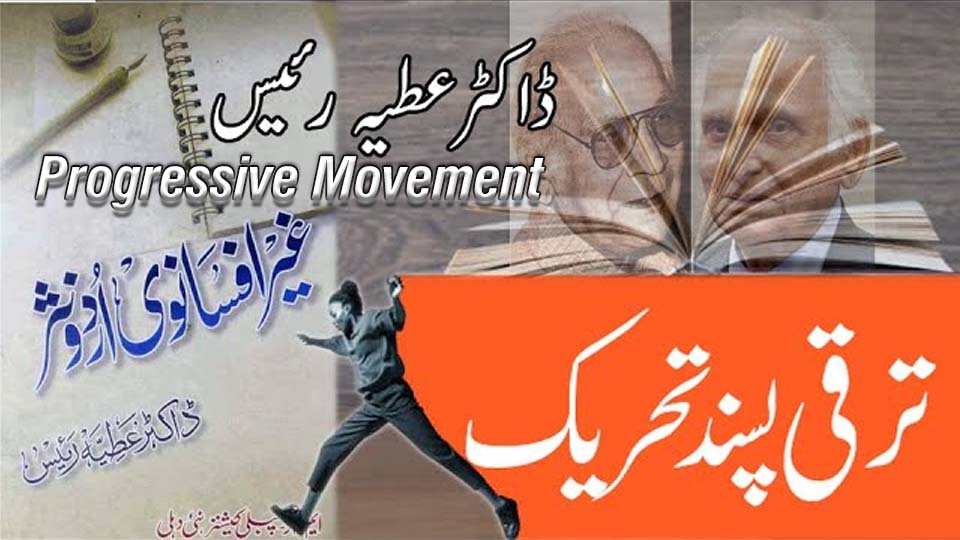
Progressive Movement begins this discussion not as a slogan, but as a decisive intellectual force that reshaped modern Urdu literature. The Progressive Movement: A Powerful Rise Beyond Stifling Tradition is more than a title—it captures a historical moment when writers refused aesthetic isolation and insisted that literature must engage with life, society, and ideas. Drawing on your provided Urdu text and the scholarly insights of Dr. Atiya Raees’s Non-Fiction Urdu Prose (Post-Independence), this blog examines how the Progressive Movement transformed creative practice, especially in non-fiction Urdu prose after independence.
Why the Progressive Movement Matters in Urdu Literature
The Progressive Movement did not merely introduce new themes; it redefined the purpose of writing. Before and after independence, Urdu criticism often privileged poetry and fiction while relegating non-fiction prose—criticism, biography, autobiography, essays, travelogues, reportage, translation, and letters—to secondary status. Dr. Atiya Raees challenges this imbalance by demonstrating that nonfiction has become the most direct medium for social, political, and intellectual engagement.
In her analysis, the Progressive Movement emerges as a collective response to inequality, feudal structures, and abstract aestheticism. Where “art for art’s sake” confined literature to private sensibility, progressive writers demanded relevance—literature that confronts reality.
Post-Independence Context: From Aesthetics to Action
After independence, Urdu literature encountered urgent questions of identity, justice, and nationhood. While poetry and fiction received extensive critical attention, non-fiction Urdu literature after independence became the arena where ideas were tested against lived experience. Dr. Atiya Raees shows that the Progressive Movement offered a framework to understand these shifts: literature as mission, not ornament.
This reorientation was not abrupt. The intellectual roots of the Progressive Movement trace back to the Sir Syed movement, which promoted reform, rational inquiry, and social consciousness. Between Sir Syed and the formal organization of progressive writers, many authors—though unaffiliated—shared a common ethical impulse: to represent society honestly.
Non-Fiction Prose: The Movement’s Direct Voice
One of the book’s central contributions is its sustained focus on non-fiction prose. Dr. Atiya Raees argues that genres such as criticism, biography, autobiography, essays, sketches, travel writing, reportage, translation, and epistolary writing became the most effective instruments of the Progressive Movement.
Why? Because non-fiction could speak plainly. It documented injustice, analyzed ideology, and mapped social change without fictional mediation. In doing so, it connected literature to public life—politics, economics, culture, and ethics.
Intellectual Lineage: From Sir Syed to Organized Progressivism
Dr. Atiya Raees highlights the continuity between the Sir Syed movement and the Progressive Movement. Both emphasized social reform, new literary consciousness, and a rejection of insular traditionalism. In the interregnum, writers addressed social issues independently; their voices were scattered but ideologically aligned.
In poetry, figures such as Iqbal and Chakbast engaged political and social themes. In fiction, Premchand gave compelling form to class inequality and popular suffering. In non-fiction, Abul Kalam Azad, Sheikh Abdul Qadir, Maulvi Abdul Haq, Syed Sulaiman Nadvi, Ghulam Rasul Mehr, and Khwaja Hasan Nizami documented a changing society—even without formal affiliation. The Progressive Movement would soon gather these impulses into a coherent platform.
Organization, Manifesto, and Mission
The Progressive Movement gained formal shape in 1936 with the founding of the Progressive Writers’ Association. Early leaders—many educated in Europe—were deeply aware of anti-capitalist and anti-fascist currents abroad. At home, feudalism, unequal wealth distribution, and mass deprivation compelled action.
Unlike literary circles that favored aesthetic autonomy, progressive writers rejected “art for art’s sake.” Their manifesto declared a duty: Indian writers must represent progressive tendencies and align literature with life. Meetings in London involving Sajjad Zaheer, Mulk Raj Anand, M.D. Taseer and Jyoti Ghosh laid the groundwork. The first conference in Lucknow, presided over by Premchand, affirmed literature as an instrument of struggle and constructive thought—not mere entertainment.
Here, the Progressive Movement proved its organizational strength: a bold collective vision replacing scattered dissent.
Resistance and Legacy
The movement faced fierce opposition from conservative and religious quarters and was frequently labeled irreligious. Yet writers such as Sajjad Zaheer, Sibte Hasan, Krishan Chander, Ismat Chughtai, Faiz Ahmed Faiz, Makhdoom Mohiuddin, Majaz, and Jazbi advanced its ideals across genres.
Crucially, non-fiction Urdu prose became the archive of this struggle. Through essays, criticism, reportage, and memoir, progressive authors recorded the contradictions of their time—colonial residue, class conflict, and cultural transformation. Even when internal debates and ideological fractures later emerged, the Progressive Movement had already redirected the intellectual compass of Urdu literature toward social realism and purpose.
Why Dr. Atiya Raees’s Study Is Pivotal
Although comprehensive biographical details about Dr. Atiya Raees are scarce, her scholarship speaks for itself. By mapping nearly five decades of non-fiction in relation to progressivism, modernism, and postmodernism, she fills a critical gap in Urdu criticism. Her work proves that to understand post-independence literature fully, one must take non-fiction seriously—as a genre that mirrors society more directly than any other.
Conclusion: Beyond Stifling Tradition
The Progressive Movement was not an accidental trend; it was the culmination of reformist thought and collective resolve. It challenged conservatism, resisted abstraction, and insisted on relevance. Above all, it elevated non-fiction Urdu literature after independence from the margins to the center of critical discourse.
By foregrounding this legacy, Dr. Atiya Raees reminds us that literature gains its deepest power when it engages the world. Progressive Movement—as a bold, purposeful, and enduring force—continues to shape how Urdu writers think about art, society, and responsibility.
If you’re interested in reading this book, click the link below for a free download.
https://drive.google.com/file/d/1hovXAGig3hdHmsZkKUbbYmHO3L3TJtMm/view?usp=drive_link
If you’d like to listen to this book in audio format, click the CONTACT button below to get in touch with the AwazeUrdu team to order the audiobook.
You can also watch the same video on these social media platforms.
اردو ادب کی تاریخ میں ادبی تحریکات نے نہ صرف تخلیقی رویّوں کی تشکیل کی ہے بلکہ ادب کے سماجی، فکری اور تہذیبی کردار کو بھی واضح کیا ہے۔ آزادی کے بعد کے دور میں اردو ادب نے جن فکری و اسلوبی تبدیلیوں کا سامنا کیا، ان کا صحیح ادراک اسی وقت ممکن ہے جب ہم شاعری اور افسانے کے ساتھ ساتھ غیرافسانوی نثر کو بھی سنجیدگی سے دیکھیں۔ بدقسمتی سے اردو تنقید میں غیرافسانوی نثر کو اکثر ثانوی حیثیت دی گئی، حالانکہ یہی صنف سماج، سیاست اور فکر کی براہِ راست ترجمان رہی ہے۔ اسی تناظر میں ڈاکٹر عطیہ رئیس کی کتاب „غیرافسانوی اردو نثر (مابعدِ آزادی)“ ایک نہایت اہم اور توجہ طلب علمی کاوش کی حیثیت رکھتی ہے۔
اگرچہ ڈاکٹر عطیہ رئیس کے بارے میں مستند سوانحی معلومات اس وقت انٹرنیٹ یا عام ادبی مراجع میں دستیاب نہیں، تاہم ان کی یہ تصنیف خود اس بات کی گواہ ہے کہ وہ اردو ادب، خصوصاً غیرافسانوی نثر کے مطالعے پر گہری نظر رکھتی ہیں۔ علمی حلقوں میں اکثر ایسا ہوتا ہے کہ بعض محققین ذاتی شہرت یا نمایاں ادبی حلقوں سے وابستگی کے بغیر بھی ایسا تحقیقی کام انجام دیتے ہیں جو اپنی علمی وقعت اور حوالہ جاتی حیثیت کی بنا پر معتبر تسلیم کیا جاتا ہے۔ ڈاکٹر عطیہ رئیس کی مذکورہ کتاب بھی اسی نوع کی ایک سنجیدہ اور معیاری تصنیف ہے، جو اردو تنقید میں ایک خلا کو پُر کرتی نظر آتی ہے۔
ڈاکٹر عطیہ رئیس کی کتاب „غیرافسانوی اردو نثر (مابعدِ آزادی)“ آزادی کے بعد اردو ادب کے ایک ایسے شعبے کا جامع مطالعہ پیش کرتی ہے جسے طویل عرصے تک نظرانداز کیا جاتا رہا۔ مصنفہ کے مطابق آزادی کے بعد شاعری اور افسانوی نثر پر تو وافر مقدار میں تنقیدی اور تحقیقی کام ہوا، مگر غیرافسانوی نثر—جس میں تحقیق و تنقید، سوانح، خودنوشت، انشائیہ، خاکہ، سفرنامہ، رپورتاژ، ترجمہ اور مکتوب نگاری شامل ہیں—کو اس کی وسعت اور سماجی اثرات کے باوجود مناسب توجہ نہ مل سکی۔ اس کتاب میں مصنفہ نے تقریباً پچاس برسوں پر محیط غیرافسانوی نثر کے ارتقائی سفر کو ترقی پسندی، جدیدیت اور مابعد جدیدیت جیسی ادبی تحریکات کے تناظر میں پرکھا ہے اور یہ واضح کیا ہے کہ بدلتے ہوئے سیاسی، سماجی اور فکری حالات نے اس نثر کی ہیئت اور موضوعات کو کس طرح متاثر کیا۔
آوازِاردو نے”ترقی پسند تحریک” سے متعلق اس کتاب کے ایک باب کا اقتباس اپنی ویڈیو میں پڑھ کر سنایا ہے، جس میں ڈاکٹر عطیہ رئیس نے ترقی پسند تحریک کے فکری پس منظر، مقاصد اور ابتدائی مراحل پر مفصل گفتگو کی ہے۔ ان کے مطابق اردو ادب میں ترقی پسند تحریک کی جڑیں دراصل سرسید تحریک سے جا ملتی ہیں، کیونکہ دونوں تحریکوں کے درمیان نئے ادبی شعور، سماجی فکر اور اصلاحی رویّے کے حوالے سے گہرا ربط پایا جاتا ہے۔ سرسید تحریک اور باقاعدہ ترقی پسند تحریک کے درمیانی عرصے میں اردو کے بہت سے ادیب اور شاعر انفرادی سطح پر تخلیق اور تنقید میں مصروف رہے۔ اگرچہ وہ کسی منظم ادبی تحریک سے وابستہ نہیں تھے، لیکن ان کا فکری زاویہ کم و بیش یکساں تھا۔
شاعری میں شاد، اقبال اور چکبست جیسے شعرا نے اپنے عہد کے سیاسی اور سماجی حالات کو موضوع بنایا، جبکہ افسانوی نثر میں پریم چند نے عوامی مسائل اور طبقاتی ناہمواریوں کی بھرپور ترجمانی کی۔ اسی طرح غیر افسانوی نثر میں ابوالکلام آزاد، جلیل قدوائی، شیخ عبدالقادر، مولوی عبدالحق، سید سلیمان ندوی، غلام رسول مہر اور خواجہ حسن نظامی جیسے اہلِ قلم نے بدلتے ہوئے سماج کی عکاسی کی، حالانکہ ان کا تعلق کسی باقاعدہ تحریک سے نہیں تھا۔
ڈاکٹر عطیہ رئیس کے نزدیک ترقی پسند تحریک کی اصل اہمیت یہ ہے کہ اس نے ان بکھری ہوئی آوازوں، خیالات اور رجحانات کو اجتماعی اور منظم صورت میں پیش کیا اور ادیبوں کو ایک مشترکہ پلیٹ فارم فراہم کیا۔ مصنفہ لکھتی ہیں کہ اس تحریک کا باقاعدہ آغاز 1936ء میں ہوا اور ابتدا میں اسے محض ایک ادبی تحریک نہیں بلکہ ایک مشن کے طور پر دیکھا گیا۔ اس کے بانی مغربی تعلیم یافتہ تھے اور یورپ میں سرمایہ داری اور فسطائیت کے خلاف ابھرنے والی تحریکوں سے گہری واقفیت رکھتے تھے۔ ہندوستان میں جاگیرداری نظام، دولت کی غیر منصفانہ تقسیم اور عوام کی بدحالی نے ان تعلیم یافتہ نوجوانوں کو بے چین کر رکھا تھا۔
مصنفہ یہ بھی واضح کرتی ہیں کہ اس وقت اردو ادب میں بعض انجمنیں موجود تھیں، جیسے گلزارِ ادب، نیا ادب اور اصلاحِ سخن، جن کا نظریہ زیادہ تر ادب برائے ادب تک محدود تھا۔ اس کے برخلاف ترقی پسند مصنفین تصور پرستی کے خلاف تھے اور ادب کو زندگی اور سماج سے جوڑنے کے خواہاں تھے۔ سجاد ظہیر، ملک راج آنند، ایم ڈی تاثیر اور جیوتی گھوش جیسے ادیب لندن میں ادبی نشستیں منعقد کرتے تھے، جہاں انڈین پروگریسو رائٹرز ایسوسی ایشن کے قیام اور اس کے مینی فیسٹو کی تیاری کا فیصلہ ہوا۔
ڈاکٹر عطیہ رئیس کے مطابق سجاد ظہیر اس تحریک کے روحِ رواں تھے۔ انجمن کے پہلے مینی فیسٹو میں اس بات پر زور دیا گیا کہ ہندوستانی مصنفین کا فرض ہے کہ وہ ملک میں ابھرنے والے ترقی پسند رجحانات کی ترجمانی کریں۔ 1936ء میں لکھنؤ میں منعقد ہونے والی پہلی کانفرنس، جس کی صدارت پریم چند نے کی، اس تحریک کی فکری وسعت اور ہمہ گیری کی بہترین مثال تھی۔ پریم چند نے اپنے صدارتی خطبے میں ادب کو محض تفریح کے بجائے عمل، جدوجہد اور تعمیری فکر کا وسیلہ قرار دیا۔
مصنفہ کے مطابق ترقی پسند تحریک دراصل قدامت پرستی، تصور پرستی اور جاگیردارانہ ذہنیت کے خلاف ایک منظم ادبی جدوجہد تھی۔ اگرچہ اسے مذہبی اور قدامت پسند حلقوں کی شدید مخالفت کا سامنا کرنا پڑا اور اسے الحاد سے جوڑا گیا، لیکن اس کے باوجود ترقی پسند ادیب اپنے مقصد پر قائم رہے۔ سجاد ظہیر، سبط حسن، کرشن چندر، عصمت چغتائی، فیض احمد فیض، مخدوم محی الدین، مجاز اور جذبی جیسے ادیبوں نے اس تحریک کے نظریات کو اپنی تخلیقات کے ذریعے فروغ دیا۔
ڈاکٹر عطیہ رئیس اپنی اس کتاب کے ذریعے یہ واضح کرنا چاہتی ہیں کہ ترقی پسند تحریک کوئی اچانک نمودار ہونے والا ادبی رجحان نہیں تھی، بلکہ اس کی فکری بنیادیں سرسید تحریک اور آزادی سے قبل کے سماجی شعور میں پیوست تھیں۔ اس تحریک نے اردو ادب کو تصور پرستی اور انفرادیت سے نکال کر اجتماعی سماجی شعور، مقصدیت اور حقیقت نگاری کی طرف موڑا۔ اگرچہ بعد کے ادوار میں اس تحریک کو فکری تضادات اور مخالفت کا سامنا رہا، تاہم اردو ادب کی فکری سمت متعین کرنے میں اس کا کردار بنیادی اور ناقابلِ انکار ہے۔ ڈاکٹر عطیہ رئیس کی کتاب اسی تاریخی اور فکری عمل کو مربوط اور تحقیقی انداز میں سامنے لاتی ہے، اور یہی اس تصنیف کی سب سے بڑی ادبی اہمیت ہے۔