
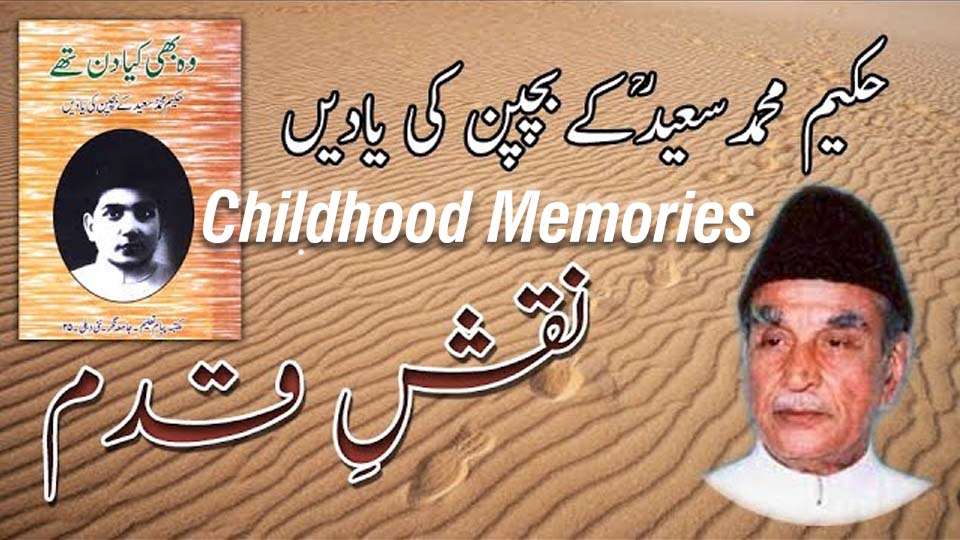
childhood memories are not merely fragments of the past; they are living lessons that shape character, values, and direction in life. childhood memories carry within them the moral training, cultural discipline, and emotional intelligence that often determine who we become as adults. In the life and writings of Hakim Muhammad Saeed, childhood memories emerge as a guiding force—painful at times, inspiring at others, yet always purposeful. Through his recollections, he reveals how following the footsteps of elders builds moral strength and inner clarity.
A Refined Civilization Before Partition
Before the Partition of the Subcontinent, Indian Muslims had established a refined and exemplary cultural standard. This civilization rested on respect for humanity, obedience to elders, humility, simplicity, and harmony between words and actions. Children were trained at home and in society to believe that true success lay in following the path shown by elders.
Hakim Muhammad Saeed was raised within this cultural framework. His childhood memories were not recorded as nostalgic stories alone, but as a conscious responsibility. He preserved them so future generations could understand a way of life rooted in ethics, discipline, and respect. Whether one follows those lessons or not is a personal choice—but the path, as he shows, is clearly illuminated.
Hakim Muhammad Saeed: A Multifaceted Role Model
Hakim Muhammad Saeed was a rare combination of physician, researcher, writer, journalist, social reformer, and sincere well-wisher of children. Institutions like Hamdard Foundation, Hamdard University, and the children’s magazine Hamdard Naunehal stand as practical evidence of his intellectual vision and national service.
Among all his contributions, his concern for children’s moral and intellectual upbringing stands out. He believed that a nation’s future depends not merely on education, but on values transmitted during childhood. His childhood memories repeatedly return to this core idea: character is built early, and elders are its architects.
“Those Were the Days”: A Meaningful Autobiography
His book “Woh Bhi Kya Din Thay: Hakim Muhammad Saeed’s Childhood Memories” is a simple yet deeply meaningful autobiographical work. Written in clear and accessible Urdu, it allows children and young readers to easily connect with its message. The book vividly portrays family life, education, games, teachers, elders, and the social atmosphere of that era.
Through these childhood memories, readers witness the gradual formation of a personality that would later serve the nation selflessly. The book does not glorify privilege or achievement; instead, it highlights discipline, gratitude, and learning through experience.
Words and Actions Must Align
One particularly powerful chapter, “Yaadein Baqi Hain” (Memories Remain), emphasizes the importance of consistency between words and actions. Hakim Muhammad Saeed recalls hearing the famous poet Nawab Sail Dehlvi, whose dignified personality left a lasting impression on him. A satirical verse by the poet mocked those who say one thing and do another.
This idea struck young Hakim deeply. From that moment, he internalized a lifelong principle: hypocrisy weakens character, while integrity strengthens it. Such childhood memories later shaped his ethical stance in professional and personal life.
Walking in the Footsteps of Elders
One of the most symbolic incidents he narrates involves walking alongside his elder brother, Hakim Abdul Hameed. As a child, Hakim Muhammad Saeed tried to place his feet exactly where his brother had stepped. Despite his shorter height and smaller steps, he made every effort not to stray from that path.
This physical act became a lifelong metaphor. For him, following elders was not blind imitation, but conscious discipline. He openly acknowledges that whatever he became was due to his elder brother’s guidance, sacrifices, and training. These childhood memories reinforce the idea that moral inheritance is as vital as material legacy.
A Lesson in Humility and Self-Accountability
Another unforgettable incident involves a shiny Turkish cap purchased from Chandni Chowk. Filled with pride, young Hakim wore it to the shrine of Hazrat Nizamuddin Auliya. In a moment of excitement and arrogance, the cap fell into the water and was lost forever.
When asked about it at home, he lowered his head in silence. This moment planted a permanent lesson in humility and self-accountability. Through such childhood memories, Hakim Muhammad Saeed teaches that pride often leads to loss, while humility builds inner greatness.
Timeless Moral Lessons for Today
Through these narratives, Hakim Muhammad Saeed conveys clear moral teachings:
- Consistency between words and actions is essential.
- Following elders provides direction and stability.
- Arrogance results in regret, humility in growth
- True greatness lies in simplicity and self-reflection
These lessons, rooted in childhood memories, remain profoundly relevant today.
Conclusion: Moral Progress Over Material Advancement
In essence, “Woh Bhi Kya Din Thay” is not just a collection of personal recollections—it is a cultural and ethical document. Through his childhood memories, Hakim Muhammad Saeed transfers values, discipline, and lived wisdom to future generations. His writings remind us that real progress is not material, but moral and cultural.
If contemporary society revives respect for elders, truthfulness, humility, and strength of character, it can once again move toward the light reflected in the childhood memories of Hakim Muhammad Saeed.
If you’re interested in reading this book, click the link below for a free download.
https://drive.google.com/file/d/1ch323bdjTdQCTDFtlXTkBLztTJLXXFUJ/view?usp=sharing
If you’d like to listen to this book in audio format, click the CONTACT button below to get in touch with the AwazeUrdu team to order the audiobook.
You can also watch the same video on these social media platforms.
Beyond these inspiring childhood memories, Hakim Muhammad Saeed was also a keen traveler who observed cultures with the same depth, discipline, and moral insight that shaped his early life. His travel writings reflect curiosity, humility, and a continuous desire to learn from the world. To explore this lesser-known yet fascinating aspect of his personality, readers are invited to read the blog “The Wonders and Lessons of Saeed Sayyah in Japan,” which offers valuable reflections drawn from his journey and thoughtful observations of Japanese society.
تقسیمِ ہند سے قبل ہندوستانی مسلمانوں نے تہذیب و ثقافت کا ایک بلند اور مثالی معیار قائم کر رکھا تھا۔ اس تہذیب کی بنیاد احترامِ انسانیت، بڑوں کی عزت، بزرگوں کی اطاعت، سادگی، انکساری اور قول و فعل کی یکسانیت پر تھی۔ گھریلو تربیت اور سماجی ماحول میں بچوں کو ابتدا ہی سے یہ سکھایا جاتا تھا کہ بزرگوں کے نقشِ قدم پر چلنا ہی زندگی کی اصل کامیابی ہے۔ حکیم محمد سعیدؒ بھی اسی تہذیبی روایت کے پروردہ تھے۔ انہوں نے اپنی تحریروں میں اپنے بچپن کی یادوں کو محض ماضی کی داستان کے طور پر نہیں، بلکہ ایک ذمہ داری اور عزم کے تحت محفوظ کیا تاکہ آنے والی نسلیں اس تہذیب، اس تربیت اور ان اقدار سے واقف ہو سکیں۔ ان یادوں پر عمل کرنا یا نہ کرنا قاری کا اپنا انتخاب ہے، مگر راستہ واضح کر دیا گیا ہے۔
حکیم محمد سعیدؒ برصغیر کی ایک ہمہ جہت، درخشاں اور باوقار علمی و فکری شخصیت تھے۔ وہ ماہرِ طب، محقق، ادیب، صحافی، سماجی رہنما اور بچوں کے مخلص خیر خواہ تھے۔ ہمدرد فاؤنڈیشن، ہمدرد یونیورسٹی اور ’’ہمدرد نونہال‘‘ جیسے ادارے اور رسائل ان کی فکری وسعت اور قومی خدمت کا عملی ثبوت ہیں۔ خصوصاً بچوں کے لیے ان کی محبت اور فکری کاوشیں ان کی شخصیت کا نمایاں پہلو ہیں۔ انہوں نے بچوں کی ذہنی، اخلاقی اور تہذیبی تربیت کو ہمیشہ اوّلین ترجیح دی۔
کتاب
’’وہ بھی کیا دن تھے: حکیم محمد سعیدؒ کے بچپن کی یادیں‘‘
دراصل ایک سادہ مگر بامعنی خود نوشت ہے، جس میں حکیم محمد سعیدؒ نے اپنے بچپن کے حسین، معصوم اور سبق آموز لمحات کو قلم بند کیا ہے۔ یہ کتاب اردو زبان میں نہایت شستہ اور سادہ انداز میں لکھی گئی ہے تاکہ بچے اور نوجوان بآسانی اسے سمجھ سکیں۔ اس میں مصنف کے خاندانی ماحول، تعلیم، کھیل کود، اساتذہ، بزرگوں اور اس دور کی سماجی فضا کی بھرپور عکاسی ملتی ہے۔ قاری کو اس کتاب کے مطالعے سے ایک ایسی شخصیت کی تشکیل کا سفر دکھائی دیتا ہے جو آگے چل کر قوم کا محسن بنی۔
یوں تو پوری کتاب میں حکیم محمد سعیدؒ نے ماضی کی یادوں کو نہایت سادگی اور اثرانگیزی سے بیان کیا ہے، مگر باب ’’یادیں باقی ہیں‘‘
خاص طور پر توجہ کا مرکز ہے، جس کا ایک حصہ آوازِاردو نے بچوں کے لیے تیار کی گئی ویڈیو میں پڑھ کر سنایا ہے۔ اس حصے میں حکیم صاحب نے عملی زندگی میں قول و فعل کی یکسانیت اور بزرگوں کی پیروی کی اہمیت کو نہایت خوبصورتی سے واضح کیا ہے۔
وہ برصغیر کے معروف شاعر نواب سائل دہلوی کا ذکر کرتے ہیں، جن کی شخصیت نہایت باوقار، مضبوط اور رعب دار تھی۔ حکیم صاحب نے انہیں مشاعروں اور نجی محفلوں میں قریب سے سنا۔ سائل دہلوی کا ایک طنزیہ مصرع
’’جنابِ شیخ کا نقشِ قدم یوں بھی اور یوں بھی‘‘
حکیم محمد سعیدؒ کے ذہن پر گہرا اثر چھوڑ گیا۔ اس مصرع کے ذریعے شاعر نے ان لوگوں پر طنز کیا تھا جو زبان سے کچھ کہتے ہیں اور عمل میں کچھ اور کرتے ہیں۔ یہی خیال حکیم صاحب کے دل میں سوال بن کر ابھرا کہ انسان کو دوغلا نہیں ہونا چاہیے۔
اسی فکر کو وہ اپنی عملی زندگی کے ایک واقعے سے جوڑتے ہیں۔ وہ بتاتے ہیں کہ بچپن میں جب وہ اپنے بڑے بھائی حکیم عبد الحمیدؒ کے ساتھ گھر سے نکلتے تو کوشش کرتے کہ اپنا قدم ٹھیک اسی جگہ رکھیں جہاں بھائی جان کا قدم پڑتا تھا۔ اگرچہ یہ کام ان کے چھوٹے قد اور قدموں کے باعث مشکل ہوتا، مگر وہ ہر ممکن کوشش کرتے کہ راستہ ٹیڑھا نہ ہو۔ یہ عمل ان کے لیے ایک علامت بن گیا کہ زندگی میں بھی بزرگوں کے بتائے ہوئے راستے سے ہٹنا نہیں چاہیے۔ وہ اعتراف کرتے ہیں کہ آج وہ جو کچھ بھی ہیں، اپنے بڑے بھائی کی تربیت، قربانیوں اور رہنمائی کا نتیجہ ہیں۔
اس کے بعد حکیم محمد سعیدؒ بچپن کا ایک اور نہایت دلچسپ مگر سبق آموز واقعہ بیان کرتے ہیں۔ چاندنی چوک سے خریدی گئی چمک دار ترکی ٹوپی، جس پر وہ بے حد فخر کرتے تھے، ایک دن حضرت نظام الدین اولیاؒ کی درگاہ پر باؤلی کے پاس جوش اور فخر کے عالم میں سر ہلانے سے پانی میں جا گری اور ہمیشہ کے لیے ضائع ہو گئی۔ گھر پہنچ کر جب والدہ نے ٹوپی کے بارے میں پوچھا تو حکیم صاحب شرمندگی سے سر جھکا کر خاموش ہو گئے۔ یہ واقعہ ان کے دل میں عاجزی اور خود احتسابی کا مستقل درس بن گیا۔
اس مضمون کے ذریعے حکیم محمد سعیدؒ بچوں کو واضح طور پر یہ سکھانا چاہتے ہیں کہ:
- انسان کو قول و فعل میں یکسانیت اختیار کرنی چاہیے
- بزرگوں کے نقشِ قدم پر چلنا کامیابی کی بنیاد ہے
- تکبر اور بے جا فخر انجامِ کار شرمندگی کا باعث بنتا ہے
- سادگی، عاجزی اور خود احتسابی ہی اصل عظمت ہیں
مختصراً، ’’وہ بھی کیا دن تھے‘‘ محض بچپن کی یادوں کا مجموعہ نہیں بلکہ ایک تہذیبی دستاویز ہے، جس کے ذریعے حکیم محمد سعیدؒ نے آنے والی نسلوں کو اپنی اقدار، تربیت اور تجربات منتقل کیے ہیں۔ ان کی تحریریں ہمیں یہ احساس دلاتی ہیں کہ اصل ترقی مادّی نہیں بلکہ اخلاقی اور تہذیبی ہوتی ہے۔ اگر آج بھی ہم بزرگوں کا احترام، سچائی، عاجزی اور کردار کی مضبوطی کو اپنا لیں تو معاشرہ ایک بار پھر اسی روشنی کی طرف لوٹ سکتا ہے جس کی جھلک حکیم محمد سعیدؒ کے بچپن میں نظر آتی ہے۔