
Balanced Humor is not merely a modern psychological concept; it is a deeply rooted principle acknowledged by both contemporary medical science and Islamic teachings. Modern health research confirms that happiness, smiling, and mental relaxation play a crucial role in improving immunity, reducing stress, and enhancing overall productivity. A joyful person is less vulnerable to anxiety, nervous tension, and psychosomatic illnesses. Interestingly, this scientific understanding aligns perfectly with the Islamic worldview, which never promotes unnecessary gloom or excessive rigidity.
Balanced Humor and the Islamic Concept of Gratitude
In Islam, happiness is closely tied to shukr (gratitude). Gratitude does not mean passive acceptance but an inner sense of satisfaction and joy over Allah’s blessings. Islam teaches believers to view life not as a burden but as a divine gift. Balanced Humor emerges naturally from this mindset, where emotional well-being, optimism, and thankfulness coexist.
Islam discourages dwelling on past sorrows or deliberately suppressing joy under the guise of false piety. Genuine spirituality does not demand emotional dryness. Instead, it promotes emotional balance, psychological ease, and a healthy appreciation of life.
Maulana Muhammad Ruhullah Naqshbandi and Balanced Humor
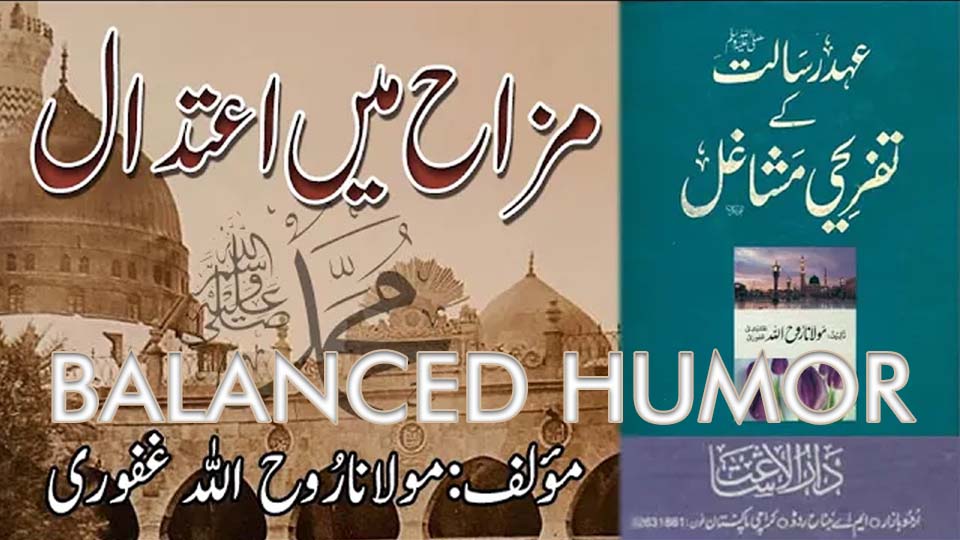
This balanced and humane vision is eloquently discussed by Maulana Muhammad Ruhullah Naqshbandi Ghafuri, a respected Islamic scholar and author. His book “Ahd-e-Risalat ke Tafreehi Mashaghil” sheds light on the often-overlooked recreational and joyful aspects of the Prophetic era. One of its most insightful chapters, “Zarafat Mein Aitidal” (Moderation in Humor), provides compelling guidance on Balanced Humor in Islam.
Maulana Naqshbandi is known for presenting complex religious teachings in a simple, practical, and reader-friendly manner. His works emphasize moral refinement, balanced temperament, and living Islam as a complete way of life rather than a rigid ideology.
Balanced Humor in the Life of the Prophet ﷺ
A common misconception is that the life of the Prophet Muhammad ﷺ and his Companions was confined to worship, warfare, and solemnity. In reality, the Prophetic lifestyle beautifully incorporates balanced humor, smiles, light-hearted conversations, and permissible recreation.
The Prophet ﷺ was naturally cheerful. He engaged in friendly humor with his companions, yet his humor never involved falsehood, vulgarity, or mockery. He clearly stated that even in jest, he spoke nothing but the truth. This sets a timeless ethical framework for humor—one that is joyful yet dignified.
Why Constant Seriousness Is Not Islamic
Islam does not endorse perpetual seriousness or emotional suppression. Human hearts, like bodies, grow tired. Recognizing this psychological reality, Islamic tradition encourages emotional refreshment. Sayings of the Companions reinforce this idea. Hazrat Ali (RA) advised that hearts should occasionally be relaxed, as continuous pressure weakens them.
Similarly, scholars like Imam Sha‘bi highlighted that unnatural silence and excessive rigidity during moments of happiness contradict human nature. Balanced Humor thus becomes essential for emotional health and spiritual sustainability.
The Danger of Extremes: Humor Without Limits vs. No Humor at All
Maulana Naqshbandi strongly warns against imbalance. Some gatherings are so rigid that humor is seen as sinful, while others indulge in uncontrolled joking that erodes dignity, ethics, and religious boundaries. Islam rejects both extremes.
Balanced Humor is the middle path—rooted in moderation, respect, and moral consciousness. The Seerah of the Prophet ﷺ serves as the perfect benchmark, where joy and restraint harmoniously coexist.
Islam, Ease, and Emotional Well-Being
Qur’an and Hadith consistently affirm that Islam is a religion of ease, not hardship. Allowing children to play on Eid, witnessing cultural games, and openly declaring dislike for unnecessary rigidity all reflect Islam’s compassionate nature. Even supplications for refreshment of the heart illustrate Islam’s emphasis on emotional well-being.
From this perspective, Balanced Humor is not a concession but an integral part of Islamic life.
Conclusion: Balanced Humor as the Ideal Islamic Lifestyle
Ultimately, Maulana Ruhullah Naqshbandi’s message is clear: Islam aims to nurture a balanced individual—serious yet cheerful, devoted yet lively, disciplined yet emotionally fulfilled. Harshness, despair, and unnatural rigidity are discouraged, while joy within limits is celebrated.
If you’re interested in reading this book, click the link below for a free download.
https://drive.google.com/file/d/1IQpQw-WsQ40kqg7KYvmPA3URahnNKGeV/view?usp=sharing
If you’d like to listen to this book in audio format, click the CONTACT button below to get in touch with the AwazeUrdu team to order the audiobook.
You can also watch the same video on these social media platforms.
Balanced Humor teaches us that faith and happiness are not opposites. A truly Islamic life is one where worship, ethics, joy, and moderation blend into a harmonious whole—unlocking inner peace and genuine contentment.
جدید میڈیکل سائنس اس حقیقت کو تسلیم کرتی ہے کہ خوشی، مسکراہٹ اور ذہنی فرحت انسانی صحت پر نہایت مثبت اثرات مرتب کرتی ہیں۔ خوش رہنے والا انسان ذہنی دباؤ، اعصابی تناؤ اور کئی جسمانی بیماریوں سے نسبتاً محفوظ رہتا ہے، اس کا مدافعتی نظام بہتر ہوتا ہے اور اس کی مجموعی کارکردگی میں اضافہ ہوتا ہے۔ یہی تصور ہمیں دینِ اسلام میں بھی نہایت واضح صورت میں ملتا ہے۔ اسلام نے مسلمان کو شکرگزاری کا جو جامع تصور دیا ہے، اس کا بنیادی مفہوم یہی ہے کہ انسان اللہ تعالیٰ کی عطا کردہ نعمتوں پر دل سے خوش ہو، ان پر قناعت اور اطمینان محسوس کرے اور زندگی کو بوجھ نہیں بلکہ نعمت سمجھے۔
اسلام خوشی کے مواقع پر بلا وجہ غمگین ہونے، ماضی کے دکھ یاد کرکے خود کو رنجیدہ رکھنے اور خوشی کے لمحات کو زہد و سنجیدگی کے نام پر ضائع کرنے کو پسند نہیں کرتا۔ اسی متوازن، فطری اور انسان دوست تصور کو مولانا محمد روح اللہ نقشبندی غفوری نے اپنی کتاب “عہدِرسالت کے تفریحی مشاغل” میں تفصیل سے بیان کیا ہے۔ بالخصوص اس کتاب کا باب “ظرافت میں اعتدال”اس موضوع پر نہایت جامع اور مدلل رہنمائی فراہم کرتا ہے، جس کا ذکر آگے تفصیل سے آ رہا ہے۔
مولانا محمد روح اللہ نقشبندی غفوری اردو کے ممتاز دینی مصنف اور عالمِ اسلام ہیں، جنہوں نے اسلامی تعلیمات، اخلاقیات، فقہی مسائل، مطالعے کی اہمیت اور سیرتِ نبوی ﷺ کے مختلف پہلوؤں پر متعدد مفید کتابیں اور رسائل تصنیف کیے ہیں۔ ان کی تحریروں کا امتیاز یہ ہے کہ وہ دینی نکات کو نہایت سادہ، عام فہم اور عملی انداز میں پیش کرتے ہیں تاکہ قاری محض معلومات ہی حاصل نہ کرے بلکہ اپنی عملی زندگی میں بھی اصلاح لا سکے۔
ان کی نمایاں تصانیف میں طالب علم کے شب و روز، فضیلتِ مسواک، عمامہ کے فضائل و مسائل اور عہدِ رسالت ﷺ کے مفسرینِ کرام جیسی کتابیں شامل ہیں، جو طلبہ، عام قارئین اور دینی ذوق رکھنے والوں کے لیے یکساں طور پر مفید ہیں۔ مولانا کی تحریریں اسلامی معاشرت، تقویٰ، توازنِ مزاج اور سنتِ نبوی ﷺ سے عملی وابستگی کو فروغ دیتی ہیں۔
مولانا روح اللہ نقشبندی کی کتاب “عہدِرسالت کے تفریحی مشاغل” ایک منفرد اوربامقصد تصنیف ہے، جس میں عہدِ نبوی ﷺ کی زندگی کے اُن پہلوؤں کو اجاگر کیا گیا ہے جو عموماً نظر انداز کر دیے جاتے ہیں۔ اس کتاب میں یہ واضح کیا گیا ہے کہ نبی کریم ﷺ اور صحابۂ کرامؓ کی زندگی محض عبادات، جنگوں اور سنجیدہ معاملات تک محدود نہ تھی، بلکہ اس میں خوش طبعی، مسکراہٹ، کھیل، تفریح اور انسانی فطرت کے مطابق جائز سرگرمیاں بھی شامل تھیں۔
کتاب کا اسلوب ایسا ہے کہ قاری کو علمی مواد کے ساتھ ساتھ دلچسپی اور ذہنی فرحت بھی حاصل ہوتی ہے۔ یہی وجہ ہے کہ یہ کتاب بالخصوص نوجوانوں اور عام قارئین کے لیے نہایت مفید ہے، کیونکہ یہ دین کو ایک بوجھ نہیں بلکہ آسان، متوازن اور زندگی سے ہم آہنگ نظام کے طور پر پیش کرتی ہے۔
آوازِاردونے اس کتاب کا ایک باب اپنی ویڈیو میں پڑھ کرسنایاہے،جس میں مولانا نقشبندی یہ حقیقت واضح کرتے ہیں کہ اسلام میں خوش طبعی اور مزاح کی اجازت ہی نہیں بلکہ اسے انسانی فطرت کے عین مطابق ایک پسندیدہ وصف قرار دیا گیا ہے۔ تاہم اسلام جس مزاح کی اجازت دیتا ہے، وہ سچائی، شائستگی اور اخلاقی حدود کے اندر ہوتا ہے۔ نبی کریم ﷺ خوش مزاج تھے، صحابہؓ سے دل لگی بھی فرماتے تھے، مگر آپ ﷺ کے مزاح میں کبھی جھوٹ، فحش گوئی یا کسی کی دل آزاری شامل نہیں ہوتی تھی۔ خود حضور ﷺ کا ارشاد ہے کہ میں خوش طبعی کرتا ہوں مگر حق کے سوا کچھ نہیں کہتا۔
مصنف آگے یہ نکتہ واضح کرتے ہیں کہ ہر وقت کی سنجیدگی، ترش روئی اور خشک مزاجی بھی مطلوب نہیں، کیونکہ انسان کا دل بھی جسم کی طرح تھک جاتا ہے۔ اسی لیے صحابۂ کرامؓ اور اکابرین کے اقوال نقل کیے گئے ہیں۔ حضرت علیؓ کا فرمان ہے کہ دل کو کبھی آزاد بھی چھوڑ دینا چاہیے اور خوش کن باتیں سوچنی چاہئیں، کیونکہ دل بھی تھک جاتا ہے۔ امام شعبیؒ کا واقعہ بھی اسی حقیقت کو اجاگر کرتا ہے کہ خوشی کے موقع پر حد سے زیادہ خاموشی اور جمود انسانی فطرت کے خلاف ہے۔
ساتھ ہی مولانا اس بات پر خصوصی زور دیتے ہیں کہ ظرافت میں اعتدال بے حد ضروری ہے۔ ہماری بعض مجالس میں یا تو اس قدر سخت سنجیدگی پائی جاتی ہے کہ مزاح کو ناجائز یا معیوب سمجھ لیا جاتا ہے، اور اگر خوش طبعی کا رجحان غالب آ جائے تو وہ اس حد تک بڑھ جاتا ہے کہ وقار، تہذیب اور دینی حدود پامال ہو جاتی ہیں۔ اس لیے نبی کریم ﷺ کی سیرت کو معیار بنانا چاہیے، جہاں مسکراہٹ، خوش اخلاقی اور دل لگی بھی ہے، مگر حد سے تجاوز نہیں۔
قرآن و حدیث کی روشنی میں مصنف یہ بھی ثابت کرتے ہیں کہ اسلام تنگی اور سختی کا نہیں بلکہ آسانی اور وسعت کا دین ہے۔ عید کے دن بچوں اور نوجوانوں کو کھیلنے کی اجازت دینا، حبشیوں کے کھیل کو خود حضور ﷺ کا دیکھنا، اور یہ ارشاد فرمانا کہ میں نہیں چاہتا کہ تمہارے دین میں سختی نظر آئے—یہ سب اس بات کا ثبوت ہیں کہ جائز حدود میں خوشی، کھیل اور تفریح شریعت کے عین مطابق ہیں۔ حتیٰ کہ دلوں کو وقتاً فوقتاً خوش رکھنے اور سستی و کاہلی سے بچنے کی دعائیں بھی اسی متوازن اسلامی مزاج کی عکاس ہیں۔
آخرکار مولانا روح اللہ نقشبندی اس باب کے ذریعے یہ پیغام دیتے ہیں کہ اسلام ایک ایسے متوازن انسان کی تربیت چاہتا ہے جو سنجیدہ بھی ہو اور خوش مزاج بھی، جو عبادت گزار بھی ہو اور زندگی سے بیزار نہ ہو، جو طاقت، نشاط اور چستی کے ساتھ زندگی گزارے اور اللہ کی نعمتوں پر شکر ادا کرتے ہوئے خوش رہے۔ ترش روئی، مایوسی اور غیر فطری سختی اسلام میں ناپسندیدہ ہیں، جبکہ حدود کے اندر خوشی، ظرافت اور فرحت اسلام کی روح کے عین مطابق ہیں۔ یوں”عہدِرسالت کے تفریحی مشاغل” نامی یہ کتاب ہمیں سکھاتی ہے کہ دین اور خوشی ایک دوسرے کی ضد نہیں، بلکہ صحیح اسلامی زندگی وہی ہے جس میں عبادت، اخلاق، خوشی اور اعتدال سب ایک خوبصورت توازن کے ساتھ موجود ہوں۔