
Critical Thinking as a Foundation of Everyday Life
Critical Thinking plays a decisive role in shaping human life, especially in daily routines where experiences, habits, and decisions continuously interact. A person who consciously practices Critical Thinking does not merely observe events as they appear on the surface but seeks to understand their background, causes, and consequences. This reflective approach trains the mind to rely on reason rather than emotion, leading to balanced judgments and responsible opinions about others.
Unfortunately, in modern society, many decisions are made hastily—based on hearsay, social pressure, or inherited biases. It is precisely this weakness of human judgment that the renowned American thinker and writer Hyman Ruchlis (commonly known as Hi Ruchlis) addressed in his influential writings on logic, science, and rational thought.
Hyman Ruchlis and the Art of Thinking Clearly
Hyman Ruchlis was a distinguished American scientist, educator, and author who made complex ideas accessible to a broader audience. Born in 1913, he devoted much of his life to teaching physics at high school and college levels. During his teaching career, Ruchlis realised that students often accumulate information but lack the ability to think correctly and independently.
This realisation inspired him to write books that sharpen intellectual clarity rather than merely transfer knowledge. His works, written for children, young adults, and general readers, aim to cultivate Critical Thinking as a practical life skill. He passed away in 1992 at the age of 79, leaving behind a legacy of rational inquiry and intellectual honesty.
Clear Thinking: A Practical Introduction
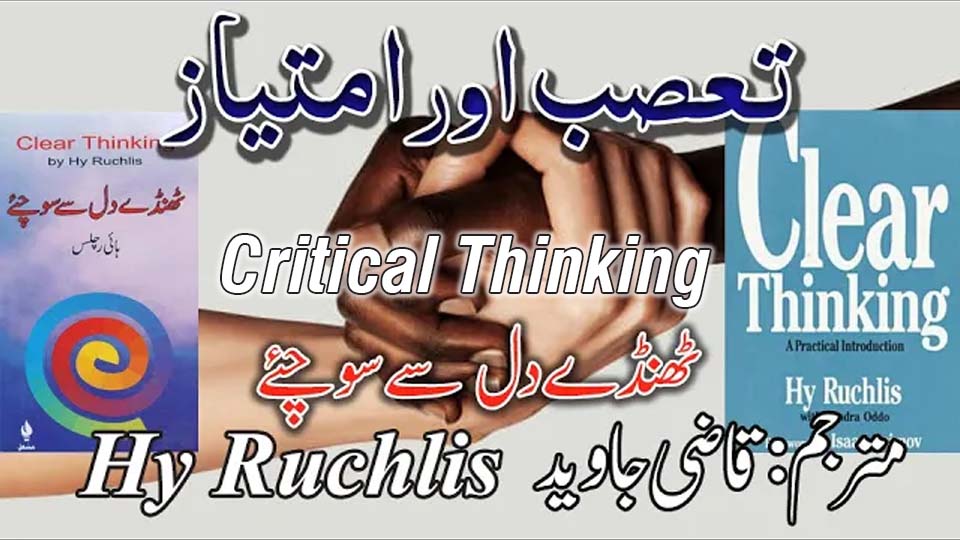
One of his most influential books, Clear Thinking: A Practical Introduction, is a guide that teaches readers how to approach everyday problems logically and responsibly. Ruchlis emphasises that life’s challenges should not be judged through emotions alone but through evidence, reasoning, and thoughtful analysis.
The book explains how unclear language, careless expressions, and vague assumptions often lead to misunderstandings. By promoting clarity in thought and communication, Ruchlis encourages readers to become fair-minded individuals who evaluate situations objectively. At its core, the book is a practical manifesto for Critical Thinking in everyday decision-making.
Bias and Discrimination: A Weakness of Human Judgment
The Urdu translation of this book by Qazi Javed, published by “MASHAL, introduced these ideas to a wider readership. A chapter titled “Bias and Discrimination” was later presented by Awaz-e-Urdu in an audio-visual format, highlighting one of the most critical flaws in human reasoning.
In this chapter, Ruchlis explains how people often form opinions about others without knowing all the facts. Such premature conclusions become the foundation of prejudice and unfair discrimination. Individuals from different societies are frequently judged based on surface-level observations, leading one group to assume superiority over another.
Seeing Only One Side of the Picture
According to Ruchlis, when a person observes only one aspect of a situation, they unconsciously ignore the struggles, background, and lived realities of the other party. This mental shortcut results in labelling others as lazy, incompetent, or unworthy—despite the possibility that reality may be entirely different.
Importantly, the author clarifies that prejudice does not always manifest as hatred or hostility. Sometimes, it appears in the form of favouritism or undue sympathy, where individuals receive advantages based not on merit but on group identity. Such behaviour, too, contradicts the principles of Critical Thinking.
Stereotypes and Intellectual Rigidity
Ruchlis further explores the close relationship between prejudice and stereotyping. Stereotypes emerge when limited or second-hand information is used to form sweeping judgments about entire communities. This process strips individuals of their uniqueness and reduces them to mere representatives of a group.
He describes rigid-minded individuals as those who refuse to revise their opinions even when confronted with new evidence. In contrast, a person trained in Critical Thinking acknowledges the possibility of being wrong and remains open to change. Intellectual flexibility, according to Ruchlis, is a sign of mental maturity.
The Role of Media and Indirect Information
In today’s complex world, people rely heavily on indirect sources of information such as books, newspapers, social media, films, and news outlets. While this reliance is unavoidable, the danger lies in accepting such information unquestioningly. When media narratives are consumed without analysis, they reinforce stereotypes and deepen biases.
The problem, therefore, is not information itself but the absence of Critical Thinking when interpreting it. Rational evaluation and skepticism are essential to separate facts from assumptions.
Why Critical Thinking Matters More Than Ever
Through this chapter, Ruchlis delivers a powerful lesson: prejudice and discrimination are not moral failures alone but intellectual ones. By cultivating Critical Thinking, individuals can overcome mental shortcuts, judge people fairly, and move closer to truth and justice.
This discussion is not merely theoretical; it is a call for personal reform. By viewing individuals as individuals and remaining open to new evidence, one not only becomes more just toward others but also grows intellectually. Ultimately, this philosophy guides us toward becoming better, more responsible human beings.
If you’re interested in reading this book, click the link below for a free download.
https://drive.google.com/file/d/1TtWTatqwZVERvB7lMAL_5eq2GR0gw_7j/view?usp=sharing
If you’d like to listen to this book in audio format, click the CONTACT button below to get in touch with the AwazeUrdu team to order the audiobook.
You can also watch the same video on these social media platforms.
انسان کی روزمرہ زندگی نظم و ضبط، تجربات اور سیکھنے کے مسلسل عمل سے تشکیل پاتی ہے۔ جو شخص اپنے معمولات میں غور و فکر کو جگہ دیتا ہے، وہ محض واقعات کو نہیں دیکھتا بلکہ ان کے پس منظر، اسباب اور نتائج کو بھی سمجھنے کی کوشش کرتا ہے۔ اسی تربیتِ فکر کا نتیجہ یہ ہوتا ہے کہ انسان جذبات کے بجائے عقل سے فیصلے کرتا ہے اور دوسروں کے بارے میں رائے قائم کرتے وقت احتیاط سے کام لیتا ہے۔ مگر بدقسمتی سے ہماری زندگی میں اکثر فیصلے جلدبازی، سنی سنائی باتوں اور تعصبات کی بنیاد پر کیے جاتے ہیں۔ یہی وہ نکتہ ہے جس پر معروف امریکی مفکر اور مصنف ہائی رُچلس نے اپنی تحریروں میں خصوصی توجہ دلائی ہے۔
ہائی رُچلس ایک ممتاز امریکی سائنس دان، استاد اور مصنف تھے جنہوں نے بیسویں صدی میں سائنس، منطق اور تنقیدی سوچ جیسے اہم موضوعات پر نہایت سادہ اور عام فہم انداز میں لکھا۔ ان کا تعلق طبعیات کے شعبے سے تھا اور انہوں نے طویل عرصے تک ہائی اسکول اور کالج کی سطح پر تدریسی خدمات انجام دیں۔ تدریس کے دوران انہیں اس بات کا شدت سے احساس ہوا کہ طلبہ محض معلومات تو حاصل کر لیتے ہیں، مگر درست سوچنے اور صحیح نتیجہ اخذ کرنے کی تربیت سے محروم رہ جاتے ہیں۔ اسی احساس نے انہیں ایسی کتابیں لکھنے پر آمادہ کیا جن کا مقصد قاری کی فکری صلاحیت کو جِلا بخشنا تھا۔ ہائی رُچلس نے بچوں، نوجوانوں اور عام قارئین کے لیے سائنسی اور فکری رہنما کتابیں تحریر کیں اور 1913 میں پیدا ہو کر 1992 میں 79 برس کی عمر میں اس دنیا سے رخصت ہوئے۔
ہائی رُچلس کی معروف کتاب
Clear Thinking: A Practical Introduction
ایک ایسی فکری رہنمائی ہے جو قاری کو درست انداز میں سوچنے کا سلیقہ سکھاتی ہے۔ اس کتاب میں مصنف یہ واضح کرتے ہیں کہ انسان کو روزمرہ زندگی کے مسائل کو محض جذبات کی بنیاد پر نہیں بلکہ عقل، دلیل اور شواہد کی روشنی میں پرکھنا چاہیے۔ وہ اس بات پر زور دیتے ہیں کہ صحیح اور غلط میں امتیاز پیدا کرنے کے لیے سوچ میں وضاحت اور توازن ضروری ہے۔ کتاب میں یہ بھی بتایا گیا ہے کہ الفاظ کا غلط استعمال اور غیر محتاط اندازِ بیان کس طرح غلط فہمیوں کو جنم دیتا ہے۔ مجموعی طور پر یہ کتاب قاری کو سنجیدہ، منصفانہ اور ذمہ دارانہ طرزِ فکر اپنانے کی ترغیب دیتی ہے۔
اس کتاب کا اردو ترجمہ جناب قاضی جاوید نے کیا، جسے ادارہ “مشعل” نے شائع کیا۔ اسی ترجمے کے ایک باب”تعصب اورامتیاز”کا اقتباس آوازِ اردو نے اپنی ایک ترغیبی ویڈیو میں پڑھ کر سنایا، جس میں مصنف نے انسانی سوچ کی ایک نہایت اہم کمزوری کو مثال کے ذریعے واضح کیا ہے۔
مصنف اس باب میں یہ سمجھانا چاہتے ہیں کہ انسان اکثر دوسروں کے بارے میں رائے قائم کرتے وقت مکمل حقائق جانے بغیر جلدی میں نتیجہ اخذ کر لیتا ہے، اور یہی عادت تعصب اور امتیاز کو جنم دیتی ہے۔ وہ مثال کے طور پر دکھاتے ہیں کہ کس طرح دو مختلف معاشروں سے تعلق رکھنے والے افراد ایک دوسرے کو محض ظاہری مشاہدے کی بنیاد پر جانچ لیتے ہیں اور خود کو برتر سمجھنے لگتے ہیں۔
مصنف کے مطابق جب کوئی شخص کسی منظر یا واقعے کا صرف ایک پہلو دیکھتا ہے تو وہ لاشعوری طور پر دوسرے فریق کی پوری زندگی، جدوجہد اور حالات کو نظرانداز کر دیتا ہے۔ یہی وجہ ہے کہ ایک شخص دوسرے کو کاہل، نااہل یا فضول سمجھ لیتا ہے، حالانکہ حقیقت اس کے بالکل برعکس ہو سکتی ہے۔ مصنف یہاں یہ نکتہ بھی واضح کرتے ہیں کہ تعصب ہمیشہ نفرت یا دشمنی کی صورت میں سامنے نہیں آتا، بلکہ بعض اوقات ہمدردی، اپنائیت یا ناجائز رعایت بھی تعصب ہی کی ایک شکل ہوتی ہے، جب کسی شخص کو اس کی صلاحیت کے بجائے اس کے گروہی تعلق کی بنیاد پر فائدہ پہنچایا جائے۔
آگے چل کر مصنف تعصب اور دقیانوسیت کے باہمی تعلق کو واضح کرتے ہیں۔ ان کے نزدیک دقیانوسیت وہ ذہنی رویہ ہے جس میں محدود معلومات یا سنی سنائی باتوں کی بنیاد پر کسی پورے گروہ کے بارے میں ایک عمومی رائے قائم کر لی جاتی ہے اور پھر اسی رائے کو ہر فرد پر لاگو کر دیا جاتا ہے۔ اس عمل میں فرد کی انفرادیت ختم ہو جاتی ہے اور وہ محض ایک گروہی شناخت تک محدود ہو کر رہ جاتا ہے۔
مصنف کے نزدیک “لکیر کا فقیر” ہونا دراصل ذہنی جمود کی علامت ہے۔ ایسا شخص نئی معلومات قبول کرنے کے لیے تیار نہیں ہوتا اور اپنی رائے کو حرفِ آخر سمجھتا ہے۔ اس کے برعکس کھلے ذہن کا انسان یہ تسلیم کرتا ہے کہ اس کی معلومات نامکمل ہو سکتی ہیں، اس لیے وہ نئی حقیقت سامنے آنے پر اپنی رائے بدلنے میں ہچکچاہٹ محسوس نہیں کرتا۔
مصنف یہ بھی واضح کرتے ہیں کہ آج کی پیچیدہ دنیا میں انسان ہر چیز کا براہِ راست تجربہ نہیں کر سکتا، اس لیے وہ دوسروں کی باتوں، کتابوں، اخبارات، میڈیا اور فلموں پر انحصار کرتا ہے۔ یہی بالواسطہ معلومات اکثر دقیانوسی تصورات کو جنم دیتی ہیں۔ مسئلہ معلومات حاصل کرنے میں نہیں بلکہ بغیر سوچے سمجھے ان کو سچ مان لینے میں ہے۔
ہائی رُچلس اس باب کے ذریعے قاری کو یہ بنیادی سبق دینا چاہتے ہیں کہ تعصب اور امتیاز دراصل سوچ کی کمزوریوں کا نتیجہ ہیں۔ اگر انسان اپنے ذہن کو کھلا رکھے، لوگوں کو انفرادی حیثیت میں دیکھے اور نئی معلومات کی روشنی میں اپنی رائے بدلنے کا حوصلہ پیدا کرے تو نہ صرف وہ دوسروں کے ساتھ انصاف کر سکتا ہے بلکہ خود حقیقت کے زیادہ قریب آ سکتا ہے۔ یوں یہ مضمون محض ایک مثال یا کہانی نہیں بلکہ انسانی رویوں کی اصلاح کا ایک مؤثر فکری درس ہے، جو ہمیں بہتر انسان بننے کی طرف رہنمائی کرتا ہے۔