
Legacy of Prophet is not confined to spiritual teachings or ritual practices; it represents a comprehensive moral, social, and economic vision that continues to challenge greed-driven systems even today. Islam presents itself as a comprehensive way of life, and its economic philosophy is neither borrowed nor reactionary. Instead, it is deeply rooted in justice, balance, and collective welfare. A prime example of this philosophy is found in the economic life of the Prophet Muhammad ﷺ, whose conduct established enduring principles of fairness and accountability.
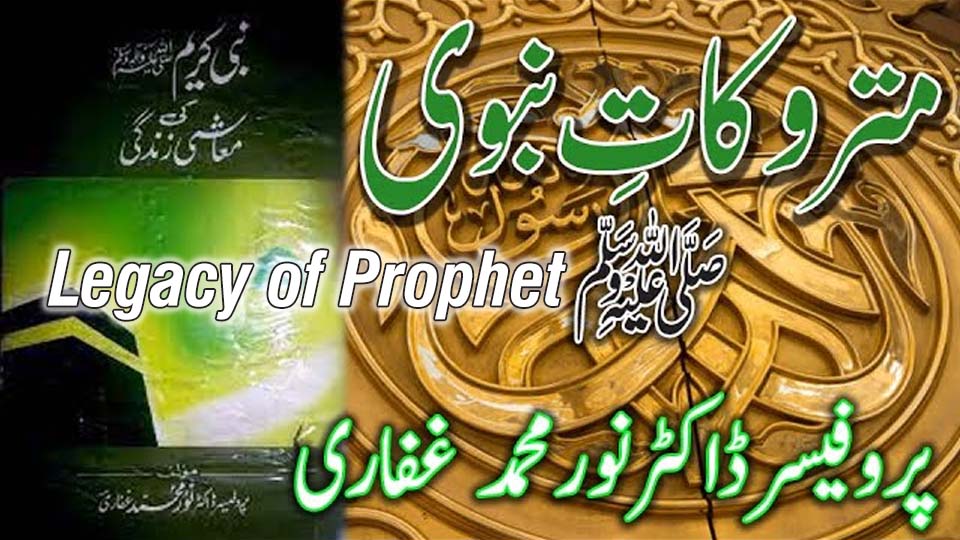
From belief and worship to society, politics, and economics, Islam offers clear and workable guidance. The Legacy of Prophet in economic matters proves that faith and finance are not opposing forces; rather, they are ethically interconnected. This reality has been examined in depth by contemporary scholar Professor Dr. Noor Muhammad Ghafari, whose authoritative book The Economic Life of Prophet Muhammad ﷺ systematically explores Prophetic economics through historical and analytical lenses.
Islam as a Complete Economic Framework
Islam does not rely on external ideologies to define its economic worldview. It offers an independent system grounded in moral responsibility and social justice. The Legacy of Prophet demonstrates that economic activity is not value-neutral; it must serve humanity rather than exploit it.
Dr Ghafari’s scholarship stands out because he does not merely outline abstract economic theories. Instead, he presents Islamic economic principles as lived realities—applied in trade, agriculture, public welfare, and wealth distribution during the Prophetic era. His work clarifies how Islam addresses inequality, unethical accumulation, and exploitation through a morally guided economic order.
Scholarly Insight into the Prophetic Economic Model
Professor Dr Noor Muhammad Ghafari is a distinguished Islamic thinker and researcher whose contributions to Islamic economics are widely recognised. His writings cover trade ethics, insurance, public welfare, social security, and economic justice under Shariah principles. Through his work, the Legacy of Prophet emerges as a self-sufficient and humane economic model capable of addressing modern financial crises.
His research emphasises that Islam is not limited to devotional life; it offers concrete solutions to structural economic problems. By linking Prophetic practice with contemporary concerns, Dr Ghafari makes Islamic economics accessible to scholars, students, and general readers alike.
What the Prophet Left Behind: Not Inheritance, but Trust
A central and thought-provoking chapter of the book discusses “What the Prophet Left Behind”, a topic often misunderstood. This section, recently presented in an AwazeUrdu video, explains that Prophet Muhammad ﷺ did not leave behind inheritable wealth in the conventional sense.
The deliberate use of the term left behind instead of inheritance reflects a profound truth: prophets do not transmit material wealth; they leave knowledge, guidance, and practical models. This understanding is crucial to grasping the Legacy of Prophet, which prioritises collective trust over personal accumulation.
Categories of the Prophetic Trust
According to Dr. Ghafari, the assets associated with the Prophet ﷺ can be classified into three main categories:
1. Land and Agricultural Estates
The lands under the Prophet’s authority—located in Khaybar, Fadak, Wadi al-Qura, Wadi Tayma, and Madinah—functioned as public endowments. Their produce supported the poor, travellers, and communal needs. Only a minimal portion from Khaybar was used for the annual needs of his household, and even the surplus from that was redistributed. This practice reinforces the Legacy of Prophet as one rooted in social welfare.
2. Riding Animals
Some historical accounts exaggerate the number of animals used by the Prophet ﷺ, leading to misconceptions. In reality, these animals served practical purposes such as travel, defense, and state responsibilities. They were never symbols of luxury or personal wealth but part of the collective resources of the Islamic state.
3. Weapons and Defence Equipment
The Prophet ﷺ possessed swords, armour, shields, bows, and other equipment strictly for defence and the protection of the community. These items formed part of the state’s security system, not personal stockpiles. This further illustrates how the Legacy of Prophet rejects hoarding and militarised greed.
Simplicity, Contentment, and Moral Wealth
The living quarters of the Prophet ﷺ were modest rooms adjacent to the mosque, occupied by the Mothers of the Believers. These humble dwellings symbolised a life of contentment and restraint. Certain personal items—clothing, utensils, or a staff—were preserved by companions out of love and reverence. While not economic assets, they help contextualise the Prophet’s detachment from material excess.
A Timeless Economic Message
The Legacy of Prophet ultimately conveys a powerful message: true wealth lies not in accumulation but in justice, trust, and collective benefit. Prophet Muhammad ﷺ lived a life free from personal hoarding, ensuring that whatever remained after him served the wider community.
In an age marked by economic inequality and unchecked greed, this Prophetic model offers a timeless alternative—one where ethics guide markets, and wealth becomes a means of social good rather than domination. The Legacy of Prophet is therefore not a historical memory, but a living framework capable of guiding humanity toward economic balance and moral prosperity.
If you’re interested in reading this book, click the link below for a free download.
https://drive.google.com/file/d/17P9JiLEViOcTv4_u7QssuBVp9HIhZTpn/view?usp=sharing
If you’d like to listen to this book in audio format, click the CONTACT button below to get in touch with the AwazeUrdu team to order the audiobook.
You can also watch the same video on these social media platforms.
اسلام محض چند عبادات یا مذہبی رسوم کا نام نہیں بلکہ ایک مکمل ضابطۂ حیات ہے، جو انسانی زندگی کے ہر شعبے میں اپنے پیروکاروں کو واضح، متوازن اور قابلِ عمل رہنمائی فراہم کرتا ہے۔ عقائد و عبادات سے لے کر معاشرت، سیاست اور معیشت تک کوئی ایسا میدان نہیں جہاں اسلام نے اصول و ضوابط متعین نہ کیے ہوں۔ خصوصاً مالیاتی اور معاشی نظام کے باب میں اسلام کسی بیرونی فلسفے یا نظریے کا محتاج نہیں، بلکہ اس کا اپنا مستقل اور ہمہ گیر اقتصادی تصور موجود ہے۔ اس اسلامی مالیاتی نظام کی سب سے روشن اور عملی مثال خود آنحضرت ﷺ کی معاشی زندگی ہے، جس میں سادگی، عدل، امانت، اجتماعی فلاح اور معاشی انصاف کا حسین امتزاج نظر آتا ہے۔
اسی حقیقت کو علمی بنیادوں پر واضح کرنے کے لیے معاصر محقق پروفیسر ڈاکٹر نور محمد غفاری نے ایک وقیع کتاب تصنیف کی، جس کا موضوع ہی دورِ نبوی ﷺ کی اقتصادیات ہے۔
پروفیسر ڈاکٹر نور محمد غفاری عصرِ حاضر کے ممتاز اسلامی مفکر، محقق اور مصنف ہیں، جنہوں نے اسلامی معیشت اور اقتصادیات کے میدان میں گراں قدر علمی خدمات انجام دی ہیں۔ ان کی تحریروں کا امتیاز یہ ہے کہ وہ اسلامی معاشی اصولوں کو محض نظری سطح پر بیان نہیں کرتے بلکہ انہیں عملی، تاریخی اور سماجی تناظر میں پیش کرتے ہیں۔ ان کی تصانیف میں اسلامی اقتصادی اصول و ضوابط، تجارت، انشورنس، کفالتِ عامہ اور معاشی عدل جیسے اہم موضوعات شامل ہیں۔
ڈاکٹر غفاری اپنی علمی کاوشوں کے ذریعے اس بات کو نمایاں کرتے ہیں کہ اسلام صرف عبادات تک محدود نہیں بلکہ زندگی کے تمام شعبوں، بالخصوص معاشیات، میں بھی ایک مکمل اور خود کفیل نظام پیش کرتا ہے۔ ان کا کام معاشی عدم مساوات، اخلاقی معیشت اور شریعت کے مطابق مالی انصاف جیسے مسائل پر گہری بصیرت فراہم کرتا ہے۔ یہی وجہ ہے کہ ان کی کتابیں اور تحقیقی مباحث دانشوروں، طلبہ اور عام قارئین کے لیے اسلامی اقتصاد کو سمجھنے کا معتبر ذریعہ ہیں۔
پروفیسر ڈاکٹر نور محمد غفاری کی تصنیف“ نبی کریم ﷺ کی معاشی زندگی “درحقیقت اسلامی اقتصادی نظام کی ایک جامع دستاویز ہے، جس میں سیرتِ نبوی ﷺ کی روشنی میں معاشیات کے مختلف پہلوؤں کا مفصل جائزہ پیش کیا گیا ہے۔ اس کتاب میں تجارت، زراعت، صنعت، اجارہ، میراث، مالیات اور دولت کی منصفانہ تقسیم جیسے موضوعات کو نہایت علمی انداز میں زیرِ بحث لایا گیا ہے۔
مصنف نے عربِ جاہلیت کے سودی اور استحصالی معاشی نظام کا تاریخی تجزیہ کرنے کے ساتھ ساتھ حضور ﷺ کے تجارتی اسفار، کسبِ معاش اور ہجرتِ مدینہ کے بعد پیدا ہونے والی معاشی تبدیلیوں کو بھی واضح کیا ہے۔ کتاب اس حقیقت کو اجاگر کرتی ہے کہ اسلام نے سود، ذخیرہ اندوزی اور طبقاتی استحصال کے مقابلے میں ایک ایسا معاشی نظام دیا جو عدل، توازن اور اجتماعی فلاح پر قائم ہے، اور یوں ثابت ہوتا ہے کہ اسلام معاشی معاملات میں بھی مکمل رہنمائی فراہم کرتا ہے۔
اس کتاب کے ایک اہم باب” متروکاتِ نبوی ﷺ “کا منتخب حصہ آوازِ اردو نے اپنی ایک ویڈیو میں پڑھ کر سنایا ہے۔ اس باب میں پروفیسر ڈاکٹر نور محمد غفاری نہایت وضاحت کے ساتھ یہ حقیقت بیان کرتے ہیں کہ رسولِ اکرم ﷺ نے اس دنیا سے رخصت ہوتے وقت کوئی ایسی جائیداد یا مال نہیں چھوڑا جو وراثت کے طور پر تقسیم کیا جاتا۔
اسی بنا پر مصنف نے دانستہ طور پر ’’ترکہ‘‘ یا ’’وراثت‘‘ کے بجائے ’’متروکات‘‘ کی اصطلاح استعمال کی ہے، کیونکہ انبیائے کرام کا طریقہ یہ رہا ہے کہ وہ دنیاوی دولت نہیں بلکہ علم، ہدایت اور عملی نمونہ چھوڑتے ہیں، اور انہی چیزوں کے حقیقی وارث ان کے پیروکار بنتے ہیں۔
مصنف کے مطابق نبی کریم ﷺ کی پوری زندگی سادگی، ایثار اور اجتماعی فلاح کی عملی تصویر تھی۔ آپ ﷺ نے اپنی حیاتِ مبارکہ میں ہی یہ اصول واضح کر دیا تھا کہ آپ کے بعد جو کچھ باقی رہے گا وہ ذاتی ملکیت نہیں بلکہ امت کی اجتماعی امانت ہوگا۔ چنانچہ آپ ﷺ کی وفات کے وقت نہ سونا تھا، نہ چاندی، نہ نقد رقم، نہ غلام اور نہ لونڈی، جنہیں ذاتی وراثت قرار دیا جا سکے۔ البتہ چند ایسی اشیاء اور وسائل ضرور تھے جو آپ ﷺ کے زیرِ استعمال رہے، اور وہ سب امتِ مسلمہ کے لیے وقف کی حیثیت رکھتے تھے۔
پروفیسر غفاری یہ بھی واضح کرتے ہیں کہ بعض روایات سے یہ تاثر ملتا ہے کہ آپ ﷺ نے کچھ بھی نہیں چھوڑا، جبکہ بعض میں چند اشیاء کا ذکر آتا ہے، مگر حقیقت میں ان دونوں باتوں میں کوئی تضاد نہیں۔ فرق صرف اختصار اور تفصیل کا ہے۔ نتیجہ یہی نکلتا ہے کہ آپ ﷺ نے وراثت کے طور پر کچھ نہیں چھوڑا، اور جو کچھ موجود تھا وہ امت کی فلاح کے لیے مخصوص تھا۔
متروکاتِ نبوی ﷺ کی اقسام
مصنف کے مطابق نبی کریم ﷺ کے متروکات کو تین بنیادی اقسام میں تقسیم کیا جا سکتا ہے:
زمین، سواری کے جانور اور اسلحہ۔
زمین
آپ ﷺ کے زیرِ تصرف جو زمینیں اور باغات تھے وہ خیبر، وادی القریٰ، وادی تیماء، فدک اور مدینہ منورہ کے علاقوں میں واقع تھے۔ ان میں بعض وہ باغات بھی شامل تھے جو غیر مسلموں نے آپ ﷺ کو بطور ہبہ پیش کیے تھے۔ یہ تمام املاک دراصل اوقاف کی حیثیت رکھتی تھیں، جن کی پیداوار غرباء، مساکین، مسافروں اور اجتماعی فلاحی کاموں پر خرچ کی جاتی تھی۔
صرف خیبر کی پیداوار کا ایک حصہ آپ ﷺ اپنے اہلِ خانہ کے سالانہ اخراجات کے لیے لیتے تھے، اور اس میں سے بھی جو بچ جاتا وہ ضرورت مند مہاجرین کی کفالت پر خرچ کر دیا جاتا تھا۔ اس طرح زمین کو ذاتی ملکیت کے بجائے سماجی فلاح کا ذریعہ بنایا گیا۔
سواری کے جانور
مصنف اس امر کی طرف توجہ دلاتے ہیں کہ بعض سیرت نگاروں نے نبی کریم ﷺ کے سواری کے جانوروں کی تعداد زیادہ بیان کی ہے، جس سے غلط فہمیاں پیدا ہوتی ہیں۔ حالانکہ ان جانوروں کا مقصد ہرگز ذاتی شان و شوکت نہیں تھا بلکہ یہ سب جہاد، سفر اور دفاعِ اسلام کے لیے تھے۔ یہ جانور ریاستِ مدینہ کی عسکری ضروریات کا حصہ تھے، اور آپ ﷺ کے بعد بھی انہیں ذاتی وراثت نہیں سمجھا گیا بلکہ امت کی اجتماعی ضرورت کے تحت شمار کیا گیا۔
اسلحہ
پروفیسر ڈاکٹر نور محمد غفاری اس بات کو نہایت وضاحت سے بیان کرتے ہیں کہ نبی کریم ﷺ کے پاس موجود اسلحہ بھی مکمل طور پر جہاد اور دفاع کے لیے تھا۔ آپ ﷺ کے پاس مختلف اقسام کی تلواریں، زرہیں، کمانیں، خود، ڈھالیں، نیزے اور دیگر جنگی ساز و سامان موجود تھا، جو اسلامی ریاست کے دفاعی نظام کا حصہ تھا، نہ کہ کسی ذاتی ذخیرے یا مال اندوزی کی علامت۔
مکانات اور دیگر تبرکات
آپ ﷺ کی رہائش وہی حجرات تھے جن میں ازواجِ مطہرات رضی اللہ عنہن قیام پذیر تھیں۔ یہ مکانات سادہ طرزِ زندگی کی واضح علامت تھے۔ اس کے علاوہ بعض تبرکات مثلاً لباس، برتن، عصا اور دیگر استعمال کی اشیاء صحابۂ کرام نے محبت اور عقیدت کے تحت محفوظ کر لیں۔ مصنف کے مطابق اگرچہ ان اشیاء کا براہِ راست تعلق معاشیات سے نہیں، مگر یہ نبی کریم ﷺ کی قناعت، سادگی اور بےنیازی کو سمجھنے میں ضرور مدد دیتی ہیں۔
پروفیسر ڈاکٹر نور محمد غفاری اپنی کتاب کے ذریعے یہ پیغام دیتے ہیں کہ نبی کریم ﷺ کی معاشی زندگی کا اصل جوہر ذاتی جمع پونجی نہیں بلکہ اجتماعی فلاح، عدلِ معاشی اور امانت داری ہے۔ آپ ﷺ نے جو کچھ چھوڑا وہ اپنی ذات کے لیے نہیں بلکہ امت کے لیے تھا۔ یہی تصور اسلامی معاشیات کی روح ہے، اور یہی وہ نمونہ ہے جو آج کے معاشی بحرانوں میں انسانیت کے لیے نجات کا راستہ بن سکتا ہے۔