
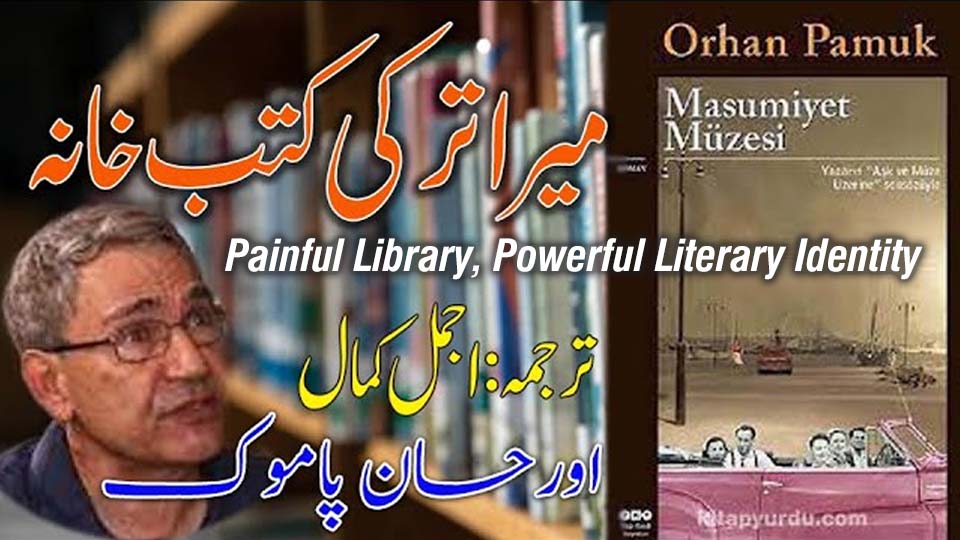
Orhan Pamuk stands as a compelling example of how literature can quietly yet profoundly reshape a human life. Orhan Pamuk did not merely become a novelist by profession; he was gradually formed by books, memory, and an intense inner dialogue with history, identity, and culture. His journey reveals how reading, collecting, and living with books can redefine one’s destiny. In Orhan Pamuk’s case, literature was not an escape—it was a lifelong construction of self.
Literature as a Life-Shaping Force
Literature leaves deep and lasting marks on human consciousness. A meaningful book does not only sharpen thought; it transforms personality, emotional depth, and the way one sees the world. Orhan Pamuk repeatedly demonstrates that books can act as mirrors, allowing readers to confront their inner selves and society simultaneously. Through reading, a writer discovers not only language but purpose.
Many writers have altered the course of their lives through reading, but Orhan Pamuk represents this transformation with unusual clarity. Initially inclined toward painting and architecture, he slowly abandoned visual arts when the gravitational pull of novels became irresistible. This shift was not sudden; it was the result of years spent among books, ideas, and silent observation.
Orhan Pamuk and the Birth of a Novelist
Born on June 7, 1952, in Istanbul, Orhan Pamuk emerged as one of Turkey’s most influential novelists and essayists. In 2006, he became the first Turkish writer to receive the Nobel Prize in Literature. His works consistently explore the tension between East and West, the fragility of identity, and the emotional weight of memory—often through the streets, buildings, and silences of Istanbul.
The novels My Name Is Red, Snow, and The Museum of Innocence have been translated into dozens of languages and read worldwide. Yet behind this global success lies a deeply personal intellectual struggle shaped within the walls of a private library.
Istanbul: A City of Memory and Melancholy
In Istanbul: Memories and the City, Orhan Pamuk blends autobiography with urban history, turning Istanbul into a living character. The city’s faded grandeur, abandoned mansions, and silent streets embody a collective melancholy he famously calls hüzün. This sadness is not merely personal—it is cultural, historical, and shared.
For Orhan Pamuk, memory and place are inseparable. His writing suggests that cities shape people just as deeply as families or schools do. Istanbul becomes a silent teacher, reinforcing introspection and emotional depth.
The Essay “My Turkish Library” and Literary Formation
A key essay from this book, My Turkish Library, offers rare insight into Orhan Pamuk’s intellectual development. When he decided in the early 1970s to abandon poetry and commit to novel writing, the Turkish literary climate was hostile to personal expression. Poetry was seen as superior, while novels were considered secondary. Writers were expected to represent ideologies—modernism, socialism, nationalism—rather than individual voices.
Orhan Pamuk found little space for personal storytelling in this environment. Yet instead of surrendering, he turned inward—to books.
A Father’s Library and the Romance of Struggle
His father’s library became his sanctuary. There, Orhan Pamuk encountered revolutionary writers, imprisoned intellectuals, and narratives of censorship and sacrifice. These books deeply influenced his imagination. He absorbed stories of prison life, surveillance, endurance, and resistance so thoroughly that he felt he had lived those experiences himself.
This reading shaped his idea of what a writer could be: isolated, misunderstood, yet morally committed. Although Orhan Pamuk never desired such hardship, he sensed a quiet romanticism in literary struggle.
Building a Personal Library Against Limitations
At the time, Turkey lacked comprehensive public libraries, especially for foreign-language literature. This absence pushed Orhan Pamuk toward self-reliance. He realized that intellectual growth demanded a personal archive of knowledge. Slowly and deliberately, he began building his own library.
He spent countless hours in secondhand bookshops, browsing worn shelves and forgotten corners. These modest spaces became his informal university. Each book he found expanded his intellectual freedom and weakened the ideological boundaries imposed by society.
A Library That Created Identity
Over time, Orhan Pamuk’s personal library evolved into the foundation of his literary identity. It was not merely a collection of books; it was a mental landscape where history, memory, and imagination coexisted. This private world allowed him to escape rigid literary camps and develop a voice that was introspective, global, and unmistakably his own.
Conclusion: Books as Destiny
The life of Orhan Pamuk powerfully illustrates how literature can shape destiny. His personal library, persistent reading, and creative longing reveal a fundamental truth: books do not only inform—they transform. Through them, a writer discovers freedom, identity, and a lasting voice.
If you’re interested in reading The Essay “My Turkish Library” (Urdu Translation), click the link below for a free download.
https://drive.google.com/file/d/1RJm9xIQdqnsjErCgCWR2XKEr3x8QZ6EX/view?usp=sharing
If you’d like to listen to this book in audio format, click the CONTACT button below to get in touch with the AwazeUrdu team to order the audiobook.
Readers are invited to explore another insightful article, Library Collaboration: A Broken Dream or a Hopeful Future?, which thoughtfully examines the challenges and possibilities facing libraries today. The piece reflects on whether cooperation among libraries can restore their cultural relevance and strengthen access to knowledge in an increasingly fragmented world.
ادب انسانی زندگی پر گہرے اور دیرپا اثرات مرتب کرتا ہے۔ یہ نہ صرف انسان کے خیالات کو جِلا بخشتا ہے بلکہ اس کی شخصیت، احساسات اور دنیا کو دیکھنے کے زاویے کو بھی بدل دیتا ہے۔ ایک عمدہ کتاب انسان کو اپنے اندر جھانکنے، معاشرے کو سمجھنے اور اپنی شناخت تلاش کرنے کا شعور عطا کرتی ہے۔ یہی وجہ ہے کہ بہت سے ادیبوں کی زندگیوں کا رخ اُن کے مطالعے اور تخلیقی ذوق نے بدل دیا۔ اسی تناظر میں ترکی کے نامور ادیب فریداورحان پاموک کا نام نمایاں طور پر سامنے آتا ہے، جن کی زندگی کو ادب، خصوصاً ناول نگاری نے ایک نیا رخ دیا۔ ابتدا میں وہ مصوری اور فنِ تعمیر کی طرف مائل تھے، مگر کتابوں سے گہری وابستگی اور تخلیقی اظہار کی جستجو نے انہیں مکمل طور پر ادب کی دنیا میں لے آیا، جہاں انہوں نے اپنی شناخت ایک بڑے ناول نگار کے طور پر قائم کی۔
اورحان پاموک ترکی کے معروف ناول نگار، مضمون نگار اور دنیا کے نمایاں ادیبوں میں شمار ہوتے ہیں، جو 7 جون 1952 کو استنبول میں پیدا ہوئے۔ انہیں 2006 میں ادب کا نوبل انعام ملا اور وہ یہ اعزاز حاصل کرنے والے پہلے ترک ادیب ہیں۔ ان کی تحریروں کا بنیادی موضوع مشرق اور مغرب کے درمیان تہذیبی کشمکش، شناخت کی تلاش اور انسانی داخلی کیفیت ہے، جسے وہ خاص طور پر اپنے آبائی شہراستنبول کے پس منظر میں بیان کرتے ہیں۔ پاموک نے ابتدا میں مصوری اور فنِ تعمیر کی طرف رجحان رکھا، مگر بعد میں مکمل طور پر ادب کی طرف آ گئے اور ناول نگاری میں عالمی شہرت حاصل کی۔ ان کی نمایاں تصانیف میں “میرا نام سرخ ہے”، “برف”، اور “معصومیت کا عجائب گھر” شامل ہیں، اور ان کی کتابیں دنیا کی درجنوں زبانوں میں ترجمہ ہو کر لاکھوں کی تعداد میں فروخت ہو چکی ہیں۔ ان کی ادبی شناخت ایک ایسے مصنف کی ہے جو تاریخ، یادداشت اور تہذیب کے پیچیدہ رشتوں کو گہرائی اور فنکارانہ انداز میں پیش کرتا ہے۔
اورحان پاموک کی کتاب”استنبول۔ ایک شہر کی یادیں”ایک ایسا دل نشین ادبی نمونہ ہے جس میں مصنف نے اپنی ذاتی زندگی، بچپن کی یادوں اور اندرونی احساسات کو شہر استنبول کی فضا کے ساتھ نہایت خوبصورتی سے جوڑ دیا ہے۔ اس تحریر میں استنبول محض ایک شہر نہیں رہتا بلکہ ایک زندہ کردار بن کر سامنے آتا ہے، جس کی گلیاں، پرانی عمارتیں اور ماند پڑتی ہوئی شان و شوکت ایک گہری اجتماعی اداسی کو ظاہر کرتی ہیں۔ پاموک اس اداسی کو “حُزن” کا نام دیتے ہیں، جو نہ صرف ان کی اپنی کیفیت ہے بلکہ پورے شہر کی روح میں بسی ہوئی ہے۔ یہ کتاب قاری کو شناخت، یادداشت اور تہذیبی تبدیلیوں کے ایسے سفر پر لے جاتی ہے جو دیر تک ذہن پر اثر انداز رہتا ہے۔
اسی کتاب کے ایک مضمون “میرا ترکی کتب خانہ” کا اقتباس جسےآوازِ اردو نے اپنی ویڈیو میں پیش کیا، مصنف کی فکری اور ادبی تشکیل کو سمجھنے میں خاص اہمیت رکھتا ہے۔ اس میں وہ اپنے کتب خانے اور اس کے پس منظر کو نہایت تفصیل سے بیان کرتے ہیں۔ وہ بتاتے ہیں کہ جب انہوں نے انیس سو ستر کی دہائی کے آغاز میں شاعری سے دل اٹھا کر ناول نگاری کا ارادہ کیا تو اُس وقت ترکی میں ادبی فضا کچھ اور ہی تھی؛ شاعری کو اعلیٰ ادب سمجھا جاتا تھا جبکہ ناول کو کم تر درجے کی صنف خیال کیا جاتا تھا۔ ادب کو انفرادی تخلیقی اظہار کے بجائے اجتماعی نظریات کا ترجمان سمجھا جاتا تھا، جہاں ادیب سے توقع کی جاتی تھی کہ وہ جدیدیت، سوشلزم، قوم پرستی یا دیگر نظریاتی تصورات کی نمائندگی کرے۔ اس ماحول میں ایک ایسے ادیب کی گنجائش کم تھی جو اپنی ذاتی آواز، اپنے تجربات اور اپنی داخلی دنیا کو بیان کرنا چاہے۔
اسی پس منظر میں وہ اپنے والد کے کتب خانے کا ذکر کرتے ہیں، جہاں انہیں اہم ادیبوں اور شاعروں کی کتابیں ملیں، خصوصاً وہ تحریریں جن میں انقلابی خیالات رکھنے والے اہلِ قلم کی قید و بند کی داستانیں بیان کی گئی تھیں۔ ان کتابوں نے ان پر گہرا اثر ڈالا۔ وہ بیان کرتے ہیں کہ انہوں نے اتنا زیادہ اس نوعیت کا ادب پڑھا کہ جیل کی زندگی، قیدیوں کے معمولات، ان کی زبان اور ان کے حوصلے سے ایسی واقفیت حاصل ہو گئی جیسے وہ خود ان تجربات سے گزرے ہوں۔ انہی مطالعوں کے زیر اثر ان کے ذہن میں ادیب کا ایک ایسا تصور ابھرا جو مشکلات، نگرانی، پابندیوں اور قربانیوں سے عبارت تھا۔ اگرچہ وہ خود اس زندگی کے خواہش مند نہیں تھے، لیکن اس میں ایک خاص رومانویت ضرور محسوس کرتے تھے۔
مصنف اس بات کی طرف بھی توجہ دلاتے ہیں کہ اُس زمانے میں ترکی میں ایسا کوئی وسیع اور جامع کتب خانہ موجود نہ تھا جہاں ہر طرح کی کتاب آسانی سے دستیاب ہو، خصوصاً غیر ملکی زبانوں کی کتابیں نہ ہونے کے برابر تھیں۔ اس کمی نے ان کے اندر یہ احساس پیدا کیا کہ اگر انہیں اپنے علم کو وسعت دینی ہے اور ایک باشعور ادیب بننا ہے تو انہیں اپنا ذاتی کتب خانہ خود قائم کرنا ہوگا۔ چنانچہ انہوں نے اس مقصد کے لیے مسلسل محنت کی۔ وہ باقاعدگی سے پرانی کتابوں کے بازاروں میں جاتے، گھنٹوں دکانوں میں بیٹھے رہتے اور اپنی ضرورت اور دلچسپی کے مطابق کتابیں تلاش کرتے۔ ان سادہ اور کبھی کبھار خستہ حال دکانوں میں گزارا گیا وقت ان کے لیے کسی درسگاہ سے کم نہ تھا۔
یوں رفتہ رفتہ انہوں نے ایک ایسا کتب خانہ ترتیب دیا جو ان کی فکری تربیت، ادبی شناخت اور تخلیقی سفر کی بنیاد بن گیا۔ یہ کتب خانہ محض کتابوں کا مجموعہ نہیں تھا بلکہ ایک ایسی دنیا تھی جس نے انہیں محدود ادبی حلقوں اور نظریاتی جکڑ بندیوں سے نکال کر ایک وسیع اور آزاد فکری فضا سے روشناس کرایا۔
اختتاماً یہ کہا جا سکتا ہے کہ اورحان پاموک کی زندگی اس بات کی روشن مثال ہے کہ ادب کس طرح انسان کی شخصیت کو تشکیل دیتا اور اس کے راستے کا تعین کرتا ہے۔ ان کا ذاتی کتب خانہ، ان کا مطالعہ اور ان کی تخلیقی جستجو سب مل کر اس حقیقت کو اجاگر کرتے ہیں کہ کتابیں صرف علم کا ذریعہ نہیں ہوتیں بلکہ وہ انسان کو ایک نئی دنیا عطا کرتی ہیں، جہاں سے اس کی اصل پہچان جنم لیتی ہے۔