
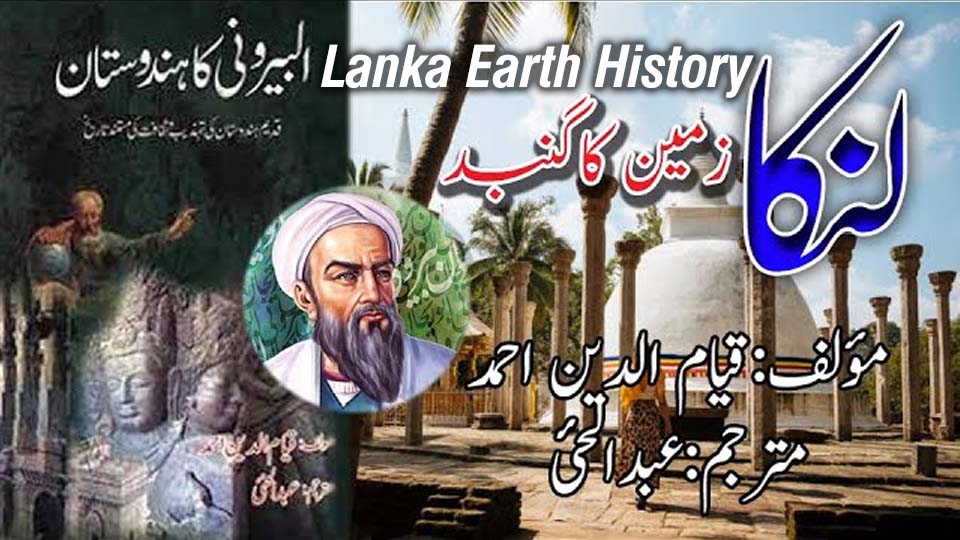
Lanka Earth History opens a fascinating window into how early civilizations imagined the world and how rare scholars like Abu Rayhan Al-Biruni dared to examine those imaginations with reason and observation. For centuries, the Indian subcontinent remained culturally inward-looking, largely detached from the outside world. This isolation gave rise to deep-rooted myths, complex cosmologies, and a symbolic geography that intrigued foreign travelers, scholars, and researchers. Among them, Al-Biruni stands out as a fearless intellectual who sought understanding rather than conquest.
India’s Intellectual Isolation and Its Global Fascination
One of the central reasons behind India’s enduring mystery lies in its long historical isolation. Unlike other civilizations that pursued territorial expansion or intellectual exchange, India developed internally, nurturing its own religious, philosophical, and cosmological frameworks. This inward evolution made Lanka Earth History a subject of great curiosity for outsiders who encountered narratives unlike those found elsewhere.
Travelers and scholars arriving in India were not merely observing a land but entering an entirely different mental universe. Myths were not dismissed as fiction; they were treated as symbolic truths embedded in cultural memory.
Al-Biruni: A Scholar, Not a Conqueror
Abu Rayhan Al-Biruni, an eleventh-century Muslim polymath, approached India not as a historian attached to military conquest, but as a genuine student of knowledge. A master of astronomy, mathematics, geography, and comparative religion, he learned local languages and studied Hindu religious texts firsthand. His approach to Lanka Earth History was marked by intellectual honesty and methodological discipline.
What distinguished Al-Biruni was his refusal to ridicule or blindly accept indigenous beliefs. Instead, he recorded them faithfully and then examined them through observation and comparison—an approach remarkably modern for his time.
Kitab al-Hind and the Concept of the Earth’s Dome
Al-Biruni’s monumental work Kitab al-Hind represents the foundation of what we may call Lanka Earth History today. In this book, he explored India’s religious beliefs, caste system, scientific ideas, and geographical imagination. One of the most striking discussions is his treatment of the “Earth’s Dome.”
Al-Biruni explains that Muslim scholars metaphorically described the Earth’s central region as Qubbat al-Ard (the Earth’s dome), whereas Hindu traditions lacked a single defined term. Instead, they identified Lanka as a location situated between the extremes of the inhabited world. This comparison reflects not a theological debate, but a calm analytical contrast between two cosmological systems.
Lanka Between Myth and Geography
In narrating the story of Rama, Ravana, and Lanka, Al-Biruni demonstrates his scholarly restraint. He recounts the rescue of Sita, the construction of the sea bridge, the war with Ravana, and the destruction of Lanka without devotion or mockery. For Lanka Earth History, this neutrality is crucial—it preserves the integrity of myth while allowing space for inquiry.
He also documents Hindu beliefs about Lanka’s immense height, vast size, and its association with the southern direction, which was considered ominous. These ideas, deeply symbolic, were integral to the cultural geography of the time.
Critical Inquiry and Empirical Doubt
Perhaps the most compelling aspect of Lanka Earth History lies in Al-Biruni’s critical observations. He notes that sailors who had circumnavigated the region reported no such extraordinary geographical features as described in Hindu traditions. From this discrepancy, he cautiously suggests that “Lanka” may refer not to present-day Sri Lanka, but possibly to Linga, the land associated with the clove trade.
He supports this hypothesis with references to maritime commerce, sailors’ experiences, tales of wild beings, outbreaks of smallpox, and the medicinal use of cloves. Here, tradition is not rejected—but questioned intelligently.
Urdu Scholarship and Modern Accessibility
The intellectual legacy of Kitab al-Hind reached Urdu readers through the scholarly efforts of Dr. Qiyamuddin Ahmad and the translator Maulvi Abdul Hai. Their work, titled Al-Biruni ka Hindustan, preserved the academic spirit of the original while making it accessible to Urdu audiences. Thanks to such efforts, Lanka Earth History continues to resonate beyond linguistic boundaries.
A Timeless Lesson in Civilizational Dialogue
Ultimately, Lanka Earth History is not merely about myths or geography; it is about how civilizations understand one another. Al-Biruni teaches us that true knowledge emerges not from prejudice or blind belief, but from observation, dialogue, and fearless inquiry. His work remains a rare example of intellectual humility and scholarly courage—qualities as relevant today as they were a millennium ago.
If you\’re interested in reading this book, click the link below for a free download.
https://drive.google.com/file/d/1-skufb1QdS5YGsV8HtXmokNERAiMhUQe/view?usp=sharing
If you\’d like to listen to this book in audio format, click the CONTACT button below to get in touch with the AwazeUrdu team to order the audiobook.
Contact Us:You can also watch the same video on these social media platforms.
Rumble FacebookMaritime History of Islam reveals a lesser-known yet deeply significant dimension of the Prophetic era ﷺ, when sea routes quietly shaped early connections between Arabia and the Indian subcontinent. These maritime journeys were not conquests but channels of trade, trust, and cultural exchange that laid the foundation for enduring Indo-Arab relations. By revisiting these forgotten truths, the blog invites readers to explore how the oceans became pathways of dialogue, belief, and historical continuity—long before formal histories took shape.
ہندوستان کی سرزمین صدیوں سے اپنے اندر ایک خاص پراسراریت سموئے ہوئے ہے۔ اس کی ایک بڑی وجہ یہ ہے کہ یہاں بسنے والی اقوام طویل عرصے تک بیرونی دنیا سے تقریباً منقطع رہیں، برخلاف دیگر تہذیبوں کے جنہوں نے کسی نہ کسی دور میں تسخیرِ عالم کی کوشش کی اور دنیا سے مسلسل رابطے میں رہیں۔ یہی داخلی انقطاع ہندوستان کو بیرونی حملہ آوروں، سیاحوں اور محققین کے لیے نہایت پُرکشش بناتا رہا۔ مختلف ادوار میں یہاں آنے والے مسافروں اور اہلِ علم نے اس خطے کے تمدنی، مذہبی اور فکری اسرار کو اپنی تحریروں کے ذریعے بیرونی دنیا پر آشکار کیا۔ انہی عظیم ناموں میں ایک نہایت نمایاں نام ابوریحان محمد بن احمد البیرونی کا ہے، جنہوں نے ہندوستان میں طویل عرصہ قیام کر کے اس سرزمین کا غیرمعمولی گہرائی کے ساتھ مطالعہ کیا۔
ابوریحان البیرونی گیارہویں صدی کے ایک عظیم مسلمان عالم، ماہرِ فلکیات، ریاضی دان، جغرافیہ نویس اور محقق تھے۔ وہ محض فاتحین کے ہمراہ آنے والے مؤرخ نہیں تھے بلکہ ایک سچے طالبِ علم کی حیثیت سے ہندوستان آئے۔ انہوں نے مقامی زبانیں سیکھیں، ہندو مذہبی متون کا مطالعہ کیا اور یہاں کے عقائد، رسوم و رواج، فلسفے، سماجی ڈھانچے اور سائنسی تصورات کو نہایت غیرمتعصب اور تحقیقی انداز میں قلم بند کیا۔ ان کا یہی علمی دیانت دارانہ رویہ انہیں اپنے عہد کے دیگر مصنفین سے ممتاز کرتا ہے۔
البیرونی کی عظیم تصنیف \”کتاب الہند\” دراصل ان کی اسی طویل تحقیق اور مشاہدے کا نتیجہ ہے۔ اس کتاب میں انہوں نے اپنے دور کے ہندوستان کے مذہبی عقائد، ذات پات کے نظام، جغرافیائی تصورات، فلکیاتی نظریات، اساطیر، معاشرت اور تہذیبی روایات کو تفصیل سے بیان کیا ہے۔ یہ کتاب محض تاریخی دستاویز نہیں بلکہ ہندوستانی ذہن اور فکر کو سمجھنے کی ایک جامع علمی کوشش ہے، جس میں البیرونی کہیں مبلغ بنتے ہیں نہ مناظر، بلکہ ایک غیرجانبدار محقق کے طور پر سامنے آتے ہیں۔
کتاب الہند کا اردو ترجمہ مختلف اہلِ علم نے کیا، جن میں ایک اہم نام ڈاکٹر قیام الدین احمد کا ہے۔ قیام الدین احمد ہندوستان کے ممتاز مورخ، ماہر تعلیم، محقق اور مترجم تھے۔ انہوں نے پٹنہ یونیورسٹی سے اعلیٰ تعلیم حاصل کی اور عمر بھر تدریس و تحقیق سے وابستہ رہے۔ بہار کی علاقائی تاریخ اور اسلامی تحریکات، بالخصوص ہندوستان میں وہابی تحریک پر ان کی تحقیقی خدمات کو غیرمعمولی اہمیت حاصل ہے۔ انہوں نے عربی، فارسی، اردو، ہندی اور انگریزی زبانوں میں متعدد علمی و تاریخی کتب تصنیف، ترتیب اور ترجمہ کیں۔
ڈاکٹر قیام الدین احمد کی مرتب کردہ اور مولوی عبدالحی کے اردو ترجمے پر مشتمل کتاب \”البیرونی کا ہندوستان\” دراصل کتاب الہند کا وہ مستند اردو قالب ہے، جس میں اصل متن کی علمی روح کو برقرار رکھتے ہوئے اردو قارئین کے لیے اسے قابلِ فہم بنایا گیا ہے۔ اس ترجمے اور تدوین کی بدولت اردو دنیا کو البیرونی جیسے عظیم محقق کے افکار تک براہِ راست رسائی حاصل ہوئی۔
اس کتاب کا اقتباس آوازِاردو نےاپنی ویڈیو میں پڑھ کرسنایاہے، جو البیرونی کی تحقیقی بصیرت کا عملی نمونہ پیش کرتا ہے۔ مثال کے طور پر \”زمین کا گنبد\” کے تصور میں البیرونی ہندو اور مسلم فلکیاتی تصورات کا تقابلی مطالعہ کرتے ہیں۔ وہ واضح کرتے ہیں کہ مسلمانوں کے یہاں زمین کے وسطی مقام کو بطورِ استعارہ *قبۂ ارض* کہا جاتا ہے، جب کہ ہندو اس تصور کے لیے کوئی مخصوص لفظ استعمال نہیں کرتے بلکہ لنکا کو آباد دنیا کے دونوں کناروں کے درمیان واقع مقام قرار دیتے ہیں۔
اسی طرح رام، راون اور لنکا کی داستان بیان کرتے ہوئے البیرونی ہندو اساطیر کو ان کے اپنے تناظر میں نقل کرتے ہیں۔ رام کی جانب سے سیتا کی بازیابی، سمندر پر بند (پل) کی تعمیر، راون سے جنگ اور لنکا کے قلعے کی تباہی—یہ سب واقعات وہ نہ کسی عقیدت کے ساتھ بیان کرتے ہیں نہ تمسخر کے ساتھ، بلکہ محققانہ امانت داری کے ساتھ۔
جزیرۂ لنکا کے بارے میں ہندوؤں کے تصورات، اس کی مبینہ بلندی، وسعت، اور جنوب کی سمت کو منحوس سمجھنے کی وجوہات بھی البیرونی پوری تفصیل سے بیان کرتے ہیں۔
البیرونی کی تحقیق کا سب سے دلچسپ پہلو ان کی تنقیدی بصیرت ہے۔ وہ واضح طور پر کہتے ہیں کہ جن لوگوں نے لنکا کے گرد سمندری سفر کیا، ان کے مشاہدات ہندو روایات کی تصدیق نہیں کرتے۔ وہ اس نتیجے پر پہنچتے ہیں کہ ممکن ہے \”لنکا\” دراصل لونگ کے ملک \”لنگا\” کی طرف اشارہ ہو۔ لونگ کی تجارت، جہاز رانوں کے تجربات، جنات یا وحشی انسانوں سے منسوب کہانیاں، چیچک کی وبا اور لونگ کے بطور دوا استعمال—یہ تمام تفصیلات البیرونی کے اسلوبِ تحقیق کو زندہ اور قابلِ اعتبار بنا دیتی ہیں۔ وہ روایت کو نقل بھی کرتے ہیں اور اس پر سوال بھی اٹھاتے ہیں۔
الغرض\”البیرونی کا ہندوستان\”محض ایک کتاب نہیں بلکہ تہذیبوں کے مکالمے کی ایک عظیم مثال ہے۔ ابو ریحان البیرونی نے جس علمی دیانت، وسعتِ نظر اور تحقیقی گہرائی کے ساتھ ہندوستان کو سمجھنے کی کوشش کی، وہ آج بھی حیران کن ہے۔ ڈاکٹر قیام الدین احمد اور مولوی عبدالحی کی کاوشوں کے ذریعے یہ علمی ورثہ اردو قارئین تک منتقل ہوا، اور آوازِ اردو جیسے علمی پلیٹ فارم نے اسے جدید قاری کے لیے مزید قابلِ رسائی بنا دیا۔ یہ کتاب ہمیں یہ سبق دیتی ہے کہ کسی بھی تہذیب کو سمجھنے کے لیے تعصب نہیں، علم، مشاہدہ اور مکالمہ ضروری ہے۔
