
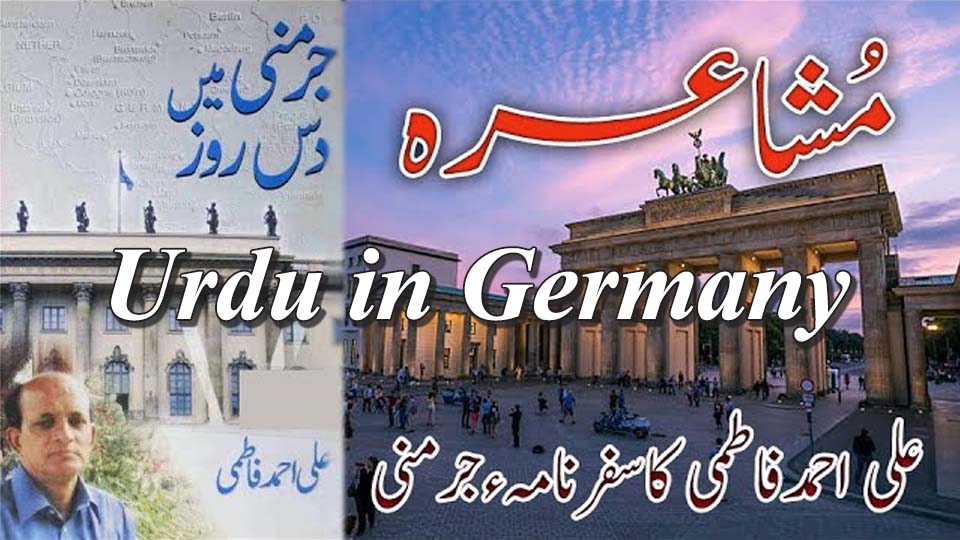
Urdu in Germany is not merely a linguistic phenomenon shaped by migration or travel; it is a living cultural dialogue unfolding in literary gatherings, mushairas, academic spaces, and everyday interactions. The presence of Urdu in a non-native European environment reflects both struggle and strength—struggle to survive amid dominant languages, and power to connect hearts across cultural boundaries. This dynamic reality is beautifully captured in Professor Ali Ahmad Fatmi’s reflections on Germany, where travel becomes a thoughtful observation and language serves as a bridge between civilisations.
Urdu in Germany as a Cultural Experience
For a sensitive writer, travel is never just about changing locations. It is an opportunity to gain insight into societies, behaviours, and mentalities. Urdu in Germany emerges in Fatmi’s narrative not as a foreign or isolated language, but as a living cultural presence. Through literary events and personal encounters, Urdu finds space in German cities, echoing in mushairas and intellectual discussions. These experiences reveal how language carries memories, emotions, and shared histories even far from its geographical origins.
Mushaira Tradition Beyond Borders
One of the most striking aspects of Urdu in Germany is the popularity of Urdu mushairas. German audiences, including native Germans, attend these poetic gatherings with genuine interest. Expressions like “Wah Wah” and “Mukarrar Irshad” resonate in halls far removed from South Asia. This participation challenges the assumption that poetry is bound by linguistic familiarity alone. Instead, it shows how rhythm, emotion, and performance can transcend linguistic barriers and create shared aesthetic experiences.
Struggle and Survival of Urdu Abroad
Despite its growing appreciation, Urdu in Germany also faces challenges. Urdu exists alongside powerful global languages such as German and English, which dominate education, media, and administration. Maintaining Urdu’s literary depth and cultural relevance requires continuous effort from writers, scholars, and cultural organisations. This struggle, however, is not a sign of weakness. Rather, it highlights the resilience of Urdu as a language that has historically evolved by adapting, absorbing, and responding to diverse influences.
Comparing Urdu and German Languages
A significant intellectual dimension of Urdu in Germany lies in the comparison between the Urdu and German languages. Urdu is historically flexible, drawing vocabulary from Persian, Arabic, Turkish, and local dialects, while German emphasises linguistic purity and structural consistency. This contrast reveals two different linguistic philosophies. Urdu thrives on openness and emotional expression, whereas German prioritises precision and order. The interaction between these approaches deepens mutual understanding and respect, turning language comparison into cultural dialogue.
Literary Observation and Inner Reflection
In Professor Ali Ahmad Fatmi’s reflections, Urdu in Germany emerges not merely as a personal travel experience but as a thoughtful literary observation shaped by his book Germany Mein Das Roz. Rather than following the conventions of a traditional travelogue, the book records everyday moments, cultural encounters, and subtle social behaviours observed during his stay in Germany. Fatmi transforms ordinary scenes—literary gatherings, urban silence, and cross-cultural conversations—into meaningful reflections, showing how travel becomes an inward journey of thought and awareness rather than a simple movement across places.
Audience Engagement and Cultural Openness
Another powerful element of Urdu in Germany is the openness of German society toward other cultures. While deeply rooted in their own linguistic identity, Germans show curiosity and respect for Urdu literary traditions. This openness distinguishes cultural appreciation from cultural assimilation. Urdu remains Urdu, yet it finds space to flourish, enriching the host society rather than dissolving into it.
Urdu as a Bridge Between Cultures
Ultimately, Urdu in Germany functions as a bridge between two civilisations. It connects South Asian literary heritage with European intellectual curiosity. Through dialogue, humor, and shared experiences, Urdu writers and German audiences engage in a meaningful exchange that goes beyond stereotypes. This interaction reinforces the idea that language is not confined by geography but carried by people, memories, and creative expression.
Conclusion
Urdu in Germany is a story of struggle, power, and dialogue—a narrative where language survives challenges, asserts its cultural strength, and fosters understanding between diverse communities. Professor Ali Ahmad Fatmi’s reflections remind us that travel is not only external movement but an inward journey shaped by observation and empathy. In this sense, Urdu’s presence in Germany stands as a testament to the enduring power of language to connect worlds, making every journey a shared human experience.
If you\’re interested in reading this book, click the link below for a free download.
https://drive.google.com/file/d/11Ni9Bvt-ymlupKtzi1ryiViRnSyUCDZn/view?usp=sharing
If you\’d like to listen to this book in audio format, click the CONTACT button below to get in touch with the AwazeUrdu team to order the audiobook.
Contact Us:You can also watch the same video on these social media platforms.
Rumble Facebookانسان کا روزمرہ معمول، اس کی تربیت اور اس کے مشاہدات مل کر اس کی شخصیت اور فکر کی تشکیل کرتے ہیں۔ جو شخص زندگی کو محض گزارتا نہیں بلکہ اسے دیکھتا، پرکھتا اور محسوس کرتا ہے، وہ عام واقعات میں بھی معنویت تلاش کر لیتا ہے۔ یہی وجہ ہے کہ ایک حساس ادیب کے لیے سفر محض مقامات کی تبدیلی نہیں ہوتا بلکہ تہذیبوں، رویّوں اور انسانی نفسیات کو سمجھنے کا ذریعہ بن جاتا ہے۔ اردو ادب میں سفرنامہ اسی شعوری مشاہدے کی ایک اہم صنف ہے، جہاں خارجی مناظر کے ساتھ ساتھ داخلی کیفیات بھی لفظوں میں ڈھلتی ہیں۔ پروفیسر علی احمد فاطمی کا سفرنامہ „جرمنی میں دس روز“اسی نوع کے شعوری اور فکری سفر کی ایک عمدہ مثال ہے۔
پروفیسر علی احمد فاطمی اردو کے ممتاز ادیب، نقاد اور محقق ہیں جن کا تعلق الٰہ آباد (ہندوستان) سے ہے۔ وہ الٰہ آباد یونیورسٹی کے شعبۂ اردو کے صدر کے طور پر بھی خدمات انجام دے چکے ہیں۔ اردو ناول، تنقید، مرثیہ اور ترقی پسند ادبی تحریک ان کے خصوصی میدان رہے ہیں۔ ان کی تحریروں میں مارکسی تنقید، سماجی شعور اور ادبی جمالیات کا گہرا امتزاج پایا جاتا ہے۔ فاطمی صاحب نہ صرف ایک سنجیدہ نظریاتی مفکر ہیں بلکہ ایک مشاہدہ رکھنے والے ادیب بھی ہیں، جس کا اظہار ان کے سفرناموں میں نمایاں طور پر ہوتا ہے۔ وہ ملکی اور بین الاقوامی سطح پر اردو کانفرنسوں میں شرکت کرتے رہے ہیں اور اردو ادب کی تدریس، تحقیق اور فروغ میں ان کی خدمات کے اعتراف میں انہیں مختلف ادبی اعزازات سے بھی نوازا گیا ہے، اسی بنا پر وہ معاصر اردو تنقید میں ایک معتبر اور حوالہ جاتی نام سمجھے جاتے ہیں۔
علی احمد فاطمی کی کتاب „جرمنی میں دس روز“روایتی معنوں میں سفرنامہ نہیں بلکہ ایک حساس ذہن کے تاثرات اور مشاہدات کا مجموعہ ہے، جو جرمنی کے مختصر دس روزہ قیام کے دوران قلم بند ہوئے۔ اس سے قبل وہ لندن، کینیڈا اور تاشقند کے سفرنامے لکھ چکے تھے، مگر اردو میں کمزور اور سطحی سفرناموں کی کثرت کے باعث وہ اس صنف سے قدرے بددل ہو چکے تھے۔ تاہم جرمنی کا پہلا سفر، وہاں کی تہذیبی فضا، اردو انجمنوں کی سرگرمیاں اور ادبی روابط نے انہیں دوبارہ قلم اٹھانے پر آمادہ کیا۔ فاطمی صاحب خود اس بات کی وضاحت کرتے ہیں کہ یہ کتاب کسی فلسفیانہ یا تحقیقی دعوے کی حامل نہیں بلکہ روزمرہ زندگی، مناظر اور سماجی رویّوں کی جھلکیوں پر مشتمل ہے، جن میں شوخی، تازگی اور ذاتی احساس نمایاں ہے۔ یہی بے ساختہ انداز اس کتاب کو ایک بامعنی اور زندہ دستاویز بناتا ہے۔
اس کتاب کا ایک اقتباس آوازِ اردو نے اپنی سفرنامہ سیریز کی ایک ویڈیو میں پڑھ کر سنایا ہے، جس میں مصنف جرمنی میں گزارے گئے ایک دن کی روداد بیان کرتے ہیں۔ صبح آنکھ کھلنے پر برلن کا دھندلا، بارش آلود اور خاموش منظر مصنف کو لمحہ بھر کے لیے رات کا گمان دلاتا ہے۔ گیارھویں منزل کے بالکونی سے دکھائی دینے والا شہر، بارش میں نہائے درخت، سڑکیں، عمارتیں اور پانی سے بھرے میدان ایک ایسا منظر پیش کرتے ہیں جو بظاہر سکوت سے لبریز ہے مگر اندرونی طور پر زندگی کی حرکت سے خالی نہیں۔ ٹرام کی آواز اس خاموشی میں زندگی کی موجودگی کا اعلان کرتی ہے۔
مصنف اس منظر کو محض قدرتی منظر نگاری تک محدود نہیں رکھتے بلکہ اسے زندگی کے فلسفے سے جوڑ دیتے ہیں۔ ان کے نزدیک زندگی تضادات کا مجموعہ ہے۔کہیں خاموشی، کہیں شور،کہیں آزادی، کہیں قیدوبند۔ قفس میں بند پرندہ اور بارش میں آزاد کوّے دراصل انسانی وجود کی علامت بن جاتے ہیں۔ مصنف خود کو بھی تنہا محسوس کرتے ہیں، مگر ساتھ ہی یہ نکتہ اجاگر کرتے ہیں کہ انسان کبھی تنہائی میں بھی خیالات کے ہجوم میں گھرا ہوتا ہے اور کبھی ہجوم میں رہتے ہوئے بھی اکیلا رہ جاتا ہے، اور یہی انسان اور جانور کے درمیان بنیادی فرق ہے۔
آگے چل کر مصنف جرمنی کے ادبی اور ثقافتی ماحول پر روشنی ڈالتے ہیں۔ وہ بتاتے ہیں کہ جرمن معاشرے میں لوگ اردو مشاعروں اور تقریبات میں نہ صرف شرکت کرتے ہیں بلکہ پوری دلچسپی اور انہماک کے ساتھ سنتے ہیں۔ ’’واہ واہ‘‘ اور ’’مکرر ارشاد‘‘ جیسے مشاعرانہ ردِعمل ان کے لیے ایک نیا مگر پُرکشش تجربہ ہوتا ہے۔ عارف نقوی صاحب کے حوالے سے یہ بات سامنے آتی ہے کہ جرمن عوام اپنی زبان اور تہذیب سے گہرا لگاؤ رکھتے ہیں، مگر دوسری ثقافتوں کو سمجھنے اور ان سے سیکھنے کا جذبہ بھی رکھتے ہیں، جو انہیں دوسرے مغربی معاشروں سے ممتاز کرتا ہے۔
مزید برآں، میزبان کی صاحبزادی کے گھر،ان کے جرمن داماد سے ہونے والی گفتگو زبان اور تہذیب کے فرق کو مزید واضح کرتی ہے۔ وہ اردو میں دوسری زبانوں کے الفاظ کے استعمال اور مشاعروں میں اشعار پر داد دینے کے عمل پر حیرت کا اظہار کرتے ہیں۔ اس موقع پر فاطمی صاحب اردو زبان کی تاریخی تشکیل، اس کی وسعت اور غزل کی فنی ساخت کی وضاحت کرتے ہیں۔ اس گفتگو سے یہ حقیقت ابھر کر سامنے آتی ہے کہ اردو ایک لچک دار اور ہمہ گیر زبان ہے، جب کہ جرمن زبان خالص پن پر زیادہ زور دیتی ہے۔ اقتباس کے آخری حصے میں مصنف طنز و مزاح کے ساتھ لسانی جھجھک، مہمان نوازی کے تجربے اور تہذیبی مکالمے کی ذہنی تھکن کا ذکر کرتے ہیں، جو اس بیان کو مزید انسانی اور حقیقی بنا دیتا ہے۔
یوں „جرمنی میں دس روز“ کا یہ اقتباس محض ایک دن کی روداد نہیں رہتا بلکہ دو تہذیبوں، دو زبانوں اور دو فکری رویّوں کے درمیان ایک زندہ مکالمہ بن جاتا ہے۔ علی احمد فاطمی کا کمال یہ ہے کہ وہ معمولی مناظر سے گہرے فکری نتائج اخذ کرتے ہیں اور قاری کو یہ احساس دلاتے ہیں کہ سفر دراصل باہر سے زیادہ اندر کی دنیا کا سفر ہوتا ہے۔ یہی وصف اس کتاب کو عام سفرناموں سے ممتاز کرتا ہے اور اردو ادب میں اسے ایک باوقار اور معنی خیز مقام عطا کرتا ہے۔
