
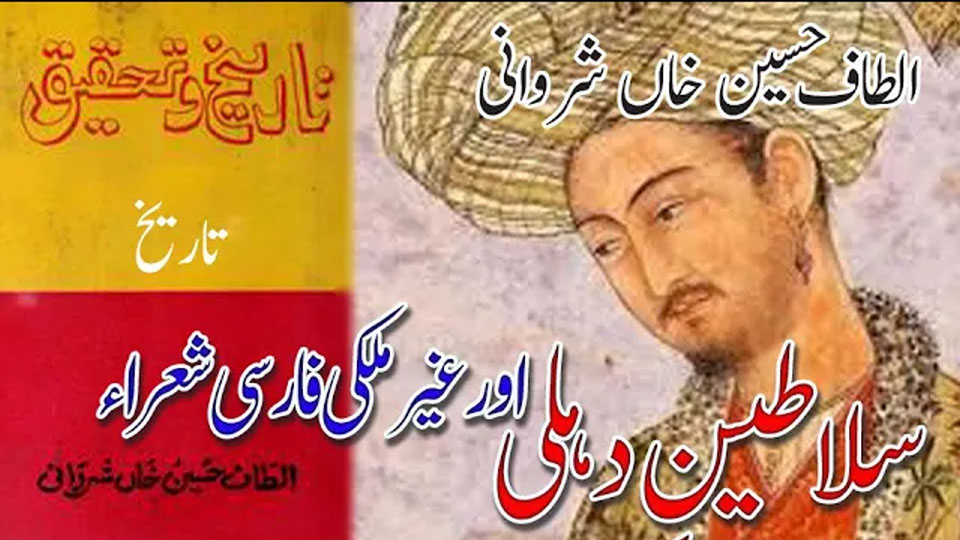
The book which highlights the scholarly achievements of Muslims.
Why do we study and write history? This question holds significant importance as history is not just a collection of past events; it is a guide that helps us learn lessons to shape our present and future. However, this noble purpose often remains unfulfilled due to differences in the perspectives of historians. These differing viewpoints lead to biased narratives, which obscure the true lessons that history can teach us. This blog explores the reasons behind studying and writing history while addressing the challenges of bias and subjectivity in historical narratives.
The Role of Historians in Shaping Perspectives
The answer to “Why do we study and write history?” is understanding the historian’s role. History reflects the historian’s perspective, which is influenced by their cultural, religious, and ideological background. For instance:
Muslim and Non-Muslim Perspectives:
A Muslim historian might view certain events positively, while a non-Muslim historian may interpret the same events negatively. These contrasting interpretations often lead to conflicting historical narratives, impacting how readers perceive the past.
India’s Historical Divide:
In Indian history, there is a significant divergence between Muslim and non-Muslim historians. This divide highlights the challenge of achieving an unbiased historical account.
The Case of “Tareekh-o-Tahqeeq” by Altaf Husain Khan Sharwani
Why Do We Study and Write History: One remarkable attempt to address these biases is Altaf Husain Khan Sharwani’s book, Tareekh-o-Tahqeeq. This book sheds light on overlooked aspects of Indian history by prioritizing the accounts of authentic Muslim historians while dismissing the narratives influenced by Orientalists.

Focus on Muslim Contributions:
Sharwani emphasizes the intellectual and cultural advancements made under Muslim rulers. For example, the book highlights how Muslim kings patronized Persian poets and scholars, attracting talent from neighboring regions to India.
Knowledge and Economic Growth:
A significant takeaway from the book is the connection between India’s economic prosperity and its intellectual progress during Muslim rule. Sharwani argues that historians often overlook this critical link, and his work seeks to rectify this omission.
Lessons from History: Learning Beyond Bias
The primary reason we study and write history is to draw lessons from the past, but this is only possible when historical accounts are free from bias. To achieve this:
Diversify Historical Sources:
Both Muslim and non-Muslim perspectives should be considered to provide a balanced view of history.
Analyze Context:
Understanding the socio-political and cultural context of historical events is crucial to interpreting them accurately.
Promote Intellectual Honesty:
Historians should strive to present facts without letting their personal beliefs overshadow the truth.
Why Accurate History Matters Today
The question, Why do we study and write history?, is as relevant today as ever. Historical narratives shape national identities and influence societal values. For instance:
Building a Shared Future:
A balanced understanding of history fosters mutual respect among diverse communities, helping societies move beyond historical grievances.
Avoiding Repetition of Mistakes:
Learning from past mistakes enables us to make informed decisions, ensuring a better future for coming generations.
Conclusion: The Power of Unbiased History
“Why do we study and write history?” The answer lies in its ability to educate, inspire, and guide. Altaf Husain Khan Sharwani’s Tareekh-o-Tahqeeq exemplifies how focusing on accurate and unbiased accounts can correct historical misconceptions. By studying history through multiple lenses, we can ensure a deeper understanding of the past and its relevance to our present and future.
Let us embrace history as a tool to unite rather than divide, and strive for narratives that reflect truth and inclusivity.
If you’re interested in reading this book, click the link below for a free download.
https://drive.google.com/file/d/1CjZIDRtwI0YcE0CvE613LYfP_YXcDiE5/view?usp=sharing
If you’d like to listen to this book in audio format, click the CONTACT button below to get in touch with the AwazeUrdu team to order the audiobook.
Contact us:Click the link below to watch the video on Facebook as well.https://www.facebook.com/share/v/ndRAZbUHvwJiUdst/
Click the link below to watch the video on Rumble as
well.https://rumble.com/v5j1ie1-kings-of-delhi-and-persian-poets..html
ہم تاریخ کیوں مرتب کرتےاور پڑھتے پڑھاتے ہیں؟ اس لئے کہ ہم اس سے سبق حاصل کرکےاپنےحال اور مستقبل کوبہتر بناسکیں۔ مگرعموماً ایساہوتانہیں ہے۔ اس کی وجہ تاریخ مرتب کرنےوالوں میں اختلاف کاپایاجانا ہے۔ عموماً ہرمؤرخ اپنے نقطہءنظرسے تاریخ لکھتاہے۔ مثلاً ایک کام جو مسلم مؤرخ کےنزدیک ٹھیک ہے۔ غیرمسلم مؤرخ اسے غلط سمجھیں گے۔
یہی فرق ان کےاندازِبیان میں بھی آتاہےاورپڑھنےوالوں پربھی یہی تاثرچھوڑتاہے۔ دنیاکےدیگرخطوں کی طرح ہندوستان کی تاریخ میں بھی مسلم وغیرمسلم مؤرخین کےدرمیان سخت اختلاف ہے۔ الطاف حسن خاں شروانی نےاپنی کتاب “تاریخ وتحقیق” لکھتے وقت غیرمسلم مؤرخین کی رائے کوبالکل نظرانداز کردیاہے اورصرف مستند مسلم مؤرخین کی روایات کوبنیاد بنایاہے۔
انہوں نےاس کتاب کےذریعے ہندوستانی تاریخ پرسے مستشرقین کےاثرات مٹانےکی کوشش کی ہے۔ اس کتاب میں مسلمان بادشاہوں کےخصوصاًعلمی کارناموں کاتذکرہ ہے۔ کتاب کےاس اقتباس میں بھی، جواس ویڈیومیں پڑھاجارہاہے، چند مسلم سلاطین کے غیرملکی فارسی شعراء کی سرپرستی کرنےکاتذکرہ ہے۔ کیوں کہ ہندوستان میں علم کی قدردانی اورعلماء کی سرپرستی کےسبب قریبی ممالک کےعلماءوفضلاء بھی کھنچے چلےآتےتھے۔ سچ یہ ہےکہ اس وقت ہندوستان کی معاشی ترقی کارازبھی اس کی علمی ترقی میں چُھپا تھا مگرمؤرخین نےاکثراسے نظراندازکردیا۔ اس کتاب میں اسی غلطی کا اِزالہ کرنےکی کوشش کی گئی ہے