
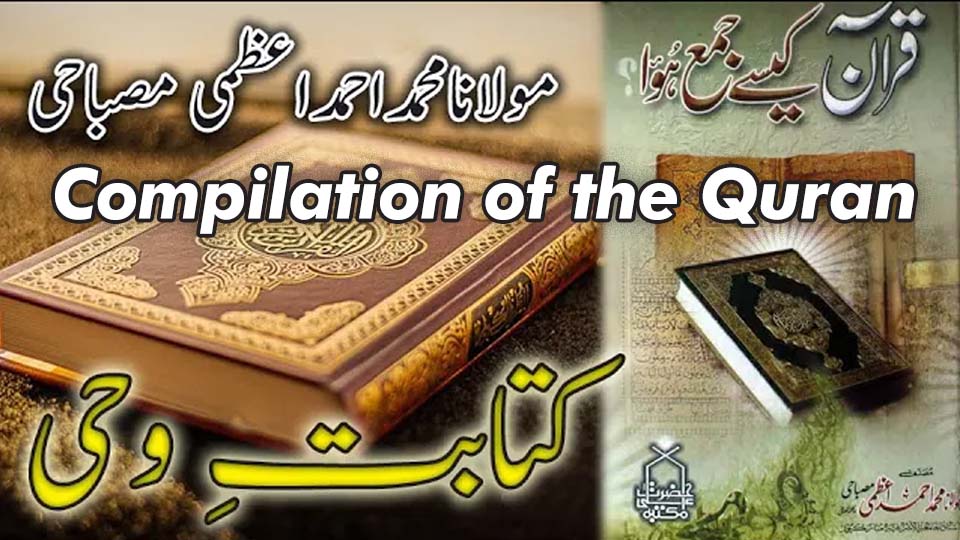
Compilation of the Quran is one of the most crucial subjects in Islamic history. The process of preserving the Divine revelation has always been a matter of faith, scholarship, and academic debate. From the earliest days of Islam, Muslims firmly believed that the Quran is protected by Allah Himself. Yet, across centuries, some critics and sceptics have raised doubts. Addressing these false claims requires returning to the authentic history of how the Quran was compiled. Scholars like Maulana Muhammad Ahmad Azmi Misbahi have presented in-depth research on this very topic in his well-known book, Quran Kaise Jama Hua (How the Quran Was Compiled). His work reaffirms that the Quran remains exactly as it was revealed.
Early Revelation and Preservation
The compilation of the Quran began during the lifetime of the Prophet Muhammad ﷺ. Every time a portion of the revelation was sent down, the Prophet instructed scribes to write it immediately. At the same time, companions memorized these verses, creating a dual system of preservation: written text and oral tradition. Unlike other scriptures, this divine book was never left unattended. Materials such as leather, animal shoulder blades, palm stalks, and parchment were used to record the verses, ensuring their survival.
Role of the Companions
After the passing of the Prophet ﷺ, the companions carried forward this responsibility with unmatched dedication. During the caliphate of Abu Bakr Siddiq (RA), the Quran was gathered in written form after the Battle of Yamama, where many memorizers of the Quran were martyred. Later, during the rule of Caliph Uthman (RA), copies of the compiled Quran were distributed to different regions of the Muslim world. This ensured a single, unified version of the Quran, leaving no room for confusion or sectarian differences.
Scholarly Efforts and Authentic Sources
In his book, Maulana Muhammad Ahmad Azmi Misbahi details how the process was both divinely guided and historically verified. He emphasizes that the compilation of the Quran was not a later innovation, but an ongoing effort during the Prophet’s time. He further refutes objections by explaining how companions like Zaid ibn Thabit (RA) were tasked with verifying every verse, cross-checking it against both memorized recitation and written texts. This rigorous methodology ensured authenticity beyond doubt.
False Claims vs Preserved Truths
Throughout history, certain Orientalists and critics claimed that the Quran may have been altered or compiled much later. Misbahi’s research directly addresses these false claims. He explains that the Quran was never dependent on a single source but safeguarded through multiple independent channels—both written and memorized. This multi-layered preservation system makes distortion impossible. On the other hand, the preserved truths demonstrate that the Quran today is the same as revealed over 1,400 years ago.
Why This Book Matters Today
In modern times, where misinformation spreads rapidly, works like Quran Kaise Jama Hua provide clarity. Students, researchers, and general readers can rely on it to understand how the compilation of the Quran stands as a historical and spiritual miracle. It highlights that the Quran was not only written in parts during the Prophet’s life but was also perfectly arranged under his guidance. This authenticity reinforces Muslim faith and answers contemporary challenges.
Conclusion
The compilation of the Quran is not just a historical event but a fulfilment of Allah’s promise of preservation. From the Prophet ﷺ to the companions, and later scholars like Maulana Muhammad Ahmad Azmi Misbahi, every generation has safeguarded the Quran with utmost dedication. Despite false claims, the evidence of preservation remains strong and unshaken. For Muslims and researchers alike, the process of compilation is living proof of divine protection and scholarly diligence.
If you’re interested in reading this book, click the link below for a free download.
https://drive.google.com/file/d/1aLfLj9r2MPHEwvfvDXHWpmmPRGE8IcTd/view?usp=sharing
If you’d like to listen to this book in audio format, click the CONTACT button below to get in touch with the AwazeUrdu team to order the audiobook.
You can also watch the same video on these social media platforms.
قرآن مجید کی جمع و تدوین اسلامی تاریخ کا نہایت اہم باب ہے۔ نزولِ وحی کے ساتھ ہی اس کی حفاظت کا ذمہ خود اللہ تعالیٰ نے لیا، اور رسول اللہ ﷺ نے صحابۂ کرام کے ذریعے کتابت و حفظ دونوں ذرائع کو رائج کیا۔ مختلف اوقات میں آیات اور سورتیں نازل ہوئیں اور کاتبینِ وحی نے انہیں مختلف مواد پر لکھا۔ عہدِ صدیقی میں قرآن کو صحیفوں کی صورت میں یکجا کیا گیا اور عہدِ عثمانی میں باقاعدہ مصاحف تیار کر کے امت میں رائج کیے گئے۔ اس معاملے میں صحابہ، تابعین اور بعد کے علما نے غیر معمولی کاوشیں کیں تاکہ امت کسی بھی اختلاف سے دوچار نہ ہو۔ انہی علما کی سنجیدہ کوششوں میں ایک نمایاں نام علامہ محمد احمد اعظمی مصباحی کا ہے، جنہوں نے اپنی کتاب قرآن کیسے جمع ہوا میں اس موضوع کو نہایت تحقیق اور وضاحت کے ساتھ پیش کیا ہے۔
مولانا محمد احمد اعظمی مصباحی (پیدائش 1952ء) ایک جید سنی عالمِ دین ہیں جن کا تعلق اتر پردیش (بھارت) کے ضلع مئو کے گاؤں بھیرا سے ہے۔ ابتدائی تعلیم گاؤں کے مدرسہ اسلامیہ رحیمیہ میں حاصل کی اور مزید تعلیم کے لیے خیرآباد و مبارک پور کا سفر کیا۔ 1969ء میں جامعہ اشرفیہ مبارک پور سے فراغت کے بعد علمی و تدریسی خدمات کا سلسلہ شروع کیا اور آج وہ اسی جامعہ میں ناظمِ تعلیمات کے منصب پر فائز ہیں۔ آپ نے عربی و اردو میں اہم علمی و تحقیقی کتابیں تصنیف کی ہیں جن میں تدوینِ قرآن، امام احمد رضا اور تصوف، معین العروض، تنقیدِ معجزات کا علمی محاسبہ، امام احمد رضا کی فقہی بصیرت اور دیگر کتب شامل ہیں۔ آپ کی علمی و تحقیقی کاوشیں معاصر دینی فکر کا اہم سرمایہ ہیں۔
مولانا محمد احمد مصباحی کی تصنیف قرآن کیسے جمع ہوا ایک تحقیقی اور مستند کتاب ہے، جس میں قرآن مجید کی تدوین کے تاریخی مراحل کو مدلل انداز میں پیش کیا گیا ہے۔ مصنف نے وضاحت کی ہے کہ قرآن کریم عہدِ رسالت ہی میں جزوی طور پر لکھا جاتا رہا، اگرچہ ایک مصحف کی شکل اُس وقت نہ بنی تھی، لیکن آیات و سورتوں کی تعیین و ترتیب براہِ راست رسول اللہ ﷺ کے حکم سے طے کی جاتی تھی۔ بعد میں عہدِ صدیقی میں قرآن کو ایک جگہ جمع کیا گیا اور عہدِ عثمانی میں مصاحف کی ترتیب کو امت میں یکساں طور پر نافذ کیا گیا۔ اس کتاب کی خاص بات یہ ہے کہ یہ نہ صرف تاریخِ تدوینِ قرآن کی تفصیلات فراہم کرتی ہے بلکہ معترضین کے اعتراضات کے مدلل جوابات بھی دیتی ہے۔ یوں یہ کتاب طلبہ، محققین اور عام قارئین کے لیے نہایت قیمتی ماخذ ہے۔
قرآن کیسے جمع ہوا کے باب کتابتِ وحی سے پیش کیا گیا اقتباس اس حقیقت کو واضح کرتا ہے کہ قرآن کا نزول ہمیشہ ایک ساتھ نہیں ہوتا تھا، بلکہ حسبِ موقع کبھی چند آیات اور کبھی کئی آیات ایک ساتھ نازل ہوتیں۔ مثال کے طور پر سورۂ مؤمنون کی ابتدائی دس آیات کا ایک ساتھ نزول صحیح روایات میں مذکور ہے۔ کبھی ایسا بھی ہوتا کہ صرف ایک جزوی آیت نازل ہوتی، جیسے سورۂ نساء کی آیت “غیر اولی الضرر” یا سورۂ توبہ کی آیت “وَإِنْ خِفْتُمْ عَيْلَةً فَسَوْفَ يُغْنِيكُمُ اللَّهُ”۔ رسول اللہ ﷺ کا معمول یہ تھا کہ جتنا بھی قرآن نازل ہوتا، فوراً کسی کاتب کو بلا کر اس کی کتابت کروا لیتے اور واضح ہدایت دیتے کہ یہ آیات فلاں سورت میں درج کی جائیں۔ حضرت عثمان رضی اللہ تعالیٰ عنہ کی روایت ہے کہ حضور ﷺ جب بھی کوئی آیات نازل ہوتیں تو کاتب کو بلا کر فرماتے: “ان آیات کو اس سورت میں لکھو جس میں فلاں فلاں ذکر ہے۔” اسی طرح حضرت زید بن ثابت رضی اللہ تعالیٰ عنہ فرماتے ہیں: “ہم رسول اللہ صلی اللہ علیہ وسلم کے پاس قرآن چرمی پارچوں پر جمع کرتے تھے۔”
اس اقتباس میں یہ بھی بیان کیا گیا ہے کہ قرآن کی کتابت کوئی بعد کی ایجاد نہیں تھی بلکہ براہِ راست حضور ﷺ کے حکم سے عہدِ رسالت ہی میں جاری تھی۔ اُس وقت کاغذ عام نہیں تھا، اس لیے کتابت کے لیے مختلف اشیا استعمال کی جاتی تھیں، مثلاً دباغت شدہ باریک چمڑا (ادیم)، سفید تختیاں (لُخاف)، اونٹ کے مونڈھے کی ہڈی (کَتف)، کھجور کی چوڑی شاخیں (عُسیب)، اونٹ کے کھُر کے تختے (اَفتاف) اور چرمی پارچے یا کاغذ کے ٹکڑے (رِقاع)۔ ان پر لکھی ہوئی آیات اتنی پائیدار ثابت ہوئیں کہ عہدِ صدیقی میں جب قرآن کو مصحف کی شکل میں جمع کیا گیا تو وہ تحریریں بعینہٖ محفوظ ملیں۔ اس طرح یہ حقیقت پوری طرح واضح ہوگئی کہ عہدِ رسالت ہی میں قرآن مکمل طور پر لکھا جاچکا تھا، اگرچہ مصحف کی شکل میں یکجا کرنا بعد میں ممکن ہوا۔ یہی ترتیب بعد کے ادوار میں جمعِ قرآن کی بنیاد بنی اور امت کے درمیان کسی اختلاف کی گنجائش نہ رہی۔
یوں قرآنِ مجید کی تدوین دراصل اللہ تعالیٰ کی حفاظت کے وعدے کا عملی ثبوت ہے، جو رسول اللہ ﷺ، صحابۂ کرام اور بعد کے علما کی محنت سے تاریخ میں ثبت ہوا۔ مولانا محمد احمد مصباحی کی کتاب قرآن کیسے جمع ہوا اس سلسلے میں نہ صرف ماضی کے حقائق کو محفوظ کرتی ہے بلکہ موجودہ نسل کے لیے یقین و اعتماد کا سرمایہ بھی فراہم کرتی ہے۔ یہ کتاب اس بات کی گواہی ہے کہ قرآن اپنی اصل حالت میں آج بھی اسی طرح محفوظ ہے جیسے نازل ہوا تھا۔