
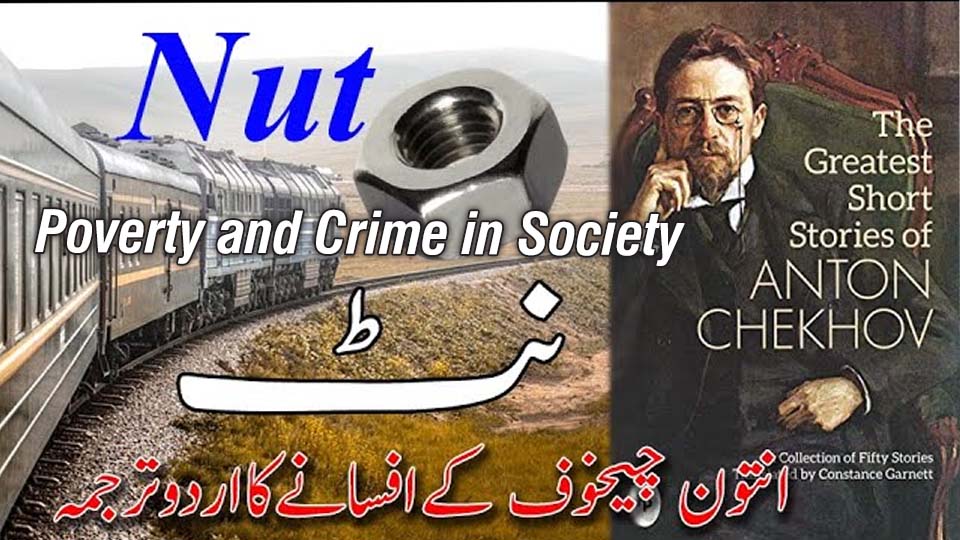
Poverty and crime have always shared a disturbing and inseparable relationship, especially in societies where economic deprivation, ignorance, and state neglect intersect. When individuals are denied access to basic necessities of life, crime often emerges not as a moral choice but as a forced response to survival. Literature across the world has repeatedly highlighted this harsh reality, and Russian fiction offers some of the most powerful examples of how poverty-driven crime can escalate into collective tragedy.
Poverty and Crime as a Social Reality
The connection between poverty and crime in society is neither new nor accidental. When people struggle to secure food, shelter, and employment, respect for law and public property gradually loses significance. In such conditions, ethical boundaries become blurred, and survival instincts take over human behavior. History bears witness to countless instances where economic desperation gave rise to criminal acts that later transformed into large-scale disasters.
Social thinkers and reformers have long argued that crime should be understood within its economic and social context rather than judged purely as individual wrongdoing. Without addressing poverty, crime becomes an inevitable outcome rather than an exception.
Russian Society and the Burden of Inequality
In nineteenth-century Russia, poverty was deeply rooted in rigid class divisions and weak social welfare systems. The state’s failure to protect its lower classes resulted in widespread deprivation. These harsh realities influenced Russian writers, who turned literature into a mirror reflecting social injustice and human suffering.
Russian literature, particularly short fiction, exposed how economic inequality and ignorance forced ordinary people into morally complex and often dangerous actions. This literary tradition did not aim to justify crime but to explain its origins.
Chekhov’s Realism and Social Consciousness
Anton Pavlovich Chekhov stands out as a master of realistic storytelling who transformed short fiction into a tool of social critique. Unlike writers who focused on dramatic heroes or villains, Chekhov examined systems, institutions, and silent suffering. His stories reveal how poverty and crime are often produced by social neglect rather than personal immorality.
Chekhov’s medical background sharpened his observational skills, allowing him to diagnose society with the same precision he applied to patients. His characters are ordinary individuals trapped in extraordinary circumstances created by economic injustice.
“The Nut” as a Case Study of Poverty and Crime
Chekhov’s short story “The Nut” offers a powerful illustration of poverty and crime in society. The story revolves around a poor fisherman who is caught removing nuts from railway tracks—an act that may seem minor but carries deadly consequences. During the investigation, the man explains that this practice is common among nearby villagers who are driven by extreme poverty and lack of employment.
He makes a crucial observation: if the state provided basic livelihoods, no one would risk their life or public safety for such petty theft. This confession shifts the focus from individual guilt to collective responsibility.
From Small Crime to National Tragedy
What makes “The Nut” particularly haunting is how a small, poverty-driven crime escalates into a catastrophic accident. An investigating officer recognizes the seriousness of the issue and travels to report it to higher authorities. However, when he later realizes that railway nuts have already been removed, it is too late. The train meets a horrific accident, resulting in loss of life.
This tragic ending reinforces Chekhov’s message: ignoring poverty and crime as systemic problems allows minor illegal acts to evolve into irreversible disasters. The true culprit is not a single fisherman, but a state that failed to address economic desperation.
Crime as a Symptom of State Neglect
Chekhov’s story challenges the conventional understanding of crime. Rather than portraying criminals as villains, he exposes crime as a symptom of deeper social disease. When governments neglect education, employment, and basic welfare, they indirectly manufacture crime.
This perspective remains relevant today. Across the world, societies that fail to address economic inequality continue to experience rising crime rates. Punishment without reform only deepens the cycle of deprivation.
Literary Insight and Contemporary Relevance
The enduring power of “The Nut” lies in its relevance to modern societies. Poverty and crime in society continue to threaten public safety, infrastructure, and human dignity. Whether in developing or developed nations, economic injustice remains one of the strongest predictors of crime.
Literature like Chekhov’s forces readers to reflect critically on governance, morality, and collective responsibility. It reminds us that crime prevention begins with social justice, not surveillance.
Conclusion: Urgent Hope Through Economic Justice
In conclusion, poverty and crime are inseparable realities shaped by ignorance, inequality, and state indifference. Chekhov’s “The Nut” powerfully demonstrates that when societies ignore the suffering of their poorest members, the cost is paid in human lives.
The urgent hope lies in addressing the root causes—education, employment, and economic fairness. Only by eliminating poverty can societies realistically hope to reduce crime and prevent tragedies. Without justice, law becomes hollow; without compassion, progress remains an illusion.
If you’d like to listen Urdu Stories in audio format, click the CONTACT button below to get in touch with the AwazeUrdu team to order the audiobook.
You can also watch the same video on these social media platforms.
Poverty can be challenged when compassion is turned into action. In Pakistan, an inspiring initiative called Akhuwat has shown how interest-free microfinance can restore dignity, create livelihoods, and break the cycle of desperation. AwazeUrdu highlighted this powerful effort in its article “How Poverty Forces People to Take Desperate Actions,” reminding readers that sustainable solutions exist when society chooses empathy over indifference. We encourage you to read, share, and support such initiatives—because addressing poverty today is the most effective way to prevent crime and human tragedy tomorrow.
اکثر یہ دیکھا گیا ہے کہ معاشروں میں جنم لینے والے بڑے جرائم اور ہولناک حادثات کے پسِ پردہ غربت اور جہالت جیسے عناصر کارفرما ہوتے ہیں۔ جب کسی معاشرے کے افراد بنیادی ضروریاتِ زندگی سے محروم ہو جائیں تو ان کے لیے قانون، اخلاق اور ریاستی املاک کی حرمت ثانوی حیثیت اختیار کر لیتی ہے۔ تاریخِ انسانی گواہ ہے کہ مختلف ادوار میں قوموں کے رہنماؤں اور مفکروں نے عوام کو غربت کے شکنجے سے نکالنے کے لیے گوناگوں حل تجویز کیے۔ انہی کوششوں میں روس کا کمیونسٹ انقلاب بھی شامل ہے، جس کا مقصد طبقاتی تفریق کا خاتمہ اور معاشی انصاف کا قیام تھا۔ اس انقلاب کے اثرات نہ صرف روسی سیاست اور سماج پر مرتب ہوئے بلکہ روسی ادب میں بھی نمایاں طور پر نظر آئے۔ روس کے نامور افسانہ نگار انتون پاؤلاوچ چیخوف نے اپنی تحریروں میں غربت، ناانصافی اور ان سے پیدا ہونے والے سماجی المیوں کو نہایت حقیقت پسندانہ اور اثر انگیز انداز میں موضوع بنایا۔
انتون پاؤلاوچ چیخوف روسی زبان کے عظیم افسانہ نگار اور ڈرامہ نویس تھے۔ پیشے کے اعتبار سے وہ ڈاکٹر تھے، مگر ادب ان کی اصل شناخت بنا۔ چیخوف کو جدید افسانے کا معمار سمجھا جاتا ہے، کیونکہ انہوں نے افسانے کو محض قصہ گوئی سے نکال کر انسانی نفسیات، سماجی ناہمواریوں اور خاموش المیوں کا آئینہ بنا دیا۔ ان کی تحریروں میں سادگی، اختصار، گہرا مشاہدہ اور تلخ سماجی حقیقتیں نمایاں نظر آتی ہیں۔ وہ کسی کردار کو مجرم یا ہیرو قرار دینے کے بجائے پورے نظام کو سوالیہ نشان بناتے ہیں۔
The Greatest Short Stories
چیخوف کے منتخب اور نمائندہ افسانوں کا مجموعہ ہے، جس میں ان کی فنی مہارت اور فکری گہرائی پوری طرح جھلکتی ہے۔ اس مجموعے میں شامل افسانے روسی معاشرے کی طبقاتی تقسیم، غربت، انسانی مجبوریوں اور ریاستی غفلت جیسے موضوعات کا احاطہ کرتے ہیں۔
THE NUT
نامی افسانہ بھی اسی مجموعے کا حصہ ہے، جو چیخوف کے سماجی شعور اور انسان دوستی کی ایک مؤثر مثال ہے۔
افسانہ “نٹ” میں چیخوف ایک ماہی گیر کا واقعہ بیان کرتے ہیں، جو ریلوے پٹری کے ساتھ لگے ہوئے چوڑی دار نٹ کھولتے ہوئے پکڑا جاتا ہے۔ تفتیش کے دوران وہ شخص اعتراف کرتا ہے کہ یہ عمل صرف وہی نہیں بلکہ پٹری کے اطراف بسنے والے تمام دیہات کے لوگ غربت کے ہاتھوں مجبور ہو کر کرتے ہیں، کیونکہ ان کے پاس اپنی ضروریات پوری کرنے کا کوئی اور ذریعہ نہیں۔ وہ واضح طور پر کہتا ہے کہ اگر حکومت عوام کو روزگار اور بہتر معاشی حالات فراہم کرے تو کوئی شخص اس قدر خطرناک چوری کا سوچے بھی نہیں۔ تفتیشی افسر اس بیان کو ایک سنگین قومی مسئلہ سمجھتے ہوئے رپورٹ تیار کرتا ہے اور اسے دارالحکومت لے جانے کے لیے ریل گاڑی میں سوار ہوتا ہے، مگر راستے میں ایک بچے کو ہاتھ میں دو نٹ لیے دیکھ کر اسے احساس ہو جاتا ہے کہ پٹری کے نٹ کھول دیے گئے ہیں۔ وہ گاڑی روکنے کی کوشش کرتا ہے، لیکن بہت دیر ہو چکی ہوتی ہے اور ٹرین خوفناک حادثے کا شکار ہو جاتی ہے۔ اس افسانے کا اردو ترجمہ آوازِاردو نے اپنی ایک ویڈیو میں پڑھ کر سنایا ہے، جس کے ذریعے یہ فکر انگیز کہانی اردو قارئین اور سامعین تک پہنچی۔
افسانہ “نٹ” ہمیں یہ سبق دیتا ہے کہ معاشرتی جرائم کو محض انفرادی بددیانتی سمجھنا حقیقت سے آنکھیں چرانے کے مترادف ہے۔ اصل مسئلہ غربت، جہالت اور ریاستی غفلت ہے، جو چھوٹے جرائم کو بڑے سانحات میں بدل دیتی ہے۔ چیخوف اس افسانے کے ذریعے یہ پیغام دیتے ہیں کہ اگر حکومتیں عوام کی بنیادی ضروریات پوری نہ کریں تو قانون کی خلاف ورزیاں اور انسانی جانوں کا ضیاع ناگزیر ہو جاتا ہے۔ یہ افسانہ آج کے قاری کو بھی دعوتِ فکر دیتا ہے کہ معاشی انصاف کے بغیر کسی بھی معاشرے میں پائیدار امن اور ترقی ممکن نہیں۔