
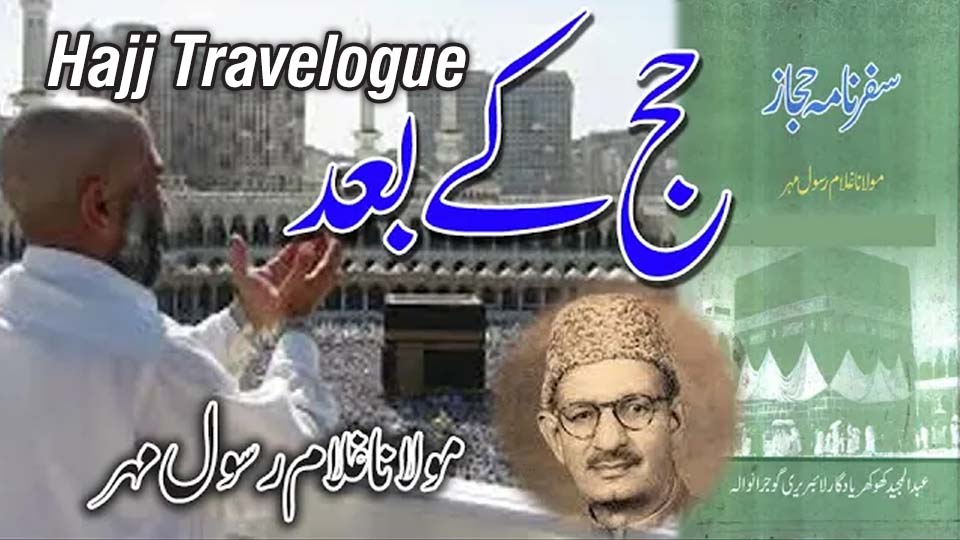
Hajj Travelogue has always remained a source of deep fascination for Muslims worldwide. Beyond being a sacred obligation, every Hajj journey is a personal story filled with emotional highs and physical challenges. The travelogue of Maulana Ghulam Rasool Mehr, a distinguished Urdu writer, historian, and journalist, beautifully captures this duality. His Safarnama Hijaz, written after performing Hajj in 1930, is not only a personal diary of devotion but also a cultural and historical document of its time.
In this blog, we will explore how his Hajj Travelogue reflects both the inspiring dreams of a pilgrim and the harsh realities of travel, society, and politics during that period.
The Legacy of Ghulam Rasool Mehr
Maulana Ghulam Rasool Mehr (1895–1971) was a towering personality in Urdu literature and journalism. He was not just a critic and historian but also a mentor for generations of readers who turned to him for literary depth and historical insights. His work spanned criticism, translations, history, and poetry. His research on Iqbal, Ghalib, and Islamic history is still considered authentic.
Amid Mehr’s vast contributions, his Hajj Travelogue stands out by seamlessly integrating spirituality, history, and journalism. The narrative’s strength lies in documenting not only the rituals but, more importantly, how the journey exposes the social and political realities that shape the Hajj experience.
Hajj Travelogue Beyond Rituals
In his Safarnama Hijaz, Mehr describes his pilgrimage in detail, from the rituals of Mina and Arafat to the heartfelt emotions felt during Tawaf and prayers in Masjid al-Haram. However, the real strength of his Hajj Travelogue lies in what comes after the sacred rituals.
The excerpt presented by AwazeUrdu highlights the atmosphere after the completion of Hajj. Mehr notes how pilgrims were prepared either to move toward Madinah for ziyarat or to return to Jeddah for departure. He records the challenges of severe heat, long and exhausting journeys by motor vehicles, and the hesitation of some companions to undertake the additional hardship of traveling to Madinah. This honest reflection shows how the emotional fulfillment of Hajj was quickly followed by the physical trials of desert travel.
Social and Political Observations
Another powerful dimension of Mehr’s Hajj Travelogue is its socio-political insight. He does not limit himself to spiritual experiences; instead, he observes the daily life of Makkah, the simplicity of Bedouins, the bustling marketplaces, and the administrative shortcomings that pilgrims often faced.
The excerpt mentions figures like Sardar Gul Muhammad Khan, former ambassador of Afghanistan, who not only shared the journey but also spoke about broader political commitments and loyalty to Nadir Shah Ghazi. Such moments reveal how the Hijaz was not only a spiritual center but also a meeting point for political discussions, cultural exchanges, and international relations.
A Blend of Spirituality and Reality
The beauty of this Hajj Travelogue is that it does not glorify the pilgrimage with an idealized tone alone. Instead, it balances the passion of fulfilling a divine obligation with the realism of travel difficulties—heat, discomfort, waiting periods, and uncertain arrangements. This blend of the sacred and the mundane makes Mehr’s work a timeless document.
Even today, readers can relate to these experiences because the spiritual joy of Hajj remains eternal while the logistical challenges, though improved, still form part of the pilgrim’s story.
Why AwazeUrdu’s Revival Matters
By presenting excerpts of Safarnama Hijaz in its travelogue series, AwazeUrdu has revived the intellectual and spiritual heritage of Maulana Ghulam Rasool Mehr. For the new generation, listening to these passages is not only a window into the past but also a reminder of how faith, history, and culture intertwine in the sacred land of Hijaz.
Conclusion
Ghulam Rasool Mehr’s Hajj Travelogue stands as a vital example of Urdu travel writing that advances beyond ritual. Sharpened by its focus on both pilgrims’ spiritual aspirations and the tangible hardships of their journey, it also invites readers to consider the political and cultural realities of 1930s Hijaz.
For anyone interested in spiritual journeys, cultural history, or Urdu travel writing, this Hajj Travelogue remains a treasure trove of insight. Its revival through platforms like AwazeUrdu ensures that its wisdom and emotional depth continue to inspire.
If you’re interested in reading this book, click the link below for a free download.
https://drive.google.com/file/d/1XI9Bn8TIi_CPOlh9IfFayXi7CBrExBOp/view?usp=sharing
If you’d like to listen to this book in audio format, click the CONTACT button below to get in touch with the AwazeUrdu team to order the audiobook.
You can also watch the same video on these social media platforms.
حجازِ مقدس ہمیشہ سے مسلمانوں کے دلوں کا مرکز رہا ہے۔ رسولِ اکرم ﷺ کی بعثت کے بعد سے آج تک پوری اسلامی دنیا کے مسلمان، خواہ جس حال میں بھی ہوں، حرمین شریفین کی زیارت کے شوق میں کھنچے چلے آتے ہیں۔ عشقِ رسول ﷺ اور شوقِ زیارتِ بیت اللہ کی یہ تڑپ کبھی ماند نہیں پڑی۔ اسی تسلسل میں 1930ء میں مولانا غلام رسول مہر نے بھی حجِ بیت اللہ کی سعادت حاصل کی اور اپنے اس تاریخی و روحانی سفر کی روداد سفرنامہ حجاز میں قلم بند کی، جو آج بھی اردو سفرنامہ نگاری کی ایک قیمتی دستاویز سمجھی جاتی ہے۔
مولانا غلام رسول مہر اردو زبان و ادب کے ایک اہم ستون تھے، جنہوں نے اپنی ادبی اور فکری جہت کے باعث اردو تنقید، تاریخ اور صحافت میں نمایاں مقام پایا۔ ان کی ولادت 13 اپریل 1895ء کو ہوئی اور وفات 16 نومبر 1971ء کو ہوئی۔ مہر نے ادبی بحث و تنقید، مذہبی اور تاریخی موضوعات اور شاعری کی تشریح پر کام کیا۔ وہ روزنامہ اخبارات کی ادارت اور ادبی جرائد کی سرپرستی سے وابستہ رہے اور اردو صحافت میں ایک معتبر نام بنے۔ ان کی تحریروں میں علمی گہرائی اور فکری بصیرت نمایاں ہے۔ وہ غالب شناسی، اقبالیات اور اسلامی تاریخ پر بھی مستند تحریریں چھوڑ گئے۔ ان کا ورثہ سفرناموں، تراجم، تنقیدی مضامین اور ادبی مطالعوں پر مشتمل ہے۔
سفرنامہ حجاز میں مولانا مہر نے اپنے سفر حج کو محض ذاتی تجربات تک محدود نہیں رکھا بلکہ اسے ایک ہمہ جہت دستاویز بنا دیا۔ انہوں نے نہ صرف مکہ و مدینہ کے مقدس مقامات، حج کے مناسک اور اپنی جذباتی کیفیات بیان کیں بلکہ حجاز کی اُس وقت کی معاشرتی، سیاسی اور ثقافتی زندگی کا بھی نقشہ کھینچا۔ بدویوں کی سادہ زندگی، بازاروں کی کیفیت، موسم کی شدت اور سفر کی دشواریاں ان کی تحریر میں پوری طرح جھلکتی ہیں۔ ساتھ ہی وہ انتظامی مسائل اور کمزوریوں پر تنقیدی نگاہ بھی ڈالتے ہیں۔ چونکہ وہ تاریخ اور صحافت پر گہری نظر رکھتے تھے، اس لیے یہ کتاب ایک روحانی سفرنامہ ہونے کے ساتھ ساتھ ایک تحقیقی و تاریخی دستاویز کی حیثیت بھی رکھتی ہے۔
اس کتاب کے ایک باب “ادائیگیِ فریضۂ حج کے بعد” کا درج ذیل اقتباس آوازِ اردو کی سفرنامہ سیریز میں پڑھ کر سنایا گیا ہے:
“ہم ۱۲ار کی شام کو منی سے مکہ معظمہ پہنچے ۔ ۱۳ کو اطلاع ملی کہ دو روز کے اندر اندر مدینہ جانے والوں کو اجازت مل جائے گی اور جدہ جانے والوں کو بعد میں اجازت ملے گی۔ منی سے آنے کے بعد دو روز کے اندر اندر گرمی اس قدر تیز ہو گئی تھی کہ ہم جیسے اکثر تنگ حوصلہ ہائے وائے کرنے لگے۔ اسماعیل اس مرتبہ مدینہ منورہ جانے کے لیے تیار نہ تھا۔ لہذا ڈپٹی محمد شریف صاحب نے بھی فیصلہ کر لیا کہ وہ مدینہ منورہ نہیں جائیں گے اس لیے کہ عام لوگوں سے سن چکے تھے کہ راستہ سخت تکلیف دہ ہے۔ گرمی زیادہ ہے اور موٹر کے دھچکوں سے کچومر نکل جاتا ہے۔ سردار گل محمد خاں صاحب سابق سفیر افغانستان بھی اس سال حج کے لیے آئے ہوئے تھے۔ سردار صاحب حج سے قبل مدینہ منورہ کی زیارت کر چکے تھے۔ ہم سے روز ملتے تھے۔ ڈپٹی صاحب نے فیصلہ کیا کہ ان کے ساتھ واپس چلے جائیں۔ سردار صاحب نے سلطان کے حالات دریافت کیسے اور بعد میں فرمایا کہ میرے جذبات کی حالت یہ ہے کہ میں اعلیٰ حضرت نادر شاہ غازی کے جھنڈے تلے ایک عام لشکری کی حیثیت سے اسلام کے لیے لڑنا باعث فخر سمجھتا ہوں۔ بعد ازاں اعلیٰ حضرت نادر شاہ غازی کے نام ایک مکتوب دیا ۔ سردار صاحب کے جدہ تشریف لے جانے کے لیے اپنی موٹر بھیجی۔ سردار صاحب کے ساتھ ہی ڈپٹی صاحب بھی جدہ پہنچ گئے۔ اسماعیل سلطان المعظم کی طرف سے تو سردار صاحب کو چھوڑ نے کے لیے جدہ تک ساتھ آیا۔…”
(یہ اقتباس تفصیل سے مدینہ جانے کی تیاری، جدہ کے سفر، جہاز کی نشستوں کے مسائل، ہندوستان کی سیاسی فضا کی خبریں، سردار گل محمد خان سے ملاقات اور سلطان سے روابط جیسے واقعات کو بیان کرتا ہے۔ اس میں مکہ کی روزمرہ زندگی، حرم میں نماز اور علمی شخصیات سے ملاقاتوں کا ذکر بھی ملتا ہے۔ اقتباس واضح کرتا ہے کہ مولانا مہر کا سفرنامہ محض مذہبی واردات نہیں بلکہ اس دور کی سیاسی اور سماجی زندگی کا عکس بھی ہے۔)
یوں سفرنامہ حجاز محض ایک حاجی کی یادداشت نہیں بلکہ ایک مسلمان مفکر، ادیب اور صحافی کی آنکھوں سے دیکھا گیا وہ آئینہ ہے جس میں حجاز کی روحانی فضا کے ساتھ ساتھ اُس زمانے کی تہذیبی اور سیاسی جھلکیاں بھی محفوظ ہیں۔ یہ کتاب آج بھی نہ صرف سفرنامہ نگاری کے شائقین بلکہ تاریخ و ادب کے طلبہ کے لیے رہنمائی اور دلچسپی کا ذریعہ ہے۔ آوازِ اردو نے اس سفرنامے کے اقتباسات کو زندہ آواز میں پیش کر کے اسے نئی نسل کے قارئین اور سامعین تک پہنچانے کا جو کارنامہ سرانجام دیا ہے، وہ مولانا مہر کی یاد اور ان کی تحریروں کے فیض کو تازگی بخشتا ہے۔