
Introduction
Symbolism in Urdu Stories bridges human emotion and intellectual depth, serving as a vital tool for writers. At the heart of Urdu literature, symbolism gives voice to the moral, cultural, and spiritual layers of society. Through symbols, metaphors, and allegories, writers turn everyday experiences into deeper meaning, prompting reflection and awakening the mind and spirit. Symbolic expression is essential—it enriches Urdu fiction with imagination, psychological insight, and compelling resonance.
In this evolving literary landscape, Symbolism in Urdu Stories stands not just as a stylistic device but as a vehicle of awakening—a creative journey from chaos to clarity.
S. Qasim Jalal: A Visionary of Thought and Expression
Among the modern critics who redefined Urdu literature, Syed Qasim Jalal holds a distinguished place. Born on November 20, 1948, in Bahawalpur, he was a multifaceted writer—poet, novelist, playwright, translator, researcher, and critic whose writings blend the warmth of Seraiki with the classical elegance of Urdu and Persian. His vision was rooted in the belief that literature is not merely a play of words, but a mirror to human consciousness and civilization.
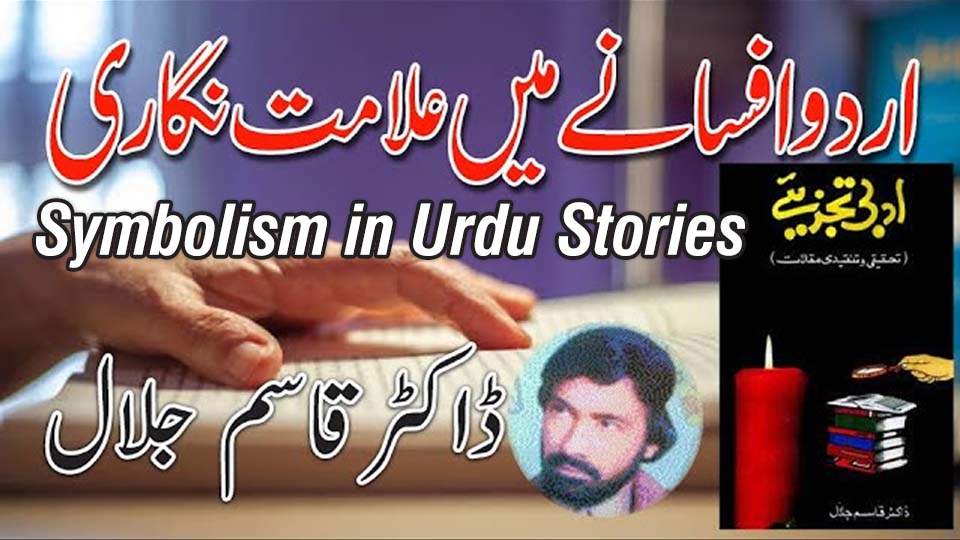
In his famous critical collection Adabi Tajziye (Literary Analyses), Qasim Jalal explores the very soul of Symbolism in Urdu Stories. He considers literature a living organism that breathes through the emotions and values of its age. His criticism moves beyond linguistic ornamentation and delves into the moral and spiritual responsibilities of the writer.
The Rise of Symbolism in Urdu Fiction
The Urdu short story has journeyed through many phases—from realism to modernism, and eventually to symbolism. During this evolution, Symbolism in Urdu Stories gained a unique importance. Unlike direct narratives, symbolic stories evoke emotions through hints, metaphors, and layered meanings. They invite the reader to look beyond the surface—to interpret dreams, inner conflicts, and societal truths hidden beneath words.
Symbolism, in this sense, is not artificial complexity; it is an artistic necessity. Nature itself communicates symbolically—through dreams, seasons, and signs. Just as a dream of a serpent might warn of hidden danger, so too does a symbol in fiction reveal unseen aspects of human experience. This interplay between the visible and the invisible is what gives Urdu stories their spiritual depth and creative energy.
The Creative Use—and Misuse—of Symbolism
However, Qasim Jalal also warns against the misuse of this art. Many writers, in their attempt to sound profound, distort the natural rhythm of language and burden their stories with excessive abstraction. When expression becomes overly complicated, the message fades, and Symbolism in Urdu Stories loses its true purpose.
For Jalal, literature must illuminate, not obscure; it must reveal truth, not hide behind confusion.
Symbolism, when rightly used, refines emotion, strengthens narrative beauty, and elevates the reader’s consciousness. But when it turns into a puzzle of words, it loses both aesthetic grace and moral direction.
Symbolism as a Path to Awakening
Qasim Jalal believes that genuine symbolic writing must serve truth. It should reflect the moral, social, and spiritual realities of human life. A writer’s role is not merely to entertain but to awaken thought—to stir conscience, and to mirror the unseen struggles of society. Through symbolic expression, fiction becomes a journey from darkness to illumination, from chaos to creative awakening.
Thus, Symbolism in Urdu Stories stands as more than a device—it is the guiding philosophy and primary means for intellectual reform and emotional liberation in Urdu literature. It connects a writer’s vision to the reader’s quest for meaning, fulfilling its core purpose of awakening.
Conclusion
The writings of Syed Qasim Jalal remind us that literature, symbolism, and life are inseparable threads of the same tapestry. A story, when enriched with symbolic insight, can heal, awaken, and reform the mind of a nation.
In this way, Symbolism in Urdu Stories anchors not just art but the very philosophy of perception itself. By channeling chaos into creative energy, it affirms the power of words to prompt awakening and reform in society.
If you’re interested in reading this book, click the link below for a free download.
https://drive.google.com/file/d/1RsKd1CZFZ02VFglGe__XkYZYIUqgQ7to/view?usp=sharing
If you’d like to listen to this book in audio format, click the CONTACT button below to get in touch with the AwazeUrdu team to order the audiobook.
You can also watch the same video on these social media platforms.
ادب کسی بھی معاشرے کے فکری، تہذیبی اور روحانی شعور کا آئینہ ہوتا ہے۔ یہ انسان کے اندر کے جذبات، تجربات اور مشاہدات کو اس انداز سے پیش کرتا ہے کہ وہ قاری کے ذہن میں نہ صرف فکری تحریک پیدا کرے بلکہ اس کے احساسات کو بھی جھنجھوڑ دے۔ اردو ادب کی مختلف اصناف — شاعری، نثر، افسانہ، تنقید — سب اسی مقصد کے لیے تخلیق کی جاتی ہیں۔ تاہم وقت کے ساتھ ساتھ ان اصناف میں معنویت اور علامت کے نئے جہت سامنے آئے ہیں۔ یہی علامت نگاری اردو افسانے کی روح بن گئی ہے، جس کے ذریعے ادیب نہ صرف اپنی بات کو زیادہ گہرائی کے ساتھ بیان کرتا ہے بلکہ معاشرتی اور اخلاقی پہلوؤں کو بھی نئے رنگ میں پیش کرتا ہے۔
اسی پس منظر میں سید قاسم جلال کی تنقیدی تحریریں اردو ادب میں ایک خاص اہمیت رکھتی ہیں۔ انہوں نے ادب کو محض الفاظ کے کھیل کے بجائے انسانی شعور اور تہذیبی پس منظر کا آئینہ سمجھا اور اسی فکر کے تحت اپنے مضامین اور تنقیدی مضامین تحریر کیے۔
سید قاسم جلال 20 نومبر 1948 کو بہاولپور میں پیدا ہوئے۔ وہ ایک ہمہ جہت ادبی شخصیت ہیں جنہوں نے سرائیکی، اردو اور فارسی ادب میں نمایاں خدمات انجام دیں۔ شاعر، ناول نگار، ڈراما نویس، مترجم، محقق، نقاد اور ماہرِ تعلیم ہونے کے ساتھ ساتھ انہوں نے ادب کے مختلف میدانوں میں اپنی انفرادیت قائم کی۔ ان کی مادری زبان سرائیکی ہے، مگر ان کی شاعری اور نثر اردو و فارسی کے کلاسیکی ذوق کی آئینہ دار ہے۔
انہوں نے پی ایچ ڈی کی سطح پر رئیس امروہوی کی شخصیت اور فن پر تحقیقی مقالہ تحریر کیا۔ اب تک ان کی تیس سے زائد کتابیں مختلف زبانوں میں شائع ہوچکی ہیں جن میں ان کا مشہور شعری مجموعہ قم بإذن اللہ بھی شامل ہے۔
قاسم جلال کی شاعری میں فکری گہرائی، روحانی معنویت اور عصری شعور نمایاں ہیں، اور ناقدین انہیں ان ادیبوں میں شمار کرتے ہیں جنہوں نے روایت اور جدیدیت کے امتزاج سے اردو ادب کو ایک نیا زاویہ عطا کیا۔
“ادبی تجزیے” سید قاسم جلال کی تنقیدی تحریروں کا ایک اہم مجموعہ ہے۔ اس کتاب میں انہوں نے اردو ادب کی مختلف اصناف — غزل، نظم، قصیدہ، مرثیہ اور قطعہ — کی ساخت، تاریخی ارتقاء اور جمالیاتی خصوصیات کا نہایت باریک بینی سے مطالعہ کیا ہے۔
ان کے تنقیدی اندازِ بیان میں نہ صرف روایتی اصولوں اور ادبی معیاروں کی پاسداری ملتی ہے بلکہ جدید رجحانات کی تفہیم اور ان کے تنوع کا شعور بھی جھلکتا ہے۔ قاسم جلال اس بات پر زور دیتے ہیں کہ ادب صرف جذبات یا زبان کی چاشنی نہیں بلکہ ایک مکمل تہذیبی اور سماجی عمل ہے۔ یہی وجہ ہے کہ یہ کتاب طلبہ اور محققین دونوں کے لیے تجزیہ و تنقید کا ایک واضح اور کارآمد فریم ورک فراہم کرتی ہے۔
کتاب ادبی تجزیے کا درجِ ذیل مضمون بعنوان “اردو افسانے میں علامت کا استعمال” آوازِ اردو نے زمرۂ ادبیات میں ایک ویڈیو کے طور پر پیش کیا ہے:
اردو افسانہ اپنے ارتقائی سفر میں بے شمار نشیب و فراز سے گزرا ہے۔ خصوصاً علامتی افسانے نے اپنی تاثر آفرینی اور فکری گہرائی کے باعث ادب میں ایک منفرد مقام حاصل کیا۔ سیدھے سادے اظہار کے مقابلے میں اشاروں، کنایوں اور علامتوں کے ذریعے تحریر زیادہ موثر اور دیرپا اثرات مرتب کرتی ہے۔ علامتی طرزِ تحریر انسانی جذبوں کو ابھارنے اور ان کی تسکین کے لیے ایک نازک مگر طاقتور وسیلہ ہے۔
قدرت بھی خوابوں اور علامتی مشاہدات کے ذریعے انسان کو متنبہ کرتی ہے۔ جیسے اگر ہم خواب میں سانپ یا کسی درندے کو تعاقب کرتے دیکھیں تو وہ محض ایک منظر نہیں بلکہ ایک اندرونی پیغام یا تنبیہ بن جاتا ہے۔ یہی علامتی طرزِ اظہار تخلیق کار کے لیے وہی اہمیت رکھتا ہے جو روح کے لیے سانس۔
زبان میں روزمرہ، محاورات، تشبیہات، استعارات اور مجازِ مرسل کا استعمال دراصل علامت نگاری ہی کا ایک مظہر ہے۔ جیسے دل کا ڈوبنا، سانس اکھڑنا، آگ بگولہ ہونا یا باغ باغ ہوجانا — یہ سب انسانی کیفیات کے اظہار کی علامتیں ہیں۔ اس لیے علامتی افسانے کو اگر فنی طور پر درست انداز میں برتا جائے تو یہ اردو افسانے کی فکری رفعتوں کو کئی گنا بڑھا سکتا ہے۔
لیکن افسوس کہ اکثر علامتی افسانہ نگاروں نے زبان کے سانچوں کو توڑنے اور اظہار کو پیچیدہ بنانے ہی کو فن سمجھ لیا ہے۔ اس افراط نے اردو زبان کی سادگی اور تاثیر کو نقصان پہنچایا ہے۔ ادب کا مقصد محض فلسفیانہ گنجلک پیدا کرنا نہیں بلکہ معاشرے کی حقیقتوں کی آئینہ داری ہے۔
ادب کو اگر محض جسمانی یا جنسی موضوعات تک محدود کر دیا جائے تو وہ انسانی روحانی و اخلاقی قدروں سے خالی ہو جاتا ہے۔ ادیب کا کام معاشرے کے تمام پہلوؤں کی عکاسی ہے — وہ چاہے اخلاقی اقدار ہوں یا روحانی۔ بدقسمتی سے آج کا بیشتر علامتی افسانہ نگار شہرت کی تمنا میں ایسے موضوعات سے کنارہ کش ہو چکا ہے جن کا تعلق صداقت، انصاف اور خیر سے ہے۔
یہی وجہ ہے کہ جب زبان کمزور ہو اور موضوعات سطحی ہوں تو علامتی تحریر بے معنویت اور ابہام کا شکار ہو جاتی ہے۔ قاری اس کی پیچیدگیوں میں الجھ کر اصل مفہوم تک نہیں پہنچ پاتا۔ قاسم جلال اس نتیجے پر پہنچتے ہیں کہ اگر افسانہ نگار علامت کے ذریعے زندگی کی صداقت کو آشکار کرنا چاہتا ہے تو اسے زبان و بیان کے ابلاغی تقاضوں کو مدنظر رکھنا ہوگا اور حقیقت کو بغیر کسی مصلحت کے پیش کرنا ہوگا۔ یہی رویہ علامت نگاری کو فکری بیداری کا ذریعہ بنا سکتا ہے اور قوم کے اذہان کو ارتقاء کی جانب گامزن کر سکتا ہے۔
سید قاسم جلال کی تحریریں صرف ادبی تنقید نہیں بلکہ فکری رہنمائی بھی فراہم کرتی ہیں۔ ان کے نزدیک ادب کا مقصد زندگی کی گہرائیوں کو سمجھنا اور انسان کو شعور کی نئی منزلوں سے روشناس کرانا ہے۔ ان کی کتاب ادبی تجزیے اردو تنقید میں ایک سنگِ میل کی حیثیت رکھتی ہے، جو قارئین کو یہ احساس دلاتی ہے کہ ادب، علامت، اور زندگی — تینوں دراصل ایک ہی فکری سلسلے کی کڑیاں ہیں۔