
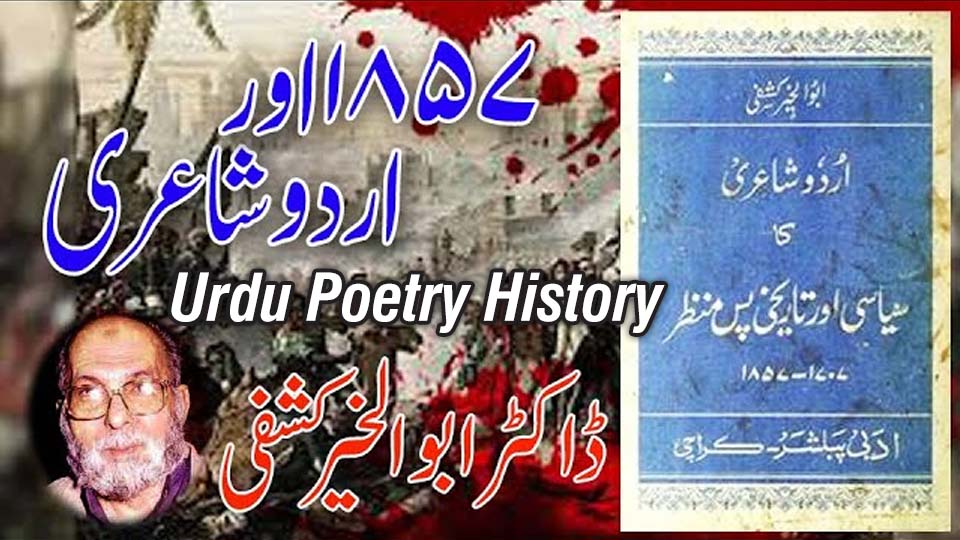
Urdu Poetry History begins not in isolation but in the turbulent heart of South Asian political, social, and historical upheavals. Far from being merely an aesthetic or emotional expression, Urdu poetry has consistently served as a sensitive barometer of collective consciousness. Between 1707 and 1857, the subcontinent witnessed imperial decline, political fragmentation, cultural disintegration, and colonial domination—forces that deeply shaped poetic thought and expression. Understanding Urdu Poetry History through this lens is essential to grasp how literature responds to crisis, transforms despair into reflection, and eventually inspires intellectual revival.
Literature and History: An Inseparable Relationship
One of the most defining characteristics of Urdu Poetry History is its profound connection with the realities of its time. Literature does not emerge in a vacuum; it absorbs social anxieties, political tensions, and historical ruptures. Urdu poetry, especially during periods of instability, became a medium through which poets articulated loss, uncertainty, resistance, and hope. This historical sensitivity distinguishes Urdu poetry from purely romantic or escapist traditions.
The Period of Decline (1707–1857)
The death of Emperor Aurangzeb in 1707 marked the beginning of the Mughal Empire’s steady decline. Internal power struggles, weakening central authority, economic distress, and continuous warfare all contributed to destabilizing the region. These developments had a visible impact on Urdu Poetry History, as poets increasingly reflected themes of impermanence, moral decay, and cultural disintegration.
Rather than celebrating imperial grandeur, the poetry of this era mourned lost order and expressed deep civilizational anxiety. The traditional symbols of power and stability were replaced by metaphors of ruin, exile, and uncertainty, signaling a collective awareness of decline.
Dr. Syed Abul Khair Kashfi’s Critical Contribution
A serious and authoritative attempt to analyze this transformative era is found in Dr. Syed Abul Khair Kashfi’s scholarly work, Political and Historical Background of Urdu Poetry (1707–1857). As a distinguished researcher, critic, and educator, Dr. Kashfi emphasized that the history of Urdu poetry cannot be understood without situating it within its socio-political framework.
Born in Kanpur in 1932 and later settling in Karachi, Dr. Kashfi brought methodological rigor, historical evidence, and intellectual balance to Urdu criticism. His doctoral research, later published as a book, is regarded as a foundational text in historically grounded literary criticism.
Urdu Poetry as a Living Historical Document
According to Dr Kashfi, poetry from this period should be read as a living historical document rather than a purely artistic creation. The fall of Mughal authority, the rise of regional powers, relentless conflicts, and the expanding influence of British colonialism reshaped poetic tone and subject matter. In this sense, Urdu Poetry History becomes an archive of political anxiety and cultural trauma.
Poems echoed the collapse of established norms, the erosion of traditional patronage, and the existential uncertainty faced by intellectuals and artists. The poet emerged not just as an observer but as a witness to history in motion.
1857: Crisis and Turning Point
A crucial chapter in Urdu Poetry History revolves around the events of 1857. Dr. Kashfi identifies this year as a decisive turning point—not merely a political rebellion but a civilizational rupture. With the final dissolution of symbolic Mughal authority and the establishment of direct British rule, Muslim political and cultural identity suffered a profound shock.
This crisis resonated deeply in literature. Poetry captured both the trauma of defeat and the realization that an entire worldview had collapsed. Yet, paradoxically, it also marked the beginning of intellectual self-reflection and reform.
Resistance, Reform, and Intellectual Awakening
While British historians often labelled 1857 as a “mutiny,” later interpretations recognised it as a popular resistance shaped by economic exploitation, political repression, and public unrest. Dr Kashfi challenges the notion that it was the “first war of independence,” pointing to earlier resistance movements led by figures like Tipu Sultan, Shah Waliullah, and Syed Ahmad Shaheed.
However, he highlights the crucial role of religious scholars who gave the movement ideological direction, issuing fatwas and actively participating. Simultaneously, administrative experiments such as the Court of Administration in Delhi reflected early democratic and constitutional thinking. These developments signaled an intellectual awakening that would later influence reform movements.
Lasting Impact on Urdu Literature
The long-term effects of this era on Urdu Poetry History were profound and enduring. The trauma of loss fostered realism, critical introspection, and moral seriousness in poetry. This period laid the groundwork for later reformist movements, including Sir Syed Ahmad Khan’s educational initiatives and the establishment of institutions like Darul Uloom Deoband—symbols of cultural and intellectual revival.
Conclusion: Poetry as Historical Consciousness
In conclusion, Urdu Poetry History is inseparable from the political decline, cultural crisis, and intellectual revival of the subcontinent. Dr Syed Abul Khair Kashfi’s work reminds us that poetry breathes within history, not outside it. By reading Urdu poetry through its political and historical background, we gain a deeper understanding of how literature transforms collective suffering into awareness—and crisis into renewal.
If you’re interested in reading this book, click the link below for a free download.
https://drive.google.com/file/d/1whcosdehFKptQ4QId7PgdaTfwmhofR8s/view?usp=sharing
If you’d like to listen to this book in audio format, click the CONTACT button below to get in touch with the AwazeUrdu team to order the audiobook.
You can also watch the same video on these social media platforms.
ادب کسی خلا میں جنم نہیں لیتا بلکہ اپنے عہد کے سیاسی، سماجی اور تاریخی حالات سے گہرا رشتہ رکھتا ہے۔ خاص طور پر اردو شاعری، جو محض جذباتی یا جمالیاتی اظہار نہیں بلکہ اپنے زمانے کے فکری اضطراب، تہذیبی بحران اور اجتماعی شعور کی ترجمان رہی ہے۔ برصغیر کی تاریخ میں 1707ء سے 1857ء تک کا زمانہ سیاسی انتشار، اقتدار کی کشمکش اور تہذیبی زوال کا دور ہے، جس کے اثرات اردو شاعری پر نہایت گہرے پڑے۔ اسی پس منظر کو سمجھنے اور اردو شاعری کو تاریخ کے آئینے میں دیکھنے کی ایک سنجیدہ اور وقیع کوشش ڈاکٹر سید ابوالخیر کشفی کی کتاب “اردو شاعری کا سیاسی اور تاریخی پسِ منظر (1707ء–1857ء)” میں سامنے آتی ہے، جو اردو تنقید میں ایک نمایاں مقام رکھتی ہے۔
ڈاکٹر سید ابوالخیر کشفی اردو کے ممتاز محقق، نقاد اور ماہرِ تعلیم تھے۔ 1932ء میں کانپور میں پیدا ہوئے اور بعد ازاں ہجرت کے بعد کراچی کو اپنا مسکن بنایا۔ ان کی علمی شناخت کا بنیادی حوالہ ان کا تحقیقی اور تنقیدی شعور ہے، جس میں وہ ادب کو سماجی، سیاسی اور تاریخی تناظر سے الگ کرکے نہیں دیکھتے۔ ان کی تحریروں میں تحقیقی دیانت، حوالہ جاتی استناد اور فکری توازن نمایاں ہے۔ اردو ادب میں ان کی سب سے اہم خدمات میں ان کا پی ایچ ڈی کا مقالہ شامل ہے، جو بعد میں کتابی صورت میں “اردو شاعری کا سیاسی اور تاریخی پسِ منظر” کے عنوان سے شائع ہوا اور اردو تنقید میں ایک مستند تحقیقی دستاویز کی حیثیت اختیار کر گیا۔
“اردو شاعری کا سیاسی اور تاریخی پسِ منظر (1707ء–1857ء)”
دراصل ڈاکٹر کشفی کا تحقیقی مقالہ ہے، جس میں انہوں نے اردو شاعری کو محض فنی یا لسانی نقطۂ نظر سے نہیں بلکہ اپنے عہد کے سیاسی، سماجی اور تاریخی حالات کے تناظر میں پرکھا ہے۔ مغل سلطنت کے زوال، داخلی انتشار، مسلسل جنگوں، اقتدار کی رسہ کشی اور برطانوی استعمار کے بڑھتے ہوئے اثرات نے اس دور کے شعرا کی فکر، موضوعات اور لہجے کو کس طرح متاثر کیا، مصنف نے اسے مدلل دلائل اور تاریخی شواہد کے ساتھ واضح کیا ہے۔ اس کتاب میں اردو شاعری کو ایک زندہ تاریخی دستاویز کے طور پر پیش کیا گیا ہے، جہاں شعر اپنے عہد کے سیاسی اضطراب اور تہذیبی شکست و ریخت کی بازگشت بن جاتے ہیں۔ یہی وجہ ہے کہ یہ کتاب اردو ادب میں تاریخی شعور پر مبنی تنقید کی ایک نمایاں مثال سمجھی جاتی ہے۔
کتاب کے باب”1857ءاور اردوشاعری” کا ایک اقتباس آوازِ اردو نے اپنی ویڈیو میں پڑھ کر سنایا ہے، جس میں مصنف 1857ء کو برصغیر کی تاریخ کا ایک فیصلہ کن موڑ قرار دیتے ہیں۔ ان کے مطابق اس سال بقیہ مغلیہ اقتدار کا مکمل خاتمہ ہوا اور ایسٹ انڈیا کمپنی کی جگہ براہِ راست برطانوی تاج کی حکومت قائم ہو گئی۔ اگرچہ اس سے قبل ہی مغل شہنشاہ عملی اقتدار سے محروم ہو چکے تھے اور محض پنشن یافتہ حکمران بن کر رہ گئے تھے، مگر مسلمانوں کی سیاسی اور تہذیبی زندگی میں مغلیہ سلطنت ایک علامتی حیثیت رکھتی تھی، جو 1857ء میں ہمیشہ کے لیے مٹ گئی۔
مصنف کے نزدیک 1857ء محض ایک سیاسی تبدیلی نہیں بلکہ ایسا ہمہ گیر واقعہ ہے جس نے تمدن، تاریخ، ادب اور اجتماعی زندگی کے ہر شعبے کو متاثر کیا۔ ایک طرف یہ سال ہماری تاریخی شکست کا استعارہ ہے، تو دوسری طرف اسی تاریکی سے فکری اور تہذیبی بیداری کی نئی کرنیں پھوٹتی ہیں۔ سرسید احمد خان کی اصلاحی تحریک اور دارالعلوم دیوبند کا قیام اسی پس منظر میں سامنے آتا ہے، جو ہماری فکری نشاۃِ ثانیہ کی علامتیں ہیں۔
ڈاکٹر کشفی یہ بھی واضح کرتے ہیں کہ 1857ء کے اس ہنگامے کو مختلف ادوار میں مختلف نام دیے گئے۔ برطانوی مؤرخین نے اسے سپاہیوں کی بغاوت یا غدر کہا، جب کہ بعد کے زمانے میں اسے قومی جنگِ آزادی قرار دیا گیا۔ سرسید احمد خان کا نقطۂ نظر یہ تھا کہ یہ تحریک کسی منظم قومی منصوبے کے تحت شروع نہیں ہوئی، بلکہ معاشی بدحالی، سیاسی جبر اور عوامی بے چینی نے رفتہ رفتہ اسے ایک عوامی تحریک میں تبدیل کر دیا۔ اسی لیے اسے عوامی سطح پر جنگِ آزادی کہا جا سکتا ہے، اگرچہ یہ نہ پہلی جنگ تھی اور نہ مکمل طور پر منظم۔
مصنف اس دعوے سے اختلاف کرتے ہیں کہ 1857ء پہلی جنگِ آزادی تھی، کیونکہ اس سے قبل ٹیپو سلطان کی مزاحمت، شاہ ولی اللہ کی فکری جدوجہد اور سید احمد شہید کی منظم تحریکیں انگریز اقتدار کے خلاف واضح مثالیں ہیں۔ تاہم وہ اس بات پر زور دیتے ہیں کہ 1857ء کی تحریک کو انقلابی رخ دینے میں علمائے اسلام کا کردار نہایت اہم رہا۔ علماء نے اس جدوجہد کو جہاد قرار دیا، فتوے جاری کیے اور عملی طور پر اس میں شریک ہوئے۔ اسی زمانے میں دہلی میں ایک باقاعدہ انتظامی ڈھانچہ قائم کرنے کی کوشش بھی کی گئی، جس کی مثال کورٹ آف ایڈمنسٹریشن کا آئین ہے، جو جمہوری اصولوں اور مغربی دستوری اثرات کی جھلک پیش کرتا ہے۔
مجموعی طور پر ڈاکٹر سید ابوالخیر کشفی کا مؤقف یہ ہے کہ 1857ء کو محض ایک عسکری بغاوت کے طور پر دیکھنا تاریخ اور ادب دونوں کے ساتھ ناانصافی ہے۔ یہ ایک ہمہ گیر تاریخی واقعہ تھا جس نے برصغیر کی تہذیبی، فکری اور ادبی سمت کا تعین کیا۔ اردو شاعری اور نثر پر اس کے اثرات نہایت گہرے اور دیرپا ثابت ہوئے، اور اسی تناظر میں اردو ادب کو سمجھنا ناگزیر ہے۔ کشفی صاحب کی یہ کتاب نہ صرف اردو تنقید میں ایک مستند تحقیقی کارنامہ ہے بلکہ قاری کو یہ شعور بھی دیتی ہے کہ ادب اپنے عہد کی تاریخ سے کٹ کر نہیں بلکہ اسی میں سانس لیتا ہے۔