
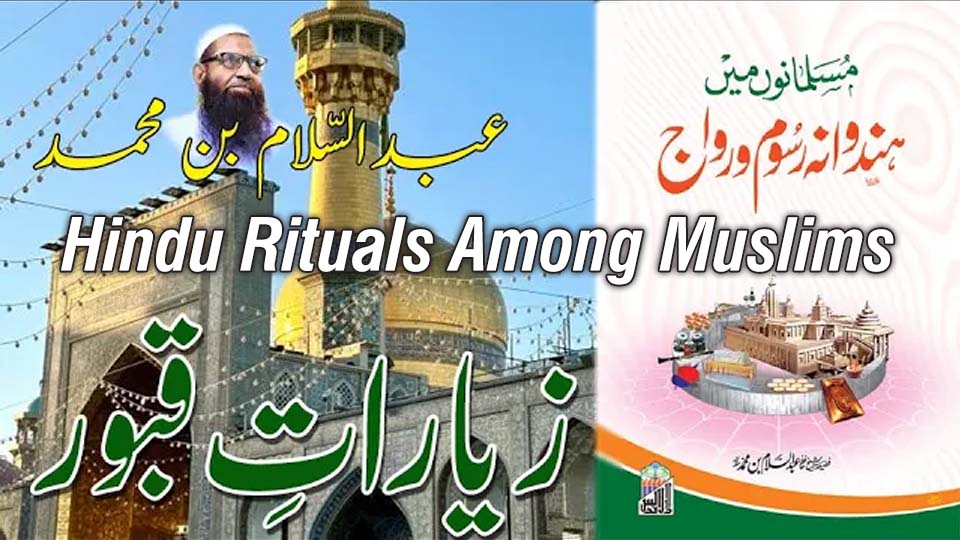
Hindu Rituals have played a significant role in shaping the cultural and civilizational landscape of the Indian subcontinent. For centuries, diverse religions, beliefs, and traditions coexisted and interacted closely in this region. While cultural exchange is a natural historical process, a serious concern arises when certain non-Islamic customs gradually enter Muslim social and religious life and begin to take on the color of worship and belief. This is precisely the critical issue addressed in the thought-provoking work Musalmano Mein Hindwana Rasoom o Riwaj by the renowned Islamic scholar Hafiz Abdul Salam bin Muhammad.
A Shared History and a Hidden Challenge
The religious history of South Asia bears witness to prolonged coexistence among Muslims, Hindus, Sikhs, and followers of other faiths. Over time, this coexistence led to cultural overlaps. However, Hindu Rituals, when adopted unconsciously by Muslims, pose a serious theological challenge—especially when these practices move beyond social customs and enter the domain of devotion, reverence, and religious expectation.
Islam draws a clear line between culture and worship. When that line is blurred, the very foundation of pure monotheism (Tawheed) is put at risk. Hafiz Abdul Salam bin Muhammad highlights this danger with intellectual honesty and religious courage.
Hafiz Abdul Salam bin Muhammad: A Voice of Reform
Hafiz Abdul Salam bin Muhammad was a distinguished Pakistani Islamic scholar, Qur’anic exegete, and writer who devoted his life to promoting the authentic teachings of the Qur’an and Sunnah. Known for his fearless critique of shirk (associating partners with Allah), bid‘ah (religious innovations), and un-Islamic social practices, he wrote with clarity, evidence, and deep concern for the Muslim Ummah.
Through books like Muslims Mein Hindwana Rasoom o Riwaj, he warned Muslims about the silent infiltration of Hindu Rituals into their religious lives and called for a sincere return to pure Islamic belief and practice.
Hindu Rituals and the Concept of Pilgrimage
One of the most striking discussions in the book appears in an essay titled “Ganga Jamna, Thar ke Safar aur Ajmer o Sehwan ke Safar”, excerpts of which have been presented by AwazeUrdu in video form. In this essay, the author explains the true concept of Hajj in Islam.
He reminds readers that every mosque is the house of Allah and that prayer is permissible on any clean part of the earth. However, Hajj is a unique act of worship that can only be performed in Makkah. Tawaf is exclusive to the Ka‘bah, kissing is only prescribed for the Black Stone, and the entire journey of Hajj—ihram, sacrifice, abstinence, and devotion—is solely for Allah.
When Cultural Practices Become Acts of Worship
The author raises a piercing question: how can Allah accept that Muslims travel to graves and shrines in the same manner as they travel to His Sacred House, wearing symbolic clothing, forming groups, raising flags, and placing hope and fear in deceased individuals?
Here, Hindu Rituals offer a troubling parallel. Hindus visit multiple sacred sites dedicated to different deities, performing rituals, offering sacrifices, and seeking fulfillment of desires. Hafiz Abdul Salam references historical texts, such as Tuhfat al-Hind, mentioning places like Kurukshetra, Ganga Jamna, Mathura, Dwarka, and Jagannath—centers of devotion where worship of Allah is absent.
A Painful Mirror for Muslims
With deep sorrow, the author observes that many Muslims have adopted similar patterns. Groups travel to shrines, circumambulate graves, offer vows and animal sacrifices, and ask deceased saints for help. Some even claim that visiting certain shrines is equivalent to Hajj—an assertion that directly contradicts Islamic belief.
In a personal anecdote, Hafiz Abdul Salam recounts how a man from his village argued that traveling to Sehwan Sharif fulfilled the obligation of Hajj. This leads the author to ask a heartbreaking question:
“Are we still Muslims? Is this what being Muslim means?”
Theological Consequences of Blind Imitation
Allah commanded tawaf around only one House, yet today hundreds of sites are treated with similar reverence. In some places, special gates are claimed to guarantee Paradise—something not even promised for any gate in Makkah. These beliefs, the author argues, originated in Hindu Rituals but have now been normalized among Muslims.
Backed by authentic Hadith, he reminds readers that the Prophet ﷺ strictly forbade turning graves into places of worship, constructing structures over them, or elevating them in a way that leads to veneration.
A Powerful Call to True Faith
muslmano-mein hinduwaana rasoom-o-riwaj is not merely a critical book—it is a sincere call to reform. Hafiz Abdul Salam bin Muhammad neither sought popularity nor compromise. His mission was to awaken the Ummah to the dangers of mixing pure faith with inherited customs.
Today, through platforms like AwazeUrdu, this message is reaching a new generation. It urges Muslims to examine their beliefs, worship, and traditions honestly and ask whether they truly reflect Islamic teachings or unknowingly echo Hindu Rituals.
Final Reflection
The survival of Islamic identity depends on preserving the purity of belief and worship. This book and its message serve as a mirror, forcing us to confront uncomfortable truths. The choice remains ours: to uphold true faith or to continue down paths shaped by unexamined traditions.
If you’re interested in reading this book, click the link below for a free download.
https://drive.google.com/file/d/12cMvsonz7Lu1_17Xdiu5RW-F8EPx3iQa/view?usp=sharing
If you’d like to listen to this book in audio format, click the CONTACT button below to get in touch with the AwazeUrdu team to order the audiobook.
You can also watch the same video on these social media platforms.
The strongest safeguard against Hindu Rituals and other non-Islamic influences is conscious and living faith (Iman). When faith weakens, cultural practices begin to replace divine guidance. To understand how faith shapes human life and determines the rise and fall of nations, readers are encouraged to reflect on Maulana Abul Hasan Ali Nadwi’s powerful essay The Rise and Fall of Muslims – A Legacy of Light and Loss, presented on AwazeUrdu, which highlights why only strong faith can preserve Muslim identity and protect it from harmful deviations.
برصغیر کی مذہبی اور تہذیبی تاریخ اس حقیقت کی گواہ ہے کہ یہاں صدیوں تک مختلف مذاہب، عقائد اور ثقافتیں باہم گھلتی ملتی رہی ہیں۔ اس اختلاط کا ایک فطری نتیجہ یہ بھی نکلا کہ بعض غیر اسلامی رسوم و رواج، رفتہ رفتہ مسلمانوں کی معاشرت اور حتیٰ کہ ان کے مذہبی طرزِ عمل کا حصہ بنتے چلے گئے۔ مسئلہ اس وقت سنگین صورت اختیار کر لیتا ہے جب یہ رسوم محض ثقافتی سطح تک محدود نہ رہیں بلکہ عبادت، عقیدت اور دین کا رنگ اختیار کر لیں۔ ایسے ہی نازک اور حساس موضوع پر حافظ عبدالسلام بن محمد کی کتاب مسلمانوں میں ہندوانہ رسم و رواج ایک سنجیدہ فکری اور اصلاحی دستاویز کی حیثیت رکھتی ہے، جس میں مصنف نے امتِ مسلمہ کو آئینہ دکھانے کی کوشش کی ہے۔
حافظ عبدالسلام بن محمد ایک معروف پاکستانی عالمِ دین، مفسرِ قرآن اور صاحبِ قلم مصنف تھے جنہوں نے اپنی پوری علمی زندگی قرآن و سنت کی خالص تعلیمات کے فروغ کے لیے وقف کر دی۔ وہ تدریس، تصنیف اور دعوت کے میدان میں طویل عرصے تک سرگرم رہے اور خاص طور پر عقائد، بدعات اور معاشرتی رسوم پر مدلل اور بےلاگ انداز میں لکھنے کی وجہ سے پہچانے گئے۔ ان کی تحریروں میں نصوصِ شرعیہ سے مضبوط استدلال، شرک و بدعت کے خلاف واضح موقف اور اصلاحِ معاشرہ کا گہرا جذبہ نمایاں نظر آتا ہے۔ مسلمانوں میں ہندوانہ رسم و رواج جیسی کتب کے ذریعے انہوں نے مسلمانوں کو غیر اسلامی اثرات سے خبردار کرنے اور خالص توحید و سنت کی طرف رجوع کی دعوت دی، جس کی بنا پر وہ دینی و اصلاحی حلقوں میں ایک سنجیدہ اور مؤثر عالم کے طور پر جانے جاتے ہیں۔
مسلمانوں میں ہندوانہ رسم و رواج حافظ عبدالسلام بن محمد کی ایک فکری اور اصلاحی کتاب ہے جس میں انہوں نے برصغیر کے مسلمانوں کی مذہبی و سماجی زندگی میں سرایت کر جانے والی غیر اسلامی، بالخصوص ہندوانہ رسوم و رواج کا تنقیدی جائزہ لیا ہے۔ مصنف قرآن و سنت کی روشنی میں یہ واضح کرتے ہیں کہ کس طرح بعض رسوم، جو ابتدا میں محض سماجی یا ثقافتی تھیں، رفتہ رفتہ عقیدت اور عبادت کی شکل اختیار کر چکی ہیں اور یوں شرک اور بدعت کا ذریعہ بن رہی ہیں۔ کتاب کا اسلوب سادہ مگر فکر انگیز ہے اور مثالوں کے ذریعے قاری کو اس حقیقت کا احساس دلایا گیا ہے کہ اسلامی شناخت کی بقا کے لیے عقائد اور عبادات کو ہر قسم کی آمیزش سے پاک رکھنا ناگزیر ہے۔ یہ کتاب محض تنقید نہیں بلکہ اصلاحِ امت کی ایک مخلصانہ دعوت ہے۔
اس کتاب کے ایک اہم مضمون کا اقتباس آوازِاردو نے اپنی ایک ویڈیو میں پڑھ کر سنایا ہے، جس کا عنوان ہے:
“گنگا جمنا، تھر کے سفر اور اجمیر و سیہون کے سفر”
اس مضمون میں حافظ عبدالسلام بن محمد نہایت درد مندانہ لہجے میں مسلمانوں کو مخاطب کرتے ہوئے حج کی حقیقت کو واضح کرتے ہیں۔ وہ لکھتے ہیں کہ ہر مسجد اللہ کا گھر ہے اور زمین کا ہر حصہ نماز کے لیے جائز ہے، مگر حج ایک مخصوص عبادت ہے جو صرف مکہ مکرمہ میں ہی ادا ہوتی ہے۔ طواف صرف بیت اللہ کا ہوتا ہے، بوسہ صرف حجرِ اسود کو دیا جاتا ہے، قربانی اسی کے لیے ہوتی ہے، احرام پہن کر فقیری کا اظہار کیا جاتا ہے، بیوی سے پرہیز، شکار سے اجتناب اور پورا سفر صرف بیت اللہ کی طرف کیا جاتا ہے۔ کسی دوسری جگہ حج نہیں ہو سکتا، خواہ وہ اللہ کا کوئی اور گھر ہی کیوں نہ ہو۔
اسی تناظر میں مصنف سوال اٹھاتے ہیں کہ غیر اللہ کے آستانوں کی طرف اسی طرح کے بھیس بنا کر جانا، جیسا اللہ کے گھر کی طرف جاتے ہوئے بنایا جاتا ہے، اور ان سے امید و خوف وابستہ کرنا اللہ تعالیٰ کو کیسے گوارا ہو سکتا ہے؟ حالانکہ اللہ تعالیٰ نے صاف الفاظ میں فرما دیا ہے کہ وہ اس جرم کو ہرگز معاف نہیں کرے گا کہ اس کے ساتھ کسی کو شریک بنایا جائے۔
مصنف اس کے بعد ہندوؤں کی مثال دیتے ہیں کہ ان کے ہاں مختلف معبودوں کے نام پر متعدد مقدس مقامات ہیں جہاں وہ جماعتیں بنا کر، جھنڈے اٹھا کر، فقیری کا بھیس اختیار کر کے جاتے ہیں، وہاں عبادت کرتے ہیں، مرادیں مانگتے ہیں اور نذریں و قربانیاں پیش کرتے ہیں۔ تحفۃ الہند کے حوالے سے وہ کرکھیتر، گنگا جمنا، کانگڑا، متھرا، دوارکا اور جگن ناتھ جیسے مقامات کا ذکر کرتے ہیں جہاں غیر اللہ کی پرستش ہوتی ہے مگر اللہ کی عبادت کا کہیں نام و نشان نہیں ملتا۔
اس کے بعد مصنف نہایت تلخ مگر سچی بات کرتے ہوئے مسلمانوں کی طرف متوجہ ہوتے ہیں اور کہتے ہیں کہ آج مسلمانوں نے بھی یہی طرزِ عمل اختیار کر لیا ہے۔ حاجات مانگنے کے لیے جماعتیں بنا کر، جھنڈے اٹھا کر، فقیری لباس پہن کر قبروں کی طرف سفر کیا جاتا ہے، وہاں قبروں کا طواف ہوتا ہے، نذریں اور نیازیں دی جاتی ہیں، جانوروں کے چڑھاوے چڑھائے جاتے ہیں اور فوت شدہ بزرگوں سے مرادیں مانگی جاتی ہیں۔ یہاں تک کہ بعض لوگ کھلے عام کہتے ہیں کہ مکہ جانے کی کیا ضرورت ہے، فلاں بزرگ کے مزار کا طواف ہی کافی ہے۔
مصنف ایک ذاتی واقعہ بیان کرتے ہیں کہ ان کے گاؤں کا ایک شخص سیہون شریف کے سفر پر روانہ ہوا تو کسی نے اسے سمجھایا، مگر اس کا جواب یہ تھا کہ کیا مکہ میں کوئی زیادہ حج ہوتا ہے، سیہون جانے سے حج نہیں ہو جاتا؟ اس پر مصنف درد بھرے انداز میں سوال کرتے ہیں: “میرے بھائیو! کیا ہم اب بھی مسلمان ہیں؟ کیا یہی مسلمانی ہے؟”
وہ افسوس کا اظہار کرتے ہیں کہ اللہ تعالیٰ نے صرف ایک گھر کے طواف کا حکم دیا تھا، مگر آج سینکڑوں گھروں کے طواف ہو رہے ہیں، بلکہ غیر اللہ کے آستانوں کی وہ فضیلتیں بیان کی جا رہی ہیں جو اللہ کے گھر کی بھی نہیں۔ مکہ میں کوئی ایسا دروازہ نہیں جو گزرنے والے کو لازماً جنتی بنا دے، مگر پاک پتن میں بہشتی دروازہ بنا دیا گیا ہے۔ اسی طرح مختلف مزارات کی طرف ہر سال سفر کیے جاتے ہیں۔ یہ عقیدہ ہندوؤں کا تھا، مگر اختیار مسلمانوں نے کر لیا ہے۔
مصنف آخر میں مسلمانوں کو جھنجھوڑتے ہوئے کہتے ہیں کہ اپنے ان بھائیوں کو بچا لو، یہ کھلے طور پر غیر اللہ کو پکار رہے ہیں اور جہنم کی طرف جا رہے ہیں۔ وہ رسول اللہ ﷺ کی احادیث پیش کرتے ہیں جن میں قبروں کو پختہ کرنے، ان پر عمارت بنانے اور انہیں بلند کرنے سے منع کیا گیا ہے، اور حضرت علیؓ کے واقعے کے ذریعے یہ واضح کرتے ہیں کہ اسلام میں قبروں کو عبادت کا مرکز بنانے کی کوئی گنجائش نہیں۔
مسلمانوں میں ہندوانہ رسم و رواج محض ایک کتاب یا مضمون نہیں بلکہ ایک فکری صدائے احتجاج ہے جو امتِ مسلمہ کو اس کے اصل راستے کی طرف پلٹنے کی دعوت دیتی ہے۔ حافظ عبدالسلام بن محمد نے نہ کسی مصلحت سے کام لیا اور نہ کسی دباؤ کو خاطر میں لائے، بلکہ خالص دینی غیرت اور خیرخواہی کے جذبے کے تحت وہ بات کہی جو انہیں حق محسوس ہوئی۔ آوازِاردو کی پیشکش کے ذریعے یہ مضمون آج کے قاری تک دوبارہ پہنچ رہا ہے تاکہ وہ اپنے عقائد، عبادات اور روایات کا سنجیدگی سے جائزہ لے اور یہ فیصلہ کرے کہ آیا ہم واقعی توحید و سنت کے علمبردار ہیں یا لاشعوری طور پر غیر اسلامی راستوں پر چل پڑے ہیں۔ یہی اس کتاب اور اس مضمون کی اصل روح اور پیغام ہے۔