
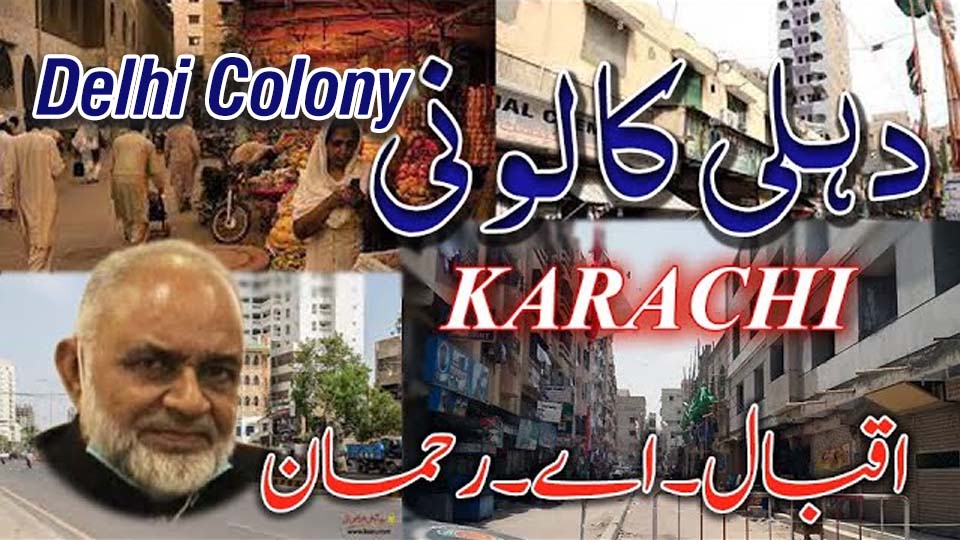
Delhi Colony is not merely a residential neighbourhood of Karachi; it is a living archive of migration, memory, and cultural survival. After the Partition of the subcontinent in 1947, thousands of Muslim families migrated from different parts of India to the newly formed Pakistan. Along with their belongings, they carried centuries-old traditions, refined language, social etiquette, culinary tastes, and a deeply rooted sense of collective identity. Among these migrants, Muslims from Delhi stood out distinctly—and Delhi Colony became the earliest and most symbolic settlement of this identity in Karachi.
Migration and the Birth of Delhi Colony
Delhi Colony came into existence immediately after the creation of Pakistan, when migrants from Delhi initially lived in temporary huts at Eidgah grounds. With the intervention of Sindh’s then Chief Minister and Karachi’s Commissioner, land near Clifton was allotted to these refugees. What began as a barren stretch of sand soon transformed into a close-knit community that proudly named itself after the city it had left behind.
Despite severe hardships—scarcity of water, lack of electricity, mud houses, lantern-lit streets—the early residents of Delhi Colony created a home filled with warmth, dignity, and mutual care. The physical deprivation could not erase the cultural richness they carried in their hearts.
A Living Extension of Delhi’s Culture
The defining feature of Delhi Colony was not its infrastructure but its people. Polite speech, sharp wit, elegant manners, and refined social conduct became everyday markers of the area. Traditional Delhi cuisine—nihari, kebabs, naan—thrived in small eateries and home kitchens. Courtyards with mango and jamun trees echoed memories of Old Delhi, while mosques were often named after those left behind in India, reinforcing emotional continuity.
The colony became a cultural microcosm where Delhi lived on, not as nostalgia alone, but as an active social practice.
The Pen Behind the Memory
This rich cultural and historical narrative of Delhi Colony was thoughtfully documented by Iqbal A. Rehman Mandovia, a respected literary and cultural writer known for chronicling Karachi’s social history. His article on Delhi Colony was originally published on August 20, 2017, in his Facebook group Uroos-ul-Bilad Karachi, where he regularly shares research-based reflections on old Karachi. Mandovia does not treat the city’s past as a distant memory; rather, he presents it as a living cultural experience shaped by neighborhoods, communities, and shared traditions. He has authored four books preserving Karachi’s changing social and cultural landscape, along with a travelogue based on his observations abroad.
Community, Faith, and Collective Strength
According to Mandovia, the real strength of Delhi Colony lay in its strong sense of community and moral values. Welfare organisations, religious schools, mosques, and social institutions—particularly under the banner of community associations—played a crucial role in shaping disciplined social life.
Children were encouraged to memorise the Quran, elders embodied grace and restraint, and collective responsibility defined everyday interactions. These traditions were passed down across generations, forming a moral backbone that distinguished Delhi Colony from surrounding areas.
Change, Pressure, and Cultural Fading
With time, Delhi Colony has faced the pressures of urban expansion. Population growth, commercialization, apartment buildings replacing single-story homes, and the arrival of new communities have gradually diluted its distinct Delhi character. Some residents today prefer associating themselves with nearby Clifton rather than identifying as inhabitants of Delhi Colony.
Yet, beneath this surface change, traces of the old ethos still survive. In the midst of Karachi’s modern and fast-paced lifestyle, Delhi Colony remains a quiet reminder of simplicity, moderation, and cultural rootedness.
A Cultural Trust, Not Just a Locality
In Mandovia’s portrayal, Delhi Colony stands as a continuation of a displaced Delhi—an inherited cultural trust preserved by migrants who refused to let their identity dissolve in modern chaos. It testifies to the idea that civilisations are sustained not by bricks and roads, but by human values, shared memories, and collective consciousness.
Even today, Delhi Colony occupies a unique place on Karachi’s cultural map, proving that true heritage survives when people choose remembrance over erasure.
If you’re interested in reading this Essay Online, click the link below.
https://www.facebook.com/share/p/18FT8hFUdT/?mibextid=VhDh1V
If you’d like to listen to any Essay in audio format, click the CONTACT button below to get in touch with the AwazeUrdu team to order the audiobook.
You can also watch the same video on these social media platforms.
تقسیمِ ہند کے بعد جب ہندوستان کے مختلف علاقوں سے بڑی تعداد میں مسلمان ہجرت کر کے پاکستان آئے تو وہ محض اپنا سامانِ سفر ہی نہیں لائے تھے، بلکہ اپنے ساتھ صدیوں پر محیط تہذیب، تمدن، زبان، رہن سہن، ذوقِ طعام اور معاشرتی اقدار بھی لے آئے تھے۔ ان مہاجر مسلمانوں میں خصوصاً دہلی کے رہنے والے مسلمان ایک نمایاں شناخت کے حامل تھے۔ شستہ زبان، برجستہ گفتگو، حاضر جوابی، رکھ رکھاؤ، وضع داری اور تہذیبی وقار ان کی شخصیت کا خاصہ تھا۔ یہی وجہ ہے کہ کئی نسلیں گزر جانے کے باوجود آج بھی وہ فخر کے ساتھ “دہلی والے” کہلاتے ہیں۔ کراچی میں ان دہلی سے آئے ہوئے مہاجرین نے جس اولین بستی میں سکونت اختیار کی، وہ “دہلی کالونی” کے نام سے معروف ہوئی۔ اس بستی کی تاریخ، تہذیب اور سماجی زندگی پر ایک نہایت دلچسپ اور معلوماتی مضمون معروف قلم کار جناب اقبال اے۔ رحمان مانڈویا نے تحریر کیا، جسے آوازِاردو نے بھی اپنے پلیٹ فارم پر پڑھ کر سنایا۔
اقبال اے۔ رحمان مانڈویا ایک سنجیدہ ادبی، تہذیبی اور تاریخی قلم کار ہیں جن کی تحریروں کا مرکزی موضوع کراچی اور اس کے باسیوں کی سماجی، ثقافتی اور تاریخی زندگی ہے۔ وہ ماضی کے کراچی کو محض یادداشت کے طور پر نہیں بلکہ ایک زندہ تہذیبی تجربے کے طور پر پیش کرتے ہیں، جہاں بستیوں، بازاروں، برادریوں اور رسوم و رواج کے ذریعے شہر کی روح بولتی ہے۔ انہوں نے اب تک چار کتابیں تصنیف کی ہیں جن میں کراچی کے ماضی اور بدلتے ہوئے معاشرتی منظرنامے کو محفوظ کیا گیا ہے، جبکہ ایک کتاب سفرنامے کی صورت میں بیرونِ ملک کے مشاہدات پر مشتمل ہے۔ ان کی تحریر کی نمایاں خصوصیت شستہ زبان، گہرا مشاہدہ، یادوں کی صداقت اور تہذیبی وابستگی ہے، جو قاری کو نہ صرف معلومات فراہم کرتی ہے بلکہ ایک گم ہوتی ہوئی دنیا سے جوڑ بھی دیتی ہے۔
کراچی کے معروف علاقے دہلی کالونی کے بارے میں اقبال اے۔ رحمان مانڈویا کا یہ مضمون ان کے فیس بک گروپ “عروس البلاد کراچی” میں 20 اگست 2017ء کو شائع ہوا۔ اس مضمون میں مصنف نے دہلی کالونی کو محض ایک رہائشی علاقہ نہیں بلکہ دلی کی تہذیب، زبان، ذوق اور اجتماعی طرزِ زندگی کا زندہ استعارہ قرار دیا ہے۔ ان کے مطابق تقسیم کے بعد دلی سے آنے والے پنجابی سوداگران اور دیگر مہاجرین جب اس بستی میں آباد ہوئے تو وہ دلی کی وہی برجستگی، شائستہ گفتگو، فقرہ بازی اور تہذیبی رکھ رکھاؤ بھی ساتھ لائے جو صدیوں تک دلی کی پہچان رہا تھا۔
مصنف بتاتے ہیں کہ دہلی کالونی قیامِ پاکستان کے فوراً بعد وجود میں آئی، جب مہاجرین عیدگاہ میدان میں عارضی طور پر جھگیوں میں مقیم تھے۔ سندھ کے اُس وقت کے وزیرِاعلیٰ ایوب کھوڑو اور کمشنر کراچی سید ہاشم رضا کی مداخلت سے ان مہاجرین کو کلفٹن کے قریب زمین الاٹ کی گئی، یوں ایک نئی بستی کی بنیاد پڑی۔ جس نے وقت کے ساتھ ساتھ دہلی کالونی کے نام سے اپنی مستقل شناخت قائم کر لی۔
مصنف کے مطابق دہلی کالونی کا ابتدائی دور سخت مشکلات سے عبارت تھا۔ ہر طرف ریت ہی ریت تھی، بنیادی سہولیات کا فقدان تھا، پانی سقّوں کے ذریعے آتا، گلیوں میں لالٹینوں سے روشنی ہوتی اور مکانات کچے تھے۔ اس کے باوجود بستی میں گھریلو پن، اپنائیت اور اجتماعی وابستگی کا گہرا احساس موجود تھا۔ تنگ گلیاں، چھوٹے مکانات، آنگنوں میں آم اور جامن کے درخت، دلی کے باورچی، نہاری، کباب، نانبائی اور وہ مساجد جن کے نام دلی میں چھوڑ کر آئے گئے تھے—یہ سب مل کر اس بستی کو دلی کا عکس بنا دیتے تھے۔
اقبال اے۔ رحمان اس نکتے پر خاص زور دیتے ہیں کہ دہلی کالونی کی اصل طاقت اس کی اجتماعیت اور مضبوط مذہبی و اخلاقی اقدار تھیں۔ جمعیت پنجابی سوداگران دہلی کے زیرِاہتمام فلاحی ادارے، مدارس، مساجد، تعلیمی سرگرمیاں اور سماجی نظم و ضبط اس بستی کی نمایاں پہچان بنے۔ بچوں کو حفظِ قرآن کی طرف راغب کرنا، مساجد میں علم و عبادت کا ماحول اور بزرگوں کی وضع داری ایسی روایات تھیں جو نسل در نسل منتقل ہوتی رہیں۔
مصنف یہ بھی نشان دہی کرتے ہیں کہ گزرتےوقت کے ساتھ دہلی کالونی بدلتے زمانے کی زد میں آ گئی ہے۔ آبادی میں اضافے، چھوٹے گھروں کے فلیٹوں اور کمرشل عمارتوں میں تبدیل ہونے، اور نئی برادریوں کی آمد سے اس کا پرانا خالص دلی رنگ کہیں نہ کہیں مدھم پڑنے لگا ہے۔ کچھ لوگ اب دہلی کالونی کا رہائشی کہلانے کے بجائے خود کو کلفٹن سے منسوب کرنے میں فخر محسوس کرتے ہیں۔ اس کے باوجود مصنف کے نزدیک دہلی کالونی آج بھی کراچی کے جدید اور فیشن ایبل ماحول کے بیچ ایک ایسا گوشہ ہے جہاں مشرقی تہذیب، سادگی، قناعت اور دلی کی خوشبو اب بھی محسوس کی جا سکتی ہے۔
یوں اقبال اے۔ رحمان مانڈویا نے دہلی کالونی کو محض ایک بستی نہیں بلکہ اجڑی ہوئی دلی کا تسلسل، ایک تہذیبی امانت اور اس طبقے کی علامت کے طور پر پیش کیا ہے جو جدیدیت کے ہجوم میں بھی اپنے ماضی، اپنی روایات اور اپنی شناخت کو سینے سے لگائے رکھتا ہے۔ دہلی کالونی آج بھی اس بات کی گواہ ہے کہ تہذیبیں اینٹ پتھر سے نہیں بلکہ انسانوں کے رویّوں، قدروں اور اجتماعی شعور سے زندہ رہتی ہیں، اور یہی شعور دہلی کالونی کو کراچی کے نقشے پر ایک منفرد مقام عطا کرتا ہے۔