
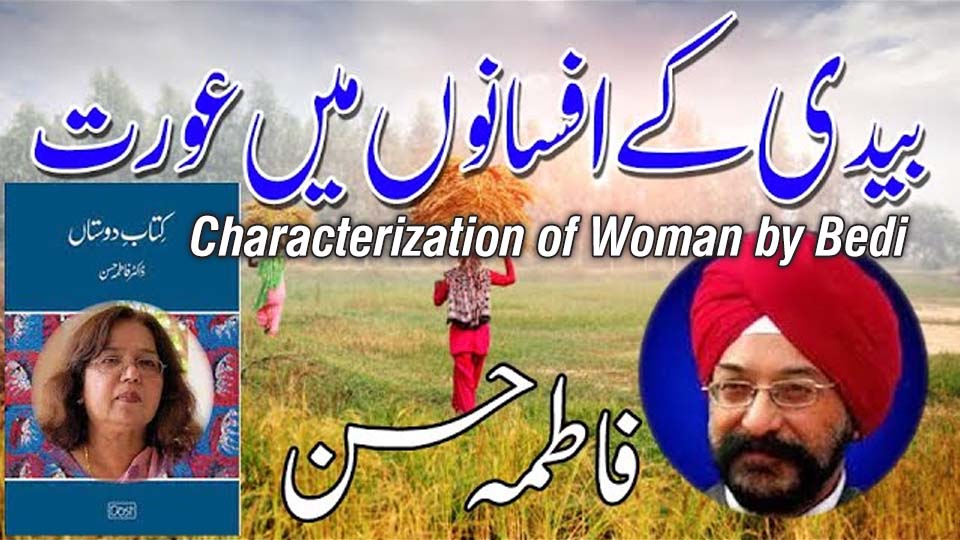
Characterization in Urdu fiction begins most meaningfully when we examine how women are imagined, narrated, and confined within literary worlds. In South Asian writing, depictions of women have never been uniform: at times revered, at times possessed; sometimes sanctified as mothers, sometimes reduced to bodies, labor, or silence. This diversity is not merely an author’s invention—it is produced by society itself, through customs, values, and everyday decisions shared by men and women alike. Because literature mirrors life, these assumptions inevitably surface in narrative art. Among the major voices of Urdu fiction, Rajinder Singh Bedi stands out for his empathy and realism. Yet, as Fatima Hasan’s critical reading demonstrates, empathy carries limits. This essay translates and expands her argument to explore how characterization in Urdu fiction—especially in Bedi’s stories—renders women with emotional power but within a narrow social frame.
Women as a Social Construction in Narrative
Across cultures and eras, womanhood has been scripted through contrasting ideals: deity and property, sacred mother and expendable worker. Such scripts are reinforced not only by male authority but by collective social practice. Literature absorbs these codes and returns them to readers as “natural.” Hence, characterization in Urdu fiction is never neutral; it is a negotiation between lived reality and inherited ideology. Writers may expose injustice, but they can also unconsciously reproduce the very hierarchies they lament.
Fatima Hasan: The Critical Lens
Fatima Hasan—poet, critic, and scholar—brings a rigorous feminist consciousness to Urdu studies. Born in Karachi (1953), with advanced academic training and long teaching and research careers, she has consistently examined literature through the intertwined themes of woman, identity, and social behavior. Her book Kitab-e-Dostan (2011) collects twenty-six essays on major literary figures and intellectual trends, with special attention to women’s roles in literature. Within this volume, her essay on Bedi—often circulated through readings and critical discussions—offers a precise evaluation of how women appear in his fiction.
Bedi’s Empathy: The Power of Feeling
Bedi’s reputation as a realist rests on his ability to depict pain with restraint and authenticity. When women enter his stories, the narrative tone often deepens into sorrow and compassion. Readers sense a writer who grieves with his characters. Hasan acknowledges this strength: Bedi does not trivialize suffering, nor does he romanticize cruelty. In terms of characterization in Urdu fiction, his women are textured with emotion, vulnerability, and endurance. They evoke pity and moral urgency.
Yet Hasan insists that empathy alone does not equal liberation. Feeling for a character can coexist with conceptual limits that keep her within preordained roles.
The Limits: Roles That Do Not Expand
Hasan’s central critique is that Bedi rarely allows women to move beyond conventional social identities. His female characters frequently appear as courtesans, servants, concubines, or wives—figures whose lives orbit male desire, domestic duty, childbirth, and caregiving. Material survival is granted; autonomy is not. The narrative may condemn violence or hypocrisy, but it seldom imagines a woman as an independent moral agent whose life is not mediated by men.
This is where characterization in Urdu fiction becomes politically charged. By portraying suffering without reconfiguring possibility, fiction risks reaffirming the structures it exposes.
Case Readings from Bedi’s Stories
“Haddiyan aur Phool” (Bones and Flowers)
Gori, battered by illness, neglect, and marital violence, expresses a desperate yearning for love—comparing herself to a loyal dog. The metaphor is devastating. Bedi’s sympathy is unmistakable, but the story does not offer Gori a horizon beyond endurance. Her desire is human; her destiny remains circumscribed.
“Aloo”
Here Bedi punctures the hypocrisy of men who speak the language of progress and socialism while shifting the entire burden of childcare onto women. The social critique is sharp. Still, the woman’s life remains framed as an obligation rather than a choice—an exposure of injustice that stops short of transformation.
“Kalyani”
Perhaps the most revealing example. Kalyani, a courtesan, acquires dignity primarily through motherhood—specifically, through bearing a son. Hasan notes that the narrative’s moral elevation hinges on a patriarchal valuation: a woman’s worth is confirmed by her ability to produce a male heir. Had the child been a daughter, the story’s ethical arc might never have existed. In this instance, characterization in Urdu fiction associates womanhood with reproductive function within the male lineage.
Compassion Without Autonomy
Hasan’s verdict is nuanced. She does not dismiss Bedi as regressive; she recognizes him as a major realist who indicts cruelty, poverty, and social hypocrisy. But she argues that his compassion is structured by the very patriarchal assumptions he takes as “reality.” When a woman is abandoned, Bedi’s fictional world offers her two recurrent exits: dependence on another man or descent into stigmatized labor. Rarely does it imagine self-determined agency. Emotional depth, therefore, coexists with ideological constraint.
Why This Matters Today
The debate is not merely historical. Contemporary readers still encounter narratives that humanize suffering without dismantling its causes. Hasan’s essay reminds us that characterization in Urdu fiction must be evaluated not only by how moving it is, but by what it makes imaginable. Does a story only ask us to feel for women, or does it allow us to see them as full, autonomous subjects?
By foregrounding this question, Hasan turns literary criticism into an ethical inquiry. Her reading of Bedi urges writers and readers alike to recognize that sympathy is insufficient when structures remain intact.

Rajinder Singh Bedi: Powerful Truth, Harsh Limits
Bedi’s women compel attention. They are rendered with tenderness, psychological realism, and an unmistakable moral gravity. These are the powerful truths that have secured his place in the canon. Yet Hasan shows that the same narratives impose harsh limits: womanhood is repeatedly mapped onto sacrifice, dependence, and motherhood as destiny. The result is a fiction that exposes injustice while stopping short of envisioning emancipation.
In reassessing Bedi through Hasan’s lens, we refine our understanding of characterization in Urdu fiction. We learn to distinguish between empathy and empowerment, between representing pain and reimagining possibility. This distinction does not diminish Bedi’s artistry; it deepens our engagement with it. His stories become sites of dialogue—between realism and reform, compassion and critique.
Conclusion
At its best, characterization in Urdu fiction can both mirror society and challenge it. Bedi’s work, as read by Fatima Hasan, exemplifies this tension. His portrayals of women are emotionally compelling and socially revealing, yet constrained by inherited patriarchal codes. Hasan’s analysis invites us to move beyond admiration into critical consciousness: to ask not only how beautifully women are written, but how freely they are allowed to live on the page.
If you\’re interested in reading this book, click the link below for a free download.
https://drive.google.com/file/d/1VO-jhQWwvAC6T_W0JBeEf33SHsDVmg0x/view?usp=sharing
If you\’d like to listen to this book in audio format, click the CONTACT button below to get in touch with the AwazeUrdu team to order the audiobook.
Contact Us:You can also watch the same video on these social media platforms.
Rumble FacebookBy holding together powerful truth and harsh limits, this reading affirms Bedi’s stature while demanding more from the tradition he represents. For today’s reader, that demand remains urgent.
صنفِ نازک سے متعلق تصورات مختلف زمانوں، معاشروں، تہذیبوں اور ثقافتوں میں یکساں نہیں رہے۔ کہیں عورت کو دیوی کا درجہ دیا گیا، کہیں اسے مرد کی ملکیت سمجھا گیا، کہیں ماں کی صورت میں مقدس مانا گیا اور کہیں محض جسم اور خدمت تک محدود کر دیا گیا۔ یہ نظریات محض مردوں کی ذہنی پیداوار نہیں ہوتے، بلکہ پورا معاشرہ—جس میں مرد اور عورت دونوں شامل ہوتے ہیں—اپنے رویّوں، رسموں، اقدار اور عملی فیصلوں کے ذریعے انہیں تشکیل دیتا اور مضبوط بناتا ہے۔ ادب چونکہ سماج کا آئینہ ہوتا ہے، اس لیے اردو ادب میں بھی عورت سے متعلق یہ نظریات مختلف تخلیق کاروں کے ہاں مختلف صورتوں میں سامنے آتے ہیں۔ انہی ادیبوں میں ایک نمایاں نام راجندر سنگھ بیدی کا ہے، جنہوں نے اپنے افسانوں میں عورت کو خاص ہمدردی، درد اور حقیقت نگاری کے ساتھ پیش کیا۔ تاہم ان کے اس رویے کا ایک تنقیدی مطالعہ معروف شاعرہ، نقاد اور محققہ محترمہ فاطمہ حسن نے اپنی کتاب *کتابِ دوستاں* میں ایک مضمون کے ذریعے کیا ہے، جس کا خلاصہ اور تجزیہ اس مضمون میں پیش کیا جا رہا ہے۔
فاطمہ حسن اردو ادب کی ایک معتبر آواز ہیں۔ وہ 24 جنوری 1953 کو کراچی میں پیدا ہوئیں اور ان کا اصل نام سیدہ انیس فاطمہ زیدی ہے، مگر ادبی دنیا میں وہ فاطمہ حسن کے نام سے پہچانی جاتی ہیں۔ انہوں نے ایم اے اور پی ایچ ڈی کی اعلیٰ تعلیمی ڈگریاں حاصل کیں اور سرکاری ملازمت کے ساتھ ساتھ تدریسی، تحقیقی اور ادبی خدمات انجام دیں۔ جامعہ کراچی اور محمد علی جناح یونیورسٹی جیسے اداروں سے وابستگی کے دوران انہوں نے ادب، تنقید اور تحقیق کے میدان میں نمایاں کام کیا۔ ان کی شاعری، نثر اور تنقیدی تحریریں بالخصوص عورت، شناخت اور سماجی رویّوں کے گہرے مطالعے کی حامل ہیں، اور انہیں ملکی و بین الاقوامی سطح پر سنجیدگی سے پڑھا جاتا ہے۔
فاطمہ حسن کی تصنیف \”کتابِ دوستاں\” 2011 میں دوست پبلی کیشن، اسلام آباد سے شائع ہوئی۔ یہ ایک ادبی و تحقیقی مجموعہ ہے جس میں اردو ادب کی مختلف اہم شخصیات، ادبی رجحانات اور فکری زاویوں پر مشتمل 26 مضامین شامل ہیں۔ کتاب میں شاعری، افسانہ، تنقید اور سماجی شعور کے مختلف پہلوؤں کا مطالعہ ملتا ہے، جب کہ خواتین کے ادبی کردار اور ان سے جڑے مسائل پر خاص توجہ دی گئی ہے۔ *کتابِ دوستاں* محض خاکوں کا مجموعہ نہیں بلکہ اردو ادب کے فکری ارتقا اور سماجی پس منظر کو سمجھنے میں ایک اہم دستاویز کی حیثیت رکھتی ہے۔
اسی کتاب میں شامل راجندر سنگھ بیدی سے متعلق مضمون “بیدی کی کہانیوں میں عورت” کا ایک اقتباس آوازِ اردو کی ایک ویڈیو میں پڑھ کر سنایا گیا، جس میں فاطمہ حسن نے بیدی کے افسانوں میں پیش کیے گئے خواتین کرداروں کا تفصیلی تجزیہ کیا ہے۔ اس تجزیے کے ذریعے وہ بیدی کے عورت سے متعلق نظریات، ان کی ہمدردی اور اس کے پس منظر میں موجود فکری حدود کو واضح کرتی ہیں۔
فاطمہ حسن کے مطابق بیدی عورت کو نہایت درد، سوز اور جذباتی وابستگی کے ساتھ پیش کرتے ہیں۔ ان کے افسانوں میں عورت کی موجودگی مصنف کے لہجے کو اس قدر رنجیدہ بنا دیتی ہے کہ قاری کو محسوس ہوتا ہے جیسے بیدی خود عورت کے دکھ پر اشکبار ہیں۔ تاہم یہی ہمدردی، فاطمہ حسن کے نزدیک، بیدی کی ایک بنیادی فکری کمزوری بن جاتی ہے، کیونکہ وہ عورت کو اس کے روایتی سماجی کردار سے آگے نہیں بڑھا پاتے۔ ان کے ہاں عورت زیادہ تر طوائف، داسی، کنیز یا بیوی کے محدود دائرے میں نظر آتی ہے، جہاں اس کی زندگی مرد کی خواہشات، بچوں کی پیدائش، پرورش اور گھریلو خدمت کے گرد گھومتی ہے، اور بدلے میں اسے محض بنیادی ضروریات فراہم کی جاتی ہیں۔
فاطمہ حسن یہ بھی واضح کرتی ہیں کہ بیدی عورت پر ہونے والے تشدد، مشقت اور سماجی ناانصافی پر تو شدید ردِعمل ظاہر کرتے ہیں، مگر عورت کو ایک خودمختار، باشعور اور مکمل انسانی وجود کے طور پر تسلیم نہیں کرتے۔ ان کے افسانوں میں پدرسری سماج کی وہ گہری سیاست پوری طرح آشکار نہیں ہو پاتی جو عورت کو دانستہ طور پر کمزور رکھتی ہے۔ عورت کے جذبات، احساسات اور ضروریات بیدی کے یہاں ثانوی حیثیت اختیار کر لیتے ہیں۔
افسانہ **“ہڈیاں اور پھول”** میں گوری کا کردار اس رویے کی نمایاں مثال ہے۔ شوہر کے تشدد، بیماری اور مسلسل ذلت کے باوجود گوری ایک کتے کی مثال دے کر محبت کی خواہش ظاہر کرتی ہے، مگر اس خواہش کا انجام بھی مایوسی ہے۔ اسی طرح افسانہ “آلو” میں بیدی ان نام نہاد ترقی پسند اور سوشلسٹ مردوں کی منافقت کو بے نقاب کرتے ہیں جو مساوات کی باتیں تو کرتے ہیں، مگر بچوں کی ذمہ داری عورت پر ڈال دیتے ہیں۔
افسانہ “کلیانی” میں فاطمہ حسن بیدی کے رویے کا ایک پیچیدہ پہلو سامنے لاتی ہیں۔ کلیانی ایک طوائف ہوتے ہوئے بھی ماں کے روپ میں باوقار دکھائی دیتی ہے، مگر اس کی عظمت کا مرکز اس کا بیٹے کو جنم دینا بن جاتا ہے۔ فاطمہ حسن کے مطابق بیدی یہاں بھی اسی سماجی قدر کے اسیر نظر آتے ہیں جس میں عورت کی اہمیت مرد وارث کی پیدائش سے مشروط ہے۔ اگر کلیانی کے ہاں بیٹی پیدا ہوتی تو غالب امکان ہے کہ یہ افسانہ اسی صورت میں وجود میں نہ آتا۔
فاطمہ حسن اس نتیجے پر پہنچتی ہیں کہ بیدی عورت سے بے پناہ ہمدردی رکھتے ہیں، مگر اس ہمدردی کی بنیاد بھی پدرسری سماج کے انہی تصورات پر قائم ہے جنہیں وہ حقیقت سمجھ کر قبول کر چکے ہیں۔ عورت اگر ایسے حالات میں آ جائے جہاں مرد اس کی اور اس کے بچوں کی ذمہ داری قبول نہ کرے تو بیدی کے ہاں اس کے پاس یا تو طوائف بننے کا راستہ بچتا ہے یا کسی دوسرے مرد کی سرپرستی اختیار کرنے کا۔ یہی فکری رویہ بیدی کے ناول “ایک چادر میلی سی” میں بھی نمایاں طور پر موجود ہے۔
فاطمہ حسن بیدی کو ایک بڑے حقیقت نگار کے طور پر تسلیم کرتے ہوئے بھی ان کے عورت سے متعلق نظریے پر سنجیدہ سوال اٹھاتی ہیں۔ ان کا تجزیہ اس بات کی طرف اشارہ کرتا ہے کہ محض ہمدردی اور درد کا اظہار عورت کو اس کے سماجی قیدخانے سے آزاد نہیں کرتا، جب تک اسے ایک مکمل، خودمختار انسان کے طور پر قبول نہ کیا جائے۔ *کتابِ دوستاں* میں شامل یہ مضمون نہ صرف بیدی کے افسانوی کینوس کو سمجھنے میں مدد دیتا ہے بلکہ اردو ادب میں عورت کے کردار پر ایک اہم فکری مکالمے کو بھی جنم دیتا ہے، جو آج کے قاری کے لیے بھی اتنا ہی معنی خیز ہے جتنا بیدی کے عہد میں تھا۔
