
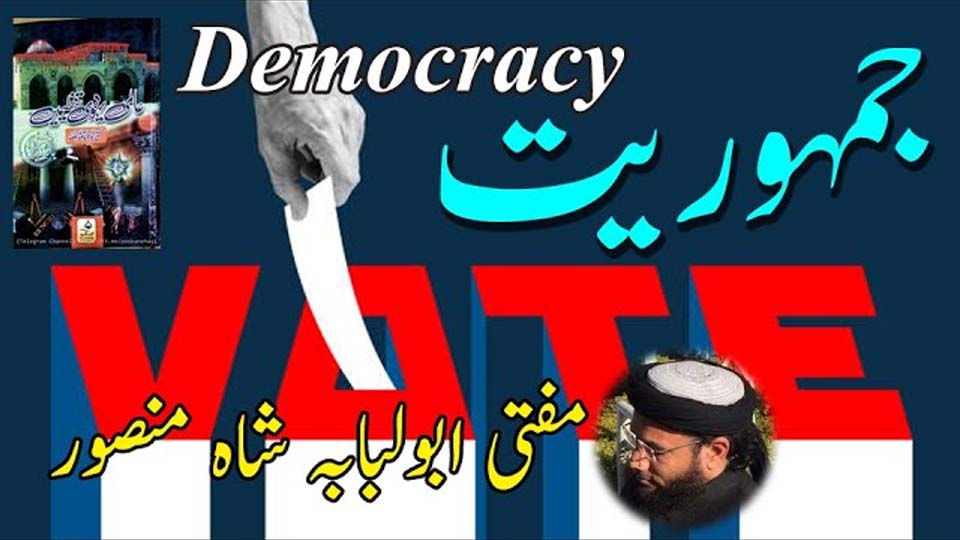
Democracy has become the most celebrated political idea of the modern world. It is praised as the ultimate guarantee of freedom, equality, and popular sovereignty. Yet when examined through the lens of Islamic political thought—as discussed in Mufti Abulbabah Shah Mansoor’s writings—the concept appears far more complex and controversial. This blog critically explores Democracy vs Islamic Governance System.
Understanding Power in Human History
Across civilizations, systems of rule have continually evolved. Monarchies, aristocracies, and people’s governments have all promised justice in different eras. Democracy, in its modern form, claims to place authority in the hands of the masses. Islam, however, introduced a radically different vision: liberation from human domination and submission to the One God alone. Under the early Caliphate, even the highest authority could be questioned by ordinary citizens—an accountability rarely seen in today’s so-called democratic states.
This contrast raises a vital question: Is Democracy truly compatible with the Islamic Governance System, or does it conflict with its foundational principles?
The Author and His Intellectual Framework
Mufti Abulbabah Shah Mansoor is a prominent Pakistani Islamic scholar, jurist, and researcher associated with the Hanafi–Deobandi tradition. Trained in advanced religious sciences, he has written extensively on Islamic history, theology, and contemporary ideological challenges. His works often defend the Islamic system of life against Western political concepts, arguing for critical awareness rather than uncritical adoption.
In his book Alami Yahoodi Tanzeemain (Global Jewish Organizations), one chapter—“Democracy: A Purely Jewish Invention”—addresses Democracy not merely as a governance model, but as an ideological project with deep historical motives. A reading of this chapter was presented by AwazeUrdu, bringing these debates to a broader audience.
Democratization: Promise or Political Strategy?
The author frames democratization as a method of “rationalization” in modern politics. On the surface, democratization claims to make governance public-centered and participatory. In reality, he argues, it often displaces scholars, experts, and responsible leadership, replacing them with a manipulable mass.
According to this critique, Democracy does not necessarily eliminate authoritarianism or ensure genuine public will. Instead, it can manufacture consent by empowering a crowd that is easier to influence through media, slogans, and emotional appeals. Thus, what appears to be freedom may actually function as subtle control.
Equality, Freedom, and the Rhetoric of Rights
The language of Democracy—equality, liberty, and equal rights—sounds noble and inspiring. Concepts such as equal citizenship, the rule of the people, and social justice are universally appealing. Yet the author calls these ideals “a web of words” detached from practical outcomes.
He suggests that slogans like “rule by the people” conceal structural inequalities. Wealth, influence, and ideology often dominate democratic societies behind the scenes. In this view, the promises of Democracy remain largely unfulfilled, functioning more as political marketing than lived reality.
Historical Roots and Political Motives
The book traces the rise of Democracy in Europe to a historical context of persecution and exploitation. Absolutist monarchs, it is argued, alternately used and oppressed Jewish communities for financial and political gain. In such an environment, transferring power from a few rulers to a broad, uncritical majority became a strategic necessity.
By dismantling the monarchy and promoting democratic governance, power shifted into systems where accountability became diffuse. Over time, Democracy gained moral authority as the only “civilized” political model, while criticism of it began to be labeled as ignorance or backwardness.
Democracy vs the Islamic Governance System
At the heart of the debate lies a fundamental difference in how authority is conceived.
In the Islamic Governance System, leadership is a trust. Authority is exercised by a responsible ruler selected by people of knowledge and insight, bound by divine law, and accountable to ethical standards. Public oversight is not only permitted but also encouraged—citizens can question and challenge their rulers.
In Democracy, by contrast, authority is generated by numerical majority. Leadership emerges through popular vote, often shaped by campaign finance, media narratives, and emotional mobilization. The result, according to the author, can be incompetent leadership, moral decline, and the dominance of hidden financial and ideological powers.
Thus, Democracy vs Islamic Governance System is not merely a political comparison—it reflects two different worldviews: one grounded in divine accountability, the other in human sovereignty.
Is Democracy Beneficial or Harmful?
The author contends that Democracy has neither proven inherently rational nor naturally aligned with human welfare. Despite its global popularity, it has failed to prevent corruption, inequality, or exploitation. More critically, he argues, it has displaced the Caliphate and other Islamic governance models, pushing societies into a political environment where real power operates behind the curtain.
From this perspective, Democracy becomes a “beautiful illusion”—attractive in theory, disappointing in practice.
A Call for Critical Muslim Engagement
Rather than rejecting modern governance blindly or accepting it uncritically, the message is one of thoughtful evaluation. Muslims are urged to examine Democracy in light of Islamic principles: justice, accountability, knowledge-based leadership, and moral responsibility.
AwazeUrdu’s presentation of this chapter serves as an invitation to intellectual dialogue. The goal is not to target individuals or communities, but to analyze ideas, systems, and policies with fairness and evidence.
Conclusion: Shocking Reality, Necessary Reflection
The debate over Democracy vs the Islamic Governance System challenges widely held assumptions about politics, freedom, and authority. While Democracy dominates the modern imagination, Islamic political thought offers an alternative rooted in divine law, ethical leadership, and real accountability.
Democracy may promise equality and empowerment, but according to this critique, it often delivers manipulation and moral compromise. For readers seeking a deeper understanding of political systems through an Islamic lens, this analysis offers a starting point—one that invites reflection, research, and principled judgment.
If you\’re interested in reading this book, click the link below for a free download.
https://drive.google.com/file/d/1iFSP3Ul4Od_W-F5rXncoBjbI4Xrbdp7O/view?usp=sharing
If you\’d like to listen to this book in audio format, click the CONTACT button below to get in touch with the AwazeUrdu team to order the audiobook.
Contact UsYou can also watch the same video on these social media platforms.
Rumble Facebookتاریخِ انسانی کا مطالعہ کیا جائے تو یہ حقیقت سامنے آتی ہے کہ مختلف ادوار میں انسانوں کی انسانوں پر حکمرانی کے انداز بدلتے رہے ہیں۔ کہیں بادشاہ مطلق العنان رہا، کہیں اشرافیہ نے اقتدار سنبھالا اور کہیں عوام کے نام پر حکومتیں قائم کی گئیں۔ مگر جب اسلام دنیا میں آیا تو اس نے اقتدار اور حکمرانی کے پورے تصور کو ایک انقلابی رخ دیا۔ اسلام نے انسان کو انسانوں کی غلامی سے نکال کر ایک اللہ وحدہٗ لا شریک لہ کی بندگی میں دے دیا۔ یہی وجہ تھی کہ خلافت کے دور میں بظاہر ایک خلیفہ وقت موجود ہوتا، مگر ایک عام آدمی بھی اس کے قول و فعل پر سوال اٹھانے، حتیٰ کہ اختلاف کرنے کی جرأت رکھتا تھا۔ آج کے نام نہاد جمہوری دور میں ایسی مثالیں خال خال نظر آتی ہیں۔ یہی سوال ہمیں سوچنے پر مجبور کرتا ہے کہ کیا موجودہ جمہوری نظام واقعی اسلامی نظامِ حکومت کے مماثل ہے یا اس کی روح سے متصادم؟ اسی بنیادی نکتے کو مفتی ابولبابہ شاہ منصور نے اپنی کتاب ”عالمی یہودی تنظیمیں“ کے ایک اہم باب میں موضوعِ بحث بنایا ہے، جسے آوازِاردو نے اپنی ایک ویڈیو میں پڑھ کر سنایا ہے۔
مفتی ابولبابہ شاہ منصور ایک معروف پاکستانی اسلامی عالم، مفتی، محقق اور صاحبِ قلم ہیں جن کا تعلق حنفی-دیوبندی مکتبِ فکر سے ہے۔ انہوں نے دینی علوم کی اعلیٰ تعلیم ممتاز دینی اداروں سے حاصل کی اور افتاء، حدیث، عقائد اور اسلامی تاریخ میں خصوصی مہارت پیدا کی۔ وہ طویل عرصے سے تدریس، افتاء اور تصنیف کے شعبوں سے وابستہ ہیں اور عصری فکری و اعتقادی مسائل پر ایک واضح اور نظریاتی نقطۂ نظر رکھتے ہیں۔ ان کی تحریروں میں امتِ مسلمہ کو درپیش فکری چیلنجز، مغربی سیاسی و تہذیبی تصورات، اور اسلام کے نظامِ حیات کا دفاع نمایاں طور پر نظر آتا ہے۔ متعدد کتب کے مصنف ہونے کے ساتھ ساتھ وہ دینی حلقوں میں ایک سنجیدہ، بحث انگیز اور اثر انگیز عالم کے طور پر جانے جاتے ہیں۔
مفتی ابولبابہ شاہ منصور کی کتاب ”عالمی یہودی تنظیمیں“ ایک تنبیہی اور فکری نوعیت کی تحریر ہے، جس کا مقصد امتِ مسلمہ کو عالمی سیاست، طاقت کے مراکز اور پسِ پردہ کارفرما نظریاتی کشمکش سے آگاہ کرنا ہے۔ مصنف قرآن و سنت اور تاریخی شواہد کی روشنی میں یہ مؤقف اختیار کرتے ہیں کہ مسلمانوں کو اندھی تقلید اور سادہ لوحی کے بجائے عالمی معاملات کو شعوری اور تنقیدی نگاہ سے دیکھنا چاہیے۔ تاہم وہ یہ بھی واضح کرتے ہیں کہ ایسے موضوعات پر گفتگو کرتے وقت عدل، تحقیق اور توازن کے اسلامی اصولوں کو پیشِ نظر رکھنا ناگزیر ہے، تاکہ افراد اور اقوام کے بجائے افکار، نظاموں اور پالیسیوں کا غیر جانبدار تجزیہ کیا جا سکے۔
اس کتاب کے باب ”جمہوریت: خالص یہودی ایجاد“ سے ایک اقتباس آوازِاردو نے اپنی ویڈیو میں پڑھ کر سنایا ہے۔ اس باب میں مصنف ریشنلائزیشن کے دوسرے طریقے، یعنی ڈیموکریٹائزیشن
(Democratization)
پر گفتگو کرتے ہیں۔ ان کے مطابق ڈیموکریٹائزیشن کا ظاہری مفہوم تو معاشرے اور بالخصوص سیاست کو عوامی بنانا ہے، مگر حقیقت میں اس کا مقصد نہ آمریت کا خاتمہ ہے اور نہ عوام کی رائے کا احترام، بلکہ اہلِ علم، اہلِ رائے اور ذمہ دار طبقے کو اقتدار سے بے دخل کر کے ایک ایسے عوامی ہجوم کو سامنے لانا ہے جسے آسانی سے قابو میں رکھا جا سکے۔
مصنف کے نزدیک جمہوریت کا نعرہ—برابری، آزادی اور مساوی حقوق—بظاہر بڑا دلکش، سحر انگیز اور معقول معلوم ہوتا ہے۔ غریب و امیر کی برابری، عالم و جاہل کی مساوات اور عوام کی حکمرانی جیسے تصورات سننے میں خوش نما لگتے ہیں، مگر وہ اسے محض الفاظ کا جال قرار دیتے ہیں جن کے پیچھے عملی حقیقت موجود نہیں۔ ان کے مطابق یہ ایسے سبز باغ ہیں جن کے پھل کا ذائقہ آج تک کسی نے نہیں چکھا۔
مصنف جمہوریت کے تاریخی پس منظر پر روشنی ڈالتے ہوئے کہتے ہیں کہ یورپ کے مطلق العنان بادشاہوں نے طویل عرصے تک یہودیوں کو اپنے مفادات کے لیے استعمال کیا۔ کبھی ان سے دولت چھین کر نکال دیا گیا، کبھی عوام کو بھڑکا کر قتل کروایا گیا اور کبھی مذہبی جنون کی آڑ میں لوٹا گیا۔ ایسی صورتِ حال میں یہودیوں کے لیے واحد قابلِ عمل راستہ یہ تھا کہ طاقت کو چند افراد کے بجائے عوام کے ایک بڑے، غیر باشعور ہجوم میں منتقل کر دیا جائے، تاکہ کوئی ان کا حقیقی احتساب نہ کر سکے۔
مصنف کے مطابق اسی سوچ کے تحت جمہوریت کی بنیاد رکھی گئی، بادشاہت کو ختم کر کے جمہوریت کو متبادل نظام کے طور پر پیش کیا گیا، اور یوں یہودیوں کو جمہوری معاشروں میں نہ صرف شہری حقوق ملے بلکہ سیاسی، معاشی اور فکری اثر و رسوخ حاصل کرنے کا موقع بھی میسر آ گیا۔ جمہوریت اس قدر مقبول ہو گئی کہ آج اس پر تنقید کو جہالت اور پسماندگی کی علامت سمجھا جاتا ہے، حالانکہ مصنف کے نزدیک یہ نظام نہ عقلی کسوٹی پر پورا اترتا ہے، نہ فطری ہے اور نہ ہی عملی طور پر انسانیت کے لیے مفید ثابت ہوا ہے۔
وہ اس باب میں یہ نکتہ واضح کرتے ہیں کہ اسلامی نظامِ خلافت میں اقتدار ایک ذمہ دار فرد کے ہاتھ میں ہوتا ہے، جسے اہلِ علم اور اصحابِ بصیرت منتخب کرتے ہیں، جبکہ جمہوریت میں اقتدار ایک غیر سنجیدہ اور غیر باخبر اکثریت کے ذریعے وجود میں آتا ہے، جس کا نتیجہ نااہل قیادت اور اخلاقی زوال کی صورت میں نکلتا ہے۔ ان کے مطابق جمہوریت نے خلافت جیسے دینی نظام کو ختم کر کے دنیا کو ایک ایسے سیاسی ماحول میں دھکیل دیا ہے جہاں اصل طاقت پسِ پردہ مالی اور فکری قوتوں کے ہاتھ میں چلی گئی ہے۔
مجموعی طور پر مفتی ابولبابہ شاہ منصور اس باب میں جمہوریت کو اسلامی تصورِ حکومت کے مقابل ایک مصنوعی، فریب پر مبنی اور نقصان دہ نظام کے طور پر پیش کرتے ہیں۔ وہ مسلمانوں کو یہ پیغام دینا چاہتے ہیں کہ جمہوریت کے خوش نما نعروں سے مرعوب ہونے کے بجائے اس کے فکری پس منظر، تاریخی ارتقا اور عملی نتائج کو اسلامی اصولوں کی روشنی میں پرکھا جائے۔ آوازِاردو کی یہ پیشکش اسی فکری مکالمے کو عام قاری تک پہنچانے کی ایک سنجیدہ کوشش ہے، تاکہ مسلمان موجودہ نظامِ حکومت کو محض رائج الوقت ہونے کی بنیاد پر قبول کرنے کے بجائے اس کا شعوری اور تنقیدی جائزہ لے سکیں۔
