
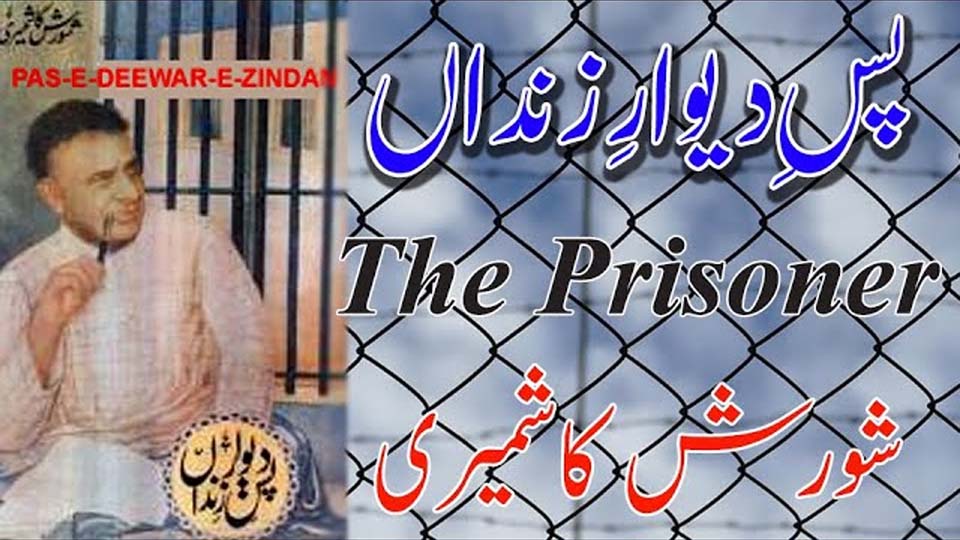
Prison memoir as a genre captures not only confinement but the moral courage, psychological resistance, and intellectual awakening forged behind bars. In South Asian political and literary history, the prison memoir of Agha Shorish Kashmiri stands as a powerful testament to how oppression can refine conviction rather than break it. His life, ideas, and writings reveal how a sensitive mind—pressed by injustice—transforms into a voice of defiance that continues to inspire readers across generations.
From Quiet Youth to Defiant Voice
Born as Abdul Karim on August 14, 1917, in Lahore, Agha Shorish Kashmiri emerged as a formidable writer, orator, journalist, and political worker. His journey was not shaped by a fleeting burst of rebellion; rather, it evolved through sustained encounters with fear, coercion, and hypocrisy. In a society where injustice had become routine, silence felt like complicity. That is precisely where his prison memoir finds its emotional and ethical core—an insistence on speaking truth even when the cost was incarceration.
Politics, Journalism, and the Price of Dissent
As a senior leader of Majlis-e-Ahrar-e-Islam and the fearless editor of the weekly Chattan, Shorish Kashmiri confronted colonial authority and later authoritarian tendencies with equal resolve. During the 1930s and 1940s, his speeches and editorials galvanized public sentiment, earning him popularity—and repeated arrests. This recurring cycle of resistance and repression is central to understanding his prison memoir, which documents how political dissent shaped his inner world as much as his public stance.
Life Behind the Walls: More Than Punishment
Shorish Kashmiri’s incarceration culminated in a deeply reflective narrative later compiled in Pas-e-Deewar-e-Zindan (Behind the Prison Walls). Covering experiences up to August 14, 1947, the book transcends the idea of a jail diary. It becomes a panoramic account of a turbulent era—its anxieties, hopes, and moral dilemmas. Within this prison memoir, confinement is not merely physical; it is intellectual and emotional, forcing the author to interrogate fear, endurance, and faith in freedom.
Solitude as a School of Thought
Isolation, physical hardship, and uncertainty could have crushed resolve. Instead, they refined it. Shorish Kashmiri describes prison as a space for disciplined thinking—where patience, resilience, and purpose fused into clarity. This aspect of the prison memoir highlights a universal truth: when stripped of comforts, the mind confronts itself honestly. For Shorish, the cell became a classroom where ideas matured and hardened resolve.
Early Omens and Formative Struggles
One striking episode in the memoir recalls a prediction made during his student years—foretelling imprisonment and unrest. At the time, the shy and modest young man dismissed it. Yet, life unfolded otherwise. Economic hardship, interrupted education, loneliness, and a growing poetic temperament shaped his inner life. His admiration for the poetry of Akhtar Shirani echoes through the memoir, revealing how literature mirrored his own emotional turbulence. These early pressures laid the groundwork for the prison memoir that would later define his legacy.
First Arrest and the Shock of Reality
The transition from idealism to lived reality arrives with his first arrest. Reports of firing on processions, injured youths, and brutal policing shook him profoundly. The prison atmosphere—charged with fear and echoes of violence—left indelible marks on his consciousness. In the prison memoir, these moments are narrated with stark honesty, illustrating how witnessing cruelty can convert empathy into action.
Childhood Memory and Colonial Violence
A pivotal recollection surfaces from childhood: witnessing his father being brutally beaten by colonial police after unrest at a public fair in Lahore. The sight of wounds and the grief that engulfed his home sowed an enduring hatred of tyranny. When Shorish later revisits this memory in solitary confinement, it emerges as the emotional genesis of his lifelong struggle—an origin story at the heart of his prison memoir.
Student Activism and the Courage to Act
His first organised act of resistance came during student protests against the Simon Commission, following the lathi charge on Lala Lajpat Rai and the nationwide mourning that followed his death. Leading a school strike, Shorish faced punishment—but also discovered his own leadership capacity. The memoir frames this episode as a turning point, proving that he was never meant to be a bystander.
Why This Prison Memoir Still Matters
The enduring power of Shorish Kashmiri’s prison memoir lies in its clarity: rebellion is rarely born overnight. It grows through repeated encounters with injustice, personal loss, and moral choice. His story charts a transformation—from a reserved student to a conscious rebel whose ideas remained free even when his body was confined. In every era where oppression resurfaces, this memoir reminds readers that freedom begins as an idea—and courage is its first expression.
If you\’re interested in reading this book, click the link below for a free download.
https://drive.google.com/file/d/1sIzRMzEieSQnfKbppfq2oU9M474ZaCar/view?usp=sharing
If you\’d like to listen to this book in audio format, click the CONTACT button below to get in touch with the AwazeUrdu team to order the audiobook.
Contact Us:You can also watch the same video on these social media platforms.
Rumble FacebookReaders interested in the harsh realities of colonial prisons and non-violent resistance may also explore another compelling piece presented by AwazeUrdu on life inside the Peshawar Jail established by the British government in united India. Titled \’Khudai Khidmatgar Movement: A Peaceful Struggle Misunderstood,\’ this article sheds light on how peaceful political workers were imprisoned, misunderstood, and subjected to systemic oppression despite their commitment to nonviolence. Together, these narratives deepen our understanding of prison life, moral resistance, and the human cost of standing against imperial injustice—making them essential reading for anyone interested in history, political memoirs, and freedom movements.
بعض لوگ اپنی فطرت میں ہی بغاوت کی چنگاری لے کر پیدا ہوتے ہیں، جب کہ کچھ افراد ایسے بھی ہوتے ہیں جنہیں معاشرہ خود باغی بنا دیتا ہے۔ ناانصافی، جبر، خوف اور دوہرے معیارات جب روزمرہ زندگی کا حصہ بن جائیں تو حساس دل رکھنے والا انسان خاموش نہیں رہ پاتا۔ وہ اپنے گرد و پیش کے حالات سے ٹکرا جاتا ہے، خوف پر قابو پا کر سوال اٹھاتا ہے اور یوں آہستہ آہستہ ایک ایسے باغی کی صورت اختیار کر لیتا ہے جو اپنے ماحول کے لیے روشنی، مزاحمت اور شعور کی علامت بن جاتا ہے۔ اردو ادب اور برصغیر کی سیاسی تاریخ میں آغا شورش کاشمیری بھی ایسے ہی افراد میں شمار ہوتے ہیں، جن کی بغاوت کسی وقتی جذبے کا نتیجہ نہیں بلکہ مشاہدے، تجربے اور مسلسل جبر کی کوکھ سے جنم لینے والی ایک فکری جدوجہد تھی۔
آغا شورش کاشمیری، جن کا اصل نام عبدالکریم تھا، پاکستان کے نامور ادیب، خطیب، صحافی اور سیاسی کارکن تھے۔ 14 اگست 1917ء کو لاہور میں آنکھ کھولنے والے شورش کاشمیری نے برصغیر کے سیاسی اور مذہبی منظرنامے میں ایک منفرد مقام حاصل کیا۔ وہ مجلسِ احرارِ اسلام کے سرگرم اور سینئر رہنما رہے اور ہفت روزہ \”چٹان\” کے مدیر کی حیثیت سے انگریز سامراج اور بعد ازاں مختلف جابرانہ رویّوں کے خلاف بے خوف آواز بلند کرتے رہے۔ 1930ء اور 1940ء کی دہائی میں ان کی تقاریر، تحریریں اور سیاسی سرگرمیاں انہیں ایک عوامی اور مزاحمتی علامت بنا دیتی ہیں۔ ان کی تصانیف میں پسِ دیوارِ زنداں، قائدِ فرنگ اور اقبال: پیغمبرِ انقلاب جیسی اہم کتب شامل ہیں، اور یہی وجہ ہے کہ وہ آج بھی اردو ادب اور سیاست میں دلیل، جرأت اور صداقت کی مثال سمجھے جاتے ہیں۔
پسِ دیوارِ زنداں دراصل شورش کاشمیری کی قید و بند کی زندگی کا ایسا خودنوشت بیان ہے جو محض جیل کی یادداشت نہیں بلکہ ایک پورے عہد کی سیاسی، سماجی اور ذہنی کیفیت کا آئینہ ہے۔ یہ کتاب 14 اگست 1947ء تک کے ان ایام پر مشتمل ہے جن میں مصنف نے قید، تنہائی، جسمانی اذیت اور فکری کشمکش کو قریب سے جھیلا۔ جیل کی دیواروں کے پیچھے گزرا ہوا وقت ان کے لیے صرف سزا نہیں تھا بلکہ سوچنے، سمجھنے اور اپنے نظریے کو مزید پختہ کرنے کا مرحلہ بھی تھا۔ اس کتاب میں شورش کاشمیری کی شخصیت کا وہ پہلو سامنے آتا ہے جہاں عزم، صبر، مزاحمت اور آزادی کی تڑپ ایک دوسرے میں گھل مل جاتی ہے۔
اس کتاب کا ایک اہم اقتباس آوازِاردو کی ایک ویڈیو میں پڑھ کر سنایا گیا ہے، جس میں شورش کاشمیری اپنی زندگی کے ابتدائی اور فیصلہ کن واقعات بیان کرتے ہیں۔ وہ زمانہءطالبِ علمی کا ذکر کرتے ہیں جب مولوی نیاز محمد نے ان کے ہاتھ دیکھ کر قید و بند، بے سکونی اور بعد میں نمایاں ہونے کی پیش گوئی کی تھی۔ اس وقت وہ اسے محض ایک وہم سمجھ کر نظرانداز کر دیتے ہیں، کیونکہ وہ خود کو ایک سادہ، شرمیلا اور سیدھا سادا نوجوان سمجھتے تھے، جس کا جیل یا بغاوت سے کوئی تعلق نہیں ہو سکتا۔
اسی دور میں وہ اپنی کم عمری، تنہائی، معاشی تنگی، تعلیم کے تعطل اور شاعرانہ ذوق کے ابھرنے کا حال بیان کرتے ہیں۔ اختر شیرانی کی شاعری سے ان کی گہری وابستگی کا ذکر آتا ہے، جس میں انہیں اپنی ہی کیفیتوں کی بازگشت سنائی دیتی ہے۔ حالات کی سختی اور اندرونی اضطراب آہستہ آہستہ ان کے باطن میں ایک نئے انسان کو جنم دے رہا تھا۔
آگے چل کر وہ اپنی پہلی گرفتاری اور جیل میں داخلے کے لمحے کو یاد کرتے ہیں، جب وہ خود کو قیدی کی حیثیت سے دیکھتے ہیں۔ شہر میں فائرنگ، جلوسوں پر تشدد، نوجوانوں کی گرفتاریوں اور زخمیوں کی خبریں انہیں اندر سے ہلا دیتی ہیں۔ جیل کی فضا، گولیوں کی آوازوں کا تصور اور پولیس کے ظلم کی کہانیاں ان کے شعور پر گہرے نقوش چھوڑتی ہیں۔
اسی تسلسل میں وہ بچپن کا ایک واقعہ بھی بیان کرتے ہیں جب لاہور کے ایک عوامی میلے میں ان کے والد کو انگریزوں کے خلاف ہنگامے کے بعد پولیس نے بے رحمی سے تشدد کا نشانہ بنایا۔ والد کے جسم پر پڑنے والے زخم اور گھر میں پھیلنے والا دکھ ان کے دل میں برطانوی اقتدار کے خلاف مستقل نفرت اور مزاحمت کی بنیاد رکھ دیتا ہے۔ قیدِ تنہائی میں بیٹھ کر جب وہ ماضی پر نظر ڈالتے ہیں تو یہی واقعہ سب سے پہلے ان کے حافظے میں ابھرتا ہے، جو ان کی آئندہ جدوجہد کا نقطۂ آغاز بن جاتا ہے۔
بعد ازاں وہ طالبِ علمی کے زمانے کی اپنی پہلی عملی جسارت کا ذکر کرتے ہیں، جب سائمن کمیشن کے خلاف احتجاج، لالہ لاجپت رائے پر لاٹھی چارج اور ان کی وفات کے بعد ملک گیر سوگ کے دوران وہ اپنے اسکول میں ہڑتال کروانے میں پیش پیش رہے۔ اس جرأت کی پاداش میں انہیں سزا بھی ملی، مگر یہی واقعہ اس بات کی علامت بن گیا کہ وہ محض دیکھنے والے نہیں بلکہ ایک عملی انسان ہیں۔
یوں پسِ دیوارِ زنداں کے اس اقتباس میں شورش کاشمیری کی زندگی کا وہ سفر نمایاں ہوتا ہے جو ایک خاموش، شرمیلے طالبِ علم سے شروع ہو کر ایک باشعور، باغی اور مزاحم انسان تک پہنچتا ہے۔ یہ کتاب اور اس میں بیان کیے گئے واقعات ہمیں یہ سمجھاتے ہیں کہ بغاوت اکثر کسی ایک دن میں جنم نہیں لیتی بلکہ معاشرتی جبر، ذاتی مشاہدات اور مسلسل ناانصافیوں کے نتیجے میں ایک مضبوط فکر کی صورت اختیار کر لیتی ہے۔ شورش کاشمیری اسی فکر کا نام ہیں—ایسی فکر جو قید میں بھی آزاد رہتی ہے اور جو ہر دور میں ظلم کے مقابل کھڑے ہونے کا حوصلہ عطا کرتی ہے۔
