
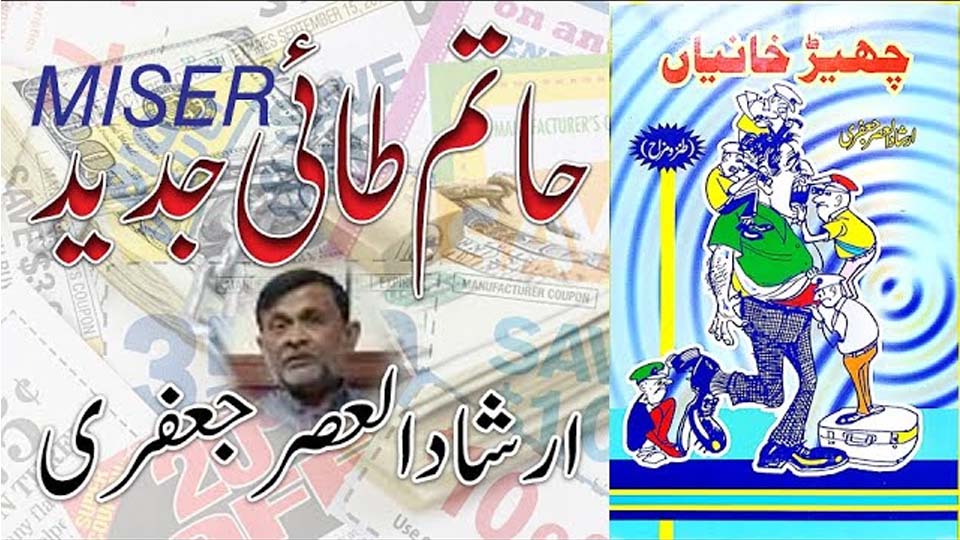
Hilarious miserliness is a timeless human flaw that has amused societies across cultures, and Urdu literature has captured this weakness with unmatched wit and intelligence. Rather than treating stinginess as a dry moral issue, Urdu humour transforms it into a mirror that reflects social contradictions, personal insecurities, and everyday hypocrisy. Through laughter, writers expose how extreme miserliness damages relationships, dignity, and even self-respect.
One of the finest literary portrayals of hilarious miserliness appears in the humorous prose of Irshad‑ul‑Asr Jafri, whose writing balances comedy with subtle social criticism. His work proves that humour, when crafted intelligently, can provoke thought as effectively as serious discourse.
Moderation vs Extremes: A Universal Moral Lesson
Human societies have always valued balance. Extravagance is condemned as wasteful, yet extreme miserliness is equally destructive. The beauty of satire lies in its ability to highlight this imbalance without moral preaching. Hilarious miserliness, when exaggerated through humor, makes readers laugh first—and then reflect.
Urdu humorous essays often rely on such exaggeration to expose the absurdity of human behaviour. By stretching a flaw to its limits, writers force readers to confront uncomfortable truths hidden beneath everyday habits.
A Strong Tradition of Humour in Urdu Literature
Urdu literature has a long-standing tradition of humorous and satirical writing. From light social commentary to sharp character sketches, humour has remained a powerful literary tool. Hilarious miserliness has been one of the most frequently explored themes because it is universally recognisable.
Readers easily relate to miserly characters because they resemble people encountered in daily life—neighbours, relatives, or sometimes even ourselves. This relatability is what makes Urdu humour so effective and enduring.
“Hatim Tai of Modern Times”: Irony at Its Best
In Jafri’s celebrated essay, Hatim Tai Jadeed, the concept of hilarious miserliness reaches its creative peak. The protagonist earns the ironic nickname “Hatim Tai,” a historical symbol of generosity represented by Hatim Tai. The contrast between the name and the character’s behaviour creates instant comedic tension.
Children mock him, neighbours repeat the nickname, and eventually his true identity is lost behind the label. This ironic naming becomes a powerful literary device that exposes how society reacts to extreme stinginess—through ridicule rather than confrontation.
Comic Incidents That Reveal Social Truths
The essay is filled with unforgettable scenes that define hilarious miserliness. When a guest arrives, the miser proudly offers refreshments—but only after escorting the guest from shop to shop, retreating each time upon hearing the price. Cold drinks, desserts, and even paan become too expensive, and the hospitality ends with a bus ticket for the guest.
These moments are funny on the surface, yet deeply critical underneath. They expose how miserliness erodes hospitality, generosity, and basic human warmth—values traditionally held sacred in South Asian culture.
Domestic Life and Miserliness as Daily Conflict
At home, hilarious miserliness becomes a source of constant tension. The miser’s wife remains perpetually frustrated, household arguments become neighbourhood entertainment, and even academic failure is celebrated because it saves money on books.
One of the sharpest satirical moments appears when the miser’s in-laws visit. Instead of welcoming them, he cleverly disappears under false pretences, forcing them to bear their own expenses. Humour here becomes a weapon, exposing selfishness without direct condemnation.
Why This Humour Still Matters Today
What makes hilarious miserliness so relevant today is its universality. Economic pressures may change, but human psychology does not. Modern readers still recognize these behaviors, making such essays timeless.
Irshad-ul-Asr Jafri’s genius lies in transforming a simple flaw into a layered narrative that entertains while educating. His writing reminds us that neither wastefulness nor miserliness leads to dignity—only moderation does.
Conclusion: Laughter with a Lesson
Ultimately, hilarious miserliness is not just about laughter. It is about awareness. Through satire, Urdu literature teaches that balance is the true virtue. Jafri’s humorous brilliance turns an ordinary character into an unforgettable symbol of excess, proving that great literature does not always shout—sometimes, it simply makes us laugh and think.
If you’re interested in reading this book, click the link below for a free download.
https://drive.google.com/file/d/1pX10MRnJZ3FPXlorkbg2UVdRfOmbDHvq/view?usp=sharing
If you’d like to listen to this book in audio format, click the CONTACT button below to get in touch with the AwazeUrdu team to order the audiobook.
You can also watch the same video on these social media platforms.
افراط و تفریط ہر معاملے میں نقصان دہ ثابت ہوتی ہے۔ ہمارا دین ہمیں اعتدال کا درس دیتا ہے؛ جس طرح فضول خرچی کو ناپسند کرتے ہوئے اسے شیطانی عمل قرار دیا گیا ہے، اسی طرح کنجوسی اور بخل کی بھی سختی سے مذمت کی گئی ہے۔ اصل خوبی اسی میں ہے کہ انسان میانہ روی اختیار کرے اور جہاں خرچ کرنا ضروری ہو، وہاں دل کھول کر خرچ کرے۔ اردو ادب میں بھی انسانی کمزوریوں کو مزاح کے پیرائے میں پیش کرنے کی ایک مضبوط روایت موجود ہے، اور کنجوسی جیسے رویّے پر بے شمار لطائف اور مزاحیہ تحریریں لکھی گئی ہیں۔ انہی میں سے ایک نہایت دلچسپ اور دلکش مضمون معروف ادیب ارشاد العصر جعفری کا ہے، جو اپنے منفرد اسلوب کی بدولت قاری کو ہنسانے کے ساتھ سوچنے پر بھی مجبور کرتا ہے۔
ارشاد العصر جعفری اردو ادب کے اُن مصنفین میں شمار ہوتے ہیں جنہوں نے خاص طور پر جاسوسی ادب میں اپنی پہچان بنائی۔ وہ مشہور سلسلۂ ناولز عمران سیریز سے وابستہ رہے اور اس کے تحت متعدد سنسنی خیز اور تجسس سے بھرپور کہانیاں تخلیق کیں۔ ان کے ہاں تیز رفتار پلاٹ، خفیہ ایجنسیوں کی سرگرمیاں اور غیر متوقع موڑ نمایاں ہوتے ہیں، جو قاری کو ابتدا سے انتہا تک اپنے سحر میں جکڑے رکھتے ہیں۔ اگرچہ عمران سیریز میں کئی قلم کاروں نے حصہ لیا، مگر جعفری صاحب نے اپنے مخصوص اندازِ بیان اور دلچسپ کہانیوں کے ذریعے اس روایت کو مزید جلا بخشی۔
ان کی کتاب چھیڑخانیاں دراصل مزاح اور ہلکی پھلکی سماجی تنقید کا خوبصورت امتزاج ہے۔ اس کتاب میں مختلف کرداروں اور واقعات کے ذریعے انسانی رویّوں، عادات اور روزمرہ زندگی کے دلچسپ پہلوؤں کو نہایت دلنشیں انداز میں پیش کیا گیا ہے۔ مصنف نے اپنے منفرد اسلوب کے ذریعے نہ صرف قاری کو محظوظ کیا بلکہ معاشرتی کمزوریوں پر لطیف طنز بھی کیا، جس سے یہ تحریریں محض تفریح نہیں بلکہ بامعنی مطالعہ بھی بن جاتی ہیں۔
اسی کتاب کا ایک مشہور مضمون “حاتم طائی جدید” آوازِ اردو نے اپنی ویڈیو میں پیش کیا ہے۔ یہ دراصل ایک مزاحیہ اور فرضی شخصی خاکہ ہے، جس میں ایک ایسے شخص کا ذکر کیا گیا ہے جو اپنی انتہا درجے کی کنجوسی کی وجہ سے پورے محلے میں “حاتم طائی” کے نام سے مشہور ہو جاتا ہے۔ حالانکہ اصل حاتم طائی سخاوت کی علامت تھے، مگر یہاں یہ نام طنزیہ طور پر استعمال ہوا ہے۔ ابتدا میں محلے کے بچے اسے چھیڑنے کے لیے اس نام سے پکارتے ہیں، لیکن رفتہ رفتہ یہ نام اتنا مقبول ہو جاتا ہے کہ لوگ اس کا اصل نام ہی بھول جاتے ہیں۔
مضمون میں مختلف دلچسپ واقعات کے ذریعے اس کردار کی کنجوسی کو نہایت مزاحیہ انداز میں پیش کیا گیا ہے۔ ایک موقع پر جب ان کے ہاں مہمان آتا ہے تو وہ اسے کولڈ ڈرنک پلانے کے بہانے دکان تک لے جاتے ہیں، مگر قیمت سن کر فوراً ارادہ بدل لیتے ہیں۔ پھر فالودہ کھلانے کا وعدہ کرتے ہیں، مگر وہاں بھی قیمت زیادہ معلوم ہونے پر پیچھے ہٹ جاتے ہیں۔ آخرکار پان کی باری آتی ہے، لیکن تین روپے سن کر وہاں سے بھی جان چھڑا لیتے ہیں اور بالآخر مہمان کو بس میں بٹھا کر خود گھر واپس آ جاتے ہیں۔ اس واقعے میں مصنف نے نہایت خوبصورتی سے کنجوسی کی انتہا اور مہمان نوازی کے فقدان کو طنز کا نشانہ بنایا ہے۔
گھریلو زندگی کے مناظر بھی اسی طرح دلچسپ ہیں۔ ان کی بیگم ہر وقت ان کی کنجوسی سے تنگ آ کر ناراض رہتی ہیں، اور گھر میں اکثر جھگڑے ہوتے رہتے ہیں۔ یہاں تک کہ محلے والے بھی ان کے گھر کے جھگڑوں کو تفریح کا ذریعہ بنا لیتے ہیں۔ ان کے بچے کے امتحان میں فیل ہونے پر بھی وہ خوشی کا اظہار کرتے ہیں کیونکہ اس طرح نئی کتابیں خریدنے سے بچ جاتے ہیں۔ اسی طرح جب ان کی ساس بچوں سمیت آتی ہیں تو وہ بظاہر خوشی کا اظہار کرتے ہیں، مگر کھانے کے انتظام کے بہانے گھر سے نکل جاتے ہیں اور کئی دن تک واپس نہیں آتے، جس کے نتیجے میں ساس خود ہی خرچ اٹھا کر واپس چلی جاتی ہیں۔ ان تمام واقعات میں مزاح کے ساتھ ساتھ انسانی فطرت کی کمزوریوں کو بڑی خوبصورتی سے اجاگر کیا گیا ہے۔
اختتامیہ کے طور پر کہا جا سکتا ہے کہ یہ مضمون نہ صرف ہنسی کا سامان فراہم کرتا ہے بلکہ ہمیں یہ بھی سکھاتا ہے کہ زندگی میں اعتدال کس قدر ضروری ہے۔ نہ فضول خرچی مناسب ہے اور نہ ہی حد سے بڑھی ہوئی کنجوسی۔ ارشاد العصر جعفری نے اپنے شگفتہ اور دلنشیں انداز میں ایک معمولی سے موضوع کو غیر معمولی بنا دیا ہے، اور یہی ان کی تحریر کا کمال ہے کہ قاری محظوظ ہونے کے ساتھ ساتھ ایک اہم سبق بھی سیکھ لیتا ہے۔
معروف طریقہ یہی ہے اپنے بیان کی تائید میں اصل عبارت سے کچھ اقتباسات بھی پیش کیے جائیں ۔ اس سے قاری کو درستگی سے بات سمجھنے میں سہولت ہوتی ہے ۔ تبصرہ نگار کی بات سن کر تو وہ اپنے ذہن میں کوئی تصور بنا لیتا ہے اور پھر اصل تحریر کو ویسا نہ پا کے مایوسی محسوس کرتا ہے
افتخار احمد ملتانی