
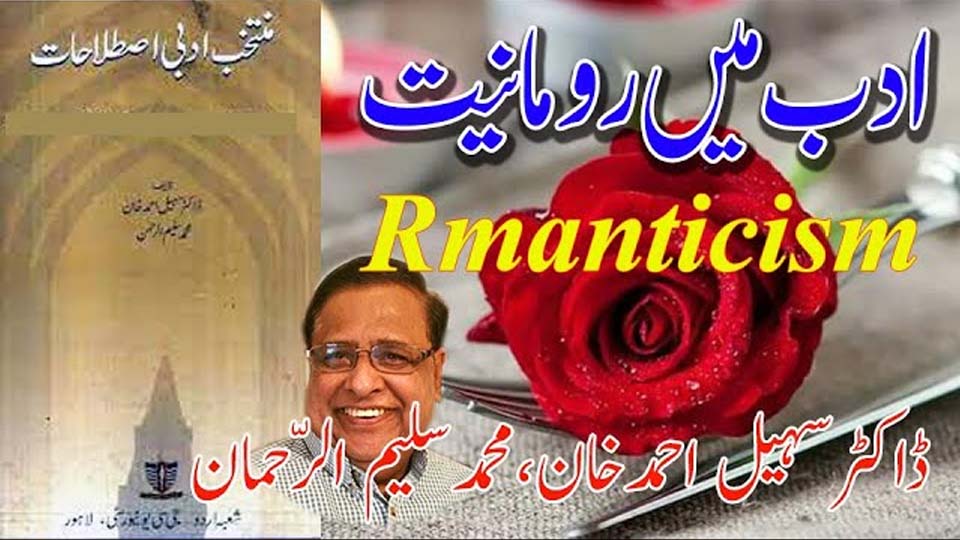
Romanticism in Literature is not merely a decorative label for emotional poetry or nature-loving writers; it represents a profound shift in human consciousness, artistic priorities, and intellectual freedom. Romanticism in Literature emerges as a powerful response to rigid traditions, mechanical thinking, and inherited norms, offering imagination, individuality, and inner truth. At its core, Romanticism in Literature redefines how writers perceive the self, society, and the creative act itself.
The Role of Reading in Literary Understanding
Daily reading habits, intellectual discipline, and continuous engagement with language gradually sharpen perception and refine taste. A serious reader does not merely decode words; rather, they begin to understand ideas, intellectual movements, and cultural undercurrents embedded within texts. Literature serves as a living archive of human dreams, rebellions, affections, and unresolved questions. Therefore, familiarity with literary terms and concepts becomes essential for students, researchers, and thoughtful readers alike.
An Authoritative Source: Selected Literary Terms
Within this intellectual framework, the book “MUNTAKHAB ADABI ISTILAHAT” (Selected Literary Terms) occupies a position of exceptional academic value. The authors present complex literary concepts with clarity, historical awareness, and practical relevance, making the book a reliable guide for understanding classical and modern literary discourse.
Dr Suhail Ahmad Khan
Dr Suhail Ahmad Khan is a distinguished Pakistani academic, researcher, and literary scholar. He has served at Abdul Wali Khan University, Mardan and has written extensively on the history, education, political movements, and literary culture of Khyber Pakhtunkhwa. His PhD research on Bacha Khan’s educational movement, completed at the University of Peshawar, reflects his deep engagement with intellectual history. His academic writings and newspaper columns have made significant contributions to contemporary educational and literary debates.
Muhammad Saleem-ur-Rahman
Muhammad Saleem-ur-Rahman stands among the towering figures of Urdu literature. A poet, short story writer, translator, playwright, and former editor of the prestigious literary journal Sawera, his literary journey spans several decades. Born in Saharanpur, India, and later settled in Lahore, he introduced Urdu readers to major works of world literature through masterful translations. His creative and critical writings remain authoritative references in Urdu literary studies.
Understanding Romanticism as a Literary Concept
One of the most significant essays in Selected Literary Terms focuses on Romanticism in Literature, an idea frequently discussed yet persistently debated. The authors make it clear from the outset that providing a single, rigid definition of romanticism is neither easy nor necessary. Instead, they concentrate on the core and shared characteristics that define this concept across time and geography.
Some Western thinkers, such as Kenneth Clark and Herbert Read, viewed romanticism as a permanent condition of the human mind—one that resurfaces in different forms throughout history. However, as a literary term, Romanticism in Literature is most often associated with a distinctive intellectual tendency that emerged in late eighteenth-century Europe, opposing neoclassical imitation and rigid formalism.
Debate and Critical Perspectives
The historian of ideas Arthur O. Lovejoy famously argued that romanticism existed in multiple forms and that grouping them under a single term could be misleading. In contrast, literary critic René Wellek insisted that shared fundamental elements justified the use of one umbrella term. The philosopher Isaiah Berlin wittily remarked that writings about romanticism had eventually outnumbered romantic literature itself—an exaggeration that nonetheless reveals its enduring fascination.
Intellectual and Historical Background
The intellectual roots of Romanticism in Literature are closely linked with the ideas of Jean-Jacques Rousseau, who advocated freedom from social constraints and a return to nature and innate human goodness. Politically, the French Revolution ignited passionate resistance to the monarchy and elevated the dignity of the common individual. At the same time, resistance to the scientific and industrial revolutions fueled romantic skepticism toward mechanization and rational excess.
According to Isaiah Berlin, the period between 1760 and 1830 witnessed a fundamental transformation in European consciousness. In English poetry, Lyrical Ballads by William Wordsworth and Samuel Taylor Coleridge is widely regarded as a starting point for this sensibility.
Key Features of Romantic Literature
The influential critic M. H. Abrams outlined the defining elements of romantic writing. Tradition gave way to innovation and experimentation. Poetry was understood as a spontaneous overflow of powerful feelings rather than artificial craftsmanship. John Keats famously compared poetry to leaves growing naturally on trees.
Nature became a central theme, though romantic writers were never mere landscape painters. Unlike neoclassical literature, which focused on society at large, Romanticism in Literature turned inward. The poet’s own consciousness, memories, and emotional journey became valid subjects, as seen in The Prelude. In prose, the personal essays of Charles Lamb, William Hazlitt, and the introspective writings of Thomas De Quincey exemplify this inward turn.
Vision, Imagination, and the Rebel Spirit
In romantic literature, the individual often appears solitary yet deeply engaged in exploration, rebellion, or moral struggle. Sometimes this figure challenges powerful forces like Prometheus defying the gods. Vision and imagination take centre stage, reshaping reality into new and meaningful forms. This spirit is evident in William Blake’s visionary poetry, Prometheus Unbound by Percy Bysshe Shelley, Don Juan by Lord Byron, and Hyperion by John Keats.
European and Urdu Literary Contexts
Across Europe, romantic ideas influenced German writers such as Friedrich Schlegel, Johann Wolfgang von Goethe, Novalis, Friedrich Hölderlin, and Heinrich Heine. In France, Victor Hugo and Gérard de Nerval carried forward romantic sensibilities. In fiction, Sir Walter Scott shaped the historical novel, influencing writers like Honoré de Balzac.
In Urdu literary discourse, terms such as romani, romaniyat, or romani adab appear, but conceptually they all refer to Romanticism in Literature as a global intellectual phenomenon.
Conclusion
Ultimately, Romanticism in Literature is not escapist sentimentality or decorative nature-writing. It is a comprehensive intellectual and cultural rebellion that prioritises individual freedom, creative imagination, artistic uniqueness, and a renewed vision of the world. Through Selected Literary Terms and Awaz-e-Urdu’s thoughtful presentation, this complex yet transformative idea becomes accessible and meaningful for Urdu readers—affirming the lasting relevance of romantic thought in literary understanding.
If you\’re interested in reading this book, click the link below for a free download.
https://drive.google.com/file/d/1m8z_B-pK4f3QHT3wCjj7-cI3BHW-OgbI/view?usp=sharing
If you\’d like to listen to this book in audio format, click the CONTACT button below to get in touch with the AwazeUrdu team to order the audiobook.
Contact Us:You can also watch the same video on these social media platforms.
Rumble Facebookانسان کی روزمرہ تربیت، مطالعے کی عادت اور فکری نشوونما آہستہ آہستہ اس کی نظر کو گہرا اور ذوق کو پختہ کرتی ہے۔ جو شخص روزانہ مطالعہ، غور و فکر اور زبان و ادب سے رشتہ استوار رکھتا ہے، وہ محض الفاظ نہیں پڑھتا بلکہ افکار کے پس منظر، تحریکوں کی روح اور تہذیبی دھاروں کو بھی سمجھنے لگتا ہے۔ ادب دراصل انسانی شعور کی وہ دستاویز ہے جس میں انسان اپنے خواب، بغاوتیں، محبتیں اور سوال محفوظ کرتا ہے۔ اسی لیے ادبی اصطلاحات کی تفہیم، ادبی تحریکوں کا مطالعہ اور کلاسیکی و جدید رجحانات کی پہچان طالبِ علم اور قاری دونوں کے لیے ناگزیر ہے۔
اس علمی پس منظر میں کتاب منتخب ادبی اصطلاحات کے مصنفین کی علمی حیثیت غیر معمولی اہمیت رکھتی ہے۔
ڈاکٹر سہیل احمد خان پاکستان کے ممتاز استاد، محقق اور ادبی شخصیت ہیں۔ وہ عبد الولی یونیورسٹی، مردان میں تدریسی خدمات انجام دے چکے ہیں اور پختونخوا کی تاریخ، تعلیم، سیاسی تحریکوں اور ادب کے موضوعات پر متعدد تحقیقی مقالے اور تصانیف ان کے نام سے منسوب ہیں۔ ان کا پی ایچ ڈی مقالہ باچا خان کی تعلیمی تحریک کے موضوع پر ہے، جو انہوں نے یونیورسٹی آف پشاور سے مکمل کیا۔ ان کی تحریریں قومی و بین الاقوامی جرائد میں شائع ہو چکی ہیں اور وہ اخباری کالموں کے ذریعے بھی تعلیمی و فکری مباحث میں حصہ لیتے رہے ہیں۔
دوسرے مصنف محمد سلیم الرحمان اردو ادب کے اُن قدآور ناموں میں شمار ہوتے ہیں جن کا ادبی سفر کئی دہائیوں پر محیط ہے۔ وہ شاعر، افسانہ نگار، مترجم، ڈرامہ نگار اور ممتاز ادبی جریدے سویرا کے مدیر رہے ہیں۔ ان کی پیدائش سہارن پور (بھارت) میں ہوئی، بعد ازاں وہ پاکستان آئے اور لاہور میں مستقل سکونت اختیار کی۔ عالمی ادب کے کئی اہم شاہکاروں کے اردو تراجم ان کا نمایاں کارنامہ ہیں، اور ان کی تخلیقی و تنقیدی تحریریں اردو ادب میں ایک معتبر حوالہ سمجھی جاتی ہیں۔
کتاب منتخب ادبی اصطلاحات اردو ادب کے طلبہ، محققین اور سنجیدہ قارئین کے لیے ایک نہایت اہم علمی ماخذ ہے۔ اس کتاب میں نظم و نثر، شعری اصناف، ادبی تنقید، بیانیہ اور تجزیے میں مستعمل بنیادی اور جدید اصطلاحات کو نہایت سادہ، واضح اور مدلل انداز میں پیش کیا گیا ہے۔ مصنفین نے محض تعریفوں پر اکتفا نہیں کیا بلکہ ہر اصطلاح کے تاریخی پس منظر، فکری ارتقا اور عملی استعمال کو بھی مثالوں کے ذریعے واضح کیا ہے۔ یہی وجہ ہے کہ یہ کتاب قاری کو نہ صرف ادبی متون سمجھنے میں مدد دیتی ہے بلکہ اسے ادبی مباحث میں بامعنی شرکت کے قابل بھی بناتی ہے۔
اسی کتاب کا ایک اہم مضمون \”رومانویت\”کے عنوان سے آوازِاردو نے اپنے ادبی سلسلے کی ایک ویڈیو میں پڑھ کر سنایا ہے۔ اس مضمون میں مصنفین رومانویت کو ایک پیچیدہ مگر نہایت اہم ادبی اصطلاح کے طور پر سامنے لاتے ہیں۔ وہ ابتدا ہی میں واضح کرتے ہیں کہ رومانویت کے بارے میں بے شمار مباحث موجود ہیں اور اس کی تعریف پر شدید اختلاف پایا جاتا ہے۔ ان تمام آرا کا احاطہ کرنا نہ صرف مشکل ہے بلکہ اصطلاحی سطح پر غیر ضروری بھی، اس لیے توجہ رومانویت کے بنیادی اور مشترکہ نکات پر مرکوز رکھنی چاہیے۔
بعض مغربی مفکرین، مثلاً کینتھ کلارک اور ہربرٹ ریڈ، اس خیال کے حامل ہیں کہ رومانویت انسانی ذہن کی ایک مستقل کیفیت ہے جو ہر دور میں کسی نہ کسی صورت جلوہ گر ہوتی رہی ہے۔ تاہم ادبی اصطلاح کے طور پر رومانویت کا اطلاق خاص طور پر اس رجحان پر ہوتا ہے جو اٹھارہویں صدی کے اواخر میں یورپ میں سامنے آیا اور جس نے نوکلاسیکی تقلیدی اسلوب کے خلاف بغاوت کی۔ اس تحریک میں فنکار کی انفرادیت، اس کا تخیل، فطرت سے قربت اور انسان کی فطری معصومیت کے تصور کو مرکزی حیثیت حاصل ہوئی۔
اگرچہ تاریخِ افکار کے ماہر آرتھر او لاوجوائے کے نزدیک رومانویت کی کئی صورتیں تھیں اور سب کو ایک نام دینا درست نہیں، لیکن ناقد رینے ویلیک اس بات پر زور دیتے ہیں کہ مختلف خطوں کی رومانویت میں کچھ عناصر مشترک تھے، اس لیے اسے ایک ہی اصطلاح کے تحت بیان کیا جا سکتا ہے۔ فلسفی آیزایا برلن نے تو یہاں تک کہا کہ رومانویت پر لکھی گئی تحریریں خود رومانی ادب سے بھی زیادہ ہو چکی ہیں۔
رومانویت کے فکری پس منظر میں ژاں ژاک روسو جیسے مفکرین کے نظریات نمایاں ہیں، جو فرد کو سماجی زنجیروں سے آزاد کر کے فطرت کی طرف لوٹنے اور انسان کی فطری نیکی کو اجاگر کرنے کے داعی تھے۔ سیاسی سطح پر انقلابِ فرانس نے بادشاہت کے خلاف اور عام انسان کے حق میں شدید جذبات کو جنم دیا، جبکہ سائنسی اور صنعتی انقلاب کے خلاف ردِعمل بھی اس تحریک کے فروغ کا سبب بنا۔ آیزایا برلن کے مطابق 1760ء سے 1830ء کے درمیان یورپی شعور میں ایک بنیادی تبدیلی واقع ہوئی۔ انگریزی شاعری میں لائریکل بیلڈز (از ولیم ورڈزورتھ اور سیموئل ٹیلر کولرج) کو اس رجحان کا آغاز سمجھا جاتا ہے۔
رومانویت کے ممتاز ناقد ایم ایچ ابرامز کے مطابق اس تحریک میں روایت کے بجائے جدت اور تجربے کو اہمیت دی گئی۔ شاعری کو جذبات کے بے ساختہ اظہار کے طور پر دیکھا گیا۔ جان کیٹس نے کہا کہ شاعری اس طرح فطری طور پر آتی ہے جیسے درختوں پر پتے۔ فطرت کے مناظر اہم بنے، مگر رومانی شاعر محض فطرت نگار نہیں تھے۔ نوکلاسیکی ادب دوسروں کے بارے میں تھا، جب کہ رومانی ادب میں شاعر خود اپنی ذات اور باطن کو موضوع بناتا ہے، جیسا کہ دی پریلوڈ میں دکھائی دیتا ہے۔ نثر میں چارلس لیم، ولیم ہیزلٹ، تھامس ڈی کوئنسی اور کولرج کی تحریریں اسی رجحان کی مثال ہیں۔
رومانی ادب میں انسان تنہا ضرور ہے مگر سماج سے کٹا ہوا نہیں؛ وہ تلاش، بغاوت اور مہم میں مصروف دکھائی دیتا ہے، اور بعض اوقات پرومیتھیس کی طرح طاقتور قوتوں کو للکارتا ہے۔ تخیل اور وژن کو مرکزی حیثیت حاصل ہو جاتی ہے۔ ولیم بلیک کی وژنری نظمیں، پرسی بیش شیلے کی پرومیتھیس اَن باؤنڈ، لارڈ بائرن کی ڈان ژوان اور جان کیٹس کی ہائپیریون اس کی نمایاں مثالیں ہیں۔
یورپ میں یہ تحریک جرمنی، فرانس اور برطانیہ تک پھیل گئی۔ جرمنی میں فریڈرک شلیگل، گوئٹے، نووالس، ہولڈرلن اور ہائنے؛ فرانس میں وکٹر ہیوگو اور ژیرار دی نروال اس سے متاثر ہوئے۔ ناول میں سر والٹر اسکاٹ نے تاریخی ناول کے ذریعے یورپی ادب کو نئی سمت دی، اور اونورے دے بالزاک سمیت کئی ناول نگار اس سے اثر پذیر ہوئے۔ اردو میں اگرچہ “رومانی”، “رومانوی” اور “رومانویت” جیسے الفاظ ملتے ہیں، مگر اصطلاحی طور پر مراد وہی عالمی ادبی تحریک ہے جسے رومانویت کہا جاتا ہے۔
یوں یہ مضمون واضح کرتا ہے کہ رومانویت محض جذباتی شاعری یا فطرت نگاری کا نام نہیں بلکہ ایک ہمہ گیر فکری اور تہذیبی بغاوت ہے، جس میں فرد کی آزادی، تخیل کی قوت، فنکار کی انفرادیت اور دنیا کو نئے زاویے سے دیکھنے کا وژن بنیادی حیثیت رکھتا ہے۔ منتخب ادبی اصطلاحات اور آوازِاردو کی پیش کش اس تحریک کو اردو قاری کے لیے نہایت مؤثر اور بامعنی انداز میں سامنے لاتی ہے، اور یہی اس مضمون کی سب سے بڑی معنویت ہے۔
