
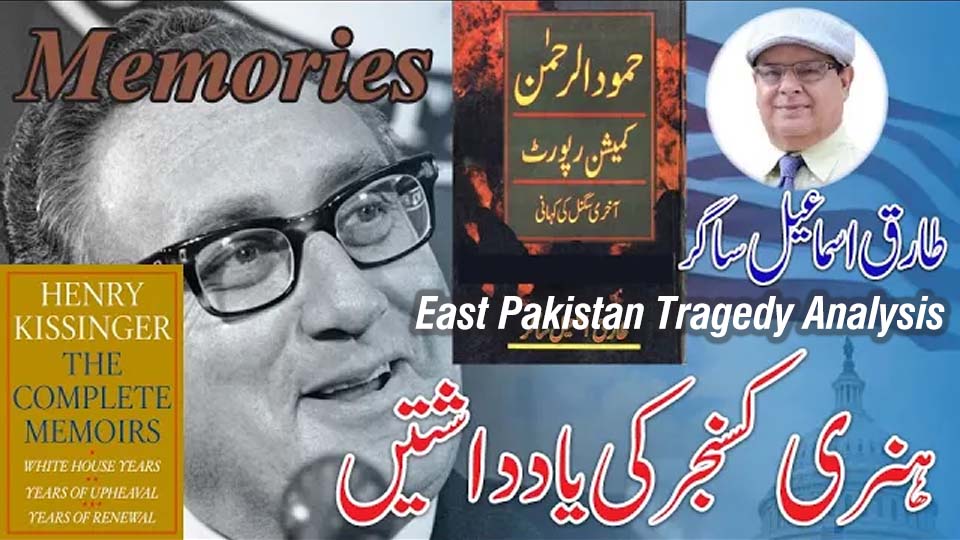
East Pakistan Tragedy analysis begins with a collective national shock that followed the fall of Dhaka in December 1971. The dismemberment of Pakistan was not merely a military defeat; it was a profound political, moral, and psychological collapse that forced the nation to confront uncomfortable truths. Public pressure intensified across political and intellectual circles, demanding accountability and a serious investigation into the causes of this historic catastrophe. There was a growing realisation that without an honest inquiry, history could repeat itself.
The Demand for Accountability After 1971
In the aftermath of the East Pakistan Tragedy analysis, voices from within the country insisted that responsibility must be fixed. The sense of loss was too great to be buried under silence. Responding to this pressure, the government led by Zulfikar Ali Bhutto ordered the formation of a high-powered judicial inquiry. The objective was not only to document events but also to identify political, military, and administrative failures that led to the separation of East Pakistan.
Formation of the Hamoodur Rahman Commission
The inquiry commission was established in December 1971 under the chairmanship of Hamoodur Rahman, then Chief Justice of Pakistan. The commission conducted extensive hearings, recorded testimonies of hundreds of witnesses, and examined official documents. This East Pakistan Tragedy analysis exposed grave lapses in governance, flawed military strategy, and a persistent disconnect between the ruling elite and ground realities in East Pakistan.
The commission’s findings were candid and, at times, devastating. It criticised senior military leadership, highlighted political indecision, and emphasised how the denial of democratic mandates deepened alienation in East Pakistan. Despite its importance, the report was kept classified for years, and only selected portions were later leaked to the public.
Why the Report Remained Controversial
A crucial aspect of the East Pakistan Tragedy analysis is the secrecy surrounding the commission report. The decision not to publish the report in full raised serious questions. Many believed that withholding the truth further damaged public trust and prevented national introspection. The report became a symbol of suppressed accountability, an acknowledgement that the truth, when too painful, is often hidden rather than confronted.
Tariq Ismail Saghar and “The Last Signal”
Among those who attempted to bring the buried truth to light was Tariq Ismail Saghar, a renowned novelist, journalist, and political analyst. Known for his command over espionage and political fiction, Saghar authored more than seventy books. In the Hamoodur Rahman Commission Report: The Story of the Last Signal, he reconstructed the final hours leading to surrender in Dhaka.
Saghar’s narrative presents the East Pakistan Tragedy analysis as the inevitable outcome of long-term misjudgments. According to him, the “last signal” sent on 16 December 1971 was not merely a military order but a symbolic admission of national failure. The tragedy, he argues, was not sudden—it was the logical conclusion of weak leadership, flawed policies, and continuous neglect.
Henry Kissinger and the Global Perspective
An important dimension of the East Pakistan Tragedy analysis emerges from international accounts, particularly those of Henry Kissinger. In his memoirs, Kissinger explains that the 1971 crisis caught the United States off guard. Washington was deeply engaged in the Vietnam War, secret diplomacy with China, and managing relations with the Soviet Union. South Asia was not a priority until the crisis escalated beyond control.
Kissinger also reflects on the region’s historical complexity, noting that external powers often failed to understand the deep-rooted cultural, ethnic, and political fractures of the subcontinent. The cyclone in East Pakistan, he notes, was an early warning sign of administrative failure and humanitarian neglect—signals that were largely ignored.
Historical Roots of the Tragedy
To fully grasp the East Pakistan Tragedy analysis, one must look beyond 1971. The subcontinent’s history is marked by repeated invasions, rigid social hierarchies, and deeply entrenched identities. Colonial rule introduced modern governance and political consciousness, but also sowed divisions through the idea of competing nationalisms. The creation of Pakistan in 1947 addressed Muslim political insecurity but left unresolved questions of representation, equity, and federal balance.
These unresolved tensions eventually erupted, turning political disagreement into outright conflict.
Lessons for the Future
The East Pakistan Tragedy analysis underscores a painful reality: nations do not collapse overnight. They fall when institutions fail, when leadership ignores public will, and when accountability is sacrificed for convenience. The Hamoodur Rahman Commission Report and Tariq Ismail Saghar’s writings serve as mirrors reflecting collective mistakes.
Understanding this tragedy is not about reopening old wounds; it is about learning from them. Only through honest evaluation and institutional reform can such national catastrophes be prevented in the future.
If you’re interested in reading this book, click the link below for a free download.
https://drive.google.com/file/d/1iSD3nKvWNmLbYynLPrIKylUAIGCJFq1p/view?usp=sharing
If you’d like to listen to this book in audio format, click the CONTACT button below to get in touch with the AwazeUrdu team to order the audiobook.
You can also watch the same video on these social media platforms.
سقوطِ مشرقی پاکستان کے سانحے سے سنبھلنے کے بعد ملک میں اس عظیم قومی نقصان کے ذمہ داران کو کیفرِ کردار تک پہنچانے کا مطالبہ شدت اختیار کر گیا۔ عوامی و سیاسی حلقوں میں یہ احساس گہرا ہوتا گیا کہ اگر اس سانحے کے اسباب کا کھوج نہ لگایا گیا تو تاریخ خود کو دہرا سکتی ہے۔ اسی دباؤ کے نتیجے میں بالآخر ایک باقاعدہ تحقیقاتی کمیشن قائم کیا گیا، جس نے تفصیلی تحقیقات کے بعد اپنی رپورٹ حکومتِ وقت کے سامنے پیش کی، اور یہی دستاویز بعد میں “حمودالرّحمان کمیشن رپورٹ” کے نام سے جانی گئی۔
یہ رپورٹ پاکستان کی تاریخ کی ایک نہایت اہم اور متنازع دستاویز ہے، جس میں 1971ء میں مشرقی پاکستان کی علیحدگی اور سقوطِ ڈھاکہ کے اسباب و عوامل کا جامع جائزہ لیا گیا۔ یہ کمیشن دسمبر 1971ء میں ذوالفقار علی بھٹو کی ہدایت پر چیف جسٹس حمود الرحمٰن کی سربراہی میں قائم کیا گیا۔ کمیشن نے سینکڑوں گواہوں کے بیانات، سرکاری ریکارڈ اور دیگر شواہد کی روشنی میں سیاسی، عسکری اور انتظامی ناکامیوں کا باریک بینی سے تجزیہ کیا۔ رپورٹ میں فوجی قیادت کی حکمتِ عملی، سیاسی قیادت کی کمزوریوں اور مشرقی پاکستان میں پیدا ہونے والی صورتِ حال پر سخت تنقید کی گئی اور ذمہ داران کے خلاف کارروائی کی سفارشات بھی پیش کی گئیں، تاہم اسے طویل عرصے تک خفیہ رکھا گیا اور بعد ازاں اس کے چند حصے ہی منظرِ عام پر آ سکے۔
اگرچہ مکمل رپورٹ کبھی پوری طرح شائع نہ ہو سکی، لیکن چند افراد نے اس تک رسائی حاصل کرکے اس کے مندرجات قوم تک پہنچانے کی کوشش کی۔ ان میں ایک نمایاں نام طارق اسماعیل ساگر مرحوم کا ہے، جو پاکستان کے معروف ناول نگار، مصنف اور سینئر صحافی تھے۔ انہوں نے اردو ادب میں خصوصاً جاسوسی اور سیاسی موضوعات پر اپنی منفرد پہچان قائم کی اور ستر سے زائد کتابیں تحریر کیں، جن میں “کمانڈو”، “ریڈ الرٹ”، “دھوئیں کی دیوار” اور “بھارت ٹوٹ جائے گا” جیسی تصانیف خاص طور پر مقبول ہوئیں۔ ان کی تحریروں میں قومی و بین الاقوامی سیاست، خفیہ اداروں کی سرگرمیاں اور سیکیورٹی معاملات نمایاں موضوعات کے طور پر سامنے آتے ہیں۔ 14 ستمبر 2021ء کو ان کا انتقال ہوا، مگر وہ اپنی تحریروں کے باعث اردو ادب میں ایک اہم مقام چھوڑ گئے۔
طارق اسماعیل ساگر نے اپنی کتاب “حمودالرّحمان کمیشن رپورٹ: آخری سگنل کی کہانی” میں سقوطِ مشرقی پاکستان کے آخری لمحات کو نہایت دردناک اور فیصلہ کن انداز میں پیش کیا ہے۔ وہ واضح کرتے ہیں کہ 16 دسمبر 1971ء کو ڈھاکہ میں حالات اس نہج پر پہنچ چکے تھے جہاں فوجی قیادت کے پاس ہتھیار ڈالنے کے سوا کوئی چارہ نہ رہا۔ “آخری سگنل” دراصل اسی فیصلے کی علامت ہے، جو ایک فوجی حکم ہونے کے ساتھ ساتھ قومی سطح پر ایک گہری ناکامی کی علامت بھی بن گیا۔ مصنف کے مطابق یہ سانحہ اچانک پیش آنے والا حادثہ نہیں تھا بلکہ غلط پالیسیوں، کمزور قیادت اور زمینی حقائق سے مسلسل غفلت کا منطقی انجام تھا۔
اسی کتاب کے باب “ہنری کسنجر کی یادداشتیں” میں بیان کردہ اقتباس، جسے آوازِ اردو کی ایک ویڈیو میں بھی پڑھ کر سنایا گیا ہے، اس سانحے کے بین الاقوامی تناظر کو سمجھنے میں خاصی مدد دیتا ہے۔ کسنجر کے مطابق 1971ء کا بحران امریکی قیادت کے لیے غیر متوقع تھا، کیونکہ اس وقت امریکہ بیک وقت کئی بڑے عالمی معاملات میں الجھا ہوا تھا۔ ویت نام کی جنگ اپنی پیچیدہ ترین صورت میں تھی، چین کے ساتھ تاریخی تعلقات استوار کیے جا رہے تھے، اور سوویت یونین کے ساتھ تعلقات میں بہتری لانے کی کوششیں جاری تھیں۔ ایسے میں جنوبی ایشیا میں ایک بڑے بحران کا اچانک ابھرنا امریکی منصوبہ بندی سے باہر تھا۔ مشرقی پاکستان میں آنے والا سمندری طوفان اس بحران کا ابتدائی اشارہ ثابت ہوا، جس نے امریکی پالیسی کی کمزوری اور ہنگامی تیاری کے فقدان کو نمایاں کر دیا۔
کسنجر برصغیر کی تاریخ، جغرافیہ اور تہذیب پر تفصیل سے روشنی ڈالتے ہیں۔ ان کے مطابق یہ خطہ صدیوں سے ایک الگ دنیا کی حیثیت رکھتا ہے، جہاں ہمالیہ، ہندوکش، بحیرۂ ہند اور بنگال کے دلدلی علاقے قدرتی سرحدوں کا کردار ادا کرتے ہیں۔ مختلف اقوام—منگول، یونانی، فارسی، افغان، پرتگالی اور انگریز—یہاں آئیں، اپنی حکومتیں قائم کیں اور پھر مٹ گئیں، مگر مقامی آبادی اپنی تہذیبی شناخت کے ساتھ قائم رہی۔ چین کے برعکس، جہاں بیرونی حملہ آور مقامی ثقافت میں ضم ہو گئے، برصغیر میں مختلف قومیتیں ایک دوسرے سے الگ رہیں اور بیرونی اثرات کو مکمل طور پر قبول نہ کیا۔
وہ مزید وضاحت کرتے ہیں کہ یہاں کے مذاہب اور سماجی نظام نے بھی اس تقسیم کو برقرار رکھا۔ ذات پات کا نظام انسان کی حیثیت کو اس کی پیدائش سے جوڑ دیتا ہے، جس کے باعث معاشرہ سخت طبقات میں بٹا رہا۔ ہندومت ایک خود مکتفی مذہب کے طور پر بیرونی عناصر کو آسانی سے قبول نہیں کرتا، جس کے باعث غیر ملکی حکمرانوں کے باوجود مقامی تہذیب اپنی اصل شکل میں برقرار رہی۔ مسلمان فاتحین کے دور میں اگرچہ نچلی ذات کے لوگوں کو اسلام قبول کرکے اپنی حالت بدلنے کا موقع ملا، مگر سماجی سطح پر مکمل ہم آہنگی پیدا نہ ہو سکی، جس سے مذہبی کشیدگی نے جنم لیا۔
برصغیر میں انگریزوں کی آمد ایک نیا موڑ تھی۔ انہوں نے پہلی بار ایک متحد انتظامی اور قانونی نظام قائم کیا اور ساتھ ہی جمہوریت اور قومیت جیسے مغربی تصورات متعارف کروائے۔ لیکن یہی تصورات بعد میں ان کے خلاف استعمال ہوئے، کیونکہ تعلیم یافتہ مقامی قیادت نے انہی اصولوں کی بنیاد پر آزادی کا مطالبہ کیا، اور یوں انگریز اخلاقی برتری کھو بیٹھے۔ جب قومیت کا تصور ابھرا تو مختلف قومیں متحد ہونے کے بجائے مزید تقسیم ہو گئیں۔ مسلمان، جو خود کو ہندو اکثریت کے زیرِ اثر غیر محفوظ سمجھتے تھے، ایک علیحدہ ریاست کے خواہاں ہوئے، جس کے نتیجے میں 1947ء میں تقسیم عمل میں آئی اور پاکستان و بھارت وجود میں آئے۔
کسنجر کے مطابق یہ تمام تاریخی، سماجی اور سیاسی عوامل بالآخر 1971ء کے بحران پر منتج ہوئے، جو کسی ایک لمحے کی پیداوار نہیں بلکہ صدیوں پر محیط پیچیدہ پس منظر کا نتیجہ تھا۔ ان کے خیال میں بیرونی طاقتیں، بشمول امریکہ، اس خطے کی داخلی پیچیدگیوں کو پوری طرح سمجھنے میں ناکام رہیں، جس کے باعث وہ اس بحران کو بروقت سنبھال نہ سکیں۔
حمودالرّحمان کمیشن رپورٹ اور اس سے متعلقہ تحریریں، خصوصاً طارق اسماعیل ساگر کی کاوش، ہمیں یہ احساس دلاتی ہیں کہ قوموں کی تاریخ میں بعض سانحات محض وقتی ناکامی نہیں ہوتے بلکہ وہ اجتماعی غفلت، غلط پالیسیوں اور کمزور قیادت کا نتیجہ ہوتے ہیں۔ سقوطِ مشرقی پاکستان بھی ایسا ہی ایک سانحہ تھا، جس کے اسباب کو سمجھنا اور ان سے سبق حاصل کرنا نہایت ضروری ہے۔ یہ رپورٹ اور اس پر مبنی تحریریں دراصل ایک آئینہ ہیں، جو ہمیں ماضی کی غلطیوں کا ادراک کراتی ہیں، تاکہ مستقبل میں ایسے کسی سانحے سے بچا جا سکے۔