

The pillow, a vital necessity of human life, plays an essential role from birth to death. It serves not only as a physical support but also as a metaphorical concept deeply embedded in culture and language. The significance of pillows transcends mere functionality, representing comfort, dependency, and personal expression.
The Multifaceted Role of the Pillow in Human Life
From infancy to old age, the pillow remains an indispensable part of daily life. Newborns are often gifted with small, soft pillows as part of their first belongings. These tiny cushions become a part of their formative years, offering support and comfort. As life progresses, pillows evolve into silent confidants—absorbing tears, muffling cries, and supporting weary heads.
In certain cultures, pillows hold symbolic significance. For instance, “pillow” is often used metaphorically to denote dependency or trust in someone else. This notion is captured in the famous verse:
جن پہ تکیہ تھا، وہی پتے ہوادینےلگے
Such literary and cultural references underscore the profound impact of pillows on human emotions and relationships.
The Literary Significance of Pillows
Renowned humorist Dr. Abid Moiz elaborates on the many facets of pillows in his essay collection “Farigh-ul-Baal.” In one of his essays, he explores the ubiquitous presence of pillows in human life. According to Dr. Moiz, a pillow serves as a companion not only in physical terms but also as an inspiration for creativity. Writers, for instance, often rest their heads on pillows while brainstorming or seeking clarity in their thoughts.
The essay humorously notes how pillows are treated with reverence in many households. Children are taught to respect pillows, avoiding sitting on them or treating them casually. This respect reflects a broader cultural appreciation for the pillow’s role as more than just a household item.
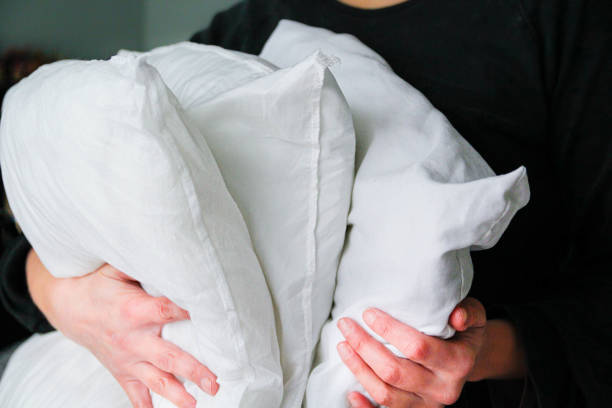
Pillows as Silent Confidants
A pillow’s role often extends to being a trusted confidant. In solitude, people hug their pillows, whispering secrets or expressing emotions they may not share with others. The comfort a pillow provides during moments of loneliness or despair cannot be overstated. It’s no surprise that pillows often become symbols of emotional solace.
Moreover, in some traditions, pillows are believed to have protective properties. Amulets or charms are sometimes placed beneath pillows to ward off negative energy or invite good dreams. This practice highlights the pillow’s association with both physical and spiritual well-being.
Creative Uses of Pillows
Human ingenuity has turned pillows into multipurpose tools. Students, for instance, are known to transform their textbooks into makeshift pillows during late-night study sessions. This playful yet practical use of pillows exemplifies their adaptability.
Pillows also feature prominently in romantic expressions. Many poets and lovers have drawn inspiration from the act of clutching a pillow while longing for their beloved. The intimate relationship between humans and their pillows reflects a deep-seated need for comfort and connection.
Read the book "Fargh-ul-Baal" by Dr. Abid Moiz.
A Lifelong Dependency
The dependency on pillows begins early in life and extends even to death. In many cultures, the headrest of a grave is referred to as a “pillow,” symbolizing eternal rest. This connection emphasizes the pillow’s enduring presence throughout life’s journey.
Conclusion
The pillow is far more than a simple object; it is a symbol of comfort, creativity, and companionship. Its multifaceted nature makes it an integral part of human life and culture. From the practical to the poetic, the pillow’s role is unparalleled, and its significance continues to evolve with each passing generation. Truly, our lives rely heavily on the humble yet profound pillow.
You can also watch the same video on these social media platforms.
If you’d like to listen to this book in audio format, click the CONTACT button below to get in touch with the AwazeUrdu team to order the audiobook.