
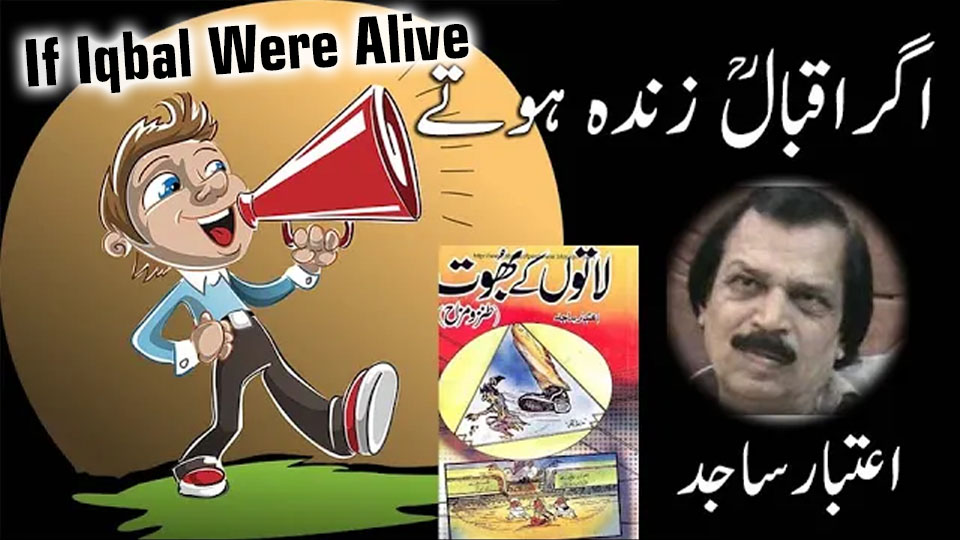
If Iqbal Were Alive, the question would not merely be historical or emotional; it would be deeply uncomfortable. Satire, in every language, exists not only to provoke laughter but to correct social behaviour. A true humorist exposes harsh realities in a way that feels gentle, yet leaves a lasting impact. In Urdu literature, this tradition of meaningful humour has always played a vital role in social reform.
Among the writers who mastered this art, Aitbar Sajid stands out. In one of his sharp satirical essays, he imagines a scenario that compels readers to examine their collective mindset: what if Allama Iqbal were alive today?
The Purpose of Satire Beyond Laughter
If Iqbal Were Alive, the humour surrounding him would not be harmless comedy. Satire works because it says what cannot be said directly. Harsh truths, when spoken plainly, often invite hostility. But when wrapped in humour, they enter hearts without resistance.
Aitbar Sajid uses this literary technique to highlight a painful irony: societies often celebrate great thinkers only after their deaths. While alive, those same individuals face neglect, misunderstanding, and institutional indifference.
Aitbar Sajid: Humour With Insight
Born in Multan in 1948, Aitbar Sajid emerged as a multifaceted literary figure—poet, prose writer, travelogue author, and humorist. His writing style is simple yet deeply reflective. He transforms everyday observations into powerful commentary, allowing readers to laugh while simultaneously prompting them to question themselves.
His collection “Laton Ke Bhoot” includes essays that critique social behaviour, intellectual hypocrisy, and cultural contradictions. These writings are entertaining on the surface but reformative at their core.
If Iqbal Were Alive in Today’s Literary Culture
If Iqbal Were Alive, Aitbar Sajid suggests, our behaviour toward him would not match our verbal admiration. We proudly claim to keep Iqbal alive through textbooks and slogans, yet we fail to respect living scholars and poets.
In literary gatherings, poets are often ignored, misunderstood, or treated as background noise. Even attentive audiences sometimes focus more on appearing intellectual than actually understanding poetry. Appreciation becomes performance rather than engagement.
Recognition After Death: A Cultural Tragedy
If Iqbal Were Alive, he would likely face the same fate as many contemporary poets—overlooked during life and celebrated after death. Only once a writer passes away does society assign researchers, critics, and conferences to validate their importance.
This delayed recognition exposes a deeper flaw: we value legacies more than living voices. Creativity is honoured only when it no longer challenges us.
Power, Connections, and Literary Politics
Aitbar Sajid sharply criticizes modern systems where talent alone no longer guarantees recognition. Influence, affiliations, and networks often outweigh merit. Since Iqbal stood against intellectual lobbying and promoted unity of thought, he would likely be sidelined in such an environment.
If Iqbal Were Alive, his philosophical independence might be seen as inconvenient rather than inspirational.
A Satirical Take on Titles and Misunderstanding
One of the most striking humorous moments is Sajid’s portrayal of the title “Hakeem-ul-Ummat.” In a modern context, people might visit Iqbal not for intellectual guidance, but for medical advice—confusing philosophical wisdom with physical treatment.
The joke cuts deep. It shows how society misunderstands depth, reducing ideas to labels while missing their essence.
Youth, Education, and Superficial Awareness
If Iqbal Were Alive, younger generations might recognise his face but not his thoughts. Education systems often present him as a textbook figure rather than a living philosophy. Familiarity replaces understanding.
Even literary circles, Sajid notes, would invite Iqbal more for formal appearances than genuine dialogue—while Iqbal himself would likely avoid such hollow rituals.
A Painful Yet Necessary Conclusion
Aitbar Sajid concludes with a disturbing thought: perhaps it is better that Iqbal is not alive today. His presence would force society to confront its moral and intellectual emptiness. And instead of true reform, we would likely respond with superficial gestures.
If Iqbal Were Alive, the satire suggests, our embarrassment would outweigh our respect.
Why This Satire Still Matters
This essay is not an attack on Iqbal’s admirers but a mirror for society. It reminds us that honouring thinkers means practising their ideas—not just quoting them. Humour here becomes a powerful tool of accountability.
If Iqbal Were Alive, the laughter would sting—but it might finally awaken us.
If you’re interested in reading this book, click the link below for a free download.
https://drive.google.com/file/d/15XjMFkw_p1zZauxqu2nMJhQrP1OmgN1R/view?usp=sharing
If you’d like to listen to this book in audio format, click the CONTACT button below to get in touch with the AwazeUrdu team to order the audiobook.
You can also watch the same video on these social media platforms.
مزاح کسی بھی زبان میں ہو، اس کا اصل مقصد محض ہنسانا نہیں بلکہ اصلاح کرنا ہوتا ہے۔ ایک سچا مزاح نگار وہی ہے جو ہنستے ہنساتے ایسی بات کہہ جائے جو براہِ راست کہی جائے تو ناگوار گزرے یا اختلاف و فساد کا باعث بنے۔ یہی وجہ ہے کہ مزاح نگار زندگی کے ہر شعبے کو اپنا موضوع بناتے ہیں اور معاشرتی رویّوں، کمزوریوں اور تضادات کو نرم اور دلنشیں انداز میں پیش کرتے ہیں۔ اسی روایت میں اعتبار ساجد کا نام بھی نمایاں ہے، جنہوں نے اپنے ایک مضمون میں نہایت بلیغ طنز کے ساتھ یہ سوال اٹھایا کہ اگر بڑی شخصیات، خصوصاً علامہ اقبال آج کے دور میں زندہ ہوتیں تو ہم ان کے ساتھ کیا سلوک کرتے۔ یہ دراصل ہماری اجتماعی ذہنیت پر ایک گہرا طنز ہے، مگر اس خیال کو سمجھنے سے پہلے مصنف کے بارے میں جاننا ضروری ہے۔
اعتبار ساجد اردو ادب کے ایک ممتاز شاعر، نثر نگار اور مزاح نگار تھے، جنہوں نے ابتدا میں شاعری کے ذریعے شہرت حاصل کی اور پھر ایک ہمہ جہت ادیب کے طور پر اپنی پہچان مستحکم کی۔ وہ یکم جولائی 1948 کو ملتان میں پیدا ہوئے اور اپنی ادبی زندگی میں غزل، مضامین، سفرنامے اور افسانے تحریر کیے۔ ان کے ہاں سادہ مگر پراثر اسلوب، گہری انسانی بصیرت اور معاشرتی شعور نمایاں ہے، جس کے باعث ان کا کلام عام قاری اور سنجیدہ ادبی حلقوں دونوں میں یکساں مقبول رہا۔ ان کی تحریروں میں روزمرہ زندگی کے مشاہدات کو اس مہارت سے بیان کیا جاتا ہے کہ قاری بیک وقت لطف اندوز بھی ہوتا ہے اور غور و فکر پر بھی آمادہ ہوتا ہے۔
“لاتوں کے بھوت” اعتبار ساجد کی ایک اہم مزاحیہ نثری تصنیف ہے، جس میں سولہ مضامین شامل ہیں۔ ان مضامین میں مختلف سماجی حالات، کرداروں اور روزمرہ زندگی کے دلچسپ پہلوؤں کو طنز و مزاح کے پیرائے میں پیش کیا گیا ہے۔ یہ کتاب محض تفریح کا ذریعہ نہیں بلکہ اس کے پردے میں معاشرتی کمزوریوں، انسانی رویّوں اور ہمارے اجتماعی تضادات پر گہرا طنز بھی موجود ہے۔ مصنف اپنی سادہ اور دلکش زبان کے ذریعے معمولی واقعات کو بھی اس انداز سے بیان کرتے ہیں کہ وہ معنی خیز بن جاتے ہیں اور قاری کو سوچنے پر مجبور کر دیتے ہیں۔
اسی کتاب کا ایک مضمون آوازِ اردو نے اپنی ویڈیو میں پیش کیا، جس میں یہ تصور قائم کیا گیا ہے کہ اگر علامہ اقبال آج کے دور میں زندہ ہوتے تو ہماری قوم ان کے ساتھ کیسا برتاؤ کرتی۔ اعتبار ساجد ابتدا میں یہ تسلیم کرتے ہیں کہ ہم اقبال کو اپنے ذہنوں اور نصاب میں زندہ مانتے ہیں، مگر ساتھ ہی یہ شبہ بھی ظاہر کرتے ہیں کہ عملی طور پر ہم زندہ اہلِ علم اور شاعروں کی قدر نہیں کرتے، لہٰذا اقبال کے ساتھ بھی رویہ مختلف نہ ہوتا۔
وہ واضح کرتے ہیں کہ ہمارے ہاں شاعر کو اس کی زندگی میں پذیرائی نہیں ملتی۔ اگر وہ کسی مشاعرے میں شریک ہو تو سامعین یا تو اس کی بات سننے کے بجائے شور مچاتے ہیں، اور اگر سنجیدگی کا ماحول ہو تو اشعار کو سمجھے بغیر نوٹ کرنے لگتے ہیں۔ یوں اصل مقصد فہمِ شعر نہیں بلکہ علم دوستی کا دکھاوا رہ جاتا ہے۔ شاعر کے انتقال کے بعد ہی اس کی قدر کی جاتی ہے اور اس کے فن کو محققین کے حوالے کر دیا جاتا ہے۔
مزید برآں، وہ موجودہ دور کے نظام پر تنقید کرتے ہوئے کہتے ہیں کہ اب فن کی قدر اس کی خوبی کی بنیاد پر نہیں بلکہ تعلقات اور وابستگیوں کے تحت کی جاتی ہے۔ جو شاعر بااثر حلقوں سے وابستہ نہ ہو، وہ نظر انداز ہو جاتا ہے۔ چونکہ اقبال خود لابیوں کے خلاف تھے اور اتحادِ ملت کا درس دیتے تھے، اس لیے عین ممکن تھا کہ وہ بھی اس نظام میں نظر انداز کر دیے جاتے۔
اعتبار ساجد ایک طنزیہ منظر پیش کرتے ہیں کہ اگر اقبال کا نام کسی ادبی انعام کے لیے پیش ہوتا تو منصفین شاید انہیں پہچان ہی نہ پاتے اور انہیں ایک عام ڈاکٹر سمجھ بیٹھتے۔ کوئی ان کے سابقہ اعزازات کا حوالہ دے کر مزید انعام دینے سے گریز کرتا، اور یوں اصل بات رسمی کارروائیوں میں دب کر رہ جاتی۔
“حکیم الامت” کے لقب کو بھی وہ مزاحیہ انداز میں بیان کرتے ہیں کہ اگر اقبال آج ہوتے تو لوگ ان کے پاس فکری رہنمائی لینے کے بجائے جسمانی بیماریوں کا علاج کروانے آتے۔ کوئی مریض ان سے ہاضمے کی شکایت کرتا اور اقبال اسے اپنی کتاب پڑھنے کا مشورہ دیتے، مگر مریض اس بات کی گہرائی کو نہ سمجھ پاتا۔ اس طرح ان کے پیغام کی اصل روح پس منظر میں چلی جاتی۔
نئی نسل کے حوالے سے وہ بتاتے ہیں کہ بچے اقبال کو محض ایک کتابی شخصیت کے طور پر جانتے ہیں۔ اگر انہیں سامنے لایا جائے تو وہ پہچان تو لیتے، مگر ان کی پہچان بھی سطحی مشاہدے پر مبنی ہوتی، نہ کہ فکری ادراک پر۔ ادبی حلقوں میں بھی اقبال کو رسمی دعوتیں دی جاتیں، مگر وہ خود ایسی نمائشی سرگرمیوں سے گریز کرتے، جبکہ لوگ محض رسم پوری کرنے کے لیے انہیں شامل کرنے کی کوشش کرتے۔
آخرکار اعتبار ساجد موجودہ تعلیمی اور سماجی حالات کا جائزہ لے کر یہ نتیجہ اخذ کرتے ہیں کہ شاید بہتر ہی ہے کہ اقبال آج زندہ نہیں، کیونکہ اگر وہ ہوتے تو ہمیں اپنی حالت پر ان کے سامنے شدید ندامت کا سامنا کرنا پڑتا، اور ہم اس ندامت کو دور کرنے کے لیے بھی محض رسمی اور سطحی طریقے اختیار کرتے۔
اس پورے مضمون میں اعتبار ساجد نے مزاح کو محض تفریح کا ذریعہ نہیں بنایا بلکہ اسے اصلاحِ معاشرہ کا ایک مؤثر ہتھیار بنایا ہے۔ انہوں نے نہایت لطیف انداز میں یہ حقیقت واضح کی ہے کہ ہم بڑی شخصیات کا احترام تو کرتے ہیں، مگر ان کے افکار کو اپنی زندگی میں نافذ کرنے سے گریزاں رہتے ہیں۔ یوں یہ مضمون ہمارے رویّوں کا آئینہ بن کر ہمیں اپنی اصلاح کی دعوت دیتا ہے۔