
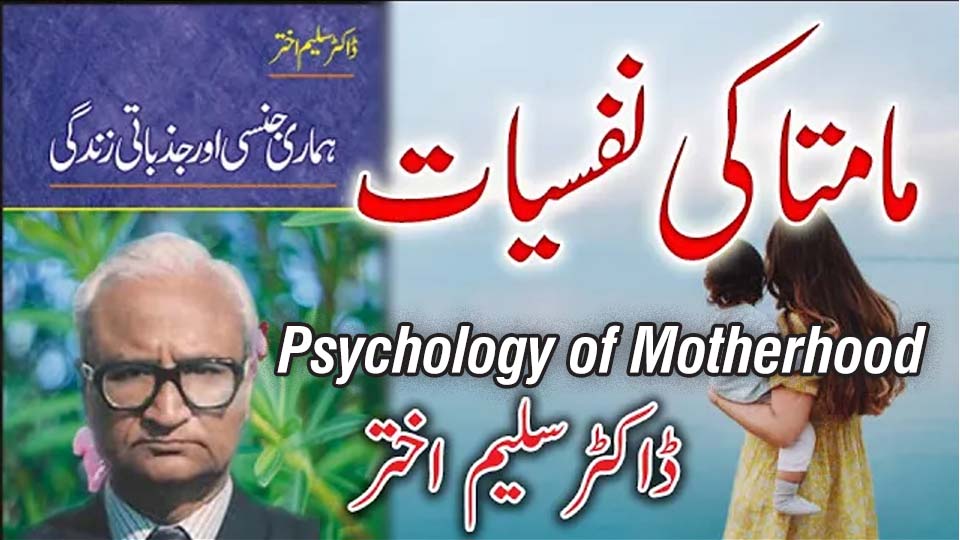
Psychology of Motherhood is one of the most profound subjects in human development, shaping not only individual lives but also entire societies. The love of a mother is often celebrated in literature, psychology, and culture, yet it carries both the joy of unconditional affection and the silent struggles of sacrifice. Without motherhood, the growth of a balanced personality remains incomplete. Dr. Saleem Akhtar, a renowned Urdu critic, fiction writer, and scholar, explained this theme with exceptional clarity in his essay Mamta ki Nafsiat (The Psychology of Motherhood). His insights reveal how a mother’s bond with her child becomes the foundation for emotional strength, social confidence, and personality development.
The Emotional Foundation of Motherhood
At the heart of the psychology of motherhood lies an extraordinary transformation. Upon becoming a mother, a woman experiences a new sense of completeness. Before marriage, her identity may feel incomplete, but the love of a spouse and the responsibility of family life instil confidence. The birth of a child takes this journey further, awakening a deep sense of creativity and fulfilment. This child becomes not just a responsibility but also a reflection of her dreams, desires, and very identity.
This emotional attachment often grows so strong that the mother is unwilling to share her love—even with the father. As Dr. Saleem Akhtar explains, she entrusts the role of discipline to the father, while keeping affection solely for herself. The child, as a result, develops a subconscious bond that ties him closer to the mother, feeling her love as inseparable from his own being.
Joyful Sacrifices of a Mother
Psychology of motherhood is incomplete without recognising sacrifice. A mother’s sleepless nights, tireless care, and endless patience are joyful sacrifices she embraces willingly. These sacrifices are not merely acts of duty; they are profound expressions of love. She invests her time, health, and emotions into the child’s growth without expecting anything in return.
Her sacrifices provide the foundation of emotional security, enabling children to grow into resilient and confident individuals. Yet, these very sacrifices often go unnoticed, as society tends to take maternal devotion for granted. This is one of the silent struggles embedded in the motherhood journey.
Silent Struggles Hidden Behind Affection
While motherhood is praised for its love, the psychology of motherhood also reveals silent struggles. Emotional fatigue, social seclusion, and relentless demands on patience burden mothers. Many women feel their identities are eclipsed by their maternal roles, relegating personal dreams to the background.
Dr. Saleem Akhtar pointed out that this overwhelming attachment, if left unchecked, can sometimes hinder a child’s independence. Excessive emotional bonding may restrict healthy growth, reflecting how the very strength of motherhood can also become its hidden challenge. Balancing love with freedom is one of the greatest struggles a mother silently endures.
Fatherhood and Balance in Parenting
Though the psychology of motherhood highlights the mother’s primary role, Dr. Saleem Akhtar emphasized that a child’s balanced upbringing requires both parents. If the mother provides affection, sacrifice, and emotional security, the father contributes protection, guidance, and discipline. It is the harmony of these two roles that shapes a well-rounded personality.
A child nurtured by both love and discipline grows with emotional depth, moral responsibility, and social awareness. The absence of either role risks creating an imbalance, underlining why parenthood must always be seen as a shared responsibility.
Dr. Saleem Akhtar’s Lasting Contribution
Dr. Saleem Akhtar (1934–2018) was not only a critic and fiction writer but also an influential scholar of psychology, linguistics, and Iqbal studies. His books, such as Nargis aur Cactus and Kadwe Badam, reflected his creative vision, while his research works offered deep psychological insights. In his book Hamari Jinsi aur Jazbati Zindagi, he explored issues of emotional and sexual health, highlighting challenges often ignored in society. By addressing motherhood, fatherhood, and family psychology, he created intellectual resources that remain valuable for individuals and communities alike.
Conclusion
The psychology of motherhood is a compelling blend of joyful sacrifices and quiet struggles. It reveals a mother’s boundless love, tireless patience, and often unseen sacrifices. Yet, it also draws attention to the invisible challenges mothers face—challenges that deserve recognition and support.
Dr. Saleem Akhtar’s insights emphasize that only when both motherhood and fatherhood work in harmony can a child’s personality flourish. The joy, love, and sacrifice of a mother, balanced with the guidance and discipline of a father, ensure not just the upbringing of a child but the nurturing of a future generation.
If you\’re interested in reading this book, click the link below for a free download.
https://drive.google.com/file/d/1usN_RP9KiNoEZrH-BA8i8Z1msuq09k-g/view?usp=sharing
If you\’d like to listen to this book in audio format, click the CONTACT button below to get in touch with the AwazeUrdu team to order the audiobook.
Contact Us:You can also watch the same video on these social media platforms.
Facebook Rumbleبچوں کی پرورش میں ماں اور باپ کے کردار الگ الگ مگر یکساں اہمیت کے حامل ہوتے ہیں۔ باپ عموماً تحفظ، کفالت اور رہنمائی کا فریضہ انجام دیتا ہے جبکہ ماں اپنی مامتا کے ذریعے وہ جذبہ فراہم کرتی ہے جو محبت، قربانی اور ایثار کا حسین امتزاج ہے۔ مامتا کی یہ نفسیات انسان کی زندگی پر ایسے گہرے اثرات ڈالتی ہے کہ اس کے بغیر شخصیت کا ارتقاء نامکمل رہتا ہے۔ ڈاکٹر سلیم اختر نے اپنے مضمون مامتاکی نفسیات میں اس پہلو کو نہایت باریک بینی سے واضح کیا ہے کہ ماں کس طرح بچے کو اپنی ذات کا حصہ سمجھتی ہے اور کس طرح اس کا یہ جذبہ بچے کی شخصیت کی تعمیر پر اثرانداز ہوتا ہے۔
ڈاکٹر سلیم اختر (۱۱ مارچ ۱۹۳۴ ‒ ۳۰ دسمبر ۲۰۱۸) اردو ادب کے ایک ممتاز نقاد، افسانہ نگار، ماہر لسانیات، معلم، محقق اور اقبالیات کے ماہر تھے۔ انہوں نے گورنمنٹ کالج لاہور سمیت مختلف جامعات میں تدریسی خدمات انجام دیں اور اردو ادب کے کئی گوشوں میں گراں قدر علمی کام کیا۔ افسانوی ادب میں بھی ان کی حیثیت مسلمہ تھی، ان کے افسانوی مجموعے نرگس اور کیکٹس، کڑوے بادام اور کاٹھ کی عورتیں ان کی تخلیقی صلاحیت کے مظاہر ہیں۔ اردو زبان و ادب کی ترویج میں نمایاں کردار ادا کرنے پر انہیں صدارتی اعزاز برائے حسن کارکردگی بھی عطا کیا گیا۔
ان کی کتاب ہماری جنسی اور جذباتی زندگی انسانی شخصیت کے اس اہم پہلو پر بحث کرتی ہے جسے ہمارے معاشروں میں عموماً نظرانداز کر دیا جاتا ہے۔ اس میں بتایا گیا ہے کہ جدید انسان ذہنی دباؤ، خوداعتمادی کی کمی اور تعلقات کی پیچیدگی کا شکار ہو کر اپنی جذباتی و جنسی زندگی میں مسائل پیدا کرتا ہے۔ ڈاکٹر سلیم اختر نے ان مسائل کو نفسیاتی، معاشرتی اور اخلاقی پہلوؤں کے ساتھ ساتھ اسلامی تعلیمات کی روشنی میں سمجھانے کی کوشش کی ہے تاکہ انسان اپنی زندگی کو متوازن اور خوشگوار بنا سکے۔ یہ کتاب انفرادی اور اجتماعی دونوں سطحوں پر رہنمائی فراہم کرتی ہے اور قاری کو اپنی شخصیت کو بہتر طور پر سمجھنے اور سنوارنے میں مدد دیتی ہے۔
اس کتاب کے ایک باب مامتاکی نفسیات کا درج ذیل اقتباس آوازِ اردو نے اپنی ویڈیو میں پڑھا ہے، جو اس جذبۂ مامتا کو نہایت جامعیت سے واضح کرتا ہے:
\”عورت جب ماں بن کر زندگی کی معراج اور نسائیت کے نقطہ عروج پر پہنچتی ہے تو اس کی فطرت میں ایک عجیب و غریب تغیر پیدا ہو جاتا ہے… شادی کے بعد جہاں بعض اہم جبلی تقاضوں کی تسکین کا سامان بہم پہنچتا ہے، وہاں اعصابی لحاظ سے بھی وہ اپنے آپ میں ایک خاص قسم کا احساس بالیدگی محسوس کرتی ہے۔ شادی سے پہلے ایک لڑکی کی حیثیت محض برائے نام ہوتی ہے لیکن شادی کے بعد شوہر کی محبت اور نئی ذمہ داریاں اسے خوداعتمادی عطا کرتی ہیں۔ بچہ پیدا ہونے پر اس میں تخلیقی احساس بیدار ہوتا ہے اور وہ محسوس کرتی ہے کہ اب وہ معاشرے کی تعمیر میں عملی کردار ادا کر رہی ہے۔ یہی وجہ ہے کہ بچے کے لیے اس کی محبت بے پناہ اور لازوال ہوتی ہے، کیونکہ یہ بچہ اس کے خوابوں اور تمناؤں کی تعبیر اور اس کی شخصیت کی جھلک ہوتا ہے۔ ماں کا پیار اس قدر شدید ہوتا ہے کہ وہ اس محبت میں کسی کو شریک نہیں کرنا چاہتی، حتیٰ کہ باپ کو بھی نہیں۔ یہی وجہ ہے کہ وہ بچے کے نظم و ضبط کے لیے باپ کو آگے لاتی ہے اور یوں بچے کے دل میں باپ کے لیے سختی اور ماں کے لیے محبت کا تصور ابھرتا ہے۔ اس طرح بچہ لاشعوری طور پر ماں سے زیادہ جڑ جاتا ہے اور اسے اپنی شخصیت کا حصہ سمجھنے لگتا ہے۔ اگرچہ یہ رجحان بعض اوقات صحت مند ارتقاء کے لیے نقصان دہ ہو سکتا ہے، لیکن اس حقیقت سے انکار ممکن نہیں کہ مامتا وہ جذبہ ہے جو عورت کی نسائیت، اس کی قربانی اور اس کی ذات کے عروج کا سب سے بڑا مظہر ہے۔\”
یوں ڈاکٹر سلیم اختر اس نتیجے پر پہنچتے ہیں کہ بچے کی متوازن پرورش کے لیے ماں کی مامتا اور باپ کی کفالت دونوں کا یکساں توازن ضروری ہے۔ اگر ماں بچے کو محبت اور قربانی عطا کرتی ہے تو باپ نظم و ضبط اور رہنمائی فراہم کرتا ہے۔ دونوں کرداروں کا امتزاج ہی ایک صحت مند اور متوازن شخصیت کی ضمانت بنتا ہے۔
