
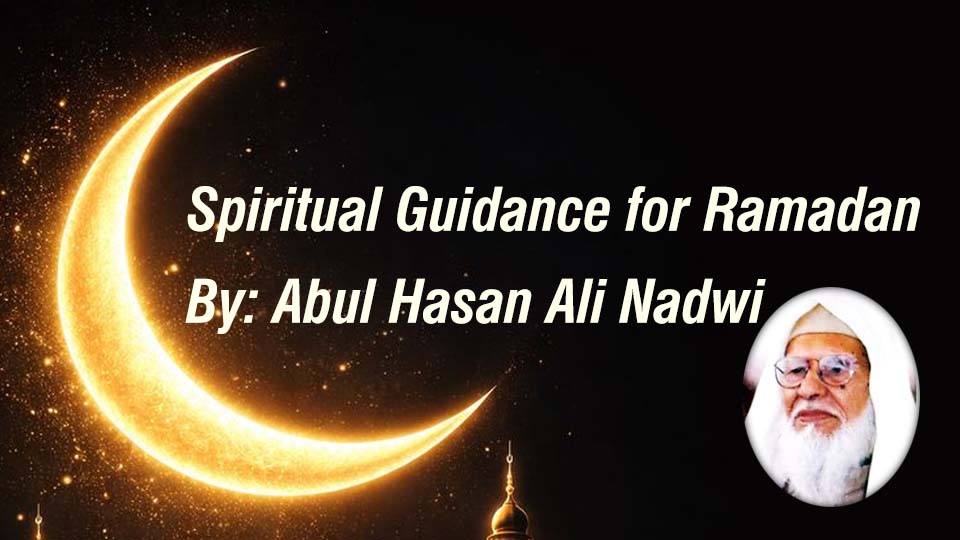
Spiritual Guidance is the true essence of Ramadan, a sacred month that Allah grants as a divine opportunity for mercy, forgiveness, and inner transformation. Ramadan is not merely about abstaining from food and drink; it is a comprehensive training of the soul, a revival of faith, and a roadmap for living a conscious Islamic life throughout the year. When observed with awareness and sincerity, Ramadan becomes a source of lifelong spiritual strength rather than a passing ritual.
Allah’s mercy constantly seeks excuses to forgive His servants. Sometimes a single tear of repentance is accepted, and sometimes a small good deed becomes a means of immense reward. Among these divine gifts, Ramadan stands out as an unparalleled blessing for the Ummah of Prophet Muhammad ﷺ. Through proper Spiritual Guidance, this month can reshape habits, correct intentions, and realign a believer’s entire life with the pleasure of Allah.
Ramadan as a Divine Opportunity, Not a Routine
The tragedy of many Muslims today is not bad intentions but the absence of intention. Acts of worship are performed, yet without consciousness, reflection, or inner connection. True Spiritual Guidance teaches that Ramadan is not an annual routine but a decisive moment of salvation. Missing this opportunity, despite witnessing Ramadan, is described in Hadith as a form of loss and deprivation.
This perspective is powerfully explained by Abul Hasan Ali Nadwi in his concise yet profoundly impactful booklet, \”How to Spend Ramadan.\” His message is clear: Ramadan demands awareness, accountability, and purposeful action.
Spiritual Guidance and the Month of Forgiveness
One of the core themes of Ramadan is Maghfirah (forgiveness). Fasting with Spiritual Guidance, faith, and self-accountability can wipe away previous sins and protect a believer from future moral decline. However, fasting without inner awareness becomes a hollow exercise of hunger and thirst.
Faith (Iman) and accountability (Ihtisab) mean performing every act with certainty in Allah’s promises and sincerity of intention. When Spiritual Guidance is present, worship softens the heart, cultivates humility, and draws the believer closer to Allah.
Signs of Accepted Worship
A powerful indicator of accepted worship is inner transformation. According to authentic spiritual wisdom, if worship produces arrogance, pride, or self-righteousness, it signals a flaw in intention. Genuine spiritual guidance leads to humility, a soft heart, and increased compassion for others.
Ramadan prayers, fasting, and recitation of the Qur’an should leave visible effects on behavior. Without moral refinement, acts of worship lose their purpose.
How Acts of Worship Strengthen Each Other
Islamic practices are deeply interconnected. Fasting does not stand alone; it strengthens prayer, enhances remembrance of Allah, and fuels consistency in worship beyond Ramadan. Through Spiritual Guidance, Ramadan becomes the engine that powers the remaining eleven months.
Just as one nourishment aids the digestion of another, one sincere act of worship reinforces the next. Ramadan is designed to revive the believer holistically.
The True Objective of Fasting: Taqwa
The Qur’anic declaration “so that you may attain Taqwa” defines the ultimate goal of fasting. Spiritual Guidance clarifies that Taqwa means constant awareness of Allah in every action, choice, and interaction.
Fasting trains believers to control desires, distinguish halal from haram, and resist sin even in private. When practised consciously, restraint becomes a permanent character trait rather than a temporary discipline.
Ethical Reform and Lasting Change
No Spiritual Guidance is complete without ethical reform. Backbiting, anger, abuse, and hostility contradict the spirit of fasting. A fast that does not correct behaviour offers no real benefit.
Ramadan demands visible improvement in character—patience, kindness, forgiveness, and emotional restraint. More importantly, these qualities must survive beyond the month itself.
Repentance, Supplication, and Nightly Worship
Ramadan is a season of returning to Allah. Neglecting Qur’an recitation, supplication, charity, and night prayers while merely fasting reflects a misunderstood Ramadan. Spiritual Guidance emphasises the power of late-night repentance, heartfelt duas, and renewed dependence on Allah.
These moments are gateways to divine mercy, especially in the final days of Ramadan.
Charity, Compassion, and Social Responsibility
True Spiritual Guidance transforms personal worship into social responsibility. Ramadan is the month of generosity, empathy, and selflessness. Helping the poor, widows, orphans, and the needy reflects the Prophetic model of compassion.
Wealth is a trust from Allah, and Ramadan teaches how to spend it wisely for collective upliftment.
Conclusion: A Month That Can Change a Lifetime
In essence, Ramadan is not meant to pass quietly. With Spiritual Guidance, it becomes a turning point—a shift from heedlessness to awareness, from routine to transformation. The real success of Ramadan lies in emerging as a better human being, a more conscious believer, and a servant closer to Allah.
When Ramadan reforms character, strengthens faith, and deepens compassion, it fulfils its divine purpose and becomes a source of lasting mercy.
If you\’re interested in reading this book, click the link below for a free download.
https://drive.google.com/file/d/1QgA9sdEeWjN1LtW9zoVLSikzUsOe99d5/view?usp=sharing
If you\’d like to listen to this book in audio format, click the CONTACT button below to get in touch with the AwazeUrdu team to order the audiobook.
Contact Us:You can also watch the same video on these social media platforms.
FacebookIf the Spiritual Guidance of Ramadan has prompted you to reflect more deeply on the condition of faith and the future of the Muslim Ummah, we invite you to explore another thought-provoking work by Abul Hasan Ali Nadwi titled Islamic Ideology Failure: A Lost Dream and Hope Reborn. This powerful book examines why Islamic ideals lost their transformative force in the modern world—and how that lost dream can be revived with renewed faith, clarity of purpose, and sincere action. Read the detailed article on this book to continue your journey from spiritual awareness to intellectual and civilizational renewal.
رمضان: رحمتِ الٰہی کا مہینہ اور امت کے لیے رہنمائی
اللہ تعالیٰ کی رحمت ایمان والوں کو نوازنے کے لیے بہانے تلاش کرتی ہے۔ کبھی توبہ کے ایک آنسو کو قبولیت بخش دی جاتی ہے اور کبھی کسی چھوٹے سے نیک عمل کو اجرِ عظیم کا ذریعہ بنا دیا جاتا ہے۔ انہی رحمتوں میں سے ایک عظیم تحفہ ماہِ رمضان ہے، جو اللہ تعالیٰ نے امتِ محمدیہؐ کو عطا فرمایا۔ اگر اس مہینے کی صحیح طور پر قدر کی جائے تو یہ پورا سال دین پر چلنے کی قوت اور آسانی پیدا کر دیتا ہے۔ رمضان محض بھوکا رہنے کا نام نہیں، بلکہ نفس کی تربیت، ایمان کی تجدید، تقویٰ کے حصول اور زندگی میں حقیقی تبدیلی کا مہینہ ہے۔
اسی مقصد کے تحت مفکرِ اسلام **مولانا ابوالحسن علی ندوی**ؒ نے ایک مختصر مگر جامع کتابچہ *“آپ رمضان کیسے گزاریں”* تحریر فرمایا، جس میں امت کو یہ بتایا کہ رمضان کو کس شعور، نیت اور عملی انداز کے ساتھ گزارنا چاہیے تاکہ یہ مہینہ واقعی مغفرت اور اصلاحِ نفس کا ذریعہ بن جائے۔
مولانا ابوالحسن علی ندویؒ برصغیر کے عظیم اسلامی مفکر، داعی اور مصلح تھے۔ انہیں عُرفِ عام میں علی میاں بھی کہاجاتاتھا۔ آپ علم و عمل، دعوت و تربیت اور تصنیف و تالیف کے میدان میں ایک ممتاز مقام رکھتے تھے۔ آپ کی تحریروں کا مرکزی موضوع امتِ مسلمہ کی اصلاح، ایمان کی تازگی اور دین کی اصل روح کی طرف واپسی ہے۔ سادگی، اخلاص اور دردِ امت آپ کی تحریروں کا خاص وصف ہے، اور یہی اوصاف اس کتابچے میں بھی نمایاں طور پر نظر آتے ہیں۔
مولانا علی میاںؒ کا یہ مختصر کتابچہ دوحصوں پرمشتمل ہے۔ پہلےحصے کاعنوان\”رمضان کیسے گزاریں\” جو آوازِاردو نے رمضان المبارک کی ابتدا ء میں ایک ویڈیومیں پڑھ کرسنایا اوراس مضمون میں اسی حصے کےبارے میں بتایاجارہاہے۔ اس حصے میں مولانا ندویؒ سب سے پہلے رسولِ اکرم ﷺ کی اس حدیث کو بنیاد بناتے ہیں جس میں رمضان پانے کے باوجود مغفرت سے محروم رہنے والے شخص کے لیے ہلاکت کی وعید آئی ہے۔ اس سے وہ یہ واضح کرتے ہیں کہ رمضان محض ایک معمولی یا رسمی مہینہ نہیں بلکہ نجات اور مغفرت کا سنہری موقع ہے۔
- رمضان: مغفرت کا مہینہ
مولاناؒ فرماتے ہیں کہ اگر بندہ ایمان اور احتساب کے ساتھ روزے رکھے تو ایک ہی رمضان اس کے پچھلے اور اگلے گناہوں کی معافی کے لیے کافی ہو سکتا ہے۔ ایمان و احتساب کا مطلب یہ ہے کہ ہر عمل اللہ کے وعدوں پر کامل یقین اور خالص نیت کے ساتھ کیا جائے۔ وہ اس نکتے پر زور دیتے ہیں کہ مسلمانوں کی اصل بیماری بد نیتی نہیں بلکہ *بے نیتی* ہے؛ یعنی عمل تو کیا جاتا ہے مگر نیت اور شعور کے بغیر۔
- اعمال کی مقبولیت کی علامت
مولاناؒ کے مطابق کسی عبادت کی قبولیت کی پہچان یہ ہے کہ اس سے دل میں نرمی، عاجزی اور انکسار پیدا ہو۔ اگر عبادت کے بعد غرور، تکبر اور خود پسندی پیدا ہو تو یہ اس بات کی علامت ہے کہ عبادت میں کہیں کمی رہ گئی ہے۔ اس لیے روزہ ہو یا کوئی اور عبادت، اس میں ایمان و احتساب کا استحضار ضروری ہے۔
- عبادات ایک دوسرے کو تقویت دیتی ہیں
مولاناؒ بتاتے ہیں کہ دین کے تمام ارکان آپس میں جڑے ہوئے ہیں۔ روزہ صرف ایک مستقل عمل نہیں بلکہ وہ باقی گیارہ مہینوں کی عبادات کے لیے طاقت اور ذوق پیدا کرتا ہے۔ جس طرح ایک غذا دوسری غذا کو ہضم کرنے میں مدد دیتی ہے، اسی طرح ایک عبادت دوسری عبادت کے لیے قوت کا ذریعہ بنتی ہے۔
- روزے کا اصل مقصد: تقویٰ اور نفس پر قابو
قرآنِ کریم کی آیت “لَعَلَّكُمْ تَتَّقُونَ” کی روشنی میں مولاناؒ واضح کرتے ہیں کہ روزے کا مقصد تقویٰ پیدا کرنا ہے، یعنی ہر کام میں اللہ کی مرضی کو پیشِ نظر رکھنا۔ روزہ انسان کو اس بات کی عملی مشق کراتا ہے کہ وہ حلال و حرام میں تمیز کرے اور گناہوں سے بچنے کی عادت اپنائے، یہاں تک کہ یہ پرہیز اس کی فطرت بن جائے۔
- اخلاقی اصلاح اور عملی تبدیلی
مولاناؒ نہایت زور دے کر فرماتے ہیں کہ اگر روزہ رکھنے کے باوجود غیبت، گالی، غصہ، بغض اور بد اخلاقی نہ چھوٹے تو ایسے روزے کا کوئی فائدہ نہیں۔ روزے کا تقاضا یہ ہے کہ انسان کے اخلاق میں واضح تبدیلی آئے، اور اس تبدیلی کا اثر رمضان کے بعد بھی باقی رہے۔
- توبہ، دعا اور عبادت کا اہتمام
رمضان کا ایک بڑا مقصد اللہ کی طرف زیادہ سے زیادہ رجوع ہے۔ مولاناؒ اس بات پر افسوس ظاہر کرتے ہیں کہ اگر کوئی شخص نہ تلاوت کرے، نہ دعا، نہ تراویح، نہ صدقہ—اور صرف بھوکا رہ لے—تو اس نے رمضان کا حق ادا نہیں کیا۔ خاص طور پر آخری پہر کی دعا اور توبہ کی بڑی فضیلت بیان کی گئی ہے۔
- **خیرات، صدقات اور ہمدردی**
مولاناؒ رمضان کو نیکی، غم خواری اور ایثار کا مہینہ قرار دیتے ہیں۔ وہ یاد دلاتے ہیں کہ رسولِ اکرم ﷺ رمضان میں سب سے زیادہ سخی ہوتے تھے۔ اس لیے ضروری ہے کہ فقراء، مساکین، بیواؤں اور یتیموں کی مدد کی جائے، ان کی ضروریات کا خیال رکھا جائے اور اپنے مال کو اللہ کی امانت سمجھ کر درست جگہ خرچ کیا جائے۔
مولانا ابوالحسن علی ندویؒ کی یہ نصائح دراصل امت کے لیے ایک آئینہ ہیں۔ وہ ہمیں یہ سمجھاتے ہیں کہ رمضان ایک رسمی عبادت نہیں بلکہ زندگی بدل دینے والا مہینہ ہے۔ اگر روزہ ہمیں تقویٰ، اخلاقی اصلاح، عبادت کا ذوق، ہمدردی اور اللہ سے مضبوط تعلق عطا کر دے تو یہی رمضان کی کامیابی ہے۔
اختصار کے ساتھ کہا جائے تو مولاناؒ کا پیغام یہ ہے کہ رمضان کو شعور، نیت، اخلاص اور عملی تبدیلی کے ساتھ گزارا جائے، تاکہ یہ مہینہ صرف گزر نہ جائے بلکہ ہماری پوری زندگی کا رخ درست کر دے، اور ہم واقعی اللہ کی رحمت اور مغفرت کے مستحق بن سکیں۔
