
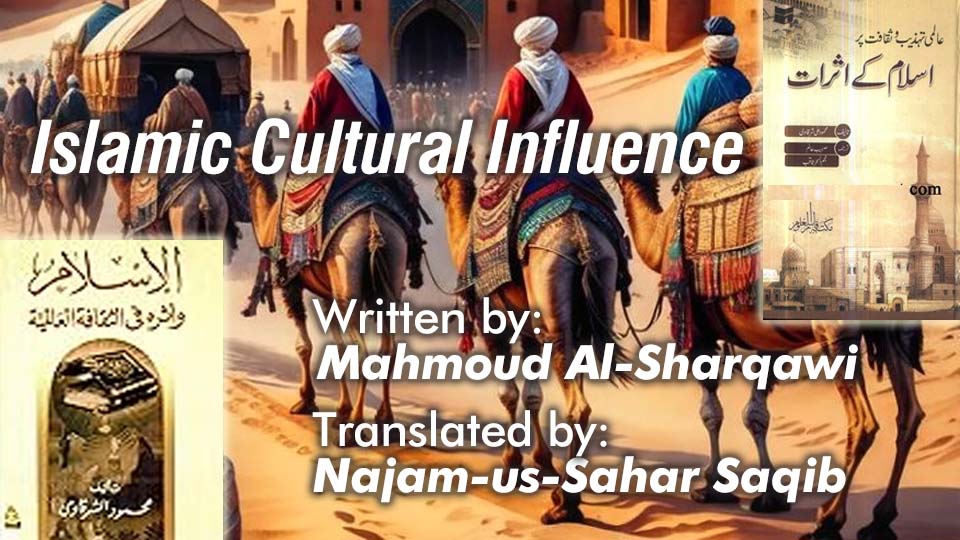
Islamic Cultural Influence is one of the most powerful yet often misunderstood forces in world history. When viewed through a historical lens, the rise of Islamic culture appears not as a sudden political phenomenon, but as a natural evolution of civilisation rooted in profound spiritual, moral, and intellectual transformation. This influence reshaped societies, preserved human knowledge, and made a decisive contribution to the formation of global civilisation.
From Spiritual Awakening to Civilizational Force
In its earliest phase, Islam emerged as a moral and spiritual movement aimed at reforming the inner life of human beings. It emphasised ethical conduct, intellectual responsibility, and accountability before God. This spiritual foundation became the backbone of Islamic Cultural Influence, enabling it to expand beyond personal faith into social organization, education, and governance.
As Islamic teachings spread, they cultivated an environment where learning was considered an act of worship. Knowledge, inquiry, and reflection were encouraged, laying the groundwork for a civilization that valued both reason and revelation.
Knowledge as the Core of Islamic Culture
One of the most enduring aspects of Islamic Cultural Influence was its commitment to knowledge preservation and advancement. Rather than erasing earlier civilisations, Muslims absorbed and refined the intellectual legacies of Greek, Roman, Persian, and Indian traditions. Philosophy, medicine, mathematics, astronomy, and literature flourished under Islamic patronage.
This scholarly openness transformed Islamic lands into global centers of learning. Libraries, translation movements, and academies became symbols of a culture that believed wisdom should be embraced regardless of its origin.
A Civilisation that Shaped the World
The impact of Islamic culture did not remain confined to the Muslim world. Through Spain, Sicily, and scholarly exchanges, Islamic knowledge entered Europe and helped ignite the Renaissance. Many Western historians acknowledge that Europe’s scientific and intellectual revival was facilitated by centuries of Muslim scholarship.
The idea that civilisation progresses through shared knowledge stands at the heart of Islamic Cultural Influence, making it a bridge between ancient wisdom and modern thought.
Ethical and Spiritual Foundations of Progress
According to Egyptian thinker Mahmoud Al-Sharqawi, whose influential book Al-Islam wa Atharuhu fi al-Thaqafa al-Alamiya explores Islam’s global cultural role, the true strength of Islamic civilisation lies in its moral and spiritual values. As long as Muslims remained committed to justice, humility, and intellectual openness, they led the world in knowledge and culture.
Another important dimension of this scholarly work is its accessibility to non-Arabic readers. The Urdu translation of Al-Islam wa Atharuhu fi al-Thaqafa al-Alamiya has played a crucial role in extending its intellectual reach in South Asia. This translation, rendered with clarity and scholarly care by Sohaib Alam and Najam-us-Sahar Saqib, enables Urdu-speaking audiences to engage deeply with Mahmoud Al-Sharqawi’s ideas on Islamic civilisation, ethics, and global cultural development. Through their efforts, the core arguments of the book have entered contemporary cultural discourse beyond the Arabic-speaking world. Decline and Lessons from History
The tragic decline of Islamic leadership was not sudden. It occurred gradually as rigidity replaced curiosity and ethical decay undermined social cohesion. Islamic Cultural Influence diminished when Muslims distanced themselves from the very principles that once empowered them: intellectual freedom, moral discipline, and collective responsibility.
This historical reality serves as a reminder that civilizations rise not through power alone, but through values sustained over time.
Modern World and the Need for Balance
Today’s global civilisation has achieved remarkable material progress, yet it struggles with moral uncertainty and spiritual emptiness. Technology advances rapidly, but ethical wisdom often lags behind. Several modern thinkers warn that a civilization lacking moral balance risks self-destruction.
Here, the legacy of Islamic Cultural Influence offers a meaningful alternative—one that harmonizes spirituality with reason, material progress with ethical restraint.
A Hopeful Path Forward
The message emerging from history is not one of nostalgia, but of possibility. If Muslims reconnect with their intellectual openness, ethical values, and spiritual depth, they can once again contribute positively to global civilization. Such a revival would not only restore dignity to Muslim societies but also offer humanity a more balanced and compassionate cultural model.
Islamic Cultural Influence, when understood and revived in its true spirit, remains a living force—capable of guiding the world toward a more humane and meaningful future.
If you\’re interested in reading this book, click the link below for a free download.
https://drive.google.com/file/d/1_pFe8UOWyPyYXyix1IZwsBBByQiqyEHk/view?usp=sharing
If you\’d like to listen to this book in audio format, click the CONTACT button below to get in touch with the AwazeUrdu team to order the audiobook.
Contact Us:You can also watch the same video on these social media platforms.
Rumble Facebookاسلامی تہذیب کی تاریخ پر نظر ڈالی جائے تو اس کے ارتقائی مراحل ایک فطری تسلسل کے ساتھ سامنے آتے ہیں۔ ابتدا میں یہ ایک خالص روحانی و اخلاقی تحریک کے طور پر ظاہر ہوئی، جس نے انسان کے باطن کو بدلا اور اس کی فکر کو نئی جہت دی۔ پھر یہی تحریک علمی، معاشرتی اور تہذیبی میدانوں میں پھیلتی چلی گئی، یہاں تک کہ چند صدیوں میں ایک ایسی ہمہ گیر تہذیب وجود میں آگئی جس نے دنیا کے بڑے حصے کو اپنے اثر میں لے لیا۔ اسلامی ثقافت نے نہ صرف مختلف علوم و فنون کو فروغ دیا بلکہ سابقہ تہذیبوں کے علمی ورثے کو محفوظ کرکے اسے ایک نئی زندگی عطا کی، اور یوں عالمی ثقافت کی تشکیل میں ایک بنیادی کردار ادا کیا۔ اسی حقیقت کو محمود الشرقاوی نے اپنی معروف کتاب **الإسلام وأثره في الثقافة العالمية** میں نہایت جامع انداز میں بیان کیا ہے۔ محمود الشرقاوی (محمود علی الشرقاوی) ایک مصری مصنف اور مفکر تھے جنہوں نے ابتدا میں سماجی اور سیاسی موضوعات پر قلم اٹھایا، مگر بعد میں ان کی توجہ اسلامی فکر، تاریخ اور تہذیب کی طرف مرکوز ہوگئی۔ وہ ایک کثیر التصانیف ادیب تھے اور ان کی تصانیف کی تعداد ستر سے زائد بتائی جاتی ہے، جن میں مختلف موضوعات—خصوصاً اسلامی تہذیب، تاریخ اور معاصر مسائل—شامل ہیں۔ ان کی نمایاں کتب میں \”الإسلام وأثره في الثقافة العالمية\”، \”التفسير الديني للتاريخ\”، \”أورشليم قاتلة الأنبياء\” اور \”أهل البيت\” شامل ہیں، جو ان کے فکری تنوع کو ظاہر کرتی ہیں۔ تاہم ان کی زندگی کے تفصیلی حالات، جیسے پیدائش، وفات اور تعلیمی پس منظر، زیادہ واضح طور پر محفوظ نہیں، جس کی وجہ سے ان کا تعارف زیادہ تر ان کی تحریروں اور علمی خدمات کے ذریعے ہی سامنے آتا ہے۔ محمود الشرقاوی کی کتاب **\”الإسلام وأثره في الثقافة العالمية\”** دراصل اس حقیقت کو اجاگر کرتی ہے کہ اسلام نے صرف ایک مذہب کے طور پر نہیں بلکہ ایک ہمہ گیر تہذیبی قوت کے طور پر عالمی ثقافت کی تشکیل میں بنیادی کردار ادا کیا۔ مصنف کے مطابق اسلامی تعلیمات نے علم، تحقیق اور فکری آزادی کو فروغ دیا، جس کے نتیجے میں مسلمانوں نے طب، فلسفہ، ریاضی اور دیگر علوم میں نمایاں ترقی کی اور یہ علمی سرمایہ بعد میں یورپ تک منتقل ہوکر وہاں کی نشاۃِ ثانیہ کا سبب بنا۔ کتاب اس بات پر بھی زور دیتی ہے کہ اسلامی تہذیب کی اصل طاقت اس کی روحانی و اخلاقی بنیادیں تھیں، اور جب مسلمان ان اصولوں سے وابستہ رہے تو دنیا میں علمی و ثقافتی قیادت ان کے ہاتھ میں رہی، جبکہ انحطاط کا سبب انہی اصولوں سے دوری قرار دیا گیا ہے۔ اس کتاب کا اردو ترجمہ \”عالمی تہذیب و ثقافت پر اسلام کے اثرات\” کے نام سے جناب صہیب عالم اور نجم لسحر ثاقب نے کیا اور اسے مکتبہ قاسم العلوم نے شائع کیا۔ اسی ترجمے کے آخری باب \”ثقافتِ اسلامی، ماضی و مستقبل میں\” سے آوازِاردو نے ایک اقتباس اپنی ویڈیو میں پیش کیا، جس میں مصنف کا اصل مدعا نہایت واضح انداز میں سامنے آتا ہے۔ وہ بتاتے ہیں کہ اسلامی تہذیب کا ظہور محض فتوحات یا سیاسی غلبے کا نتیجہ نہیں تھا، بلکہ یہ ایک گہری فکری اور روحانی تبدیلی کا ثمر تھا، جو اس وقت پیدا ہوئی جب اسلامی تعلیمات لوگوں کے دلوں میں پوری طرح رچ بس گئیں۔ اسی تبدیلی نے ایک ایسی علمی بیداری کو جنم دیا جس نے نہ صرف عرب معاشرے کو بدل ڈالا بلکہ بہت کم عرصے میں ایک ہمہ گیر عالمی ثقافت کی صورت اختیار کرلی، جس میں علم، تحقیق، فنون اور معاشرتی اصول سب شامل تھے۔ مصنف کے مطابق اسلامی تہذیب کی اصل قوت یہ تھی کہ اس نے سابقہ تہذیبوں کے علوم کو ختم کرنے کے بجائے انہیں اپنے اصولوں کے مطابق محفوظ کیا، سنوارا اور آگے بڑھایا۔ مسلمانوں نے یونانی، رومی، ایرانی اور دیگر تہذیبوں کے علمی ذخیرے کو جذب کرکے ایک نئی، متوازن اور زندہ تہذیب تشکیل دی۔ اسی لیے مغربی مفکرین بھی اس حقیقت کا اعتراف کرتے ہیں کہ یورپ میں سائنسی، ادبی اور فکری بیداری کا راستہ اسلامی دنیا کے ذریعے ہموار ہوا، اور کئی صدیوں تک مسلمان علم و تحقیق کے میدان میں رہنما رہے۔ وہ مزید واضح کرتے ہیں کہ مسلمانوں کی ترقی کا راز ان کی کشادہ ذہنی، جستجو اور اس اصول پر عمل میں تھا کہ جہاں سے بھی علم ملے، اسے قبول کیا جائے۔ ان کے اندر نہ جمود تھا نہ تعصب، بلکہ وہ ہر مفید چیز کو اپناتے اور اسے انسانی فلاح کے لیے بروئے کار لاتے تھے۔ یہی وجہ تھی کہ جب دنیا کے دیگر خطے جہالت کی تاریکی میں بھٹک رہے تھے، اس وقت اسلامی دنیا علم و حکمت کا مرکز بن چکی تھی، اور بعد میں یورپ نے بھی اسی سرچشمے سے فیض حاصل کیا۔ تاہم مصنف صرف ماضی کی عظمت بیان کرنے پر اکتفا نہیں کرتے، بلکہ ایک اہم حقیقت کی طرف متوجہ کرتے ہیں کہ جب مسلمانوں نے اپنی اصل اسلامی روح، اخلاقی اقدار اور عملی اصولوں سے دوری اختیار کی تو ان کا زوال شروع ہوگیا۔ اسلام بطور دین اپنی جگہ موجود رہا، مگر اس کی حقیقی روح زندگیوں سے نکل گئی، جس کے نتیجے میں اتحاد کمزور پڑا، قوت منتشر ہوئی اور پسماندگی نے جنم لیا۔ محمد اسد جیسے مفکرین نے بھی اسی صورت حال کی نشاندہی کی ہے کہ موجودہ مسلم معاشرہ اسلام کے اصل نمونے سے بہت دور ہوچکا ہے۔ آخر میں مصنف موجودہ عالمی صورتحال کا جائزہ لیتے ہوئے کہتے ہیں کہ آج کی عالمی ثقافت بڑی حد تک مادی ترقی پر مبنی ہوچکی ہے۔ علم اور ٹیکنالوجی نے بے پناہ ترقی کی، مگر اخلاقی اور روحانی قدریں کمزور پڑ گئیں، جس کے نتیجے میں انسان خود اپنی تخلیق کردہ قوتوں کے سامنے بے بس نظر آتا ہے۔ بعض بعض مغربی مفکرین بھی اس خطرے کی نشاندہی کرتے ہیں کہ اگر تہذیب میں روحانیت اور مادیت کا توازن قائم نہ رہا تو اس کا زوال ناگزیر ہے۔ اختتاماً مصنف کا پیغام نہایت واضح اور امید افزا ہے کہ اگر مسلمان دوبارہ اپنی اصل تعلیمات، اخلاقی اصولوں اور فکری وسعت کی طرف رجوع کریں، اپنی اجتماعی زندگی کو ان بنیادوں پر استوار کریں اور اپنے اسلاف کے نقشِ قدم پر چلیں، تو وہ نہ صرف اپنی کھوئی ہوئی عظمت کو دوبارہ حاصل کرسکتے ہیں بلکہ پوری انسانیت کو ایک متوازن، اخلاقی اور انسان دوست تہذیب کی طرف رہنمائی بھی فراہم کرسکتے ہیں۔
