
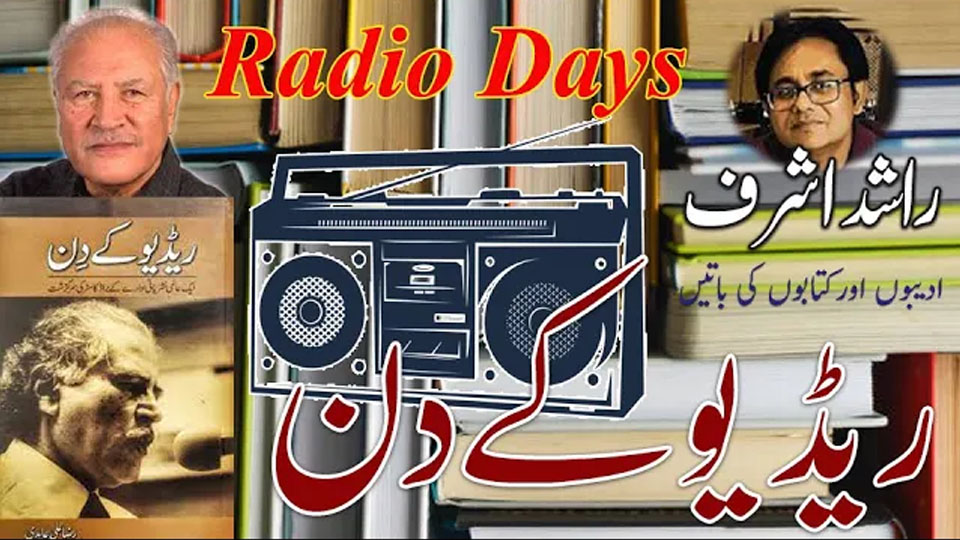
Raza Ali Abidi is a name that still echoes with warmth, nostalgia, and quiet intellectual power in the world of Urdu journalism and radio literature. Yet, despite his immense contribution, Raza Ali Abidi often remains under-discussed in contemporary literary discourse. His book Radio Days is not merely a memoir; it is a cultural document that preserves an entire era of radio, travel, memory, and humane storytelling. This blog explores Raza Ali Abidi through the perceptive lens of Rashid Ashraf’s writing, highlighting how literature can reconnect readers with books, voices, and forgotten intellectual traditions.
The Decline of Reading and the Need for Literary Bridges
One of the major reasons behind the declining interest in Urdu books is the reader’s weak connection with books themselves. Without proper introduction and emotional familiarity, reading feels like a burden rather than a pleasure. Many writers recognised this gap and attempted to bridge it by writing books about books and authors. Rashid Ashraf’s work belongs firmly to this tradition.
In such efforts, Raza Ali Abidi emerges not only as a subject but also as a symbol of how storytelling can revive reading habits. His life and work demonstrate how books can inform, entertain, and emotionally enrich readers simultaneously.
Rashid Ashraf and His Literary Sensibility
Rashid Ashraf was a respected figure in Urdu literature, known for his balanced combination of simplicity and depth. As a writer, editor, and researcher, he contributed meaningfully to literary criticism and cultural documentation. His approach was never limited to academic evaluation; instead, he focused on introducing writers and books in an engaging, reader-friendly manner.
His book Adibon Aur Kitabon Ki Baatain is a clear example of this vision. Within this book, his essay on Raza Ali Abidi stands out for its warmth, insight, and narrative continuity.
Raza Ali Abidi and His BBC Journey
Rashid Ashraf introduces Raza Ali Abidi as a distinctive journalist and broadcaster who devoted a significant portion of his life to BBC London. Beginning his journalistic career in Pakistani newspapers, Abidi joined the BBC in 1972 and served there until 1996.
During this time, Raza Ali Abidi created memorable programs such as Tees saal baad , Kutub Khana, Jarneli Sarak, Rail Kahani, Lafzon ka safar, and Sher Darya. These programs were not just broadcasts; they were journeys into history, geography, and human emotion. His famous Shaheen Club gained extraordinary popularity across Pakistan and India, making Raza Ali Abidi a trusted and beloved voice on the radio.
Radio Days: More Than a Memoir
In Radio Days, Raza Ali Abidi documents his BBC years in a narrative style that feels immersive and intimate. Rashid Ashraf rightly points out that this book is not a routine autobiography. Instead, it is a flowing narrative where memories, travels, and observations merge seamlessly.
While reading Radio Days, the reader feels like an active participant in Abidi’s journeys. Events described in programs such as Jarneli Sarak and Sher Darya reappear in literary form, creating thematic continuity and narrative depth. This technique strengthens the book\’s emotional impact and makes Raza Ali Abidi feel strikingly present.
When Storytelling Becomes Emotionally Shattering
Rashid Ashraf emphasises that Raza Ali Abidi is not merely a charming narrator; at times, his writing deeply unsettles the reader. A powerful example is the story of “Booto Bhai” (Syed Mohabbat Hussain Naqvi). The rural Sindhi setting, lively gatherings, and Booto Bhai’s vibrant personality initially create a joyful atmosphere.
However, the narrative suddenly shifts when the reader learns of Booto Bhai’s tragic murder. The emotional shock is intense and unforgettable. This moment reveals the true strength of Raza Ali Abidi—his ability to move from warmth to devastation without losing narrative control. Such moments elevate Radio Days from pleasant reading to profound literature.
Why Raza Ali Abidi Still Matters
Quoting Jameel Jalibi, Rashid Ashraf reminds us that some books merely pass the time, while others enrich the reader culturally and intellectually. Radio Days belongs to the latter category. Raza Ali Abidi offers more than nostalgia; he offers awareness, empathy, and historical consciousness.
In an age of shrinking attention spans, revisiting Raza Ali Abidi is not an act of nostalgia alone—it is an act of cultural recovery. His work functions as a bridge between reader and book, past and present, memory and meaning.
Conclusion: Reconnecting Readers with Books
Rashid Ashraf’s essay does more than introduce Raza Ali Abidi and his book; it revives the joy of reading itself. Such writings remind us that literature thrives when readers feel emotionally connected to authors and their journeys. Raza Ali Abidi, through Radio Days, continues to whisper stories that deserve to be heard, reread, and remembered.
If you\’re interested in reading this book, click the link below for a free download.
https://drive.google.com/file/d/12TjTI8bk0PIwP3pN4ovNdes6mxlqQ7CT/view?usp=sharing
If you\’d like to listen to this book in audio format, click the CONTACT button below to get in touch with the AwazeUrdu team to order the audiobook.
Contact Us:You can also watch the same video on these social media platforms.
Rumble Facebookہمارے معاشرے میں اردو کتابوں سے بڑھتی ہوئی بےرغبتی کی ایک بڑی وجہ یہ ہے کہ عام قاری خود کتابوں اور ان کی اہمیت سے پوری طرح واقف نہیں۔ جب تک کتاب سے تعارف اور اس کے ذوق کی آبیاری نہ ہو، مطالعہ محض ایک بوجھ محسوس ہوتا ہے۔ اسی کمی کو محسوس کرتے ہوئے کئی اہلِ قلم نے ایسی کتابیں تصنیف کیں جو خود کتابوں اور اہلِ قلم کے تعارف پر مبنی ہیں، تاکہ قاری کو کتابوں کی دنیا سے قریب کیا جا سکے۔ انہی کاوشوں میں ایک اہم نام راشد اشرف کی کتاب ادیبوں اور کتابوں کی باتیں ہے، جو اس مقصد کو بڑی خوبصورتی سے پورا کرتی ہے۔
راشد اشرف اردو ادب سے وابستہ ایک معروف نام ہیں، جنہوں نے بطور مصنف، مرتب اور محقق مختلف ادبی موضوعات پر کام کیا۔ ان کی تحریروں میں سادگی اور گہرائی کا ایسا حسین امتزاج پایا جاتا ہے جو قاری کو اپنی طرف کھینچ لیتا ہے۔ ان کی تصانیف میں شعری مجموعہ “کہتی ہے تجھ کو خلقِ خدا غائبانہ کیا” اور مرتبہ کتاب “ادب سے فلم تک” شامل ہیں، جن کے ذریعے انہوں نے ادب کے مختلف پہلوؤں کو اجاگر کیا۔ ان کی علمی و ادبی خدمات سے یہ اندازہ بخوبی لگایا جا سکتا ہے کہ وہ نہ صرف تخلیقی ادب بلکہ تحقیق و تدوین میں بھی دلچسپی رکھتے تھے اور اردو زبان کی ترویج میں اپنا کردار ادا کرتے رہے۔
ان کی کتاب “ادیبوں اور کتابوں کی باتیں” دراصل ایک معلوماتی اور دلچسپ مجموعہ ہے، جس میں مختلف ادیبوں اور ان کی کتابوں کا تعارف نہایت سادہ اور دلکش انداز میں پیش کیا گیا ہے۔ یہ محض تنقیدی مضامین کا مجموعہ نہیں بلکہ قاری کو کتابوں سے جوڑنے کی ایک سنجیدہ کوشش ہے، جہاں ہر کتاب اپنے پس منظر اور موضوع کے ساتھ ایک نئی فکری دنیا کا در کھولتی ہے۔ اس کتاب کا بنیادی مقصد مطالعے کا شوق پیدا کرنا اور قاری کو ادب کی وسعتوں سے روشناس کرانا ہے۔
اسی کتاب میں راشد اشرف نے رضا علی عابدی کی کتاب ریڈیو کے دن پر ایک مفصل اور دلنشیں مضمون تحریر کیا ہے، جسے آوازِ اردو نے اپنی ویڈیو میں پڑھ کر سنایا۔ اس مضمون میں وہ عابدی کو ایک صاحبِ اسلوب صحافی اور ادیب کے طور پر متعارف کراتے ہیں، جنہوں نے اپنی زندگی کا بڑا حصہ BBC لندن کے ساتھ وابستہ رہ کر گزارا۔ وہ بتاتے ہیں کہ عابدی نے اپنی صحافتی زندگی کا آغاز پاکستان میں اخبارات سے کیا اور 1972 میں بی بی سی سے وابستہ ہو کر 1996 تک وہاں خدمات انجام دیتے رہے۔ اس دوران انہوں نے “کتب خانہ”، “جرنیلی سڑک”، “ریل کہانی” اور “شیر دریا” جیسے پروگرام تخلیق کیے، جو اپنے منفرد اسلوب اور دلکش اندازِ بیان کے باعث بے حد مقبول ہوئے، جبکہ “شاہین کلب” نے تو ہند و پاک میں ایک خاص شہرت حاصل کر لی۔
راشد اشرف کے مطابق “ریڈیو کے دن” محض ایک سرگزشت نہیں بلکہ ایک ایسا بیانیہ ہے جس میں عابدی نے بی بی سی میں گزارے گئے اپنے ایام کو نہایت دلنشیں انداز میں محفوظ کیا ہے۔ یہ کتاب قاری کو اپنے سحر میں جکڑ لیتی ہے اور یوں محسوس ہوتا ہے جیسے وہ خود ان یادوں اور سفرناموں کا حصہ بن گیا ہو۔ اس میں بیان کیے گئے واقعات خصوصاً “جرنیلی سڑک” اور “شیر دریا” کے سفرناموں کا تسلسل دکھائی دیتے ہیں، اور بعض مقامات پر انہی پروگراموں کے حصے دوبارہ بیان کیے گئے ہیں، جس سے ایک تسلسل اور گہرائی پیدا ہوتی ہے۔
وہ اس کتاب کی اہمیت واضح کرتے ہوئے جمیل جالبی کے قول کا حوالہ دیتے ہیں کہ کچھ کتابیں محض وقت گزار دیتی ہیں، لیکن کچھ ایسی ہوتی ہیں جو انسان کو تہذیبی اور فکری طور پر مالا مال کر دیتی ہیں۔ “ریڈیو کے دن” بھی انہی کتابوں میں شامل ہے، جو قاری کو نہ صرف لطف دیتی ہے بلکہ اسے ایک گہرا احساس بھی عطا کرتی ہے۔ تاہم عابدی کا اسلوب صرف دلکشی تک محدود نہیں، بلکہ بعض مقامات پر وہ قاری کو اندر تک جھنجھوڑ دیتے ہیں۔
اس کی ایک نمایاں مثال “بوٹو بھائی” یعنی سید محبت حسین نقوی کا واقعہ ہے، جسے راشد اشرف نہایت جاندار انداز میں بیان کرتے ہیں۔ اس قصے میں سندھ کے دیہاتی ماحول، محفلوں اور بوٹو بھائی کی زندہ دل شخصیت اس طرح سامنے آتی ہے کہ قاری خود کو اس منظر کا حصہ محسوس کرنے لگتا ہے۔ وہ محفلیں، وہ اندازِ گفتگو اور لوگوں کا ردِعمل ایک جیتی جاگتی تصویر بن جاتا ہے۔ لیکن یہی خوشگوار فضا اچانک ایک المناک انجام سے دوچار ہوتی ہے، جب بعد میں معلوم ہوتا ہے کہ بوٹو بھائی کو قتل کر دیا گیا۔ اس واقعے کا بیان اس شدت کے ساتھ سامنے آتا ہے کہ قاری لرز اٹھتا ہے، اور یہی وہ مقام ہے جہاں عابدی کی تحریر اپنی پوری تاثیر کے ساتھ سامنے آتی ہے۔
اختتاماً یہ کہا جا سکتا ہے کہ راشد اشرف نے نہ صرف رضا علی عابدی اور ان کی کتاب کا تعارف پیش کیا ہے بلکہ اس کے ذریعے قاری کو ادب کے ایک ایسے ذائقے سے روشناس کرایا ہے، جو بیک وقت دلکش بھی ہے اور فکر انگیز بھی۔ ایسے مضامین دراصل قاری اور کتاب کے درمیان ایک مضبوط پل کا کام کرتے ہیں، اور یہی وہ ضرورت ہے جسے پورا کیے بغیر اردو ادب میں مطالعے کا شوق عام نہیں ہو سکتا۔
