
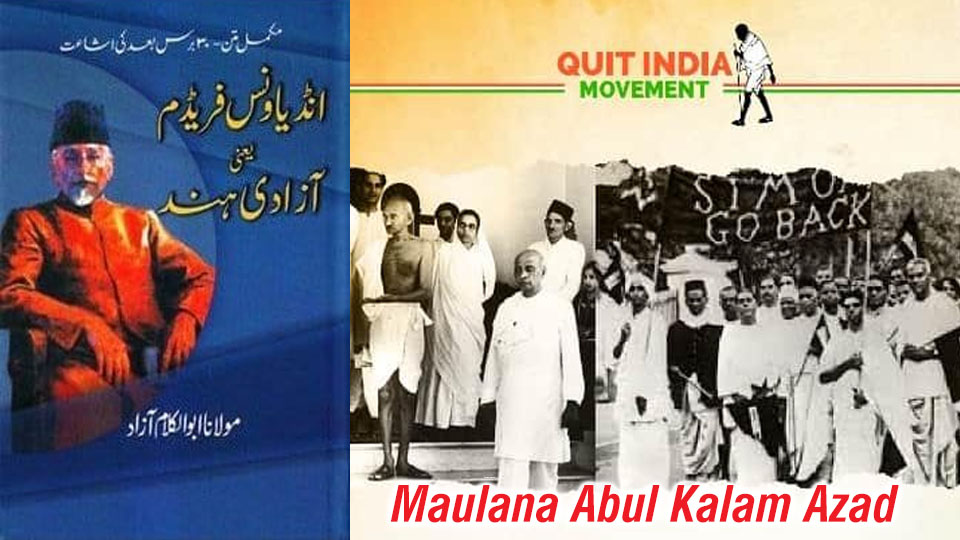
Quit India Movement was one of the most daring, emotionally charged, and historically decisive mass movements in the struggle against British colonial rule in the Indian subcontinent. Emerging at a time when global politics were destabilised by World War II, the Quit India Movement transformed political resistance into a nationwide act of defiance that permanently weakened British authority in India.
Historical Background of the Quit India Movement
The Quit India Movement did not arise in isolation. By the early 1940s, political awareness in India had reached a critical level. Both Hindu and Muslim leaders had actively participated in the freedom struggle, and dissatisfaction with British policies was widespread. The immediate trigger was Britain’s unilateral decision to involve India in World War II without consulting Indian leadership.
In this charged environment, the Indian National Congress took a historic step. In August 1942, under the leadership of Mahatma Gandhi, the Congress launched the Quit India Movement, demanding an immediate end to British rule and full self-governance for Indians.
“Do or Die”: A Nation Rises
On 8 August 1942, Gandhi delivered his iconic “Do or Die” speech, urging Indians to engage in a final, non-violent struggle against colonial power. The British response was swift and severe. Key leaders, including Jawaharlal Nehru and Maulana Abul Kalam Azad, were arrested overnight.
Despite the arrests, the Quit India Movement spread rapidly across the country. Strikes, protests, sabotage of communication lines, and public demonstrations erupted in cities and villages alike. Ordinary citizens—students, workers, and farmers—became the backbone of this resistance.
Maulana Abul Kalam Azad’s Perspective
A unique and intellectually honest account of the Quit India Movement is found in Maulana Abul Kalam Azad’s renowned autobiography, India Wins Freedom. Azad provides an insider’s view of Congress politics, leadership disagreements, and the emotional climate surrounding the movement.
Azad noted that when the Congress Working Committee’s resolution was published, it generated immense excitement across India. People did not analyse its political implications deeply; instead, they instinctively believed that the Congress was preparing to force the British to leave India once and for all. Very quickly, the resolution became popularly known as the “Quit India” call.
Public Expectations and Political Anxiety
According to Azad, public trust in Gandhi’s leadership was absolute. Many believed that Gandhi possessed an extraordinary moral force capable of compelling the British government to surrender power without prolonged conflict. Some even imagined that independence might be achieved without conventional political struggle.
However, Azad himself was more cautious. He feared that the emotional intensity of the Quit India Movement might lead to unpredictable consequences. His concerns were rooted in political realism, not a lack of commitment to freedom.
British Refusal and the Final Resolution
Before launching mass action, Congress leaders decided to wait for the British government’s response. There was still hope that negotiations might take place. However, when the Viceroy refused even to meet Congress representatives, it became clear that compromise was impossible.
Foreign journalists gathered in large numbers to observe unfolding events. Gandhi clarified in a press conference that any uprising would be rooted in disciplined non-violence. Despite this assurance, the British administration prepared for repression rather than reconciliation.
The Bombay Session and Historic Decision
In early August 1942, the All India Congress Committee convened in Bombay. In a powerful speech, Maulana Azad argued that silence was no longer an option. British hostility, combined with external wartime threats, made freedom an urgent necessity.
After two days of intense debate, the historic Quit India resolution was passed on 8 August 1942. Within hours, the leadership was imprisoned—but the movement had already escaped their control and entered the streets.
Why the Quit India Movement Changed History
Although the Quit India Movement did not immediately secure independence, it shattered the illusion of British invincibility. The scale of popular participation demonstrated that colonial governance was no longer sustainable. British authority survived temporarily, but its moral and political foundation was irreversibly damaged.
By 1947, independence became inevitable. In this sense, the Quit India Movement acted as the final catalyst, accelerating the collapse of colonial rule.
Enduring Legacy
Today, the Quit India Movement stands as a symbol of fearless resistance and collective courage. Maulana Abul Kalam Azad’s writings remain a vital historical source, offering clarity amid emotional narratives. His balanced assessment helps modern readers understand both the power and the risks of mass political defiance.
If you\’re interested in reading this book, click the link below for a free download.
https://drive.google.com/file/d/1tnenIX7ljIB6ZRwxJKSVa1yvIDTC63xL/view?usp=sharing
If you\’d like to listen to this book in audio format, click the CONTACT button below to get in touch with the AwazeUrdu team to order the audiobook.
Contact Us:You can also watch the same video on these social media platforms.
Rumble Facebookبرصغیر کی تحریکِ آزادی ایک طویل اور تاریخی جدوجہد کا نتیجہ تھی جس میں ہندو اور مسلمان دونوں نے برابر کی سطح پر حصہ لیا۔ یہ وہ دور تھا جب برطانوی استعمار کے خلاف سیاسی شعور بتدریج بیدار ہو رہا تھا اور مختلف جماعتیں، خصوصاً انڈین نیشنل کانگریس، آزادی کے لیے منظم کوششیں کر رہی تھیں۔ اسی پس منظر میں کانگریس نے 1942ء میں ’’ہندوستان چھوڑ دو تحریک‘‘ کا آغاز کیا جو برطانوی اقتدار کے خلاف ایک فیصلہ کن عوامی تحریک ثابت ہوئی۔ اس جدوجہد میں مولانا ابوالکلام آزاد جیسے رہنما بھی صفِ اول میں موجود تھے جنہوں نے نہ صرف سیاسی قیادت میں حصہ لیا بلکہ علمی و فکری میدان میں بھی گرانقدر خدمات انجام دیں۔ ان کی مشہورِ زمانہ خودنوشت ’’انڈیا ونس فریڈم‘‘ برصغیر کی سیاسی تاریخ کا ایک نہایت اہم ماخذ سمجھی جاتی ہے جس میں انہوں نے تحریکِ آزادی کے واقعات، قیادت کے اختلافات اور اس دور کی سیاسی کشمکش کو نہایت دیانتداری سے قلم بند کیا ہے۔
مولانا ابوالکلام آزاد برصغیر کے اُن عظیم رہنماؤں میں شمار ہوتے ہیں جنہوں نے علم، صحافت، سیاست اور دینی فکر کے میدان میں غیرمعمولی خدمات انجام دیں۔ ان کا اصل نام محی الدین احمد تھا اور وہ 11 نومبر 1888ء کو مکہ مکرمہ میں پیدا ہوئے۔ مولانا آزاد ایک بلند پایہ عالمِ دین، مفسرِ قرآن، بےمثال خطیب، صحافی اور ہندوستان کی تحریکِ آزادی کے اہم رہنما تھے۔ انہوں نے اپنے اخبارات ’’الہلال‘‘ اور ’’البلاغ‘‘ کے ذریعے مسلمانوں میں سیاسی شعور بیدار کیا اور برطانوی استعمار کے خلاف آواز بلند کی۔ آزادی کے بعد وہ ہندوستان کے پہلے وزیرِ تعلیم بنے اور تعلیمی اداروں کے قیام میں اہم کردار ادا کیا۔ ان کی مشہور کتاب ’’انڈیا ونس فریڈم‘‘ برصغیر کی سیاسی تاریخ کا اہم حوالہ سمجھی جاتی ہے۔
INDIA WINS FREEDOM
مولانا ابوالکلام آزاد کی ایک اہم تاریخی اور سیاسی خودنوشت ہے، جس میں برصغیر کی آزادی کی تحریک، تقسیمِ ہند اور اُس دور کی سیاسی کشمکش کو نہایت بےباکی سے بیان کیا گیا ہے۔ اس کتاب میں مولانا آزاد نے کانگریس کی قیادت، محمد علی جناح، گاندھی اور جواہر لعل نہرو جیسے رہنماؤں کے کردار پر اپنی آرا پیش کی ہیں اور یہ مؤقف اختیار کیا ہے کہ تقسیمِ ہند زیادہ تر سیاسی اختلافات اور قیادت کی غلط حکمتِ عملیوں کا نتیجہ تھی۔ یہ کتاب آزادی کی جدوجہد، مسلم سیاست، ہندو مسلم تعلقات اور برطانوی استعمار کے اثرات کو ایک عینی شاہد کی حیثیت سے پیش کرتی ہے، اسی لیے اسے برصغیر کی تاریخ سمجھنے کے لیے ایک بنیادی ماخذ تصور کیا جاتا ہے۔ اس کا اردو ترجمہ ہمایوں کبیر نے ’’آزادئِ ہند‘‘ کے نام سے مرتب کیا، اور اسی کتاب کے ایک باب ’’ہندوستان چھوڑ دو‘‘ کا کچھ حصہ آوازِ اردو نے اپنی ویڈیو میں پڑھ کر پیش کیا۔
جس باب کا مطالعہ کیا جائے تو واضح ہوتا ہے کہ
’’Quit India Movement‘‘
یعنی ’’ہندوستان چھوڑ دو تحریک‘‘ اگست 1942ء میں گاندھی جی کی قیادت میں کانگریس کی طرف سے شروع کی گئی ایک بڑی عوامی تحریک تھی۔ اس تحریک کا پس منظر دوسری جنگِ عظیم اور برطانوی حکومت کی جانب سے ہندوستانی قیادت کو اعتماد میں لیے بغیر جنگ میں شامل کرنے کے فیصلے سے جڑا ہوا تھا۔ کانگریس نے مطالبہ کیا کہ برطانوی حکومت فوری طور پر ہندوستان سے دستبردار ہو اور ہندوستانیوں کو اپنے مستقبل کا فیصلہ خود کرنے کا حق دیا جائے۔ 8 اگست 1942ء کو گاندھی جی نے ’’کرو یا مرو‘‘ کا تاریخی نعرہ دیا جس کے بعد گاندھی جی، جواہر لعل نہرو، مولانا ابوالکلام آزاد اور دیگر رہنماؤں کو گرفتار کرلیا گیا، تاہم تحریک پورے ملک میں پھیل گئی۔ عوامی سطح پر ہڑتالیں، مظاہرے اور احتجاجی کارروائیاں شروع ہو گئیں اور برطانوی حکومت نے سختی سے ان کو دبانے کی کوشش کی۔ اگرچہ یہ تحریک فوری طور پر آزادی حاصل نہ کرسکی، لیکن اس نے برطانوی اقتدار کی بنیادیں ہلا دیں اور آزادی کے قریب آنے میں اہم کردار ادا کیا۔
مولانا ابوالکلام آزاد اپنی کتاب میں اس تحریک کا پس منظر بیان کرتے ہوئے لکھتے ہیں کہ جب ورکنگ کمیٹی کی قرارداد شائع ہوئی تو پورے ملک میں غیرمعمولی جوش و خروش کی لہر دوڑ گئی۔ عوام نے اس کے سیاسی نتائج پر غور کیے بغیر یہ محسوس کیا کہ کانگریس اب انگریزوں کو ہندوستان چھوڑنے پر مجبور کرنے کے لیے ایک بڑی عوامی تحریک شروع کرنے جارہی ہے۔ ان کے مطابق عوام اور حکومت دونوں کے نزدیک یہ قرارداد جلد ہی ’’ہندوستان چھوڑ دو‘‘ کے نام سے مشہور ہوگئی۔ عوام کو گاندھی جی کی قیادت پر بےحد اعتماد تھا اور بہت سے لوگ یہ سمجھتے تھے کہ وہ کسی غیرمعمولی طریقے سے برطانوی حکومت کو جھکا دیں گے، حتیٰ کہ بعض افراد یہ بھی خیال کرتے تھے کہ شاید وہ بغیر کسی عام سیاسی جدوجہد کے آزادی حاصل کرلیں گے۔
قرارداد کے بعد فیصلہ کیا گیا کہ پہلے حکومت کے ردِعمل کا انتظار کیا جائے۔ اگر حکومت مذاکرات پر آمادہ ہوتی تو بات چیت کا راستہ کھلا رہتا، لیکن اگر مطالبہ رد کردیا جاتا تو تحریک شروع کی جاتی۔ مولانا آزاد کے مطابق انہیں ابتدا ہی سے یہ احساس تھا کہ حکومت دباؤ میں نہیں آئے گی۔ اسی دوران غیرملکی صحافیوں کی بڑی تعداد واردھا پہنچی تاکہ صورتِ حال کا مشاہدہ کرسکے۔ گاندھی جی نے ایک پریس کانفرنس میں واضح کیا کہ اگر تحریک شروع ہوئی تو وہ عدم تشدد پر مبنی ایک سخت عوامی بغاوت ہوگی، تاہم مولانا آزاد اس صورتحال سے مکمل طور پر مطمئن نہیں تھے اور انہیں تحریک کے نتائج کے بارے میں تشویش لاحق تھی۔
بعد ازاں وائسرائے سے ملاقات کی کوشش کی گئی مگر حکومت نے ملاقات سے انکار کردیا، جس سے یہ واضح ہوگیا کہ برطانوی حکومت کسی مفاہمت پر آمادہ نہیں۔ اس کے بعد آل انڈیا کانگریس کمیٹی کا اجلاس بلانے کا فیصلہ کیا گیا۔ مولانا آزاد مختلف صوبوں کے رہنماؤں سے مسلسل رابطے میں رہے اور یہ اندازہ لگاتے رہے کہ اگر حکومت سختی کرے تو عوامی سطح پر کس حد تک مزاحمت ممکن ہے۔ ان کے مطابق پورا ملک تحریک کے لیے ذہنی طور پر تیار تھا، اگرچہ انہیں صورتحال مکمل طور پر واضح نظر نہیں آتی تھی۔
آخرکار اگست 1942ء کے آغاز میں بمبئی میں کانگریس کا تاریخی اجلاس ہوا۔ مولانا آزاد نے اپنے خطاب میں اس بات پر زور دیا کہ ایسے نازک وقت میں قوم خاموش نہیں رہ سکتی، کیونکہ برطانوی حکومت نے تعاون کا راستہ بند کردیا تھا اور بیرونی خطرات کے پیشِ نظر آزادی ناگزیر ہوچکی تھی۔ دو روزہ بحث کے بعد 8 اگست 1942ء کو ’’ہندوستان چھوڑ دو‘‘ کی تاریخی قرارداد منظور کرلی گئی۔
اختتامیہ کے طور پر کہا جاسکتا ہے کہ یہ تحریک برصغیر کی آزادی کی جدوجہد کا ایک فیصلہ کن موڑ تھی جس نے نہ صرف عوامی شعور کو بیدار کیا بلکہ برطانوی حکومت کے زوال کو بھی تیز کردیا۔ مولانا ابوالکلام آزاد کی تحریریں اس دور کی حقیقتوں کو سمجھنے کے لیے ایک مستند تاریخی حوالہ فراہم کرتی ہیں اور ان کی کتاب ’’انڈیا ونس فریڈم‘‘ آج بھی اس عہد کی سیاسی بصیرت کا آئینہ دار سمجھی جاتی ہے۔
