
Female Characters in the short stories of Saadat Hasan Manto occupy a remarkable place in Urdu literature. Perhaps no other writer before him achieved the same distinction in portraying the complexities of women’s lives, and few writers who came after him could match his depth of understanding. Manto’s uniqueness, however, was not limited to his literary style, language, or realism. He distinguished himself by choosing subjects that many contemporary writers preferred to avoid. He explored the painful, controversial, and often disturbing aspects of human life with extraordinary courage. As a result, several of his literary works faced severe criticism, and he was repeatedly accused of writing obscenely. Yet, over time, his exceptional understanding of human psychology, sexuality, and social realities became increasingly evident.
A Comprehensive Book on Manto, Literature, Women and Sexuality
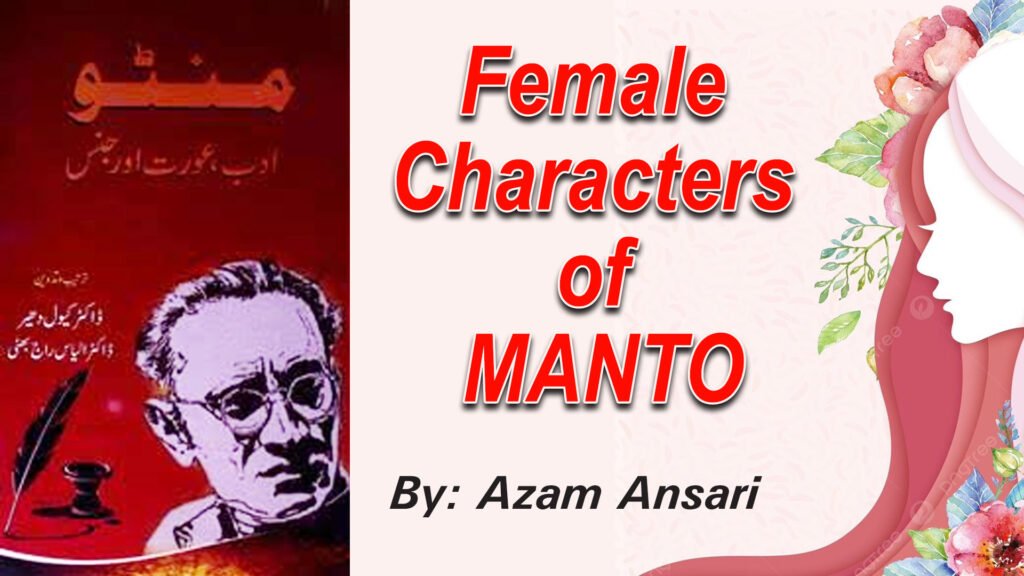
Numerous books, research papers, and critical essays have been published on Saadat Hasan Manto’s personality, literary achievements, and artistic contributions, even after his death. One important publication is Manto, Adab, Aurat aur Jins (Manto, Literature, Women and Sexuality), edited by Dr Kewal Dheer and Dr Ilyas Raj Bhatti.
Published in 2013 by Educational Publishing House, New Delhi, the book is 494 pages long. It is an extensive collection of critical and research-based essays examining different dimensions of Manto’s fiction, particularly his realism, social consciousness, and portrayal of women.
The book explores the various social, psychological, and human dimensions of women in Manto’s stories. It also examines the relationship between sexuality and human psychology, along with the allegations of obscenity frequently levelled against the writer. Its essays help readers understand the context in which Manto portrayed women and sexuality and appreciate the deeper significance of his literary art.
For readers interested in Urdu literature, particularly those wishing to understand Manto’s personality, literary contributions, and female characters, this book offers valuable insight.
Azam Ansari’s Critical Study of Manto’s Women
One essay in this book, written by Azam Ansari, examines Manto’s remarkable understanding of women’s personalities, psychological states, emotions, frustrations, and social problems. AwazeUrdu has also presented this essay in a video.
According to the writer, Manto possessed an extraordinary ability to understand women and portray their inner worlds. Although he was a male writer, he observed the women of his time with remarkable sensitivity. He understood their feelings, recognised their emotional struggles, and described different aspects of their lives with unusual honesty.
For Manto, a woman was never merely a fictional character or an instrument for fulfilling male desires. She was a complete human being with her own emotions, dreams, disappointments, and suffering.
Before examining the different female characters in Manto’s fiction, Azam Ansari considers it essential to understand certain important aspects of the writer’s life, as his personal experiences played a significant role in shaping his literary themes and characters.
Manto’s Rebellious Personality and Early Life
According to Azam Ansari, Manto’s life was full of struggles and contradictions, from his childhood until his final days. He consistently rejected conventional thinking and chose an independent path.
Dr Brij Premi observes that Manto did not receive the affection and care during childhood that could have contributed positively to his personality. After his father’s death, he experienced hostility from relatives who deprived him of his rights. These experiences left a deep psychological impact on him and made human relationships appear hollow and unreliable.
Manto’s early academic life was also troubled. After failing his F.A. examinations twice, he gradually lost interest in formal education and began spending time in the company of gamblers and drinkers in his neighbourhood.
At this stage, Bari Alig played an important role in developing his interest in reading. Manto acknowledged this contribution in his writings and on various occasions.
During his reading years, he became deeply interested in Russian and French literature. Among the Russian writers he studied were Maxim Gorky, Anton Chekhov, Alexander Pushkin, and Leo Tolstoy. His reading also included Victor Hugo, Oscar Wilde, Guy de Maupassant, and the ideas of Sigmund Freud.
These writers and thinkers left a lasting impression on his mind and strengthened his interest in human psychology and social realism.
Dr Khalid Ashraf, whose views are quoted by Azam Ansari, also considers Manto fundamentally non-conformist, rebellious, and unwilling to compromise with conventional social values. His unconventional friendships, early experiences, lack of interest in traditional education, and deliberate rejection of established domestic patterns all contributed to the formation of his distinctive personality.
Female Characters: Manto’s Unique Understanding of Women
Manto’s rebellious temperament was equally evident in his fiction. Although he was not a writer exclusively concerned with women’s issues, his stories contain numerous powerful portrayals of women’s lives and struggles.
In terms of social realism, some aspects of Manto’s writing resemble the work of Munshi Premchand, another prominent realist writer. Premchand also explored women’s problems and was influenced by writers such as Chekhov and Tolstoy.
Several Urdu writers addressed women’s issues in their fiction, but few achieved the psychological depth and sensitivity found in Manto’s portrayal of women. Ismat Chughtai is perhaps the writer who comes closest to him in this respect.
Manto created remarkable stories about women whose emotional experiences, social circumstances, love, deprivation, and psychological conflicts were portrayed with exceptional insight. His artistic strength becomes particularly evident when he writes about women whom society regards as disreputable or morally inferior.
Female Characters: Prostitutes Women Beyond Social Stigma
The prostitutes appearing in Manto’s stories were human beings first and foremost. They possessed hearts capable of love, sympathy, loyalty, and sacrifice. Manto did not judge these women merely by their professions. Instead, he attempted to understand the emotions, suffering, and personal circumstances hidden behind their socially condemned lives.
There was a time when courtesans’ establishments were considered centres of refined manners, social gatherings, and cultural education. Respectable families did not necessarily hesitate to send their children there. However, social attitudes gradually changed, and those same establishments became symbols of disgrace.
Manto’s interest in lovers, courtesans, and the complicated relationships surrounding them earned him considerable notoriety. He faced accusations of excessive sexual writing, immorality, and obscenity.
However, his purpose was not simply to describe sexual relationships. He wanted to expose a social contradiction: people who publicly condemned prostitutes were often themselves responsible for sustaining the very profession they claimed to despise.
In his fiction, a prostitute could appear not only as a woman engaged in commercial sex but also as a mother, daughter, sister, or wife. Her profession did not eliminate her capacity for affection, compassion, loyalty, or emotional attachment.
Manto expressed this contradiction quite openly. He questioned why society considered discussing prostitution obscene when the profession itself existed openly and was even legally recognised. If the existence of a particular profession was tolerated, why should discussing its realities be forbidden?
His argument was directed against society’s hypocrisy. People were willing to visit these establishments and benefit from the services offered there, yet they did not want to acknowledge the human beings associated with that world.
Female Characters in Manto’s Story License
One of Manto’s lesser-known but significant stories is License. Its central character, Niti, is an exceptionally beautiful woman whose husband earns a living by driving a horse-drawn carriage, commonly known as a tonga.
When her husband suddenly dies, Niti finds herself facing severe financial difficulties. Providing even two meals a day becomes a challenge.
Determined to survive through honest work, she decides to drive her husband’s horse-drawn carriage herself. She approaches the municipal authorities to obtain the necessary driving license, but her application is rejected simply because she is a woman.
Society refuses to provide her with a legitimate opportunity to earn her livelihood through hard work. With no alternative means of survival, Niti is eventually forced into prostitution.
The irony is striking. The authorities refuse to grant her a license to drive a horse-drawn carriage, yet her physical beauty becomes the means through which she can earn money in the same society.
Through this story, Manto exposes the social restrictions and double standards that can push a woman towards a profession that society itself later condemns.
Niti’s tragedy is not simply her poverty or her husband’s death. It is the failure of a society that denies her the right to earn an honest living.
Female Characters: Saugandhi’s Unfulfilled Desire for Love
Another remarkable example of Manto’s understanding of women’s psychology is his famous short story Saugandhi. Its central character is a prostitute who receives both regular and occasional visitors.
Despite her profession, Saugandhi has experienced genuine emotional attachments to certain men. Four photographs displayed in her room remind her of past relationships and the men who once occupied an important place in her life.
She is unable to become anyone’s permanent beloved or wife. The men who enter her life make promises of love, offer sweet words, and assure her of their sincerity, but eventually leave without fulfilling their commitments.
Saugandhi understands that many of these declarations are false. Nevertheless, whenever a man tells her that he loves her, she becomes emotionally overwhelmed. The simple expression of affection touches a part of her personality that remains deprived of genuine love.
Manto describes this psychological condition with extraordinary sensitivity. He portrays how the word love becomes almost irresistible to Saugandhi. She wishes to absorb its warmth completely, as though it could become a permanent part of her existence.
This portrayal reveals that Saugandhi is not merely a woman selling her body. She is a human being desperately seeking affection, emotional security, and acceptance.
She wants someone to love her sincerely, value her feelings, and recognise her as more than a temporary source of physical pleasure.
Female Characters: Compassion and Humanity
Another significant aspect of Saugandhi’s personality is her compassion and concern for others.
Despite the disappointments and emotional deprivation in her own life, she remains sensitive to the suffering of other people. When the husband of a Madrasi woman suddenly dies, Saugandhi comes forward to help her financially so that she can return to her homeland.
This incident reveals a side of her personality that society would rarely associate with a prostitute. She possesses kindness, generosity, and a willingness to help someone facing hardship.
Through such portrayals, Manto challenges the assumption that a woman’s profession determines her moral character or capacity for humanity.
His female characters often dream of becoming someone’s faithful wife, beloved, or life partner. They wish to experience an ordinary domestic life filled with love and mutual respect.
However, the men who become involved with them are frequently unwilling to give them that position. They fear social criticism, damage to their family reputation, and the possibility of public disgrace.
Consequently, despite their love and loyalty, these women remain trapped within the boundaries imposed upon them by society.
Female Characters and the Meaning of True Love.
The writer Balraj Menra expresses an interesting observation about the emotional world of prostitutes and their capacity for love.
According to his argument, a woman’s heart cannot simply be distributed among every man who visits her. A prostitute, despite having numerous customers, may still reserve her genuine emotional attachment for one particular man.
Her professional circumstances do not necessarily prevent her from experiencing exclusive love, loyalty, and emotional commitment.
This observation reinforces one of the central ideas running through Manto’s fiction: physical relationships and emotional relationships are not necessarily the same thing.
A woman may be involved with numerous men professionally while still longing for a sincere and lasting emotional connection with someone.
Manto’s Enduring Contribution to Urdu Literature
Although Azam Ansari’s essay continues beyond the portion presented in the AwazeUrdu video, the discussion in the recorded section clearly demonstrates Manto’s extraordinary understanding of women’s inner lives.
Through his female characters, particularly those belonging to socially marginalised groups, he exposes the contradictions of a society in which men establish relationships with these women but subsequently look down upon them with contempt.
Manto searched for humanity in women whom society had pushed towards the margins of respectable existence. He showed that regardless of a woman’s profession or social position, she possesses emotions, desires, dreams, and an inherent wish to live with dignity and respect.
This is precisely why Manto faced so much opposition during his lifetime. His writing forced readers to confront realities they preferred to ignore.
The literary value of a writer, however, cannot be judged merely by the subjects he chooses. What truly matters is the depth, honesty, and artistic skill with which those subjects are presented.
By this standard, Manto’s work continues to hold an exceptional position in Urdu literature.
His portrayal of women remains an extraordinary chapter in the history of Urdu short fiction. Even today, his stories compel readers to question social prejudices, gender discrimination, hypocrisy, and the unequal standards through which society judges men and women.
Perhaps this is the greatest distinction of a truly remarkable writer: his work does not remain confined to his own age but continues to serve as a mirror reflecting human behaviour and social realities for generations to come.
If you’re interested in reading this book, click the link below to download it for free.
If you’d like to listen to this book in audio format, click the CONTACT button below to contact the AwazeUrdu team and order the audiobook.
You can also watch the same video on these social media platforms.
اردو ادب، بالخصوص اردو افسانے کی تاریخ میں سعادت حسن منٹو کو جو مقام حاصل ہے، وہ ان سے پہلے شاید ہی کسی ادیب کو نصیب ہوا اور نہ ہی ان کے بعد کوئی افسانہ نگار اس مقام تک پہنچ سکا۔ تاہم منٹو کی یہ انفرادیت محض ان کے ادبی اسلوب، زبان و بیان یا حقیقت نگاری تک محدود نہیں، بلکہ اس کا ایک خاص حوالہ بھی ہے، جس نے انہیں اپنے ہم عصر اور بعد کے افسانہ نگاروں سے ممتاز کیا۔ انہوں نے زندگی کے بعض ایسے کٹیلے اور نوکیلے موضوعات کو اپنے افسانوں کا حصہ بنایا جن پر قلم اٹھانے سے عام طور پر ادیب گریز کرتے تھے۔ یہی وجہ ہے کہ ان کے بہت سے فن پارے شدید تنقید کا نشانہ بنے اور ان پر فحاشی نگاری کے الزامات بھی عائد کیے گئے۔ لیکن وقت گزرنے کے ساتھ یہ حقیقت زیادہ واضح ہوتی گئی کہ انسانی نفسیات، جنس اور معاشرتی زندگی کے ان پیچیدہ پہلوؤں پر منٹو جیسی گرفت کسی دوسرے افسانہ نگار کو حاصل نہ ہوسکی۔
سعادت حسن منٹو کی شخصیت، فن اور ادبی خدمات پر ان کی وفات کے بعد بھی متعدد کتابیں اور تحقیقی و تنقیدی مضامین شائع ہوتے رہے ہیں۔ انہی میں ایک اہم کتاب ’’منٹو، ادب، عورت اور جنس‘‘ ہے، جسے ڈاکٹر کیول دھیر اور ڈاکٹر الیاس راج بھٹی نے مرتب کیا ہے۔ یہ کتاب 2013ء میں ایجوکیشنل پبلشنگ ہاؤس، نئی دہلی سے شائع ہوئی اور 494 صفحات پر مشتمل ہے۔
یہ ایک جامع تنقیدی و تحقیقی تصنیف ہے، جس میں منٹو کے افسانوی اسلوب، ان کی حقیقت نگاری اور سماجی شعور کے مختلف پہلوؤں کا جائزہ لیا گیا ہے۔ بالخصوص منٹو کے افسانوں میں عورت کے مختلف سماجی، نفسیاتی اور انسانی روپ کو موضوعِ بحث بنایا گیا ہے۔ اس کے علاوہ جنس اور انسانی نفسیات کے باہمی تعلق، نیز منٹو پر عائد کیے جانے والے فحاشی کے الزامات کا بھی تنقیدی مطالعہ شامل ہے۔ کتاب کے مختلف مضامین اس بات کو سمجھنے میں مدد دیتے ہیں کہ منٹو نے اپنے افسانوں میں عورت اور جنس جیسے موضوعات کو کس تناظر میں پیش کیا اور ان کے فن کی اصل معنویت کیا ہے۔اردو ادب کے قارئین، بالخصوص منٹو کے فن و شخصیت اور ان کے افسانوں میں عورت کے کردار کو گہرائی سے سمجھنے کے خواہش مند افراد کے لیے یہ کتاب خاص اہمیت رکھتی ہے۔
اس کتاب میں شامل اعظم انصاری کے اس مضمون میں ،جسے آوازِاردو نے اپنی ایک ویڈیو میں پڑھ کرسنایاہے، بتایاگیا ہے کہ عورت کے مزاج، اس کی نفسیاتی کیفیات، جذبات، محرومیوں اور معاشرتی مسائل کو جس گہرائی سے منٹو نے سمجھا اور اپنے افسانوں میں پیش کیا، وہ ان کا ایک منفرد وصف ہے۔ ایک مرد ادیب ہوتے ہوئے انہوں نے اپنے عہد کی عورت کو جس باریک بینی سے دیکھا، اس کے احساسات کو جس طرح محسوس کیا اور اس کی زندگی کے مختلف روپ جس بے باکی سے بیان کیے، وہ اردو افسانے میں اپنی مثال آپ ہے۔ ان کے نزدیک عورت محض ایک کردار یا مرد کی خواہشات کا وسیلہ نہیں، بلکہ ایک مکمل انسان ہے، جس کے اپنے جذبات، خواب، محرومیاں اور دکھ ہیں۔
مضمون نگار کے مطابق منٹو کے افسانوں میں عورت کے مختلف روپ پر گفتگو کرنے سے پہلے ان کی زندگی کے چند اہم پہلوؤں کو سمجھنا ضروری ہے، کیونکہ یہی حالات ان کے افسانوی موضوعات اور کرداروں کی تشکیل کا سبب بنے۔
اعظم انصاری لکھتے ہیں کہ منٹو کی زندگی ابتدا سے انتہا تک نشیب و فراز سے عبارت رہی۔ بچپن سے لے کر زندگی کے آخری لمحات تک انہوں نے روایت پرستی سے انحراف کیا اور اپنے لیے ایک الگ راستہ اختیار کیا۔ ان کے بچپن کے حالات کا ذکر کرتے ہوئے ڈاکٹر برج پریمی لکھتے ہیں:
’’بچپن میں انہیں شفقت اور پیار نہیں ملا جو شخصیت کی تعمیر میں خوشگوار اثرات کا حامل ہوتا ہے۔ والد کی موت کے بعد عزیزوں اور قرابت داروں نے دشمنی برتی اور ان کے حقوق غصب کیے، جس کا نفسیاتی ردِعمل یہ ہوا کہ منٹو ذہنی الجھنوں کا شاہکار ہوئے اور انہیں انسانی رشتے کھوکھلے دکھائی پڑنے لگے۔‘‘
منٹو کی ابتدائی زندگی کے حالات نے ان کی شخصیت پر گہرے اثرات مرتب کیے۔ ایف اے میں دو مرتبہ ناکامی کے بعد ان کا دل پڑھائی سے اچاٹ ہوگیا اور وہ اپنے محلے کے جواریوں اور شرابیوں کی محفلوں میں وقت گزارنے لگے۔ ایسے میں باری علیگ صاحب وہ شخصیت تھے جنہوں نے منٹو کے اندر مطالعے کا شوق پیدا کیا۔ منٹو نے اپنی تحریروں اور مختلف مواقع پر ان کے اس احسان کا اعتراف بھی کیا ہے۔
مطالعے کے دوران منٹو نے روسی اور فرانسیسی ادب کا گہرا مطالعہ کیا۔ روسی ادیبوں میں میکسم گورکی، چیخوف، پشکن اور ٹالسٹائی، جب کہ فرانسیسی اور دیگر مغربی ادیبوں میں وکٹر ہیوگو، آسکر وائلڈ، موپاساں اور فرائڈ کے افکار و تحریریں ان کے مطالعے کا حصہ بنیں۔ ان ادیبوں اور مفکرین کے خیالات نے منٹو کے ذہن پر دیرپا اثرات مرتب کیے اور ان کی توجہ انسانی نفسیات اور سماجی حقیقت نگاری کی جانب مبذول ہوئی۔
منٹو کی شخصیت کے ان پہلوؤں کا جائزہ لیتے ہوئےوہ ڈاکٹر خالد اشرف کےحوالےسےلکھتےہیں۔:
’’منٹو کا بچپن اور جوانی دونوں خانگی دباؤ میں گزرے، لیکن اپنے ہم عصروں کے معاشرتی نظامِ اقدار کے لحاظ سے یہ دباؤ غیر معمولی یا بہت شخصیت کش نہیں تھا۔ اصل بات یہ تھی کہ منٹو کا مزاج ہی بنیادی طور پر غیر مفاہمت پسند، روایت شکن اور باغیانہ تھا۔ جوئے خانے کی بیٹھک، بدنام لوگوں کی سنگت، شراب نوشی کا اولین تجربہ، نظامِ تعلیم سے عدم دلچسپی، مذہبی اداروں سے لاتعلقی، باغیوں اور انقلابیوں کی شخصیت پرستی اور روایتی گھریلو سانچوں میں جذب نہ ہونے کی ارادی کوشش وغیرہ سعادت حسن منٹو کی شخصیت کے وہ عناصرِ ترکیبی تھے جو واضح طور پر نشان دہی کر رہے تھے کہ ہندوستانی ادبیات کے افق پر ایک نیا اور روایت شکن نام مقام بنانے کے لیے پر تول رہا ہے۔‘‘
منٹو کی یہی روایت شکن طبیعت ان کے افسانوں میں بھی نمایاں دکھائی دیتی ہے۔ وہ نسائی ادیب نہیں تھے، لیکن ان کے یہاں عورت کی زندگی سے جڑے مسائل کا بیان نہایت مؤثر اور کثرت سے ملتا ہے۔ منٹو کے افسانوں میں عورت کا جو روپ سامنے آتا ہے، وہ دوسرے بہت سے افسانہ نگاروں سے یکسر مختلف ہے۔
سماجی حقیقت نگاری کے اعتبار سے منٹو کی بعض خصوصیات پریم چند سے مماثلت رکھتی ہیں، کیونکہ پریم چند بھی حقیقت پسند افسانہ نگار تھے۔ پریم چند کے فن پر بھی چیخوف، ٹالسٹائی اور دیگر ادیبوں کے اثرات دیکھے جا سکتے ہیں۔ انہوں نے بھی عورتوں کے مختلف مسائل کو اپنے افسانوں میں جگہ دی۔ اس کے علاوہ اردو کے متعدد ادیبوں نے عورت کے مسائل پر افسانے تحریر کیے، لیکن عورت کی نفسیات اور اس کی زندگی کے مختلف پہلوؤں کی عکاسی میں وہ منٹو کے قریب نہ پہنچ سکے۔ اگر کسی افسانہ نگار کو کسی حد تک منٹو کے قریب محسوس کیا جا سکتا ہے تو وہ عصمت چغتائی ہیں۔
منٹو نے عورتوں کے بارے میں ایسے عمدہ افسانے تخلیق کیے جن کی مثال صرف اردو ہی نہیں، بلکہ ہندوستان کی دوسری زبانوں کے ادب میں بھی مشکل سے ملتی ہے۔ انہوں نے عورت کی زندگی کے مختلف پہلوؤں، اس کی جذباتی کیفیات، معاشرتی مجبوریوں، محبت، محرومی اور نفسیاتی کشمکش کو نہایت گہرائی سے پیش کیا۔ خصوصاً جب انہوں نے سماج کے اس طبقے کی عورتوں کو اپنے افسانوں کا موضوع بنایا جنہیں معاشرہ بدنام سمجھتا ہے، تو ان کا فن اپنی پوری بلندی پر نظر آتا ہے۔
یہ طوائفیں اور بدنامِ زمانہ سمجھی جانے والی عورتیں بھی آخر انسان ہی تھیں۔ ان کے سینوں میں بھی دل دھڑکتا تھا، ان کے اندر بھی محبت، ہمدردی، وفا اور قربانی کے جذبات موجود تھے۔ منٹو نے ان عورتوں کو محض ان کے پیشے کی بنیاد پر نہیں دیکھا، بلکہ ان کی زندگی کے پس پردہ چھپے انسانی دکھوں اور جذبات کو بھی سمجھنے کی کوشش کی۔
ایک زمانہ تھا جب طوائفوں کے کوٹھے کو شرفا کی محفلوں اور تہذیب و آداب سیکھنے کا مقام سمجھا جاتا تھا اور اپنے بچوں کو وہاں بھیجنے میں کوئی عار محسوس نہیں کی جاتی تھی۔ لیکن وقت کے ساتھ معاشرتی رویے تبدیل ہوئے اور وہی کوٹھے بدنامی کی علامت بن گئے۔
عاشقوں، معشوقوں اور طوائفوں کی زندگی سے منٹو کی دلچسپی نے انہیں اپنے عہد میں بدنام کیا۔ ان پر جنس نگاری، عیاشی اور فحش نگاری کے الزامات عائد کیے گئے، لیکن حقیقت یہ ہے کہ منٹو نے اس طبقے کو اپنے افسانوں کا موضوع اس لیے بنایا تاکہ معاشرے کے اس ناسور کو بے نقاب کیا جا سکے جس سے لوگ بظاہر نفرت کرتے تھے، لیکن اس کے وجود کو برقرار رکھنے میں خود بھی شریک تھے۔
منٹو کے افسانوں میں طوائف صرف ایک طوائف نہیں ہوتی، بلکہ کبھی ماں، کبھی بیٹی، کبھی بہن اور کبھی بیوی کے روپ میں بھی سامنے آتی ہے۔ اس کے اندر ایک درد مند عورت کا دل موجود ہوتا ہے جو کسی نہ کسی موقع پر اپنے جذبات، محبت اور ہمدردی کا اظہار کرتا ہے۔ منٹو نے اس حقیقت کو پوری بے باکی سے بیان کیا کہ کسی عورت کا پیشہ اس کے انسانی جذبات اور احساسات کو ختم نہیں کر دیتا۔
طوائف کے وجود اور اس کے ذکر کے حوالے سے منٹو نے اپنے خیالات کا اظہار کرتے ہوئے لکھا ہے:
’’ویشیا کے کوٹھے پر ہم نماز یا درود پڑھنے نہیں جاتے۔ وہاں ہم جس غرض سے جاتے ہیں، ظاہر ہے، وہاں ہم اس لیے جاتے ہیں کہ وہاں ہم جا سکتے ہیں۔ وہاں جا کر ہم اپنی مطلوبہ جنس بے روک ٹوک خرید سکتے ہیں۔ جب وہاں ہمیں جانے کی کھلی اجازت ہے، جب ہر عورت اپنی مرضی سے ویشیا بن سکتی ہے اور ایک لائسنس لے کر جسم فروشی کر سکتی ہے، جب یہ تجارت قانوناً تسلیم کی جاتی ہے تو اس کے متعلق ہم کیوں بات چیت نہیں کر سکتے؟ اگر ویشیا کا ذکر فحش ہے تو اس کا وجود بھی فحش ہے۔ اگر اس کا ذکر ممنوع ہے تو اس کا پیشہ بھی ممنوع ہونا چاہیے۔ ویشیا کو مٹائیے، اس کا وجود خود بخود مٹ جائے گا۔‘‘
اس اقتباس میں منٹو نے معاشرے کے دوہرے معیار کو بے نقاب کیا ہے۔ ان کا سوال یہ ہے کہ جب ایک پیشہ معاشرے میں موجود ہے، اس کی قانونی حیثیت تسلیم کی جاتی ہے اور لوگ اس سے فائدہ بھی اٹھاتے ہیں تو پھر اس کے بارے میں گفتگو کو فحش قرار دینے کا کیا جواز ہے؟ دراصل لوگ اس موضوع پر بات کرنے سے اس لیے گریز کرتے ہیں کہ کہیں ان کی اپنی بدنامی نہ ہو، حالانکہ اس پیشے کے وجود اور اس سے وابستہ مسائل پر بات کیے بغیر اس کی حقیقت کو سمجھنا ممکن نہیں۔
اس سلسلے میں منٹو کا ایک کم معروف مگر اہم افسانہ ’’لائسنس‘‘ ہے، جس کا مرکزی کردار نیتی نامی ایک نہایت حسین و خوبصورت عورت ہے۔ اس کا شوہر غریب تھا اور تانگہ چلا کر اپنے گھر کی روزمرہ ضروریات پوری کرتا تھا۔ اچانک اس کی موت واقع ہو جاتی ہے تو نیتی کے سامنے زندگی گزارنے کا مسئلہ کھڑا ہو جاتا ہے۔ شوہر کی وفات کے بعد اس کے لیے دو وقت کی روٹی کا انتظام کرنا بھی دشوار ہو جاتا ہے۔
ایسے حالات میں نیتی فیصلہ کرتی ہے کہ وہ اپنے شوہر کا تانگہ خود چلائے گی، تاکہ محنت مزدوری کرکے اپنی گزر بسر کر سکے۔ لیکن جب وہ تانگہ چلانے کا لائسنس حاصل کرنے کے لیے میونسپلٹی بورڈ سے رجوع کرتی ہے تو اس کی درخواست صرف اس بنیاد پر مسترد کر دی جاتی ہے کہ وہ عورت ہے۔ یوں معاشرہ اسے عزت کے ساتھ روزگار کمانے کا ایک جائز راستہ دینے سے انکار کر دیتا ہے۔
اس کے بعد نیتی کے سامنے زندگی گزارنے کے لیے کوئی دوسرا راستہ باقی نہیں رہتا اور وہ مجبوراً طوائف کا پیشہ اختیار کر لیتی ہے۔ گویا معاشرہ اسے تانگہ چلانے کا لائسنس تو نہیں دیتا، لیکن اس کا حسین جسم اس کے لیے روزی کمانے کا ذریعہ بن جاتا ہے۔ منٹو نے اس افسانے میں نہایت مؤثر انداز میں یہ دکھایا ہے کہ بعض اوقات معاشرتی پابندیاں اور دوہرے معیار ایک عورت کو ایسے راستے پر دھکیل دیتے ہیں جسے بعد میں وہی معاشرہ قابلِ نفرت قرار دیتا ہے۔
اسی طرح منٹو کا ایک اور مشہور افسانہ ’’سوگندھی‘‘ بھی عورت کی نفسیات اور جذباتی زندگی کی عکاسی کا عمدہ نمونہ ہے۔ اس افسانے کا مرکزی کردار سوگندھی نامی ایک طوائف ہے۔ اگرچہ اس کے کوٹھے پر نئے اور پرانے گاہکوں کی آمدورفت رہتی ہے، لیکن اس کی زندگی میں کچھ ایسے مرد بھی آئے جن سے وہ حقیقی معنوں میں محبت کرنے لگی تھی۔ اس بات کا ثبوت اس کے کمرے میں آویزاں وہ چار تصویریں ہیں جو اس کے ماضی کے تعلقات اور جذبات کی یادگار ہیں۔
سوگندھی طوائف تو ہے، لیکن وہ کسی کی مستقل محبوبہ یا بیوی نہیں بن پاتی۔ اس کی زندگی میں آنے والا ہر مرد اس سے محبت کے دعوے کرتا ہے، اسے پیار کے جھوٹے دلاسے دیتا ہے اور بڑے بڑے وعدے کرکے رخصت ہو جاتا ہے۔ مرد کی یہ فطرت ہے کہ جب وہ کسی عورت کو تنہائی میں پاتا ہے تو اس سے التفات اور محبت کی باتیں کرتا ہے، میٹھے میٹھے بول بولتا ہے اور اسے اپنے خلوص کا یقین دلاتا ہے۔ سوگندھی بھی ان باتوں سے متاثر ہو جاتی ہے۔ وہ جانتی ہے کہ مرد کے یہ دعوے اکثر جھوٹے ہوتے ہیں، لیکن اس کے باوجود محبت کے دو بول سن کر اس کا دل پگھل جاتا ہے۔
منٹو نے سوگندھی کی اس جذباتی کیفیت کو بڑی خوب صورتی اور نفسیاتی گہرائی کے ساتھ بیان کیا ہے۔ وہ لکھتے ہیں:
’’ہر روز رات کو اس کا پرانا یا نیا ملاقاتی اس سے کہا کرتا تھا۔ سوگندھی! میں تجھ سے پریم کرتا ہوں۔ اور سوگندھی یہ جان بوجھ کر کہ وہ جھوٹ بولتا ہے، بس موم ہو جاتی تھی۔ اور ایسا محسوس کرتی تھی جیسے سچ مچ اس سے پریم کیا جا رہا ہے۔ پریم! پریم! کتنا سندر بول ہے اور چاہتی تھی اس کو پچھلا کر اپنے سارے انگوں پر مل لے، اس کی مالش کرے، تاکہ یہ سارے کا سارا اس کے مساموں میں رچ جائے یا پھر وہ خود اس کے اندر چلی جائے۔ سمٹ سمٹ کر اس کے اندر داخل ہو جائے۔ کئی بار اس کے جی میں آتا کہ اپنے پاس پڑے ہوئے آدمی کو گود میں لے کر تھپتھپانا شروع کر دے اور اوریاں دے کر اسے اپنی گود میں سلا دے!‘‘
اس اقتباس سے اندازہ ہوتا ہے کہ سوگندھی کے اندر بھی محبت اور اپنائیت کی شدید خواہش موجود ہے۔ وہ محض جسم فروشی کے پیشے سے وابستہ ایک عورت نہیں، بلکہ ایک ایسی انسان ہے جو چاہتی ہے کہ کوئی اسے سچے دل سے چاہے، اس کے جذبات کی قدر کرے اور اسے محض چند لمحوں کی تفریح کا ذریعہ نہ سمجھے۔
سوگندھی کی شخصیت کا ایک اور اہم پہلو اس کی ہمدردی اور انسان دوستی ہے۔ وہ اپنی ذاتی زندگی کی محرومیوں کے باوجود دوسروں کے دکھ درد کو محسوس کرتی ہے۔ جب ایک مدراسی عورت کا شوہر اچانک فوت ہو جاتا ہے تو سوگندھی اس کی مدد کے لیے آگے بڑھتی ہے اور اسے اپنے وطن واپس بھیجنے کے لیے رقم فراہم کرتی ہے۔ یہ واقعہ ظاہر کرتا ہے کہ اس عورت کے اندر بھی دوسروں کے لیے ہمدردی اور بھلائی کے جذبات موجود ہیں۔
منٹو نے اپنے افسانوں میں طوائفوں کو محض ایک مخصوص پیشے سے وابستہ عورتوں کے طور پر پیش نہیں کیا، بلکہ ان کے اندر چھپی ہوئی انسانیت، محبت اور وفا کو بھی نمایاں کیا ہے۔ ان کے افسانوں میں یہ عورتیں کسی مرد کو دل سے چاہتی ہیں، اس کے ساتھ وفادار بیوی، گھریلو عورت یا محبوبہ کی حیثیت سے زندگی گزارنے کے خواب دیکھتی ہیں، لیکن مرد انہیں یہ مقام دینے سے گریز کرتا ہے۔ اسے اپنے گھر، خاندان اور معاشرے کی بدنامی کا خوف ستاتا ہے۔ نتیجتاً عورت اپنی تمام تر محبت اور وفاداری کے باوجود آخر تک طوائف ہی کے دائرے میں محدود رہ جاتی ہے۔
اس حقیقت کو بلراج مینرا نے ویشیا کے دل اور اس کی بے لوث محبت کے حوالے سے بڑی خوب صورتی سے بیان کیا ہے۔ وہ لکھتے ہیں:
’’دل ایسی شے نہیں جو بانٹی جا سکے۔ مرد کے مقابلے میں عورت کم ہرجائی ہوتی ہے۔ چونکہ ویشیا عورت ہے، اس لیے وہ اپنا دل تمام گاہکوں میں تقسیم نہیں کر سکتی۔ عورت کے متعلق مشہور ہے کہ وہ اپنی زندگی میں صرف ایک مرد سے محبت کرتی ہے۔ ہم سمجھتے ہیں کہ یہ بہت حد تک ٹھیک ہے۔ ویشیا صرف اسی مرد پر اپنے دل کے دروازے کھولتی ہے، جس سے اسے محبت ہو۔ ہر آنے جانے والے مرد کے لیے وہ ایسا نہیں کر سکتی۔‘‘
اعظم انصاری کا یہ مضمون اگرچہ اس سے آگے بھی جاری ہے،جس میں منٹو کے تخلیق کردہ دیگر نسوانی کرداروں کا بھی جائزہ لیاگیاہے مگرجو حصہ آوازِاردونے اپنی ویڈیومیں پڑھاہے، اس سے یہ بات واضح ہوتی ہے کہ منٹو نے عورت کو محض ایک سماجی کردار کے طور پر نہیں دیکھا، بلکہ اس کی باطنی دنیا، جذباتی محرومیوں، نفسیاتی پیچیدگیوں اور انسانی خواہشات کو سمجھنے کی کوشش کی۔ خصوصاً طوائف کے کرداروں کے ذریعے انہوں نے معاشرے کے اس دوہرے معیار کو بے نقاب کیا جس میں مرد ایک طرف ان عورتوں سے تعلقات قائم کرتا ہے اور دوسری طرف انہی کو حقارت اور نفرت کی نگاہ سے دیکھتا ہے۔
منٹو کی انفرادیت یہ ہے کہ انہوں نے ان عورتوں کے کرداروں میں بھی انسانیت تلاش کی جنہیں معاشرے نے اپنی نظر میں انسانیت کے بلند مقام سے گرا رکھا تھا۔ انہوں نے دکھایا کہ ایک عورت کا پیشہ خواہ کچھ بھی ہو، اس کے سینے میں بھی محبت کرنے والا دل، احساسات سے بھرپور ذہن اور عزت و احترام کے ساتھ زندگی گزارنے کی خواہش موجود ہوتی ہے۔ وہ بھی چاہتی ہے کہ کوئی اسے اپنائے، اس کے ساتھ وفاداری کرے اور اسے محض جسمانی ضرورت پوری کرنے کا وسیلہ نہ سمجھے۔
یہی وہ حقیقت ہے جسے منٹو نے اپنے افسانوں میں بے نقاب کیا اور جس کی وجہ سے انہیں اپنے زمانے میں مخالفت کا سامنا کرنا پڑا۔ لیکن کسی ادیب کے فن کا فیصلہ محض اس کے موضوعات کو دیکھ کر نہیں، بلکہ اس بات سے ہونا چاہیے کہ وہ اپنے موضوع کو کس گہرائی، دیانت داری اور فنی مہارت کے ساتھ پیش کرتا ہے۔ اس معیار پر منٹو کا فن آج بھی اپنی اہمیت برقرار رکھے ہوئے ہے۔
بلاشبہ منٹو نے عورت کے جس روپ کو اپنے افسانوں میں پیش کیا، وہ اردو افسانے کا ایک غیر معمولی اور منفرد باب ہے۔ ان کے افسانے آج بھی قاری کو معاشرے کے ان تضادات پر غور کرنے پر مجبور کرتے ہیں جنہیں ہم عموماً نظر انداز کر دیتے ہیں۔ شاید یہی ایک بڑے ادیب کی پہچان بھی ہے کہ اس کی تحریریں اپنے عہد تک محدود نہیں رہتیں، بلکہ آنے والے زمانوں میں بھی انسانی رویّوں اور معاشرتی حقیقتوں کا آئینہ بنی رہتی ہیں۔
