
The Glorious Mughal Empire and Its Hidden Lessons
Mughal Princess Jahanara Begum was at the centre of one of the most tragic incidents of the Mughal royal court during Emperor Shah Jahan’s reign. Magnificent celebrations arranged in her honour at the Red Fort, an extraordinary display of royal wealth, and an unexpected fire transformed a night of happiness into a horrifying tragedy.
The Mughal Empire occupies a prominent position in Indian history because of its grandeur, magnificent architecture, powerful rulers, and remarkable administrative traditions. The palaces, forts, gardens, mosques, and other historical monuments built by Mughal emperors still bear witness to the splendour of their age.
However, the history of the Mughal Empire is not merely a story of military victories, architectural achievements, and royal luxury. It also offers important lessons about responsibility, justice, and the proper use of wealth and power.
When rulers abandon their responsibilities and become absorbed in unnecessary ceremonies, extravagant lifestyles, and meaningless displays of wealth, a state’s resources and capabilities gradually begin to decline. The history of royal courts therefore offers valuable lessons about simplicity, hard work, and responsible leadership.
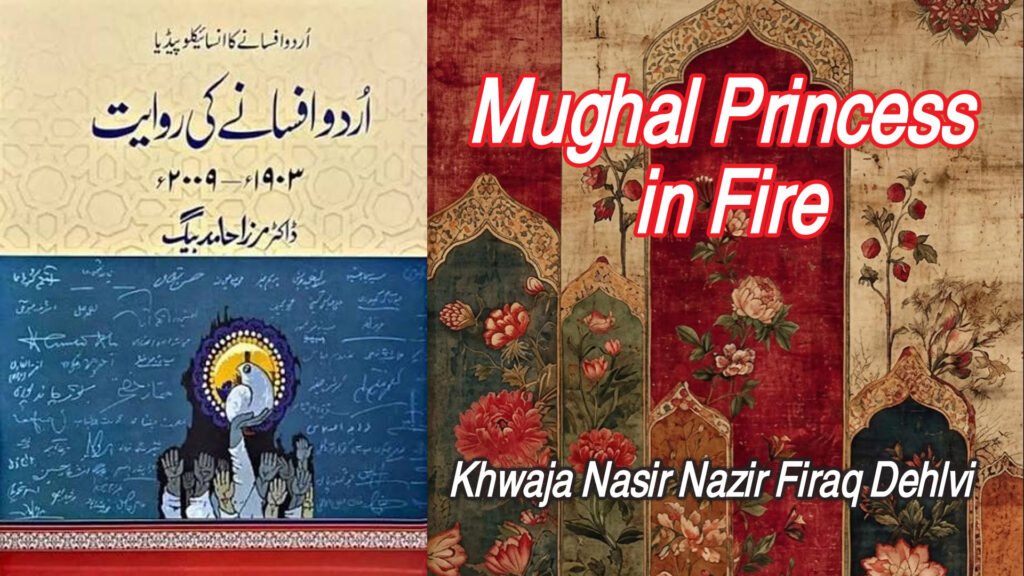
One such fascinating yet tragic incident from the reign of Shah Jahan was recorded by Khwaja Nasir Nazir Firaq Dehlvi in his historical essay, A Glimpse of the Red Fort. The account was later included in Urdu Afsanay Ki Riwayat, a research work compiled by renowned literary scholar and critic Dr Mirza Hamid Baig.
Dr Mirza Hamid Baig and His Literary Contribution
Dr Mirza Hamid Baig is a distinguished Urdu researcher, literary critic, short-story writer, and novelist. Born in Karachi on August 29, 1949, he obtained his Master’s degree in Urdu from the University of Punjab in 1972. He subsequently pursued teaching and literary research and earned his PhD in 1986.
His important publications include Gumshuda Kalimat, Taar Par Chalne Wali, Gunah Ki Mazdoori, Janki Bai Ki Arzi, Afsanay Ka Manzar Nama, Urdu Adab Ki Shanakht, Tarjumay Ka Fun, and Urdu Afsanay Ki Riwayat.
His research particularly focuses on the historical development of Urdu fiction, literary movements, narrative techniques, and critical traditions. In recognition of his literary contributions, he received several awards, including the Pakistan Writers Guild Award and the National Book Council of Pakistan honours. The Government of Pakistan also awarded him the Pride of Performance in 2010.
Urdu Afsanay Ki Riwayat: A Comprehensive Literary History
Urdu Afsanay Ki Riwayat (1903–2009) is an extensive research and critical work comprising approximately 1,170 pages.
The book traces more than a century of Urdu short-story writing, beginning with Allama Rashid-ul-Khairi’s story Naseer Aur Khadija and covering developments up to 2009.
Dr Mirza Hamid Baig examines different literary periods, movements, intellectual trends, and artistic developments. Rather than limiting his discussion to the themes and characters of short stories, he also analyses their narrative techniques, styles, and structural changes.
The book is an important reference for researchers, literary critics, and serious readers interested in understanding the evolution of Urdu fiction.
It was published in Pakistan by Ilm-o-Irfan Publishers, Lahore, and in India by Aalami Media Private Limited, Delhi.
AwazeUrdu has presented Khwaja Nasir Nazir Firaq Dehlvi’s fascinating historical essay from this book in an audio-video recording titled A Glimpse of the Red Fort.
Khwaja Nasir Nazir Firaq Dehlvi: The Author
Khwaja Nasir Nazir Firaq Dehlvi was the grandson of the renowned Sufi poet Khwaja Mir Dard. He was born in Delhi on August 16, 1865, to Mir Mohsin Ali.
After receiving his early education in Arabic and Persian, he developed an interest in medicine. He was appointed personal physician to the chief of Dharampur in Bulandshahr district.
He also travelled to Bombay, Baroda, and Ahmedabad as an emissary of Aligarh College. After completing this assignment, he returned to Delhi and settled in his maternal grandfather Mir Dard’s residence in Kucha Chelan.
Maulvi Syed Ahmad, the compiler of Farhang-e-Asifiya, honoured him with the title of Sultan-e-Zaban-e-Urdu.
His account of the tragic incident involving Mughal Princess Jahanara Begum provides a remarkable glimpse into the extravagant lifestyle of the imperial household.
A Grand Birthday Celebration at the Red Fort
The incident took place after the seventeenth year of Emperor Shah Jahan’s reign had concluded with great celebrations in the month of Jumada al-Akhirah.
Immediately afterwards, preparations began for the birthday celebrations of his daughter, Princess Jahanara Begum, who was also known as Badshah Begum.
The Red Fort was decorated on an extraordinary scale. From the palace quarters to the Diwan-e-Aam and Diwan-e-Khas, every part of the royal complex was illuminated.
Thousands of lamps, chandeliers, candles, and decorative lights transformed the darkness of night into a spectacular display of brilliance. Oil lamps, wax candles, silver and golden lamps, and cotton wicks soaked in olive oil illuminated the entire area.
The celebrations extended beyond the fort itself. From the Lahori Gate of the Red Fort to the Lahori Gate of the city wall, and from the Delhi Gate of the fort to the Delhi Gate of the city wall, streets and marketplaces were decorated with lights.
The route from the Khas Bazaar to the steps of the Jama Masjid was also illuminated. The entire city appeared to have been transformed into a magnificent landscape of light.
Meanwhile, the Mughal Princess was being dressed like a bride. Her expensive outfit and precious jewellery were worth thousands and millions of rupees, respectively.
A grand arrangement had also been made for a traditional royal ceremony. A large steel weighing scale was placed in the courtyard, with velvet cushions in both pans. Heaps of gold and silver bars were arranged nearby.
The plan was to weigh Jahanara Begum first against gold and then against silver. An equivalent amount of each precious metal would subsequently be distributed as charity.
The courtyard was crowded with women belonging to influential families, all eagerly waiting for the princess to arrive.
How a Royal Celebration Turned into a Terrifying Fire Accident
Jahanara Begum was wearing a beautiful pair of expensive shoes with extremely smooth soles.
As she descended the steps of the raised platform, her foot suddenly slipped. Fortunately, the women accompanying her managed to support her before she could fall.
However, as she lowered her right hand, the edge of her dupatta accidentally touched a nearby burning candle stand.
The fabric, which was highly expensive and easily inflammable, immediately caught fire.
Within moments, the flames engulfed her dupatta and rapidly spread towards her head and hair.
The Mughal Princess cried out in panic, pleading with the women around her to let go because she was burning badly.
By the time they released her, the fire had already reached her upper garment, chest, and trousers. She fell to the ground in unbearable pain.
The courtyard was suddenly filled with screams and desperate cries. Thousands of women rushed towards her, desperately attempting to extinguish the flames, but the fire proved difficult to control.
Four Faithful Maidservants Risked Their Lives
At this critical moment, four loyal maidservants threw themselves around Jahanara Begum in an attempt to extinguish the fire.
They showed extraordinary courage and risked their own lives to save their mistress.
Eventually, the flames engulfing the princess were extinguished. However, the fire had also spread to the clothes of the four women.
Two of them suffered such severe burns that they eventually lost their lives, while the other two were also seriously injured.
Their sacrifice remains one of the most heartbreaking aspects of this tragic royal incident.
Shah Jahan’s Grief and the Desperate Search for a Cure
When Emperor Shah Jahan received news of the accident, he immediately rushed to the palace with his royal attendants.
He found his beloved daughter lying on the ground in extreme agony. Two of her maidservants were severely injured, while the other two had already died.
Jahanara Begum was quickly carried to her room, where she continued crying out in pain.
Soon, the palace was filled with physicians, hakims, surgeons, traditional healers, and other medical practitioners. Everyone tried their best to treat her injuries.
The Mughal Princess had suffered burns over much of her body, although her chest and abdomen had not been completely affected.
Various medicines were applied to her wounds, while different medicinal extracts were administered to maintain her strength.
Shah Jahan also ordered extensive charitable distributions in the form of money and food supplies.
The emperor himself was devastated. Tears streamed down his face, but he tried to control his emotions in front of his daughter so that she would not become more distressed.
Her sisters were also crying inconsolably. They believed that the princess had fallen victim to the evil eye because she had looked exceptionally beautiful during her birthday celebrations.
News of the accident quickly spread throughout the city. The people expressed their grief, and the night that had begun with happiness and celebration turned into a night of mourning.
A Mysterious Petition and an Allegation of Injustice
Shah Jahan made a vow that once his daughter had fully recovered and become fit to travel, he would take her to Ajmer Sharif to visit the shrine of Khwaja Gharib Nawaz, Hazrat Moinuddin Chishti Ajmeri.
The following morning, visitors began arriving at the palace to inquire about the princess’s health.
However, before Shah Jahan had even finished his morning prayers, a mysterious anonymous petition arrived from the intelligence department.
It contained a serious accusation against Jahanara Begum.
According to the petition, the princess had subjected the poor and helpless people of her estate to considerable oppression.
The writer claimed that the suffering and prayers of these oppressed people had transformed into flames and appeared before her in the form of burning candles.
The petition further declared that unless justice was delivered to the oppressed subjects and their suffering was addressed, the fire of the princess’s wounds would not be extinguished.
It also reminded the emperor of an earlier incident in which Jahanara had allegedly ordered a snake to be placed inside the trousers of a man who had committed an offence. The snake bit him repeatedly, eventually causing his death.
The anonymous writer argued that even if the man had committed a mistake, he did not deserve such a cruel punishment.
The petition warned that although the princess had suffered from worldly fire, the punishment of the grave and the fire of Hell still awaited those who committed injustice.
These words deeply affected Shah Jahan.
Shah Jahan Orders the Release of Prisoners
After reading the petition, the emperor was so disturbed that he immediately summoned his minister.
He ordered the release of prisoners held in the imperial jails for serious offences, along with the distribution of seven hundred thousand rupees from the royal treasury among them.
The intention was to give these individuals an opportunity to begin their lives again and overcome their previous hardships.
Shah Jahan also expressed his intention to disclose the details of the money spent on charity and donations for his daughter’s treatment and recovery.
However, his immediate priority remained Jahanara Begum’s survival.
Royal Physicians Fail to Find an Effective Cure
Despite the efforts of numerous physicians and hakims, the princess’s condition did not improve significantly.
Eventually, Shah Jahan ordered that a European physician be summoned from the city of Surat.
A special postal arrangement was established between Surat and Shahjahanabad to ensure his rapid arrival. The physician was transported to Delhi in two fast-moving boats.
He began treating the princess, and more than one hundred thousand rupees were spent on his services. Nevertheless, her condition showed little improvement.
Six to seven months passed, but the Mughal Princess remained bedridden.
The royal physicians feared that her chances of survival were extremely limited because blood and pus continued to discharge from her wounds, and her physical condition was deteriorating.
Shah Jahan remained deeply concerned and spent long hours praying for his daughter’s recovery.
Arif Chela’s Ointment Brings Hope
During this difficult period, a man named Arif, who was a disciple and attendant of the princess, appeared before the emperor.
He claimed to possess a special ointment for burn wounds and stated that he had tested it more than a thousand times without failure.
Having exhausted numerous medical treatments, Shah Jahan ordered him to prepare the ointment immediately.
Arif applied it to the princess’s wounds, and after some time, signs of improvement began to appear.
Gradually, her condition improved, and hopes of her survival returned.
When she became capable of walking again, preparations began for another grand celebration to mark her recovery.
Arif was weighed against silver in recognition of his services. He received royal robes of honour and numerous other rewards.
Large sums were also sent to Makkah and Madinah to express gratitude and celebrate the princess’s recovery.
Other physicians and healers were generously rewarded with money, gold, silver, horses, elephants, and military ranks.
The royal family also continued its charitable distributions. Four hundred thousand rupees were sent for the Sharif of Makkah, while another hundred thousand rupees were allocated for deserving people in the two holy cities.
Another Healer and an Unexpected Recovery
Shah Jahan now intended to fulfil his vow by taking his daughter to Ajmer Sharif.
The royal procession departed from Shahjahanabad and reached Akbarabad, now known as Agra.
However, Jahanara Begum’s wounds had not completely healed. One of the previously healed wounds suddenly reopened.
The royal physicians advised the emperor to postpone the journey because the physical strain of travelling could cause fever and endanger her life.
Consequently, Shah Jahan cancelled the journey and began returning by boats along the River Yamuna.
When the royal boats reached the region of Mathura, the local military governor presented an unusual suggestion.
He informed the emperor about a poor religious mendicant named Mamoon, who claimed that he could prepare a special ointment for just four damris.
According to Mamoon, applying this ointment would completely heal the princess’s wounds within seven days. He was even willing to accept any punishment if his claim proved unsuccessful.
Shah Jahan ordered him to appear in Delhi with the ointment.
Mamoon arrived and began treating the princess. Surprisingly, within just three days, her wounds and sores improved so dramatically that not even their marks remained.
The emperor was delighted and arranged another grand celebration to mark the princess’s complete recovery.
Mamoon was weighed against gold and silver and rewarded with enormous wealth and numerous honours.
The Royal Pilgrimage to Ajmer Sharif
Eventually, Jahanara Begum fully recovered.
Shah Jahan finally fulfilled his vow and took his daughter to Ajmer Sharif, where they visited the shrine of Khwaja Gharib Nawaz, Hazrat Moinuddin Chishti Ajmeri.
Thus, the Mughal Princess survived an accident that had initially appeared almost impossible to overcome.
What Does This Tragic Incident Teach Us?
Khwaja Nasir Nazir Firaq Dehlvi’s account offers a fascinating glimpse into the extraordinary lifestyle, wealth, and customs of the Mughal royal court.
The birthday celebrations of Jahanara Begum involved magnificent decorations, expensive clothing, precious jewellery, elaborate arrangements, and preparations to distribute gold and silver according to her weight.
Yet a seemingly minor accident transformed the entire atmosphere of celebration into one of grief and suffering.
The enormous expenses incurred on medical treatments, charitable distributions, royal rewards, and repeated celebrations also reveal the extraordinary financial resources available to the imperial household.
However, the most significant aspect of this account is the anonymous petition that reminded the emperor of the suffering of his subjects.
Behind the dazzling lights of royal palaces, an important question emerges: What is the true responsibility of those who hold power?
A ruler’s primary duty is not merely to provide comfort and luxury for himself and his family. It is to protect the lives, property, dignity, and rights of ordinary people.
If thousands of lamps illuminate a royal palace while the homes of its subjects remain dark with injustice and oppression, such brilliance cannot be considered a symbol of genuine prosperity.
The incident also demonstrates that wealth, authority, and power cannot protect human beings from every hardship. Even a royal family possessing the finest physicians, expensive medicines, and unlimited resources can become helpless in the face of an unexpected tragedy.
Similarly, the inexpensive ointment prepared by a relatively ordinary person eventually achieved what enormous royal expenditures and numerous medical treatments had failed to accomplish.
The enduring lesson is that the progress and stability of nations depend not on extravagant celebrations, unnecessary traditions, or meaningless displays of wealth, but on hard work, simplicity, justice, public welfare, and the responsible use of resources.
The Mughal Empire undoubtedly possessed remarkable grandeur, but its history also reminds us that when luxury takes precedence over responsibility and rulers become indifferent to the problems of their subjects, the foundations of decline begin to develop.
Through this historical account, Awaz-e-Urdu aims to bring an important episode from the Mughal era to its readers and listeners, allowing them to explore not only the splendour of royal life but also the lessons of justice, responsibility, and humanity hidden within its history.
If you’re interested in reading this book, click the link below to download it for free.
If you’d like to listen to this book in audio format, click the CONTACT button below to contact the AwazeUrdu team and order the audiobook.
You can also watch the same video on these social media platforms.
ہندوستان میں مسلمانوں کی مغلیہ سلطنت اپنی شان و شوکت، دبدبہ و حشمت، جاہ و جلال اور عظیم الشان طرزِ حکمرانی کے اعتبار سے تاریخ میں ایک نمایاں مقام رکھتی ہے۔ مغل بادشاہوں کے تعمیر کردہ محلات، قلعے، باغات، مساجد اور دیگر تاریخی عمارتیں آج بھی ان کے عہد کی عظمت و رفعت کی گواہی دیتی ہیں۔ تاہم مغلیہ سلطنت کی تاریخ محض فتوحات، عظیم الشان تعمیرات اور شاہی جاہ و جلال کی داستان نہیں، بلکہ اس میں ہمارے لیے کئی سبق بھی پوشیدہ ہیں۔ ان میں ایک اہم سبق یہ ہے کہ جب حکمران اور اہلِ اقتدار اپنی ذمہ داریوں کو پسِ پشت ڈال کر ایسے فضول رسم و رواج، عیش و عشرت اور بے جا نمود و نمائش میں مبتلا ہوجائیں جن سے ملک و ملت کو کسی قسم کا فائدہ حاصل نہ ہو رہا ہو تو رفتہ رفتہ ان کی صلاحیتیں، قوت اور وسائل ضائع ہونے لگتے ہیں اور بالآخر زوال ان کا مقدر بن جاتا ہے۔ حقیقت یہ ہے کہ عیش کوشی کے بجائے سخت کوشی، سادگی، محنت اور ذمہ داری کا احساس ہی کامیابی اور استحکام کی بنیاد بنتا ہے۔ عہدِ رفتہ کے شاہی درباروں میں ہونے والی بے جا آرائش و زیبائش، فضول خرچی اور نمود و نمائش کے واقعات آج بھی ہمارے لیے سامانِ عبرت ہیں۔
انہی واقعات میں سے ایک نہایت دلچسپ، مگر افسوس ناک اور سبق آموز واقعہ خواجہ ناصر نذیر فراق دہلوی نے اپنے ایک مضمون میں قلم بند کیا ہے، جسے معروف محقق و نقاد ڈاکٹر مرزا حامد بیگ نے اپنی تحقیقی تصنیف’’اردو افسانے کی روایت‘‘میں شامل کیا ہے۔ اس واقعے میں مغل بادشاہ شاہجہاں کے عہد کی شاہی تقریبات، جہاں آرا بیگم کی سالگرہ کے جشن، ایک اچانک پیش آنے والے حادثے اور اس کے بعد رونما ہونے والے واقعات کا تفصیلی احوال بیان کیا گیا ہے۔ مگر واقعے سے پہلے کتاب اور اس کےمرتب کا مختصر تعارف پیشِ خدمت ہے۔
ڈاکٹر مرزا حامد بیگ اردو ادب کے ممتاز محقق، نقاد، افسانہ نگار اور ناول نگار ہیں۔ وہ 29 اگست 1949ء کو کراچی میں پیدا ہوئے۔ 1972ء میں جامعہ پنجاب سے ایم اے اردو کی ڈگری حاصل کرنے کے بعد تدریس اور ادبی تحقیق کے شعبوں سے وابستہ ہوگئے۔ انہوں نے 1986ء میں پی ایچ ڈی کی ڈگری حاصل کی اور اردو فکشن، افسانے کی تاریخ، ترجمہ نگاری اور ادبی تنقید کے موضوعات پر قابلِ قدر علمی و تحقیقی کام کیا۔ ان کی اہم تصانیف میں ’’گمشدہ کلمات‘‘، ’’تار پر چلنے والی‘‘، ’’گناہ کی مزدوری‘‘، ’’جانکی بائی کی عرضی‘‘، ’’افسانے کا منظرنامہ‘‘، ’’اردو ادب کی شناخت‘‘، ’’ترجمے کا فن‘‘ اور ’’اردو افسانے کی روایت‘‘ شامل ہیں۔ ان کی تحریروں میں اردو افسانے کے فنی و فکری ارتقا، اسلوب اور مختلف ادبی رجحانات کا تحقیقی و تنقیدی مطالعہ نمایاں حیثیت رکھتا ہے۔ ان کی ادبی خدمات کے اعتراف میں انہیں پاکستان رائٹرز گلڈ ایوارڈ اور نیشنل بک کونسل آف پاکستان کے اعزازات سے نوازا گیا، جبکہ 2010ء میں حکومتِ پاکستان نے انہیں تمغۂ حسنِ کارکردگی عطا کیا۔
اردو افسانے کی روایت (1903ء تا 2009ء) ڈاکٹر مرزا حامد بیگ کی ایک اہم اور جامع تحقیقی و تنقیدی تصنیف ہے، جو تقریباً 1170 صفحات پر مشتمل ہے۔ اس کتاب میں مصنف نے علامہ راشد الخیری کے افسانے ’’نصیر اور خدیجہ‘‘ سے آغاز کرتے ہوئے 2009ء تک اردو افسانے کے سو سال سے زائد کے سفر کا احاطہ کیا ہے۔ اس دوران اردو افسانے کے مختلف ادبی ادوار، تحریکوں، فکری رجحانات اور فنی ارتقا کا تفصیلی جائزہ پیش کیا گیا ہے۔ مصنف نے محض افسانوں کے موضوعات اور کرداروں ہی پر توجہ نہیں دی، بلکہ ان کی تکنیک، اسلوبِ بیان اور ساختیاتی تبدیلیوں کا بھی باریک بینی سے تجزیہ کیا ہے۔ یہی وجہ ہے کہ یہ کتاب اردو افسانے کی تاریخ مرتب کرنے کے ساتھ ساتھ اس کی ادبی روایت، فکری تنوع اور فنی سفر کو سمجھنے کے لیے ایک اہم علمی حوالہ بن گئی ہے۔ محققین، ناقدین اور اردو ادب سے دلچسپی رکھنے والے سنجیدہ قارئین کے لیے یہ تصنیف خصوصی اہمیت رکھتی ہے۔ پاکستان میں یہ کتاب علم و عرفان پبلشرز، لاہور، جبکہ بھارت میں عالمی میڈیا پرائیویٹ لمیٹڈ، دہلی سے شائع ہوئی ہے۔
اس کتاب سے خواجہ ناصر نذیر فراق دہلوی کا تحریر کردہ ایک دلچسپ اور تاریخی مضمون آوازِاردو نے اپنی ایک ویڈیومیں پڑھ کرسنایاہے،جس کا عنوان ’’لال قلعے کی ایک جھلک‘‘ ہے
اخواجہ ناصر نذیر فراق دہلوی، معروف صوفی شاعر خواجہ میر درد کے نواسے تھے۔ وہ 16 اگست 1865ء کو دہلی میں میر محسن علی کے گھر پیدا ہوئے۔ ابتدائی تعلیم میں عربی و فارسی حاصل کی اور بعد ازاں طب کے شعبے کی طرف راغب ہوئے۔ انہیں ضلع بلند شہر کے رئیس دھرم پور کا طبیبِ خاص مقرر کیا گیا۔ کچھ عرصے بعد علی گڑھ کالج کے سفیر کی حیثیت سے بمبئی، بڑودہ اور احمد آباد کے دورے بھی کیے۔ یہ ذمہ داری ختم ہونے کے بعد انہوں نے کسی دوسرے پیشے سے وابستگی اختیار نہ کی اور واپس دہلی آکر کوچہ چیلان میں واقع اپنے نانا میر درد کی بارہ دری میں قیام پذیر ہوگئے۔ فرہنگِ آصفیہ کے مؤلف مولوی سید احمد نے انہیں ’’سلطانِ زبانِ اردو‘‘ کا خطاب دیا تھا۔
خواجہ ناصر نذیر فراق دہلوی نے اپنے اس مضمون میں مغل بادشاہ شاہجہاں کے عہد کا ایک دردناک واقعہ بیان کیا ہے جس میں شاہی خاندان کی بے پناہ شان و شوکت، تقریبات پر ہونے والے بے دریغ اخراجات، ایک ہولناک حادثے اور اس کے بعد پیش آنے والے حالات کی تصویر کشی کی گئی ہے۔ آوازِ اردو نے اسی تاریخی اور عبرت انگیز واقعے کو اپنی اس ویڈیو میں پڑھ کر سنایا ہے۔
واقعہ کچھ یوں ہے کہ جمادی الآخر کے مہینے میں بادشاہ شاہجہاں کے عہدِ حکومت کا سترھواں سال بڑے دھوم دھام سے اختتام پذیر ہوا تو اس کے فوراً بعد شہزادی جہاں آرا بیگم، جنہیں بادشاہ بیگم بھی کہا جاتا تھا، کی سالگرہ کی تقریبات کا آغاز ہوگیا۔ اس موقع پر لال قلعے میں غیر معمولی تزئین و آرائش اور روشنیوں کا اہتمام کیا گیا تھا۔ محل سرائے سے لے کر دیوانِ عام اور دیوانِ خاص تک ہر طرف چراغاں تھا۔ رات کے وقت جھاڑ فانوس، کنول نما چراغوں، شمعوں، چربی اور موم کی بتیاں، فتیل سوز اور چاندی و سونے کے چراغ روشن تھے۔ زیتون کے تیل میں بھیگی ہوئی موٹی موٹی روئی کی بتیاں رات کی تاریکی کو روشنی میں بدل رہی تھیں۔
لال قلعے کے لاہوری دروازے سے شہر پناہ کے لاہوری دروازے تک، اسی طرح لال قلعے کے دہلی دروازے سے شہر پناہ کے دہلی دروازے تک، تمام راستوں اور بازاروں میں چراغاں کیا گیا تھا۔ خاص بازار سے جامع مسجد کی سیڑھیوں تک دونوں جانب آرائش و زیبائش کا اہتمام تھا۔ راستوں کے کناروں پر چراغ جل رہے تھے اور یوں محسوس ہوتا تھا جیسے رات نے دن کا روپ دھار لیا ہو۔
ادھر شہزادی جہاں آرا بیگم کو ان کی سالگرہ کے موقع پر دلہن کی طرح سجایا جا رہا تھا۔ محل کی مشاطائیں ان کے بناؤ سنگھار میں مصروف تھیں۔ ان کا لباس ہزاروں روپے مالیت کا تھا، جبکہ زیب و زینت کے لیے استعمال ہونے والے جواہرات کی قیمت لاکھوں میں تھی۔ صدر دالان کے سامنے واقع صحن اور چبوترے کے نیچے دور تک دریوں اور چاندنیوں کا فرش بچھایا گیا تھا۔ فرش کے درمیان سے گزرنے کے لیے ایک راستہ چھوڑ کر دونوں جانب شمع دانوں کی قطاریں سجائی گئی تھیں۔ یہ شمع دان بلور اور سفید کانچ کے بنے ہوئے تھے اور ان سب میں روشن شمعیں رات کے حسن کو دوبالا کر رہی تھیں۔
جب شاہی خاندان کی بڑی بوڑھیوں اور محل کی عورتوں نے شہزادی کا بناؤ سنگھار مکمل کر لیا تو وہ انہیں ساتھ لے کر صحن میں لانے کے لیے روانہ ہوئیں۔ اس موقع پر ایک اور شاہانہ رسم کی ادائیگی کا اہتمام بھی کیا گیا تھا۔ صحن میں ایک فولادی ترازو رکھا ہوا تھا، جس کے دونوں پلڑوں میں مخملی گدیاں بچھائی گئی تھیں۔ اس کے قریب سونے اور چاندی کی اینٹوں کا ڈھیر لگا تھا۔ منصوبہ یہ تھا کہ شہزادی کو ایک مرتبہ سونے اور دوسری مرتبہ چاندی کے برابر تولا جائے گا اور ان کے وزن کے مطابق سونا اور چاندی خیرات کیا جائے گا۔ صحن میں اعلیٰ خاندانوں کی عورتوں کا اس قدر ہجوم تھا کہ تل دھرنے کی جگہ نہ تھی۔ ہر شخص کی نگاہ شہزادی کی آمد پر لگی ہوئی تھی۔
شہزادی کے پاؤں میں ایک نہایت نفیس اور قیمتی جوتی تھی، جس کا تلا انتہائی چکنا تھا۔ جب وہ صحن میں اترنے کے لیے چبوترے کی سیڑھیاں طے کر رہی تھیں تو اچانک ان کا پاؤں پھسل گیا۔ تاہم ساتھ موجود عورتوں نے انہیں فوراً سنبھال لیا اور گرنے سے بچا لیا۔ اسی دوران شہزادی نے اپنا دایاں ہاتھ جھکایا تو ان کے دوپٹے کا آنچل، جو نہایت قیمتی اور آتش گیر کپڑے کا بنا ہوا تھا، سیڑھی کے قریب روشن ایک شمع دان پر جا پڑا۔ دیکھتے ہی دیکھتے دوپٹے کے آنچل نے آگ پکڑ لی۔ آگ نے پہلے دوپٹے کو اپنی لپیٹ میں لیا اور پھر تیزی سے پھیلتی ہوئی شہزادی کے سر اور چوٹی تک جا پہنچی۔
شہزادی نے گھبرا کر اپنے اردگرد موجود عورتوں سے کہا کہ خدا کے لیے انہیں چھوڑ دیں، کیونکہ وہ بری طرح جل رہی ہیں۔ عورتوں نے جب انہیں چھوڑا تو آگ ان کی قمیص کے گریبان تک پہنچ چکی تھی اور وہاں سے سینے اور پھر شلوار تک پھیل گئی۔ شہزادی درد اور تکلیف سے تڑپتی ہوئی زمین پر گر پڑیں۔ محل میں چیخ و پکار اور شورِ قیامت برپا ہوگیا۔ ہزاروں عورتیں ان کے لباس میں لگی آگ بجھانے کے لیے لپکیں، مگر آگ کسی طرح قابو میں نہ آرہی تھی۔
اس نازک موقع پر شہزادی کی چار وفادار کنیزوں نے اپنی جان کی پروا کیے بغیر انہیں لپٹ کر آگ بجھانے کی کوشش کی۔ بالآخر ان کی کوشش سے شہزادی کے لباس کی آگ تو بجھ گئی، لیکن اس دوران آگ ان کنیزوں کے اپنے کپڑوں تک بھی پہنچ چکی تھی۔ وہ اس قدر جھلس گئیں کہ تکلیف برداشت نہ کرسکیں۔ اپنی بیگم پر قربان ہونے کی صدائیں بلند کرتی ہوئی ان میں سے دو نے جان دے دی، جبکہ دیگر دو بھی بری طرح متاثر ہوئیں۔
جب بادشاہ شاہجہاں کو شہزادی کے ساتھ پیش آنے والے حادثے کی اطلاع ملی تو وہ خواجہ سراؤں اور شاہی عملے کے ہمراہ فوراً محل میں پہنچے۔ وہاں انہوں نے اپنی بیٹی کو زمین پر تڑپتے ہوئے دیکھا، جبکہ دو کنیزیں بھی شدید زخمی حالت میں تھیں اور دو جان کی بازی ہار چکی تھیں۔ شہزادی کو فوراً ایک پلنگڑی پر لٹا کر ان کے کمرے میں پہنچایا گیا۔ وہ مسلسل درد سے کراہ رہی تھیں اور ہائے جل گئی، ہائے جل گئی کی صدائیں بلند کر رہی تھیں۔
کچھ ہی دیر میں محل طبیبوں، حکیموں، ویدوں، جراحوں اور دیگر معالجوں سے بھر گیا۔ ہر شخص اپنی بساط کے
مطابق علاج کرنے میں مصروف تھا۔ شہزادی سر سے پاؤں تک جھلس چکی تھیں، تاہم آگ نے ان کے سینے اور پیٹ کو مکمل طور پر متاثر نہیں کیا تھا۔ معالجین ان کے جسم پر پڑنے والے آبلوں اور جلنے کے زخموں کے علاج کے لیے مختلف دوائیں استعمال کر رہے تھے۔ ان کی قوتِ قلب اور جسمانی توانائی بحال رکھنے کے لیے طرح طرح کے عرق پلائے جا رہے تھے۔ دوسری طرف بادشاہ کی جانب سے نقدی اور اجناس کی صورت میں خیرات اور صدقات کا سلسلہ بھی شروع کردیا گیا۔
شاہجہاں کی حالت بھی نہایت رقت آمیز تھی۔ ان کی آنکھوں سے آنسوؤں کا دریا بہہ رہا تھا، لیکن وہ اپنی بیٹی کے سامنے ضبط کا مظاہرہ کر رہے تھے تاکہ شہزادی مزید پریشان نہ ہوں۔ جہاں آرا بیگم کی سگی بہنیں بھی زار و قطار رو رہی تھیں۔ وہ کہتی تھیں کہ شہزادی کو نظر لگ گئی ہے، کیونکہ اس مرتبہ وہ سالگرہ کے موقع پر اس قدر حسین و جمیل دلہن بنی تھیں کہ جنت کی حوریں اور پرستان کی پریاں بھی ان پر قربان ہوجاتیں۔ اس المناک حادثے کی خبر دیکھتے ہی دیکھتے پورے شہر میں پھیل گئی۔ رعایا افسوس اور دکھ کا اظہار کرنے لگی اور خوشی و جشن کی رات ماتم اور شبِ شہادت میں تبدیل ہوگئی۔
شاہجہاں نے اپنی بیٹی کی صحت یابی کے لیے منت مانی کہ جب جہاں آرا بیگم مکمل طور پر تندرست ہوجائیں گی اور سفر کرنے کے قابل ہوجائیں گی تو وہ انہیں خواجہ غریب نواز حضرت معین الدین چشتی اجمیریؒ کے آستانے پر حاضری کے لیے اجمیر شریف لے جائیں گے۔
یوں عیش و نشاط کی ایک پرمسرت رات اچانک مصیبت اور آزمائش میں بدل گئی۔ اگلی صبح طلوع ہوئی تو اس کی روشنی کے ساتھ ہی شہزادی کی عیادت اور مزاج پرسی کے لیے لوگوں کی آمد کا سلسلہ شروع ہوگیا۔ لیکن ابھی شاہجہاں صبح کی نماز ادا کرکے مصلے سے اٹھے بھی نہ تھے کہ خفیہ محکمہ کی جانب سے ایک گمنام عرضی موصول ہوئی۔ اس عرضی میں ایک نہایت سنگین الزام عائد کیا گیا تھا۔
عرضی میں لکھا تھا کہ شہزادی جہاں آرا نے اپنی جاگیر کے غریب اور بے بس رعایا پر بہت ظلم ڈھائے ہیں۔ ان مظلوموں کی آہیں شمع کے قالب میں ڈھل کر ان کے سامنے آگئیں اور وہ انہی کی آگ سے جل گئیں۔ جب تک مظلوم رعایا کے دلوں کو انصاف نہیں ملے گا اور ان کے زخموں کا مداوا نہیں ہوگا، شہزادی کے زخموں کی آگ بھی نہیں بجھے گی۔
عرضی میں شہزادی کو ان کا ایک سابقہ ظلم بھی یاد دلایا گیا تھا۔ لکھا تھا کہ انہوں نے ایک خطاکار شخص کے پاجامے میں سانپ چھڑوا دیا تھا، جس نے اس بدقسمت انسان کو جگہ جگہ سے ڈسا اور بالآخر اس کی موت واقع ہوگئی۔ عرضی لکھنے والے نے یہ بھی کہا کہ اگرچہ وہ شخص خطاکار تھا، لیکن اس قدر سنگین سزا کا مستحق نہ تھا کہ اسے سانپ سے ڈسوا کر موت کے گھاٹ اتار دیا جاتا۔ دنیا کی آگ نے تو ابھی اسے جلا دیا ہے، لیکن آگے قبر کے سانپ اور دوزخ کی آگ بھی باقی ہے۔
یہ عرضی پڑھ کر بادشاہ شاہجہاں کے دل پر گہرا اثر ہوا۔ انہوں نے ایک چیخ ماری اور فوراً وزیر کو طلب کرکے حکم دیا کہ ان کی سلطنت کے تمام قید خانوں سے ایسے مجرموں کو رہا کردیا جائے جنہیں بھاری جرائم کے باوجود قید رکھا گیا ہے۔ اس کے علاوہ شاہی خزانے سے سات لاکھ روپے نکال کر ان آزاد ہونے والے قیدیوں میں تقسیم کیے جائیں تاکہ وہ اپنی زندگی دوبارہ شروع کرسکیں اور اپنی گزشتہ محرومیوں کی تلافی کرسکیں۔
بادشاہ نے یہ بھی ارادہ ظاہر کیا کہ شہزادی کے علاج اور ان کی صحت یابی کے لیے صدقے اور خیرات کی مد میں جو رقم خرچ ہوئی ہے، اس کی تفصیل بھی بیان کی جائے گی۔ تاہم اس وقت ان کی تمام تر توجہ اپنی بیٹی کی صحت یابی پر مرکوز تھی۔
شہزادی کا علاج جاری تھا، لیکن کسی طبیب یا حکیم کے نسخے سے خاطر خواہ فائدہ نہیں ہو رہا تھا۔ آخرکار بادشاہ نے حکم دیا کہ شہر سورت سے ایک فرنگی حکیم کو بلایا جائے۔ اس مقصد کے لیے سورت کی بندرگاہ سے شاہجہان آباد تک ڈاک کا خصوصی انتظام کیا جائے تاکہ وہ جلد از جلد پہنچ سکے۔ چنانچہ فرنگی حکیم کو دو پنسیوں کے ذریعے تیز رفتاری سے دہلی لایا گیا۔ اس نے شہزادی کا علاج شروع کیا اور اس پر ایک لاکھ روپے سے زیادہ رقم خرچ کرکے واپس چلا گیا، مگر اس کے علاج سے بھی شہزادی کی حالت میں کوئی خاص بہتری نہ آئی۔
اس طرح چھ سات ماہ گزر گئے، لیکن شہزادی بدستور بسترِ علالت پر پڑی رہیں۔ شاہی طبیبوں کا کہنا تھا کہ مریضہ کی جان بچنے کی امید بہت کم ہے، کیونکہ زخموں سے مسلسل خون اور پیپ خارج ہو رہی ہے اور جسمانی حالت روز بروز کمزور ہوتی جا رہی ہے۔ بادشاہ شاہجہاں بھی اپنی بیٹی کی صحت یابی کے لیے دن رات پریشان رہتے تھے۔ وہ دوپہر کے وقت بھی طویل عرصے تک مصلے پر بیٹھ کر اپنی بیٹی کی شفا کے لیے دعائیں مانگتے رہتے۔
اسی دوران عارف نامی ایک شخص، جو شہزادی کا چیلہ تھا، بادشاہ کی خدمت میں حاضر ہوا۔ اس نے عرض کیا کہ اس کے پاس جلے ہوئے زخموں کے لیے ایک مخصوص مرہم ہے، جس کے استعمال سے مریض صحت یاب ہوجاتا ہے۔ اس نے دعویٰ کیا کہ وہ اس مرہم کو ہزار مرتبہ سے بھی زیادہ آزما چکا ہے اور اس کا نسخہ کبھی ناکام نہیں ہوا۔ بادشاہ مختلف علاج آزما کر تھک چکے تھے۔ ان کے پاس اب کوئی دوسرا راستہ بھی نہیں تھا، چنانچہ انہوں نے فوراً مرہم تیار کرنے کا حکم دے دیا۔
عارف نے مرہم تیار کرکے شہزادی کے زخموں پر لگایا تو کچھ ہی عرصے میں ان کے زخم بہتر ہونا شروع ہوگئے۔ رفتہ رفتہ صحت یابی کے آثار نمایاں ہونے لگے اور شہزادی کے زندہ بچنے کی امید پیدا ہوگئی۔ جب وہ کچھ چلنے پھرنے کے قابل ہوئیں تو ان کی صحت یابی کی خوشی میں دوبارہ جشن منانے کی تیاریاں شروع کردی گئیں۔
اس مرتبہ عارف چیلے کو اس کی خدمات کے صلے میں چاندی کے وزن کے برابر تولا گیا۔ اسے شاہی خلعت اور دیگر انعامات بھی عطا کیے گئے۔ اس کے علاوہ مکہ مکرمہ اور مدینہ منورہ میں بھی خوشی کے اظہار کے لیے خطیر رقم بھیجی گئی۔ ان تمام اخراجات کے علاوہ بھی لاکھوں روپے صرف کیے گئے۔
حکیم داؤد کو ایک مہر، ایک روپیہ، پانچ سو تولہ سونا و چاندی، شاہی خلعت اور دو ہزار سواروں کا منصب عطا کیا گیا۔ اس کے ساتھ گھوڑے اور ہاتھی بھی دیے گئے۔ حکیم سومنا، جو دوسرے معالج تھے، انہیں بھی تیس ہزار روپے سالانہ، دو سو سواروں کا منصب، گھوڑے اور ہاتھی عطا کیے گئے۔ اس کے علاوہ فقراء، حکما، امراء اور اہلِ طرب کو بھی شاہی انعامات سے نوازا گیا۔
شاہی خاندان کی جانب سے خیرات و صدقات کا سلسلہ بھی جاری رہا۔ چار لاکھ روپے شریفِ مکہ کے لیے اور ایک لاکھ روپے حرمین شریفین کے مستحقین کے لیے احمد سعید معتمد کے ہاتھ بھیجے گئے۔ بادشاہ اور شاہی خاندان کی خواتین نے خود اپنے ہاتھوں سے شہزادی کے سر پر جواہرات اور سونے چاندی کے پھول نچھاور کیے۔ اگلے روز جب جہاں آرا بیگم بادشاہ کی خدمت میں حاضری اور اظہارِ تشکر کے لیے پہنچیں تو شاہجہاں نے اپنے ہاتھوں سے ان کی کلائی میں سو موتیوں کی ایک خوب صورت مالا باندھی اور انہیں دعاؤں سے نوازا۔
اب بادشاہ نے اپنی منت پوری کرنے کے لیے شہزادی کو اجمیر شریف لے جانے کا ارادہ کیا۔ چنانچہ شاہجہان آباد سے روانہ ہوکر یہ شاہی قافلہ اکبر آباد، یعنی آگرہ، تک پہنچ گیا۔ مگر ابھی شہزادی کے زخم پوری طرح مندمل نہیں ہوئے تھے۔ ان کے بھرے ہوئے زخموں میں سے ایک زخم اچانک پھٹ گیا۔ شاہی طبیبوں اور حکیموں نے معائنہ کرنے کے بعد مشورہ دیا کہ فی الحال اجمیر کا سفر ملتوی کردیا جائے، کیونکہ سفر کی تھکن اور جسمانی مشقت سے شہزادی کو دوبارہ بخار ہوسکتا ہے، جو ان کی جان کے لیے خطرناک ثابت ہوگا۔
چنانچہ بادشاہ نے معالجین کے مشورے کو مدنظر رکھتے ہوئے اجمیر کا سفر مؤخر کردیا اور دریائے جمنا کے راستے کشتیوں میں بیٹھ کر شاہی قافلہ واپس روانہ ہوگیا۔ آگرہ سے متھرا اور دیگر مقامات کی جانب سفر کرتے ہوئے جب شاہی کشتیاں متھرا کے علاقے میں پہنچیں تو وہاں کے فوجدار نے بادشاہ کی خدمت میں حاضری دی اور ایک عجیب و غریب پیش کش کی۔
فوجدار نے عرض کیا کہ اس شہر میں مامون نامی ایک فقیر رہتا ہے، جو دعویٰ کرتا ہے کہ وہ صرف چار دمڑی کے عوض ایک ایسا مرہم تیار کرکے دے سکتا ہے جسے شہزادی کے زخموں پر لگانے سے وہ ایک ہفتے کے اندر مکمل طور پر صحت یاب ہوجائیں گی۔ اس فقیر نے اپنے دعوے کی سچائی کے لیے یہ بھی کہا ہے کہ اگر اس کے مرہم سے ایک ہفتے میں شہزادی کے زخم ختم نہ ہوئے تو اسے جو سزا دی جائے، وہ قبول ہوگی۔
شاہجہاں نے یہ بات سن کر مامون کو مرہم سمیت دہلی حاضر ہونے کا حکم دے دیا۔ چنانچہ مامون مرہم لے کر دہلی پہنچا اور شہزادی کا علاج شروع کیا گیا۔ اس کے بیان کردہ نسخے کے مطابق مرہم استعمال کیا گیا تو محض تین دن میں شہزادی کے زخم اور ناسور اس قدر بہتر ہوگئے کہ ان کا نشان تک باقی نہ رہا۔
اس غیر معمولی کامیابی پر بادشاہ نے ایک مرتبہ پھر جشنِ غسلِ صحت منانے کا اہتمام کیا۔ اس موقع پر بھی لاکھوں روپے خرچ کیے گئے۔ مامون کو سونے اور چاندی کے وزن کے برابر تلوایا گیا اور اسے بے شمار انعامات و اکرامات سے نوازا گیا۔ بادشاہ نے اس شخص کی خدمت اور کامیابی پر اسے مال و دولت سے نہال کردیا۔
بالآخر جہاں آرا بیگم مکمل صحت یاب ہوگئیں اور بادشاہ شاہجہاں اپنی منت پوری کرنے کے لیے انہیں اجمیر شریف لے گئے، جہاں انہوں نے خواجہ غریب نواز حضرت معین الدین چشتی اجمیریؒ کے مزار پر حاضری دی۔
خواجہ ناصر نذیر فراق دہلوی کا بیان کردہ یہ واقعہ مغلیہ سلطنت کے عہد کی شاہانہ زندگی، رسم و رواج، بے پناہ دولت اور غیر معمولی تقریبات کی ایک دلچسپ جھلک پیش کرتا ہے۔ ایک طرف جہاں آرا بیگم کی سالگرہ پر پورے لال قلعے اور شہر کو چراغاں سے روشن کیا گیا، لاکھوں روپے مالیت کے لباس و زیورات کا اہتمام ہوا اور سونے چاندی میں تول کر خیرات کرنے کی تیاریاں کی گئیں، وہیں ایک معمولی سی بے احتیاطی نے خوشیوں کے اس ماحول کو ماتم میں تبدیل کردیا۔ اس کے بعد شہزادی کے علاج، حکیموں اور طبیبوں کی خدمات، انعامات، خیرات اور بار بار منائے جانے والے جشنِ غسلِ صحت پر جس قدر دولت خرچ کی گئی، وہ اس زمانے کی شاہانہ زندگی اور شاہی خزانے کی وسعت کا اندازہ کراتی ہے۔
تاہم اس واقعے کا سب سے اہم پہلو وہ گمنام عرضی ہے جس میں شہزادی کو ان کی رعایا پر کیے گئے مظالم کی یاد دہانی کرائی گئی تھی۔ اس عرضی کے ذریعے ایک ایسی حقیقت سامنے آتی ہے جسے شاہی جاہ و جلال کی چکاچوند اکثر نگاہوں سے اوجھل کردیتی ہے، اور وہ یہ کہ حکمرانوں کی اصل ذمہ داری اپنی ذات اور خاندان کی آسائشوں کا اہتمام نہیں، بلکہ رعایا کے جان و مال، عزت اور حقوق کا تحفظ ہے۔ اگر کسی حکمران کے محل میں ہزاروں چراغ روشن ہوں، مگر اس کی رعایا کے گھروں میں ظلم و ناانصافی کے اندھیرے چھائے ہوں تو ایسی روشنی کسی سلطنت کی حقیقی خوش حالی کی علامت نہیں ہوسکتی۔
یہ واقعہ ہمیں یہ بھی بتاتا ہے کہ دنیا کی دولت، طاقت اور اقتدار انسان کو ہر مصیبت سے محفوظ نہیں رکھ سکتے۔ جس شاہی خاندان کے پاس بہترین طبیب، حکیم، قیمتی دوائیں اور بے شمار وسائل موجود تھے، وہ بھی ایک حادثے کے سامنے بے بس دکھائی دیا۔ دوسری طرف ایک معمولی حیثیت رکھنے والے شخص کے سستے مرہم نے وہ کام کردیا جس میں شاہی خزانے کے لاکھوں روپے خرچ ہونے کے باوجود کامیابی حاصل نہ ہوسکی۔
ماضی کے ایسے واقعات محض دلچسپی کے لیے پڑھنے کے نہیں، بلکہ ان سے سبق حاصل کرنے کے لیے بھی ہیں۔ قوموں اور سلطنتوں کی پائیدار ترقی کا انحصار شاہانہ تقریبات، فضول رسم و رواج اور بے جا نمود و نمائش پر نہیں، بلکہ محنت، سادگی، انصاف، عوامی فلاح اور وسائل کے درست استعمال پر ہوتا ہے۔ مغلیہ سلطنت کی عظمت اپنی جگہ، لیکن اس کے عہد کے یہ واقعات ہمیں یاد دلاتے ہیں کہ جب عیش و عشرت، ذمہ داری پر غالب آجائے اور حکمران عوام کے مسائل سے بے نیاز ہوجائیں تو زوال کے اسباب خود پیدا ہونے لگتے ہیں۔
آوازِ اردو کی یہ پیشکش اسی تاریخی واقعے کو قارئین اور سامعین تک پہنچانے کی ایک کوشش ہے، تاکہ وہ نہ صرف ماضی کے شاہی طرزِ زندگی سے واقف ہوں بلکہ اس میں پوشیدہ عبرت اور نصیحت کو بھی سمجھ سکیں۔
