
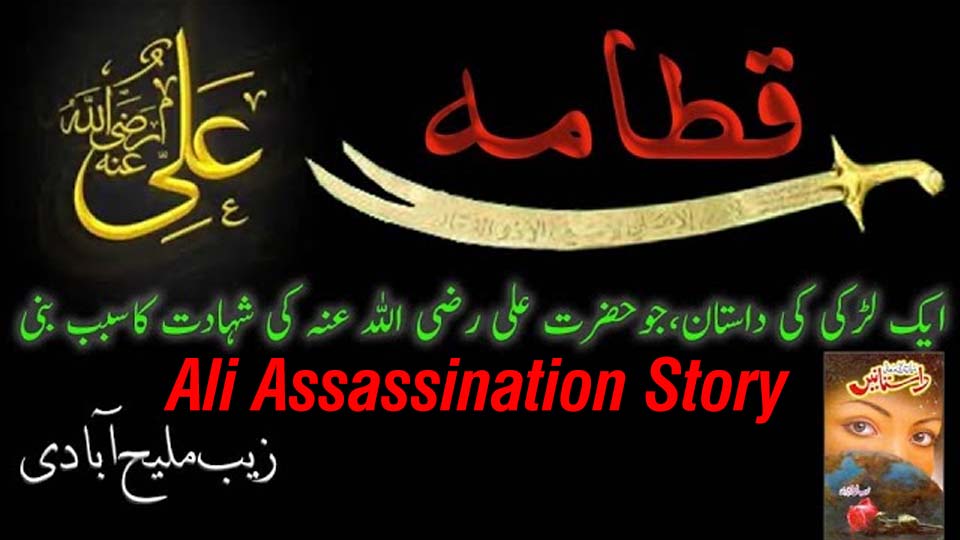
Ali Assassination Story begins as a chilling reminder that human emotions, when corrupted by hatred and revenge, can turn love into a deadly weapon. Throughout history, love has inspired sacrifice, loyalty, and moral greatness. Yet, when this powerful emotion is hijacked by vengeance and fanaticism, it becomes a force of destruction. The Ali Assassination Story is not merely a historical incident; it is a deeply tragic narrative where passion, manipulation, and blind devotion converged to change the course of Islamic history.
Love, Revenge, and the Dangerous Power of Emotion
At the heart of the Ali Assassination Story lies a painful truth: emotions without ethical restraint can devastate individuals and entire civilisations. The woman at the centre of this narrative transformed her personal grief into a calculated mission of revenge. Love, instead of healing her wounds, became a tool for manipulation. This tragic misuse of affection demonstrates how personal loss, when mixed with extremist ideology, can produce irreversible consequences.
This story survives today largely through classical Urdu narrative traditions, particularly through the writings of Zeb Malihabadi, who preserved this tale in a literary rather than purely historical form, allowing readers to explore its emotional and moral dimensions.
Zeb Malihabadi and the Tradition of Storytelling
Zeb Malihabadi belongs to that group of lesser-known yet significant Urdu writers who kept the tradition of classical storytelling alive. His style reflects the influence of Persian romances and Eastern narrative techniques, emphasising emotional depth over dry chronology. In his collection Duniya Ki Tareekhi o Romani Dastanen, he brings together stories from both Eastern and Western traditions to emphasise that love transcends time, geography, and culture.
Within this collection, the Ali Assassination Story stands out not only for its political complexity but also for its psychological and moral weight. Malihabadi presents historical figures as emotionally driven humans, making the lesson timeless and universally relatable.
Historical Background of the Ali Assassination Story
The Ali Assassination Story is set during a turbulent period of early Islamic history, marked by internal conflict and ideological extremism. After the martyrdom of the third caliph, divisions within the Muslim community deepened. A radical group known as the Kharijites emerged, spreading unrest and rebellion across various regions.
As the fourth caliph, Ali ibn Abi Talib took decisive action to restore stability and justice. His firm stance against rebellion led to military confrontations in which many extremists were defeated. However, these events planted the seeds of personal vendettas that would later culminate in tragedy.
Manipulation, Fanaticism, and a Deadly Pact
A woman associated with the Kharijite leadership lost her close family members during these conflicts. Consumed by grief and rage, she sought revenge rather than reconciliation. Her encounter with radical elements linked to Abdullah ibn Saba intensified her hatred and provided ideological justification for violence.
During this period, Abd al-Rahman ibn Muljam, a devoted follower driven by fanatic beliefs, became emotionally attached to her. Exploiting his devotion, she set a horrifying condition for marriage: the assassination of Ali. Blinded by obsession and radical ideology, Ibn Muljam accepted the pact, turning personal desire into a weapon of terror.
The Tragic Fulfilment of the Plot
The conspirators planned a coordinated attack against multiple leaders of the Muslim world. Fate, however, allowed only one part of the plot to succeed. During the early morning prayers of the 21st of Ramadan, Ali was struck with a poisoned sword. The wound proved fatal, marking one of the most heartbreaking moments in Islamic history.
This act shocked the Muslim world and forever stained the names of those involved. Ibn Muljam was swiftly arrested and met his punishment, while the woman who engineered the plot became a symbol of destructive revenge rather than fulfilled justice.
A Timeless Moral Lesson
The Ali Assassination Story is not merely about death; it is about the catastrophic consequences of emotions divorced from moral responsibility. Love, when guided by ethics and wisdom, elevates humanity. When enslaved by hatred, it corrodes the soul and rewrites history in blood.
This story serves as a warning across generations: ideology without compassion, devotion without reason, and love without conscience inevitably lead to ruin. That is why the Ali Assassination Story remains relevant—not as a political debate, but as a profound moral lesson for humanity.
Click on these links to watch the complete playlist.
Youtube FacebookIf you\’re interested in reading this book, click the link below for a free download.
https://drive.google.com/file/d/1F_hEtggkGo5t5kNK-iS6U_QGJ3Q6x6CV/view?usp=sharing
If you\’d like to listen to this book in audio format, click the CONTACT button below to get in touch with the AwazeUrdu team to order the audiobook.
Contact Us:انسانی تاریخ گواہ ہے کہ محبت ایک آفاقی اور ہمہ گیر جذبہ ہے جو صدیوں سے انسان کے دل و دماغ پر حکمرانی کرتا آیا ہے۔ یہی جذبہ انسان کو ایثار، قربانی، وفاداری اور خیر خواہی جیسے اعلیٰ اوصاف کی طرف مائل کرتا ہے۔ مگر بعض اوقات یہی جذبہ اگر غلط سمت اختیار کرلے تو خیر کے بجائے شر کا ذریعہ بھی بن جاتا ہے۔ جب محبت کو انتقام، تعصب یا نفرت کے ساتھ جوڑ دیا جائے تو اس کے نتائج نہایت بھیانک صورت اختیار کر لیتے ہیں۔ ہمارے آج کے مضمون میں بھی ایک ایسی ہی عورت کا ذکر ہے جس نے اپنے دل میں پلنے والی نفرت اور انتقام کو عملی جامہ پہنانے کے لیے محبت کو ہتھیار بنایا۔ اس نے اپنے ایک چاہنے والے کو اپنے مقصد کے لیے استعمال کیا اور انجام کار وہ خود بھی اور اس کا عاشق بھی تاریخ کے ملعون کرداروں میں شمار ہونے لگے۔ اس سچی اور عبرت ناک داستان کو اردو کے ادیب زیب ملیح آبادی نے اپنی تحریر میں محفوظ کیا ہے۔
زیب ملیح آبادی اردو ادب کے ان نسبتاً کم معروف مگر قابلِ ذکر ادیبوں میں شمار ہوتے ہیں جنہوں نے داستانی روایت کو زندہ رکھنے میں اپنا حصہ ڈالا۔ وہ برصغیر کے ادبی ماحول سے وابستہ تھے اور ان کی تحریروں میں کلاسیکی قصوں اور روایت پسند قصہ گوئی کی جھلک نمایاں نظر آتی ہے۔ ان کی مشہور تصنیف “شیرین فرہاد” بھی اسی داستانی ذوق کی عکاسی کرتی ہے جس میں فارسی اور مشرقی روایت کے معروف عشقیہ قصے کو اردو زبان میں دل نشیں انداز میں پیش کیا گیا ہے۔ زیب ملیح آبادی کی تحریروں کا خاص وصف یہ ہے کہ وہ داستان، عشق اور انسانی جذبات کو سادہ مگر مؤثر انداز میں بیان کرتے ہیں، جس سے اندازہ ہوتا ہے کہ وہ روایتی اردو قصہ گوئی کے مزاج سے گہری وابستگی رکھتے تھے۔ اگرچہ ان کے حالاتِ زندگی کے بارے میں زیادہ تفصیلات دستیاب نہیں، تاہم ان کی تصانیف اس بات کا ثبوت ہیں کہ وہ اردو داستانی ادب کے تسلسل کو برقرار رکھنے والے ادیبوں میں شمار ہوتے ہیں۔
زیب ملیح آبادی کی ایک اہم تصنیف “دنیا کی تاریخی و رومانی داستانیں” ہے، جس میں مشرق و مغرب کی مختلف عشقیہ اور تاریخی حکایات کو یکجا کیا گیا ہے۔ اس کتاب میں کل بارہ داستانیں شامل ہیں اور مصنف نے ان کے ذریعے یہ دکھانے کی کوشش کی ہے کہ محبت ایک ایسا جذبہ ہے جو زمان و مکان، قوم و نسل اور تہذیب و ثقافت کی حدود سے ماورا ہے۔ عرب کی لیلیٰ، ایران کی شیریں، مغل دور کی نورجہاں اور انارکلی یا مغرب کی قلوپطرہ—یہ سب کردار اس آفاقی جذبے کی علامت ہیں۔ اگرچہ ان داستانوں کے کردار اور واقعات بظاہر ایک جیسے محسوس ہوتے ہیں، مگر ان میں ایثار، قربانی اور جذبات کی شدت انہیں ہمیشہ زندہ رکھتی ہے۔ مصنف نے یہ بھی واضح کیا ہے کہ ان حکایات کو محض تاریخی دستاویز کے طور پر نہیں بلکہ انسانی جذبات کی عکاسی کرنے والی دل چسپ داستانوں کے طور پر پڑھنا چاہیے۔
اسی کتاب میں شامل ایک اہم اور عبرت انگیز داستان “قطامہ” کی ہے، جسے اکیس رمضان المبارک، یومِ شہادت حضرت علیؓ کی مناسبت سے آوازِاردو نے اپنی ویڈیو سیریز میں پیش کیا ہے۔ یہ داستان آوازِاردو کے یوٹیوب چینل اور فیس بک پیج پر چار ویڈیوز پر مشتمل ایک پلے لسٹ کی صورت میں اپلوڈ کی گئی ہے۔ اس کہانی کا پس منظر ابتدائی اسلامی تاریخ کے ایک ایسے دور سے تعلق رکھتا ہے جب خارجی نامی ایک گروہ نے مسلمانوں کے اندر شدید انتشار پیدا کر رکھا تھا۔ یہ وہی گروہ تھا جو حضرت عثمانؓ کی شہادت کے بعد مختلف علاقوں میں فساد اور بغاوت کا سبب بنتا رہا۔ تاریخی روایات کے مطابق اس فتنہ انگیزی کے پیچھے عبداللہ بن سبا نامی شخص کا کردار بھی بیان کیا جاتا ہے، جس نے مسلمانوں کے درمیان اختلافات کو ہوا دینے میں اہم کردار ادا کیا اور ایک منظم سازش کے ذریعے کئی لوگوں کو گمراہ کیا۔
“قطامہ” اسی خارجی گروہ کے ایک سردار کی بیٹی تھی۔ جب حضرت علیؓ نے خلیفۃ المسلمین کی حیثیت سے مسلمانوں کے امن و استحکام کے لیے خارجیوں کے خلاف کارروائی کی تو ایک جنگ میں قطامہ کا باپ اور بھائی مارے گئے۔ اس سانحے نے قطامہ کے دل میں انتقام کی آگ بھڑکا دی۔ وہ اپنے علاقے سے نکل کر عبداللہ بن سبا کے پاس پہنچی اور اپنے دل کی بھڑاس نکالتے ہوئے انتقام لینے کی خواہش ظاہر کی۔ اسی دوران عبداللہ بن سبا کا ایک ساتھی ابنِ ملجم قطامہ کے حسن و جمال کا اسیر ہوگیا اور اس سے نکاح کی خواہش ظاہر کی۔ قطامہ نے اس محبت کو اپنے انتقام کا ذریعہ بنا لیا اور شرط رکھ دی کہ اگر ابنِ ملجم حضرت علیؓ کو شہید کر دے تو وہ اس سے شادی کرلے گی۔ ابنِ ملجم اس شرط پر آمادہ ہوگیا اور یوں ایک خوفناک منصوبہ تیار کیا گیا جس کے تحت عالمِ اسلام کی تین بڑی شخصیات—حضرت علیؓ، حضرت معاویہؓ اور عمرو بن العاص—کو ایک ہی دن شہید کرنے کی سازش کی گئی۔ تاہم تقدیر کو کچھ اور ہی منظور تھا۔ اس منصوبے میں صرف حضرت علیؓ ہی کو شہادت نصیب ہوئی، جبکہ باقی دونوں محفوظ رہے۔ بعد ازاں ابنِ ملجم گرفتار ہوا اور اپنے انجام کو پہنچا، اور یوں قطامہ اور اس کا عاشق دونوں تاریخ میں بدنام اور نفرت کے استعارے بن کر رہ گئے۔
یہ داستان ہمیں ایک گہرا سبق دیتی ہے۔ محبت اگر اپنی اصل روح کے ساتھ وابستہ رہے تو انسان کو بلندیوں تک پہنچا دیتی ہے، مگر جب یہی جذبہ نفرت اور انتقام کے تابع ہو جائے تو تباہی اور بربادی کا سبب بن جاتا ہے۔ قطامہ کی کہانی دراصل اسی حقیقت کی یاد دہانی ہے کہ انسانی جذبات کو اگر عقل، اخلاق اور حق کے تابع نہ رکھا جائے تو وہ نہ صرف فرد بلکہ پوری تاریخ کو ایک المناک موڑ پر لا کھڑا کرتے ہیں۔ یہی وجہ ہے کہ یہ داستان محض ایک قصہ نہیں بلکہ ایک ایسی عبرت ہے جو ہمیں محبت اور نفرت کے درمیان باریک فرق کو سمجھنے کی دعوت دیتی ہے۔
