
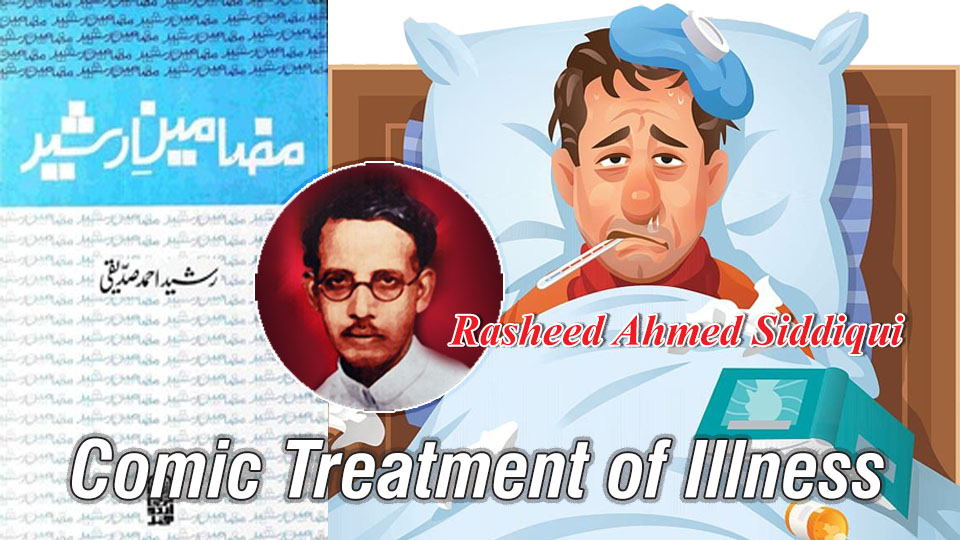
Comic treatment of illness is one of the rare literary techniques that turns physical suffering into intellectual pleasure. Instead of surrendering to pain, the writer reshapes discomfort into observation, irony, and laughter. This approach does not deny illness; rather, it confronts it with wit, emotional intelligence, and cultural awareness. In Urdu prose, few writers mastered this balance as gracefully as Rashid Ahmad Siddiqi, whose humorous essay Shaitan Ki Aant stands as a classic example of how suffering can be narrated without self-pity.
Humour as a Survival Instinct
Life inevitably brings illness, anxiety, and physical decline. Yet, the comic treatment of illness reflects a mindset that refuses to let pain dominate the human spirit. Rashid Ahmad Siddiqi belonged to a generation that believed humour was not escapism but resistance. His writing suggests that time passes regardless of our complaints, so one might as well pass it with dignity and laughter.
In Shaitan Ki Aant, illness is not merely a medical condition; it behaves like an unruly guest who slowly takes over the household. This personification allows readers to see disease not as tragedy alone, but as an absurd interruption in the orderly system of life.
Illness as a Literary Character
One of the strengths of the comic treatment of illness lies in turning physical discomfort into a narrative character. Siddiqi does exactly this. His kidney ailment is not described in clinical terms but introduced as an autonomous force that interferes with daily routines, challenges authority, and mocks medical certainty.
Doctors diagnose different causes, treatments shift directions, and certainty dissolves into confusion. Through humour, Siddiqi exposes not only the fragility of the human body but also the limits of medical confidence in a changing sociocultural environment.
Lucknow’s Medical World Through Satire
A significant portion of the essay centres on the journey from Aligarh to Lucknow for treatment. Here, the comic treatment of illness expands into social satire. The city’s medical culture, traditional healers, and the famous hakim Abdul Latif are portrayed with affectionate irony.
The journey itself becomes a stage for humour. The horse carriage ride, unpredictable turns, sudden accelerations, and near-collisions transform a medical visit into a theatrical performance. Fear and amusement coexist, proving that humour often thrives at the edge of danger.
Refined Humour, Not Mockery
What distinguishes Siddiqi’s work from casual comedy is its refinement. His comic treatment of illness never humiliates suffering nor trivialises pain. Instead, it invites readers to observe human behaviour under pressure—how patients negotiate fear, how doctors assert authority, and how society reacts to vulnerability.
This balance between empathy and satire places his essays in the category of serious humour, where laughter emerges from insight rather than exaggeration.
Cultural Depth and Literary Sophistication
The language of Shaitan Ki Aant is idiomatic, polished, and deeply rooted in cultural consciousness. For modern readers, certain stylistic layers may seem demanding, yet this complexity is part of its charm. The comic treatment of illness becomes a lens through which we understand not just an individual’s pain, but an entire social environment shaped by tradition, uncertainty, and resilience.
Why This Essay Still Matters
In an age dominated by medical reports and online diagnoses, Siddiqi’s essay reminds us that illness is also a human experience, not merely a biological malfunction. His work demonstrates that even the most distressing conditions can be narrated with grace, intelligence, and humour.
Ultimately, Shaitan Ki Aant proves that when pain is filtered through awareness and wit, it loses its power to overwhelm. The comic treatment of illness transforms suffering into shared experience—and that is literature at its finest.
If you’re interested in reading this book, click the link below for a free download.
https://drive.google.com/file/d/1GZXLzfa93Pf2exQlOUBQfIvmTR1NrMW-/view?usp=sharing
If you’d like to listen to this book in audio format, click the CONTACT button below to get in touch with the AwazeUrdu team to order the audiobook.
You can also watch the same video on these social media platforms.
اگرچہ دکھ سکھ، خوشی غمی، صحت و بیماری اور زندگی کے دیگر نشیب و فراز ہر انسان کے ساتھ جڑے رہتے ہیں، لیکن زندہ دل لوگ ان حالات میں جینے اور خوش رہنے کا ہنر جانتے ہیں۔ وہ نامساعد حالات میں بھی تفریحِ طبع کے بہانے تلاش کر لیتے ہیں، کیونکہ وہ اس حقیقت کو سمجھتے ہیں کہ وقت بہرحال گزر ہی جانا ہے، تو کیوں نہ اسے خندہ پیشانی سے گزارا جائے؛ رونے دھونے سے حالات بدل نہیں جایا کرتے۔ اسی جذبے اور زاویۂ نظر کو رشید احمد صدیقی نے اپنے ایک شگفتہ مضمون ’’شیطان کی آنت‘‘ میں نہایت دلکش انداز میں پیش کیا ہے، جس میں وہ ایک تکلیف دہ جسمانی کیفیت کو اس انداز سے بیان کرتے ہیں کہ سننے اور پڑھنے والا محظوظ ہوئے بغیر نہیں رہ سکتا۔
رشید احمد صدیقی اردو ادب کے ممتاز مزاح نگار، انشائیہ نویس اور نقاد تھے جنہوں نے علی گڑھ مسلم یونیورسٹی کے علمی و ادبی ماحول میں رہتے ہوئے اپنی فکری اور تہذیبی نثر کو پروان چڑھایا۔ ان کی تحریروں کی خاص پہچان یہ ہے کہ وہ محض تفریح فراہم نہیں کرتیں بلکہ سماجی مشاہدے، انسانی نفسیات اور تہذیبی شعور کی باریک جہات کو بھی سامنے لاتی ہیں۔ ان کے مزاح میں شائستگی اور فکری گہرائی ساتھ ساتھ چلتی ہے، جس کی وجہ سے ان کی نثر اردو ادب میں ایک منفرد مقام رکھتی ہے۔
ان کے شگفتہ مضامین کے مجموعے مضامینِ رشید میں روزمرہ زندگی، تعلیمی ماحول اور انسانی کمزوریوں کو نہایت لطیف انداز میں پیش کیا گیا ہے۔ اس کتاب کی زبان شستہ، محاوراتی اور ادبی حسن سے مزین ہے، جبکہ کردار نگاری اور طنزیہ اسلوب اسے اردو مزاحیہ ادب میں ممتاز بناتے ہیں۔ اگرچہ بعض مقامات پر اسلوب کی تہذیبی تہہ داری نئے قارئین کے لیے قدرے مشکل محسوس ہو سکتی ہے، تاہم مجموعی طور پر یہ کتاب اردو نثر اور سنجیدہ مزاح کا ایک بھرپور نمونہ ہے۔
اسی مجموعے کے مضمون ’’شیطان کی آنت‘‘ کا ایک حصہ آوازِاردو نے اپنی ویڈیو میں پیش کیا، جس میں مصنف اپنی بیماری، خصوصاً گردوں کے عارضے، اطبّا کے علاج، لکھنؤ کے طبی ماحول اور اپنے ذاتی تجربات کو طنز و مزاح کے پیرائے میں بیان کرتے ہیں۔ وہ اس خیال سے آغاز کرتے ہیں کہ شاعروں نے دل اور جگر کی بیماریوں کا تو ذکر کیا، مگر گردے کی کیفیت کو نظر انداز کیا گیا۔ اسی دوران وہ اپنی بیماری کا ذکر چھیڑتے ہیں اور بتاتے ہیں کہ علاج کی غرض سے انہیں علی گڑھ سے لکھنؤ جانا پڑا۔ وہ بیماری کو اس انداز سے بیان کرتے ہیں جیسے کوئی خودمختار کردار ہو جو بدن کے نظام میں مداخلت کر رہا ہو۔ ابتدا میں وہ اسے نظر انداز کرتے ہیں، پھر اسے ’’تنبیہ‘‘ کرتے ہیں، مگر مرض اپنی حدود بڑھاتا جاتا ہے اور مختلف اطبّا اس کی مختلف تشخیصیں کرتے ہیں، کوئی جگر کو موردِ الزام ٹھہراتا ہے اور کوئی معدے کو، جبکہ اصل مسئلہ ایک مبہم سی صورت اختیار کر لیتا ہے۔
مزید آگے چل کر وہ لکھنؤ کے طبی ماحول، حکیم عبداللطیف کے ہاں قیام اور ان کے ساتھ تانگے کے دلچسپ سفر کو بیان کرتے ہیں، جہاں گھوڑے اور تانگے کی بے قابو حرکتیں پورے ماحول کو ایک مزاحیہ ڈرامے میں بدل دیتی ہیں۔ کبھی تانگہ دکانوں کے قریب جا پہنچتا ہے، کبھی غیر متوقع رفتار اختیار کرتا ہے اور کبھی ایسے مقامات پر داخل ہو جاتا ہے جہاں اس کا داخلہ ممکن ہی نہیں لگتا۔ لوگ خوف اور حیرت کے ملے جلے جذبات میں مبتلا ہوتے ہیں، جبکہ مصنف اس پورے منظر کو ایک مبصر کی حیثیت سے دیکھتے اور اس کی شگفتگی کو قاری تک منتقل کرتے ہیں۔ اس طرح یہ مضمون بظاہر بیماری کا بیان ہوتے ہوئے بھی انسانی رویوں، معاشرتی ماحول اور روزمرہ زندگی کے غیر متوقع پہلوؤں پر طنزیہ تبصرہ بن جاتا ہے۔
اختتام پر یہ واضح ہوتا ہے کہ مصنف کا اصل مقصد بیماری یا علاج کی تفصیل نہیں بلکہ اس حقیقت کو شگفتہ انداز میں پیش کرنا ہے کہ زندگی کے مشکل ترین تجربات کو بھی اگر ہلکے اور زندہ دل زاویے سے دیکھا جائے تو وہ بوجھ کے بجائے تفریح کا ذریعہ بن سکتے ہیں۔