
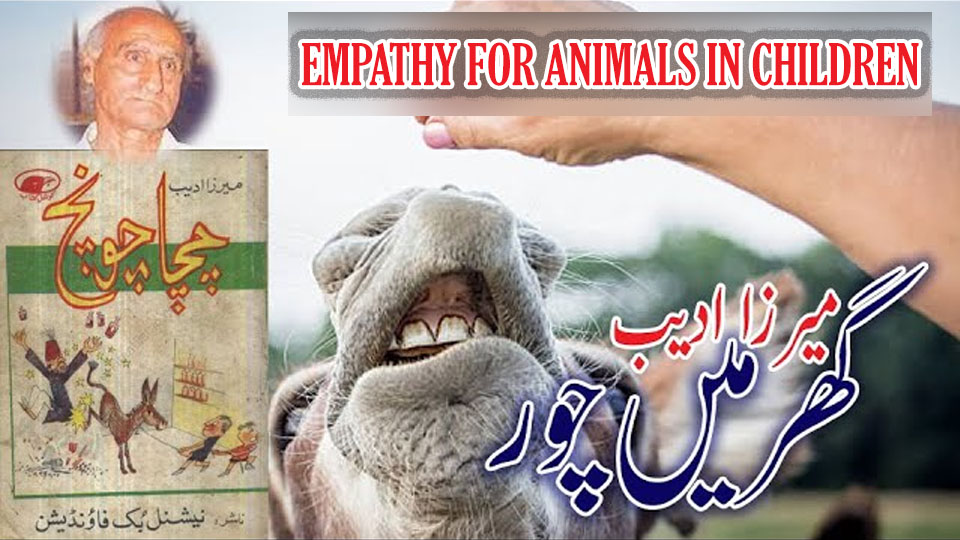
Empathy for animals is one of the most natural and emotionally rich instincts found in children. From an early age, a child is capable of forming a deep bond not only with humans but also with voiceless creatures. This emotional sensitivity becomes stronger during childhood because animals respond without judgment, language, or social hierarchy. In literature—especially children’s literature—this instinctive compassion has often been explored to highlight moral growth, emotional intelligence, and humane values. The short story “Ghar Mein Chor” from Chacha Chonch by Mirza Adeeb is a powerful example where empathy for animals becomes the emotional core of the narrative.
Childhood Sensitivity and Emotional Bonds
Children experience the world through feelings before logic fully develops. Their love for animals is not based on utility or social status but on emotional connection. In many societies, animals are judged by their usefulness or symbolic meanings. Yet, for a child, an animal is simply a companion. This is where children’s empathy for animals becomes most visible—pure, instinctive, and unfiltered.
Urdu children’s literature has repeatedly used animal characters to express human emotions, and Mirza Adeeb’s work fits naturally into this tradition. However, instead of choosing a graceful or admired animal, he centres his story around a donkey—an animal often mocked or misunderstood.
The Donkey as a Misjudged Symbol
In South Asian culture, the donkey is frequently used as a metaphor for foolishness or ignorance, despite being one of the hardest-working animals. This contradiction is crucial to understanding the emotional depth of the story. The donkey, Dilbar, is not merely an animal in the narrative but a living being deserving warmth, care, and dignity.
Here, empathy for animals challenges social stereotypes. The child protagonist, Umar Din, does not see Dilbar as inferior or laughable. He sees him as a companion suffering in the cold.
Focusing on the Core Story: “Ghar Mein Chor”
The story unfolds on a freezing winter night marked by relentless rain and biting cold. As Umar Din lies awake, he becomes increasingly uneasy—not because of his own discomfort, but because he imagines his donkey standing helpless under the open sky. This moment is central to the theme of empathy for animals, as the child’s concern transcends self-interest.
Despite his mother’s strict instructions, Umar Din decides to act. With the help of his friend Shabrati, he secretly brings Dilbar into the house, hoping to protect him from the cold. The decision is emotional, not strategic—an important detail that reflects how childlike compassion often operates.
Fear, Chaos, and Misunderstanding
Once inside, Dilbar’s movements create noise. Utensils rattle, objects fall, and Fatima, startled from sleep, assumes a thief has entered the house. Panic spreads. Neighbors gather. The situation escalates into chaos—an excellent illustration of how good intentions, when driven purely by emotion, can lead to unintended consequences.
At this stage, empathy for animals clashes with adult logic and social order. When the truth is revealed, relief replaces fear, but Fatima’s anger remains. She scolds Umar Din, viewing his action as irresponsible and dangerous.
A Child’s Silent Moral Victory
Although Umar Din is reprimanded, the story’s emotional resolution lies elsewhere. Even while being scolded, his concern for Dilbar does not fade. This subtle detail reinforces the idea that empathy for animals is not a temporary emotion but a moral instinct.
Mirza Adeeb does not present the child as entirely right or the mother as entirely wrong. Instead, he creates a balanced moral space where compassion must coexist with wisdom. The story quietly teaches that empathy should be guided by understanding and awareness of circumstances.
Literary Value and Emotional Repetition
Some critics argue that Chacha Chonch lacks thematic variety because similar emotional patterns recur across stories. However, this repetition itself reflects childhood psychology—children often return to the same emotional concerns repeatedly. In this sense, the recurring theme of empathy for animals strengthens rather than weakens the book’s emotional impact.
Moral Insight for Modern Readers
The lasting lesson of the story is clear: compassion toward animals is a fundamental human quality, especially strong in children. Yet, emotions alone are not enough. True kindness requires balance—empathy guided by responsibility. In today’s world, where emotional intelligence is increasingly valued, such stories remain deeply relevant.
Empathy for animals in children is not a weakness or naïveté; it is the foundation of humane thinking. Mirza Adeeb’s story reminds us that society often misunderstands compassion, mistaking it for foolishness—just as it misunderstands the donkey.
If you’re interested in reading this book, click the link below for a free download.
https://drive.google.com/file/d/1QSm1AotRqna01XJGJurP0MBkaWIuidvg/view?usp=sharing
If you’d like to listen to this book in audio format, click the CONTACT button below to get in touch with the AwazeUrdu team to order the audiobook.
You can also watch the same video on these social media platforms.
پالتو جانوروں سے انسانوں، خصوصاً بچوں کی محبت ایک فطری جذبہ ہے۔ بچپن میں یہ تعلق زیادہ گہرا ہوتا ہے کیونکہ بچہ بے زبان مخلوق کے ساتھ بھی ایک جذباتی رشتہ قائم کر لیتا ہے۔ اسی فطری رجحان کو اردو کے متعدد بچوں کے مصنفین نے اپنی کہانیوں کا موضوع بنایا ہے، جہاں جانور محض کردار نہیں بلکہ انسانی احساسات کے شریک بن جاتے ہیں۔ تاہم ان جانوروں میں گدھا ایک ایسی مخلوق ہے جو اپنی محنت، سخت جانی اور کام آنے کی صلاحیت کے باوجود ہمارے معاشرے میں اکثر نادانی یا بیوقوفی کی علامت کے طور پر بھی پیش کیا جاتا ہے۔ اس کے باوجود حقیقت یہ ہے کہ وہ انسان کی عملی زندگی میں بہت اہم کردار ادا کرتا ہے اور اسی وجہ سے بعض لوگ اس کی قدر کرتے ہوئے اس سے محبت اور شفقت کا رویہ رکھتے ہیں۔ اسی پس منظر میں معروف مصنف میرزا ادیب نے ایک بچے اور اس کے گدھے کے جذباتی تعلق کو اپنی کہانیوں کا مرکزی موضوع بنایا ہے۔
میرزا ادیب اردو ادب کے اُن اہم افسانہ نگاروں اور ڈرامہ نویسوں میں شمار ہوتے ہیں جنہوں نے سادہ مگر بامعنی اسلوب کے ذریعے عام زندگی کے تجربات کو ادب کا حصہ بنایا۔ ان کی تحریروں میں روزمرہ مشاہدات کو غیر مصنوعی انداز میں پیش کیا جاتا ہے، جس سے قاری کو قریبی زندگی کی جھلک محسوس ہوتی ہے۔ وہ عام انسانوں کے چھوٹے چھوٹے جذبات اور الجھنوں کو کہانی کا حصہ بناتے ہیں، اگرچہ بعض اوقات ان کے ہاں واقعاتی دائرہ محدود محسوس ہوتا ہے۔ اس کے باوجود ان کی تحریریں اردو نثر میں ایک ایسے رجحان کی نمائندگی کرتی ہیں جو سادگی کو اظہار کی قوت سمجھتا ہے۔
ان ہی خصوصیات کے تناظر میں ان کی کتاب ’’چچا چونچ‘‘ بچوں کے ادب میں ایک اہم مجموعہ ہے، جس میں نو کہانیاں شامل ہیں۔ ان تمام کہانیوں کا مرکزی کردار ایک بچہ ہے جسے مصنف نے محبت سے ’’چچا چونچ‘‘ کا نام دیا ہے، جبکہ اس کے گدھے ’’دلبر‘‘ کے ساتھ اس کا تعلق ہر کہانی کی بنیاد بنتا ہے۔ یہ کہانیاں بظاہر سادہ اور گھریلو نوعیت کے واقعات پر مشتمل ہیں، لیکن ان کے اندر ایک مستقل جذباتی رشتہ کارفرما ہے جو بچے اور جانور کے درمیان وابستگی کو ظاہر کرتا ہے۔ بعض ناقدین کے مطابق ان کہانیوں میں موضوعاتی تنوع کم ہے اور ایک ہی جذبہ مختلف صورتوں میں بار بار سامنے آتا ہے، جس سے تکرار کا احساس پیدا ہو سکتا ہے۔
اس کتاب کی ایک کہانی کاعنوان’’گھر میں چور‘‘ ہے، جو اس جذبے کی سب سے واضح مثال ہے۔ سردیوں کی ایک سخت رات میں، جب مسلسل بارشوں اور شدید ٹھنڈ نے زندگی کو مشکل بنا دیا ہوتا ہے، عمر دین کو خود بھی سردی محسوس ہونے لگتی ہے۔ اس لمحے اسے اپنے گدھے دلبر کا خیال آتا ہے کہ وہ باہر کھلے آسمان تلے کس طرح سردی برداشت کر رہا ہوگا۔ یہ خیال اس کے دل میں بے چینی پیدا کرتا ہے۔ وہ اپنی ماں کی سختی اور منع کے باوجود اپنے دوست شبراتی کے ساتھ مل کر فیصلہ کرتا ہے کہ دلبر کو کسی طرح گھر کے اندر لے آئے تاکہ اسے سردی سے بچایا جا سکے۔ وہ رات کی خاموشی میں چپکے سے گدھے کو دالان میں لے آتا ہے۔
لیکن گدھا جب گھر کے اندر آتا ہے تو اس کی بے ترتیبی سے برتنوں اور چیزوں کے ٹکرانے کی آوازیں پیدا ہوتی ہیں۔ فاطمہ، جو پہلے ہی سردی اور تھکن کے باعث سو رہی تھی، ان آوازوں کو چور کی موجودگی سمجھ لیتی ہے اور گھبرا کر شور مچا دیتی ہے۔ محلہ جمع ہو جاتا ہے اور پورے گھر میں افراتفری پھیل جاتی ہے۔ لالٹین جلانے اور تلاش کے بعد معلوم ہوتا ہے کہ کوئی چور نہیں بلکہ عمر دین کا گدھا دلبر ہے جسے وہ محبت میں اندر لے آیا تھا۔ اس انکشاف پر اگرچہ ماحول کچھ ہلکا ہو جاتا ہے، مگر فاطمہ شدید غصے اور پریشانی کا اظہار کرتی ہے۔ وہ اپنے بیٹے کے اس عمل کو خطرناک اور غیر ذمہ دارانہ سمجھتی ہے، جبکہ حقیقت یہ ہے کہ عمر دین کا مقصد کسی کو نقصان پہنچانا نہیں بلکہ ایک بے زبان مخلوق کو سردی سے بچانا تھا۔
کہانی کے آخری حصے میں ایک اور اہم پہلو سامنے آتا ہے کہ اس ہنگامے کے بعد عمر دین کو اپنی ماں کی ڈانٹ پڑتی ہے، مگر اس کے دل میں اب بھی اپنے گدھے کی فکر موجود رہتی ہے۔ یہ واقعہ ظاہر کرتا ہے کہ بچہ صرف انسانی تعلقات تک محدود نہیں رہتا بلکہ جانوروں کے ساتھ بھی ایک جذباتی وابستگی قائم کر لیتا ہے، چاہے اس کے نتیجے میں عملی مسائل ہی کیوں نہ پیدا ہوں۔
اس کہانی سے بنیادی سبق یہ ملتا ہے کہ بے زبان مخلوق کے ساتھ ہمدردی اور شفقت انسانی فطرت کا حصہ ہے، مگر اس جذبے کو عقل، سمجھداری اور حالات کے ادراک کے ساتھ متوازن رکھنا ضروری ہے۔ جذبات اگر بغیر تدبیر کے عمل میں آئیں تو وہ نیکی کے بجائے الجھن اور مشکل کا سبب بھی بن سکتے ہیں۔