
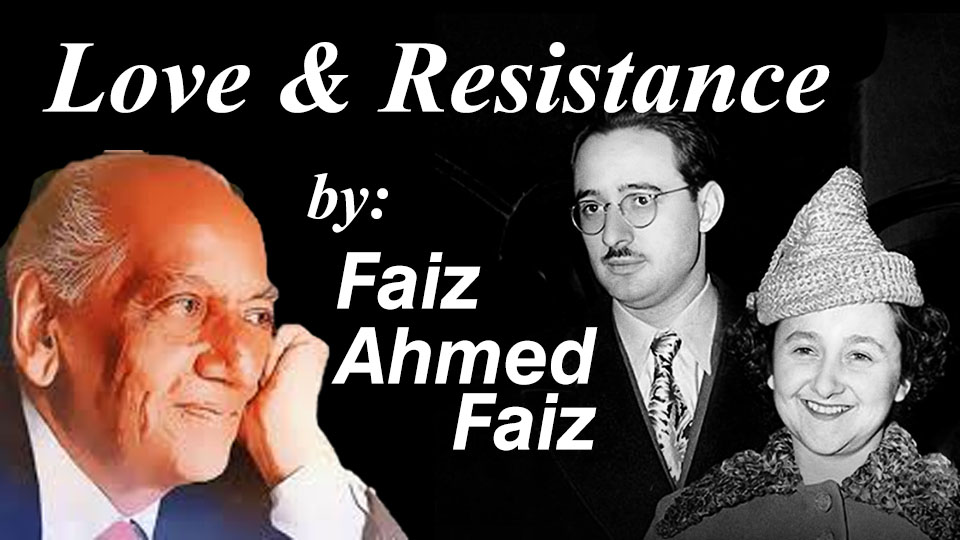
Love and Resistance have always been among the most powerful forces shaping human history, transcending borders, ideologies, and even time itself. From ancient legends to modern political struggles, love has inspired individuals to resist injustice, sacrifice comfort, and stand firm against oppression. This very fusion of emotion and defiance lies at the heart of one of the most moving poems by Faiz Ahmed Faiz, written under the shadow of a tragic real-life story that shook the conscience of the twentieth century.
Love and Resistance Beyond Time and Borders
Love and Resistance is not merely a romantic idea; it is a historical reality. Across civilisations, lovers have abandoned thrones, embraced exile, and even accepted death to remain loyal to each other and to their beliefs. In many such stories, love becomes the moral strength that empowers resistance. It transforms private affection into a public stance against cruelty, tyranny, and fear.
One such story is that of Ethel and Julius Rosenberg, an American couple accused of espionage during the Cold War. Tried in 1951 and executed in 1953, their case remains one of the most controversial episodes in modern American history. Even today, historians and intellectuals debate whether their execution was an act of justice or a result of political hysteria and anti-communist paranoia.
Love Under the Shadow of Death
What makes the Rosenbergs’ story unforgettable is not only the political controversy but the dignity with which they faced death. In prison, surrounded by fear and uncertainty, they did not abandon their love for each other, their commitment to their ideals, or their concern for their children. Their prison letters reveal composure instead of terror, hope instead of despair, and an unbroken belief in a larger human cause.
This rare blend of Love and Resistance deeply influenced progressive writers and poets around the world. For many, the Rosenbergs were not just defendants in a court case; they became symbols of moral courage and resistance against institutional injustice.
Faiz Ahmed Faiz and the Poetry of Defiance
Inspired by this tragic episode, Faiz Ahmed Faiz composed his timeless poem “Hum Jo Tareek Rahon Mein Maare Gaye”. Faiz stands among those poets who merged romance with revolution, personal love with collective struggle. In his poetry, the beloved is never just an individual; she becomes a symbol of human dignity, freedom, and hope.
Love and Resistance flow seamlessly through Faiz’s verse. His language is musical yet sharp, tender yet defiant. Pain, protest, beauty, and optimism coexist in perfect balance, making his poetry emotionally powerful and intellectually enduring.
Symbols of Hope in Dark Times
Although the poem appears to address a beloved, its true audience is much broader. It speaks to lost dreams, crushed ideals, and unfulfilled hopes for which people have laid down their lives. Metaphors such as “the flowers of your lips” and “the lamps of your hands” symbolise not only romantic longing but also the desire for a brighter, freer future.
Repeatedly, Faiz reminds the reader that those who perish in dark alleys do not die in vain. Their sacrifices illuminate the path for future generations. Love and Resistance, in this sense, become a continuous historical process rather than a single moment of tragedy.
Death as Continuity, Not an End
One of the most striking aspects of this poem is Faiz’s treatment of death. He refuses to see it as a conclusion. Instead, death becomes a passage through which struggle renews itself. When Faiz declares that banners will rise again from execution grounds and new caravans of lovers will march forward, he delivers a universal message: sacrifices made for love, truth, and freedom are never wasted.
Here, Love and Resistance merge into a single moral force. Even if one generation is silenced, another rises, carrying forward the same ideals with renewed strength.
Love, Sacrifice, and Collective Memory
This poem resonates deeply because it refuses to separate love from sacrifice. Love is not portrayed as a private emotion but as loyalty to humanity’s highest aspirations. Those who die for their beliefs do not disappear; they live on in collective memory, shaping conscience and culture.
Notably, this very poem has also been recited and presented in a dedicated video by AwazeUrdu, allowing contemporary audiences to experience Faiz’s powerful words through voice and performance. This recitation has helped revive the poem’s emotional depth for modern listeners, reinforcing its message of Love and Resistance for a new generation.
Conclusion: An Everlasting Human Truth
In conclusion, the story of Ethel and Julius Rosenberg and the poem it inspired remind us of a brighter side of human history, one where love, loyalty, and resilience overpower fear and oppression. Love and Resistance emerge as forces stronger than gallows and prisons, capable of shaping futures even after apparent defeat.
Faiz Ahmed Faiz’s poetry assures us that truth and love never vanish. They survive in memory, in verse, and in the courage of those who continue to walk illuminated paths carved by past sacrifices.
If you’re interested in reading this poem online, click the link below.
If you’d like to listen to any Urdu book in audio format, click the CONTACT button below to get in touch with the AwazeUrdu team to order the audiobook.
You can also watch the same video on these social media platforms.
محبت ایک آفاقی جذبہ ہے، جو زمان و مکان کی حدود سے ماورا ہے۔ انسانی تاریخ میں ایسی بے شمار عشقیہ داستانیں محفوظ ہیں، جن میں عاشقوں نے اپنی باہمی محبت، وفاداری اور وابستگی کے لیے بڑی بڑی قربانیاں پیش کیں۔ کہیں محبت نے انسان کو تخت وتاج چھوڑنے پر آمادہ کیا، کہیں جان کی بازی لگادی گئی، اور کہیں ظلم وجبر کے سامنے سر نہ جھکانے کا حوصلہ اسی جذبۂ محبت سے پیدا ہوا۔ انہی داستانوں میں ایک امریکی جوڑے، ایتھل اور جولیس روزن برگ، کی داستان بھی شامل ہے، جس نے بیسویں صدی کے حساس اذہان کو گہرے طور پر متاثر کیا۔
ایتھل اور جولیس روز برگ امریکی میاں بیوی تھے جن پر سرد جنگ کے زمانے میں سوویت یونین کے لیے جاسوسی کا الزام عائد کیا گیا۔ 1951ء میں ان پر مقدمہ چلایا گیا اور 1953ء میں انہیں سزائے موت دے دی گئی۔ اس مقدمے کو اُس وقت بھی شدید تنقید کا سامنا رہا اور آج بھی بہت سے مؤرخین اور دانش ور اسے سیاسی انتقام اور اشتراکیت مخالف فضا کا نتیجہ قرار دیتے ہیں۔ مگر اس داستان کا سب سے اثر انگیز پہلو یہ تھا کہ موت کے سائے میں بھی اس جوڑے نے ایک دوسرے سے محبت، اپنے نظریے پر یقین اور اپنے بچوں سے وابستگی کا دامن ہاتھ سے نہ چھوڑا۔ جیل سے لکھے گئے ان کے خطوط میں خوف کے بجائے وقار، مایوسی کے بجائے استقامت، اور ذاتی محبت کے ساتھ ایک بڑے نصب العین کا احساس نمایاں دکھائی دیتا ہے۔ یہی وجہ ہے کہ دنیا بھر کے ترقی پسند شاعروں اور ادیبوں نے ان کی داستان کو محض ایک عدالتی مقدمہ نہیں بلکہ ظلم کے خلاف مزاحمت کی علامت سمجھا۔
اسی داستان سے متاثر ہوکرفیض احمدفیض نے اپنی لازوال نظم “ہم جو تاریک راہوں میں مارے گئے” تخلیق کی۔ فیض احمد فیض اردو ادب کے اُن عظیم شاعروں میں شمار ہوتے ہیں جنہوں نے محبت، انقلاب، انسانی آزادی اور ظلم کے خلاف مزاحمت کو اپنی شاعری کا موضوع بنایا۔ ان کی شاعری میں رومان اور اجتماعیت ایک دوسرے سے یوں مل جاتے ہیں کہ محبوب کا تصور بھی انسانی وقار اور آزادی کی علامت بن جاتا ہے۔ فیض کی نظموں میں درد بھی ہے، امید بھی، احتجاج بھی اور حسنِ بیان کی دل آویز کیفیت بھی۔ یہی عناصر اس نظم میں بھی پوری شدت کے ساتھ جلوہ گر ہیں۔
اس نظم میں شاعر بظاہر محبوب سے خطاب کرتا ہے، مگر درحقیقت یہ خطاب اُن تمام خوابوں، نظریوں اور آرزوؤں سے ہے جن کے لیے انسان قربانیاں دیتا ہے۔ “تیرے ہونٹوں کے پھولوں کی چاہت” اور “تیرے ہاتھوں کی شمعوں کی حسرت” جیسے استعارے محبت کے ساتھ ساتھ ایک روشن مستقبل کی خواہش کی علامت بن جاتے ہیں۔ شاعر اُن لوگوں کا ذکر کرتا ہے جو تاریک راہوں میں مارے گئے، مگر اپنی قربانی کو رائیگاں نہیں جانے دیا۔ نظم میں بار بار یہ احساس ابھرتا ہے کہ سولیوں پر چڑھ جانے والے لوگ دراصل آنے والے قافلوں کے لیے راستہ ہموار کرتے ہیں۔
فیض اس نظم میں موت کو اختتام نہیں بلکہ جدوجہد کے تسلسل کے طور پر پیش کرتے ہیں۔ جب وہ کہتے ہیں کہ:
“قتل گاہوں سے چن کر ہمارے علم
اور نکلیں گے عشاق کے قافلے”
تو یہ پیغام دیتے ہیں کہ محبت، سچائی اور آزادی کے لیے دی جانے والی قربانیاں کبھی ضائع نہیں ہوتیں۔ ایک نسل اگر ظلم کا شکار ہوجائے تو دوسری نسل انہی قربانیوں کی روشنی میں آگے بڑھتی ہے۔ یہی وجہ ہے کہ یہ نظم محض ایک سیاسی نظم نہیں رہتی بلکہ انسانی حوصلے، وفاداری اور امید کی علامت بن جاتی ہے۔
یہ نظم حساس دلوں کو اس لیے بھی گہرے طور پر متاثر کرتی ہے کہ اس میں محبت اور قربانی کو الگ الگ نہیں کیا گیا۔ یہاں عشق محض ذاتی جذبہ نہیں بلکہ انسان کے اعلیٰ خوابوں سے وابستگی کا نام ہے۔ نظم پڑھتے ہوئے قاری محسوس کرتا ہے کہ جو لوگ اپنے نظریے، محبت یا سچائی کے لیے قربان ہوجاتے ہیں، وہ حقیقت میں فنا نہیں ہوتے بلکہ تاریخ کے حافظے میں ہمیشہ زندہ رہتے ہیں۔ فیض کی مترنم زبان، درد سے بھرپور لہجہ اور امید آمیز فکر قاری کے دل میں دیر تک گونجتی رہتی ہے۔
اختتامیہ کے طور پر کہا جاسکتا ہے کہ ایتھل اور جولیس روز برگ کی داستان اور اس سے متاثر ہوکر لکھی گئی فیض احمد فیض کی یہ نظم انسانی تاریخ کے اُس روشن پہلو کی یاد دلاتی ہے جہاں محبت، وفاداری اور استقامت ظلم و جبر سے زیادہ طاقتور ثابت ہوتے ہیں۔ یہ نظم آج بھی انسان کو یہ یقین دلاتی ہے کہ سچائی اور محبت کے راستے میں دی جانے والی قربانیاں کبھی رائیگاں نہیں جاتیں، بلکہ آنے والے زمانوں کے لیے امید اور حوصلے کی شمع بن جاتی ہیں۔