
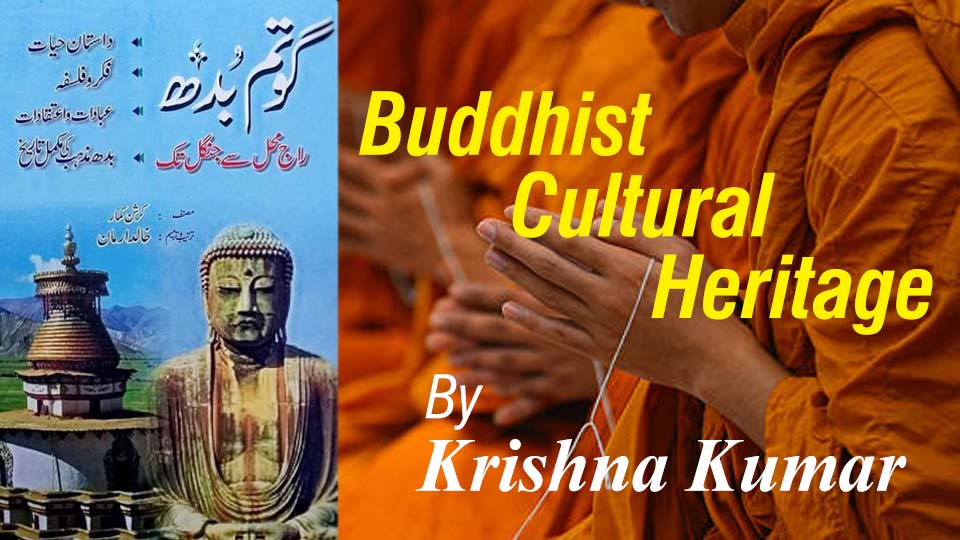
Buddhist cultural heritage stands as one of the most profound and spiritually rich legacies of human civilisation. Unlike other traditions centred solely around theology or dogma, this heritage blends philosophy, art, social organisation, and a deep commitment to inner transformation. The evolution of Buddhist culture is not just a matter of religious history, but a testimony to how a belief system can shape entire civilisations. From modest villages to organised cities, from ancient texts to refined guilds of craftsmen, the heritage of Buddhism reflects a unique fusion of compassion, discipline, and enlightenment.
The Rise of a Cultural Force Beyond Religion
While many view Buddhism primarily as a religion, its cultural framework reveals a far wider influence. Buddhist cultural heritage encompasses the lifestyle, governance, economy, education, architecture, and literary traditions that emerged during the time of the Buddha and flourished in centuries that followed.
Krishna Kumar’s Urdu book “Gautam Buddha: Raj Mahal Se Jungle Tak” offers a window into this multi-dimensional culture. The book is not a simple biography of Siddhartha Gautama but an intellectual narrative that captures the pulse of an era. It presents Buddha not merely as a spiritual teacher but as a cultural catalyst who challenged established norms and redefined human values.
A Glimpse into Buddhist Society: Simplicity with Structure
One of the most remarkable aspects of Buddhist cultural heritage is the balance between simplicity and organization. The excerpt featured on AwazeUrdu highlights this beautifully, describing how rural and urban life coexisted in harmony during the Buddhist era.
Villages were small yet self-sustained through cooperation, while cities boasted wide roads, systematic drainage, and homes built with wood and bricks. These are not just anecdotal claims but evidence of a deeply thoughtful and functional civilisation.
In industries and crafts, there were formal associations for leatherwork, metalwork, agriculture, jewellery making, and even sculpture — all contributing to an economy based not just on trade, but on ethical values and community upliftment.
Literature and Thought: The Spiritual Spine of a Civilisation
The Buddhist cultural heritage is incomplete without acknowledging its literary wealth. The Vinaya Pitaka, Sutta Pitaka, and Abhidhamma Pitaka — collectively known as the Tipitaka — are more than justreligious scriptures. They are intellectual archives containing ethical principles, meditative instructions, and metaphysical discussions that nurtured centuries of thought.
Later Mahayana texts like Lalitavistara, Lotus Sutra (Law of Goodness), and Vajracchedika expanded these teachings into rich philosophical narratives, many of which have been translated into numerous languages worldwide. These works helped transmit Buddhist culture across Asia, influencing China, Japan, Tibet, and even the Western philosophical canon in later centuries.
Krishna Kumar‘s Perspective: A Modern Scholar Reflects
Krishna Kumar — a prominent sociologist and former professor at the University of Virginia — brings a rare clarity and academic depth to the subject. His analysis compares Eastern and Western civilisations, traces colonial impacts, and explores questions of identity and nationalism. His book on Gautam Buddha is a culmination of these interests, simplifying complex historical layers into an engaging and thought-provoking account for general readers.
Through his narrative, readers see how Buddhist cultural heritage was not static but evolved with time, adapting yet holding firmly to its essence: inner peace, mindfulness, and ethical living.
Echoes of the Past, Relevance in the Present
Is Buddhist cultural heritage a lost glory or a timeless light? Perhaps it is both. While the physical structures and political systems of that era may have faded, the essence — the compassion, clarity, and inner quest — continues to inspire millions today.
Modern interest in mindfulness, ethical leadership, minimalism, and holistic living often draws (consciously or unconsciously) from Buddhist ideals. The teachings that once emerged from the forests of ancient India now resonate in meditation rooms, classrooms, and social movements worldwide.
Conclusion: Preserving a Living Legacy
Buddhist cultural heritage is more than a relic of the past — it is a living, breathing force that still holds answers to our modern dilemmas. Krishna Kumar’s book and platforms like AwazeUrdu help bridge the gap between ancient wisdom and contemporary understanding.
If you’re interested in reading this book, click the link below for a free download.
https://drive.google.com/file/d/1MHxSVdELc5q6DEAqFNJVPh6wEUBUe3Pa/view?usp=sharing
If you’d like to listen to this book in audio format, click the CONTACT button below to get in touch with the AwazeUrdu team to order the audiobook.
You can also watch the same video on these social media platforms.
In rediscovering this heritage, we don’t just learn about the past — we learn how to live better in the present.
تاریخ انسانی تہذیبوں کی آمد و رفت، عروج و زوال اور ثقافتی ارتقاء کی گواہ ہے۔ مختلف ادوار میں پیدا ہونے والی تہذیبیں اپنے عقائد، فنون، تمدن اور معاشرتی ڈھانچوں کے ذریعے دنیا کو نئے زاویوں سے متعارف کراتی رہی ہیں۔ انہی رنگا رنگ ثقافتوں میں بدھ مت کی تہذیب ایک خاص انفرادیت رکھتی ہے، جو انسان دوستی، سکون قلب اور روحانی ارتقاء پر زور دیتی ہے۔ گوتم بدھ، جن کا اصل نام سدھارتھ تھا، نے شاہی آسائشیں ترک کر کے سچ کی تلاش میں جنگلوں کا رخ کیا اور بالآخر بدھ یعنی ’روشن ضمیر‘ کے درجے پر فائز ہوئے۔ ان کی سادہ مگر گہری تعلیمات نے نہ صرف برصغیر بلکہ دنیا بھر کی فکری و روحانی فضا کو متاثر کیا۔ اسی پس منظر میں کرشن کمار کی کتاب
“گوتم بدھ ۔ راج محل سےجنگل تک”ایک فکری اور تحقیقی اہمیت کی حامل تصنیف ہے، جو بدھ مت کے تہذیبی اور تاریخی ورثے کو ایک عام قاری کی سطح پر پیش کرتی ہے۔
کرشن کمار ایک ممتاز سماجیاتی مفکر، مؤرخ اور ماہر سیاسیات ہیں۔ وہ یونیورسٹی آف ورجینیا (امریکہ) میں سماجیات کے پروفیسر رہ چکے ہیں اور دنیا کی مختلف جامعات میں وزٹنگ اسکالر کے طور پر بھی خدمات انجام دے چکے ہیں۔ ان کی تحقیق کا دائرہ مغربی اور مشرقی تہذیبوں کے موازنے، نوآبادیاتی نظام، قوم پرستی اور فکری تاریخ پر محیط ہے۔ ان کی نمایاں انگریزی کتب میں The Making of English National Identity اور Visions of Empire شامل ہیں، جو تہذیبی شناخت اور طاقت کے تاریخی دھاروں پر روشنی ڈالتی ہیں۔ بدھ مت اور گوتم بدھ پر ان کی اردو میں دستیاب کتاب انہی گہرے علمی و فکری پس منظر کی مظہر ہے۔
کرشن کمار کی کتاب”گوتم بدھ ۔ راج محل سےجنگل تک”گوتم بدھ کی ابتدائی زندگی، فکری کشمکش، روحانی جستجو اور سماجی پس منظر کا نہایت مؤثر بیانیہ ہے۔ کتاب میں سدھارتھ کی اندرونی بے چینی، دنیاوی دکھوں کا مشاہدہ، اور نروان کی تلاش جیسے مراحل کو عام فہم زبان اور علمی سنجیدگی کے ساتھ بیان کیا گیا ہے۔ یہ صرف ایک سوانح نہیں بلکہ انسانی شعور کو جھنجھوڑنے والی فکری تحریر ہے، جو انسان کو دعوتِ غور دیتی ہے کہ اصل سکون شاہی محل میں نہیں بلکہ اندرونِ ذات کی کھوج میں ہے۔ یہ کتاب مذہب، تاریخ اور فلسفے سے دلچسپی رکھنے والوں کے لیے ایک گراں قدر اضافہ ہے۔
اس کتاب کی ترتیب و ترمیم جناب خالدارمان نے کی ہے۔ اسی کتاب سے ایک علمی و تہذیبی اقتباس آوازِاردوکے زمرۂ تاریخ میں پڑھ کرسنایاگیا ہے، جس میں بدھ عہد کی ثقافت، معیشت، شہری و دیہی زندگی، صنعت و حرفت، تجارتی تنظیمات، اور تحریری ورثے کا تفصیلی خاکہ پیش کیا گیا ہے۔ اقتباس میں بتایا گیا ہے کہ اس دور میں گاؤں چھوٹے مگر باہمی تعاون سے منظم ہوتے تھے، جبکہ شہروں میں کشادہ راستے، نکاسی آب کا نظام، اور لکڑی و اینٹوں سے تعمیر شدہ مکانات عام تھے۔ صنعت و حرفت میں زراعت، چمڑا سازی، دھات کاری، زیورات، گلوکاری، اور دیگر پیشے شامل تھے، جن سے جڑی انجمنیں بھی موجود تھیں۔ تجارتی راستوں اور سکّوں کا استعمال معاشی ترقی کی علامت تھا۔ تحریری ورثے کے طور پر “ونائے پٹک”، “ست پٹک”، اور “ابھی دھم پٹک” جیسی ٹوکریوں کا ذکر ہے، جن میں بدھ کے احکام، مواعظ اور مابعدالطبیعیاتی مسائل مرتب کیے گئے۔
مذکورہ اقتباس ہمیں یہ سمجھنے میں مدد دیتا ہے کہ بدھ مت صرف ایک مذہب نہیں بلکہ مکمل تہذیبی ورثہ ہے، جو سیاسی، سماجی اور فکری بنیادوں پر استوار تھا۔ گوتم بدھ کی شخصیت وقت کے دھندلکوں میں تحلیل ہو جانے کے باوجود ان کی تعلیمات اور بعد ازاں بدھی ادب نے ان کی فکری روشنی کو ہمیشہ روشن رکھا۔ مہایان فرقے کی کتب، جیسا کہ “للِت بستار”، “قانونِ خیر کا کنول” اور “وجر چھیدک”، ان کی تعلیمات کی توسیع یافتہ تشریحات پیش کرتی ہیں، جو دنیا کی کئی زبانوں میں ترجمہ ہو چکی ہیں۔
آخر میں یہ کہا جا سکتا ہے کہ کرشن کمار کی یہ کتاب تاریخ، مذہب اور تہذیب کے ایسے گوشوں کو سادہ اسلوب میں پیش کرتی ہے، جو عام طور پر علمی موشگافیوں میں الجھ جاتے ہیں۔ یہ کتاب گوتم بدھ کی تلاشِ حق کا بیان ہونے کے ساتھ ساتھ انسانی تمدن کے ارتقاء، فکری ترقی اور ثقافتی رنگا رنگی کو بھی ایک مربوط داستان میں سمو دیتی ہے۔ “آوازِ اردو” کا انتخاب کردہ اقتباس اس کتاب کی فکری گہرائی اور تاریخی وسعت کی بھرپور عکاسی کرتا ہے، اور سننے والے کو گوتم بدھ کے عہد میں لے جاتا ہے—ایک ایسا دور جہاں انسان اپنے اندر جھانکنے کی جستجو میں تھا