
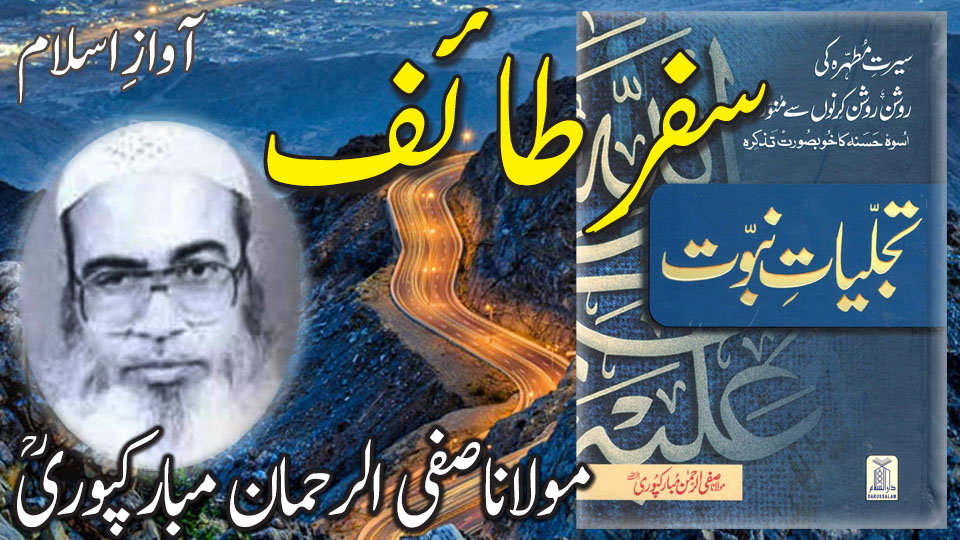
The Journey to Ta’if is one of the most poignant and emotional episodes in the life of Prophet Muhammad ﷺ. It occurred in the tenth year of Prophethood, a year known as Aam-ul-Huzn (The Year of Sorrow). This was the year when the Prophet ﷺ experienced immense personal loss with the passing of his beloved wife, Khadijah (RA), and his supportive uncle, Abu Talib. Their deaths left him vulnerable, as they were his strongest protectors against the hostility of the Quraysh.
With a heavy heart but hopeful spirit, the Prophet ﷺ set out on The Journey to Ta’if in search of a supportive community. He aimed to invite the people of Ta’if to Islam, hoping they would provide refuge and assist in spreading the message of monotheism. However, what awaited him was a heartbreaking reception.
The Painful Rejection at Ta’if
The Journey to Ta’if turned into a severe test of patience and endurance. The leaders of Ta’if not only rejected his message but also mocked him mercilessly. They incited the town’s children and miscreants to throw stones at him. The Prophet ﷺ was severely wounded, and his shoes were soaked in blood. Physically exhausted and emotionally hurt, he sought refuge in an orchard outside the city.
Despite the immense suffering endured during The Journey to Ta’if, the Prophet ﷺ showed unparalleled patience and mercy. He did not retaliate or curse his oppressors. Instead, he turned to Allah in heartfelt supplication, seeking comfort and guidance.
Dua-e-Mustad’afeen: The Supplication of the Oppressed
During The Journey to Ta’if, at his lowest moment of despair, the Prophet ﷺ made one of the most emotional prayers in Islamic history, known as Dua-e-Mustad’afeen (The Supplication of the Oppressed). His words reflected his sorrow but also his unwavering faith in Allah’s mercy:
“O Allah, to You I complain of my weakness, my scarcity of resources, and the humiliation I have been subjected to by the people. O Most Merciful of those who are merciful, You are the Lord of the oppressed, and You are my Lord… If You are not displeased with me, I do not care what I face.”
This supplication showcases his humility and complete trust in Allah, teaching us how to seek solace in faith during moments of pain and adversity.
A Mercy Beyond Imagination
Despite the harsh treatment he faced during The Journey to Ta’if, the Prophet ﷺ demonstrated mercy beyond human comprehension. The Angel of Mountains was sent by Allah with an offer to crush the people of Ta’if between two mountains as a punishment for their cruelty. However, the Prophet ﷺ refused, hoping that their descendants would one day accept Islam. His vision extended beyond the immediate suffering, showing his unwavering compassion and patience.
His merciful response during The Journey to Ta’if is a timeless lesson in forgiveness, resilience, and leadership. It exemplifies how to respond to hatred with love and mercy, reflecting his noble character as the Rahmat-ul-lil-Alameen (Mercy to the Worlds).
The Long-Term Impact of The Journey to Ta’if
Years later, the descendants of the same people who had rejected and harmed him embraced Islam. Ta’if became a significant center of Islamic learning and culture. Notably, Muhammad bin Qasim, who played a pivotal role in the spread of Islam in the Indian subcontinent, came from the tribe of Thaqif in Ta’if. This remarkable transformation illustrates the long-term wisdom of the Prophet’s ﷺ patience and mercy during The Journey to Ta’if.
The Timeless Lessons of The Journey to Ta’if
The Journey to Ta’if stands as a profound example of patience, forgiveness, and unwavering faith. It teaches us how to remain steadfast in the face of adversity and to maintain hope even when surrounded by despair. This story continues to inspire millions, reminding us that compassion and perseverance can overcome even the harshest trials.
By reflecting on The Journey to Ta’if, we not only learn about the extraordinary character of Prophet Muhammad ﷺ but also find guidance on how to respond to challenges in our own lives. His legacy of mercy, endurance, and hope continues to illuminate our paths and uplift our spirits.
If you want to read this book then click on this link.
https://drive.google.com/file/d/1BbetoZoYuiKx7AngNI2pEvLxej5KZTus/view?usp=sharing
Here is the link to watch this video on Facebook.
https://www.facebook.com/share/v/18Cp8GmAnK/
Here is the link to watch this video on FebSpot.
Febspot: https://www.febspot.com/video/2529766
Here is the link to watch this video on Rumble:
https://rumble.com/v5n7dm5-travel-to-taif..html
If you'd like to listen to this book in audio format, click the CONTACT button below to get in touch with the AwazeUrdu team to order the audiobook.
تجلیاتِ نبوت۔سیرتِ طیبہ کی روشن روشن کرنوں سےمزین اسوہ حسنہ کاخوب صورت تذکرہ
مولاناصفی الرحمٰن مبارک پوری کی یہ کتاب سیرتِ طیبہ کےموضوع پربڑے خوب صورت اندازاورآسان زبان میں لکھی گئی ہے۔آوازِاسلام کی اس ویڈیومیں آنحضرتﷺ کےسفرِطائف کاواقعہ بیان ہواہے۔اس کےساتھ دعائےمستضعفین یعنی کمزوروں کی دعابھی ہے، جو آنحضرتﷺ نےطائف سے واپسی پر ایک باغ میں پناہ لینےکےبعد اللہ سے مانگی۔ پھر رحمتِ الٰہی جوش میں آئی اوررسول اللہ کوپیشکش ہوئی کہ اگرآپ چاہیں تودوپہاڑوں کےدرمیان ان ظالموں کوپیش کر رکھ دیں، مگرحضور ﷺ نےاس موقع پر ان لوگوں کےلئے دعافرمائی۔ پھر اسی قبیلہ بنی ثقیف میں محمد بن قاسم ؒ پیداہوئے، جن کو اللہ پاک نےسندھ میں اسلام کےپھیلنے کاذریعہ بنایا۔